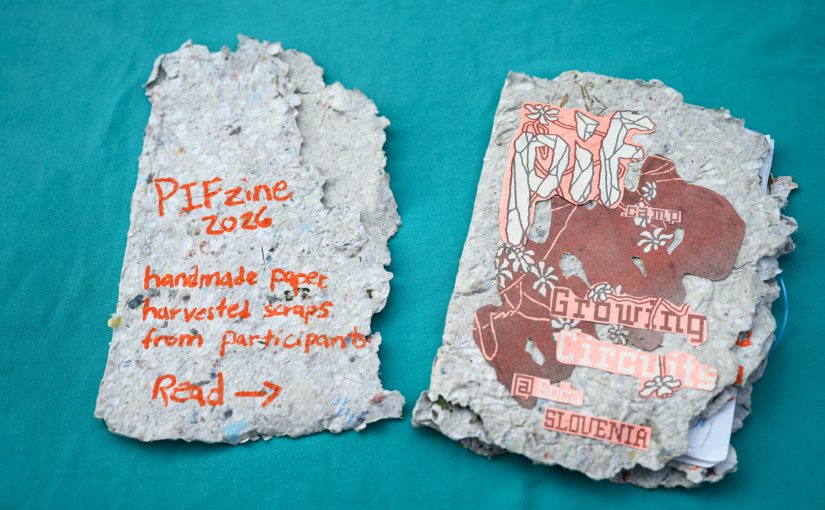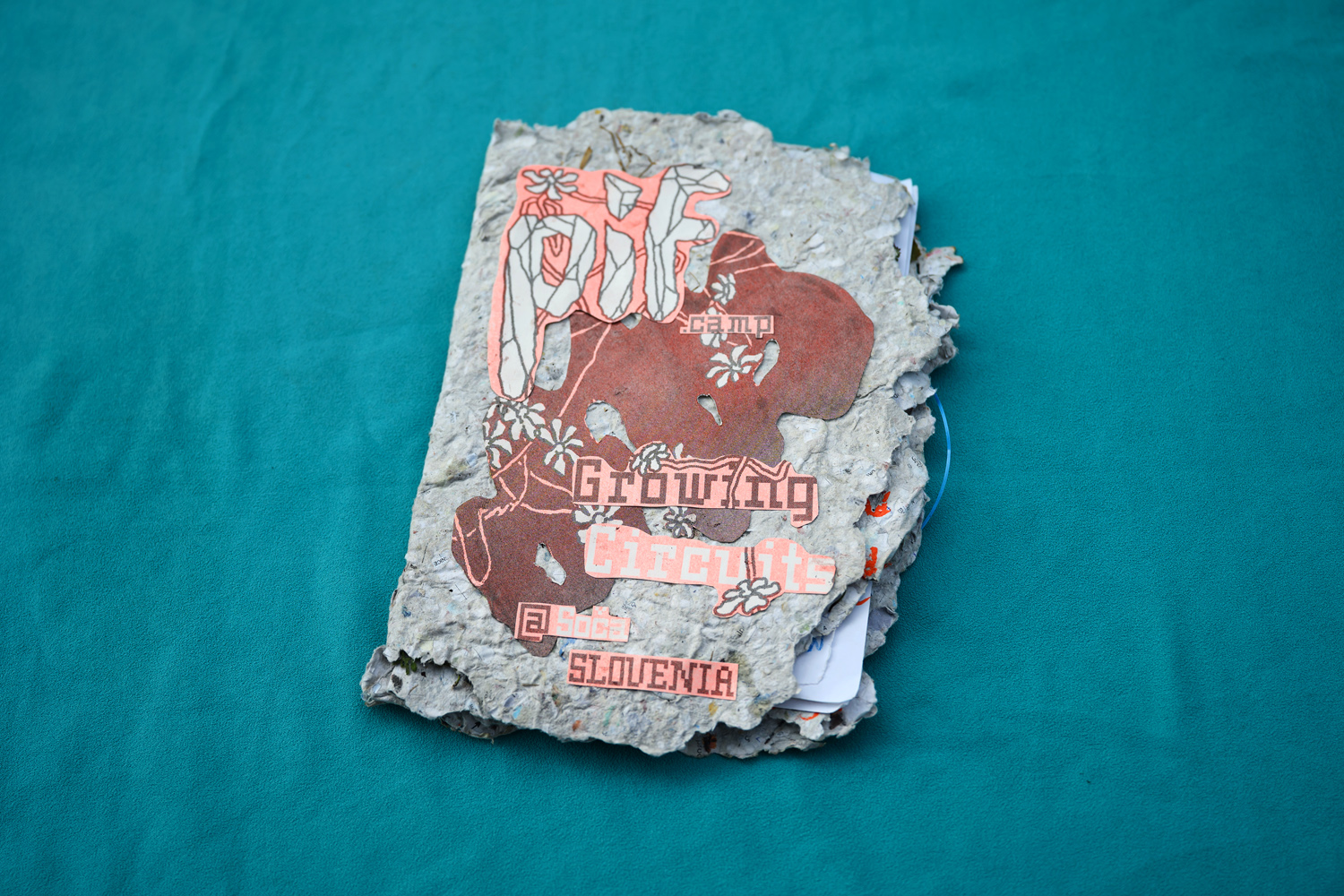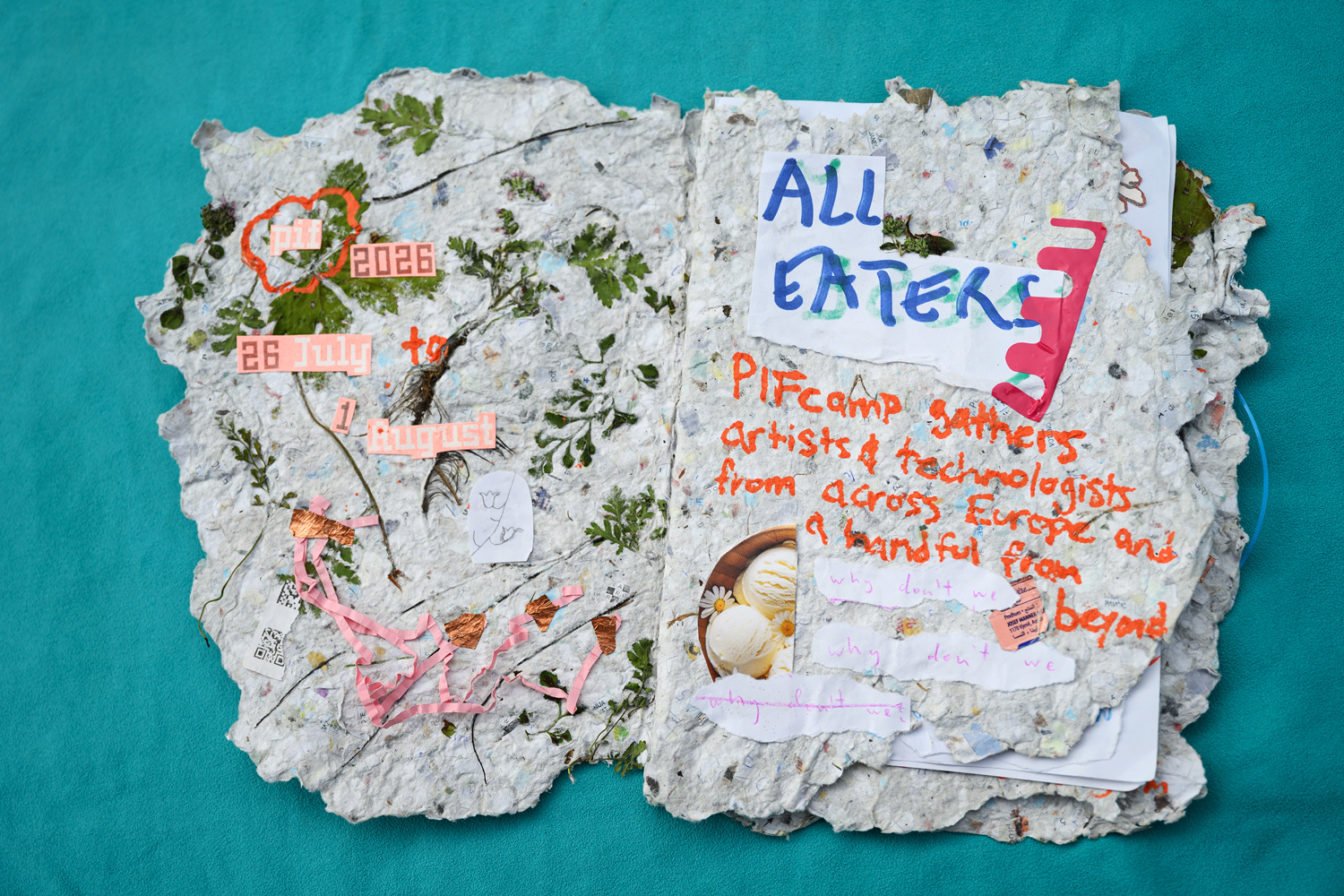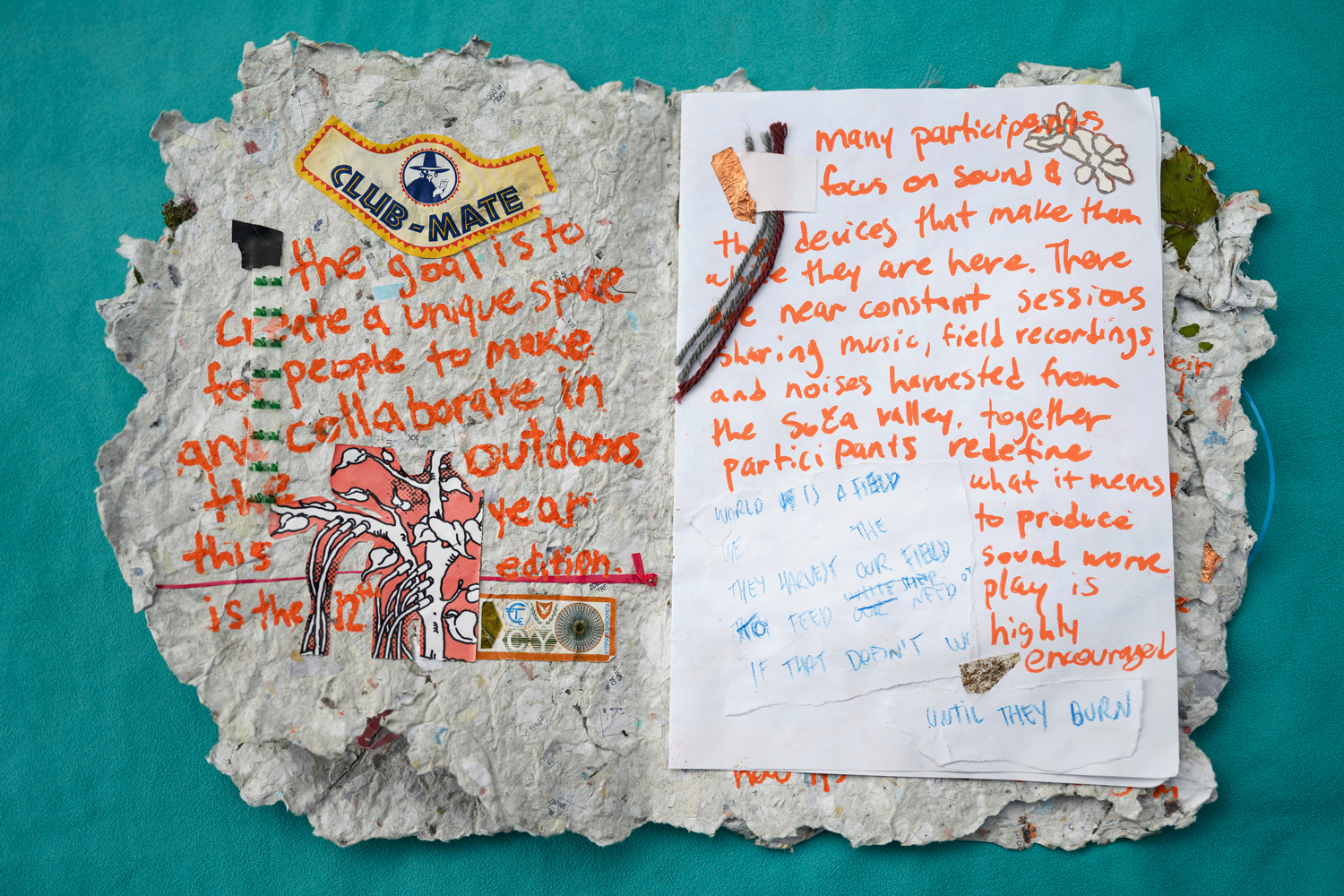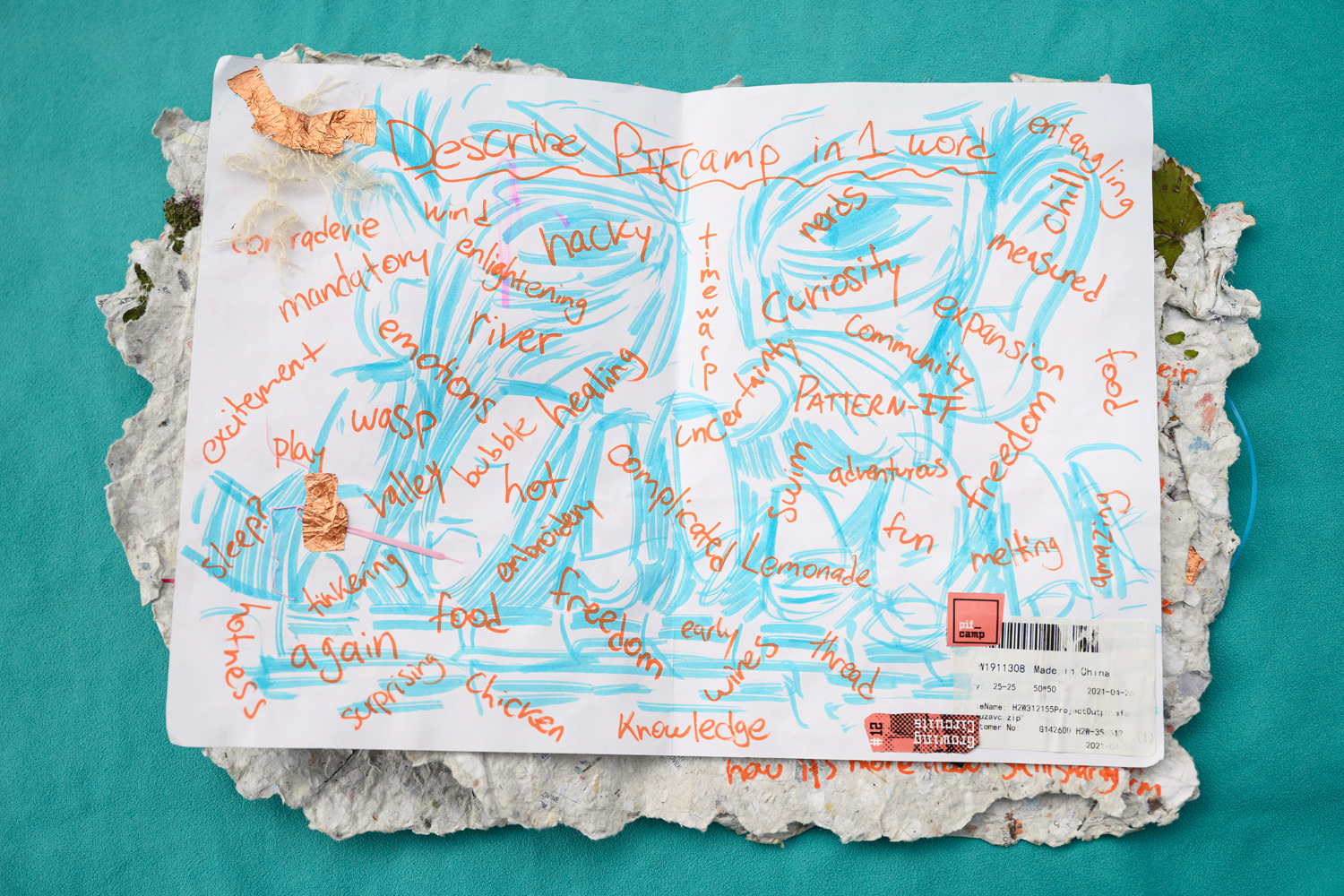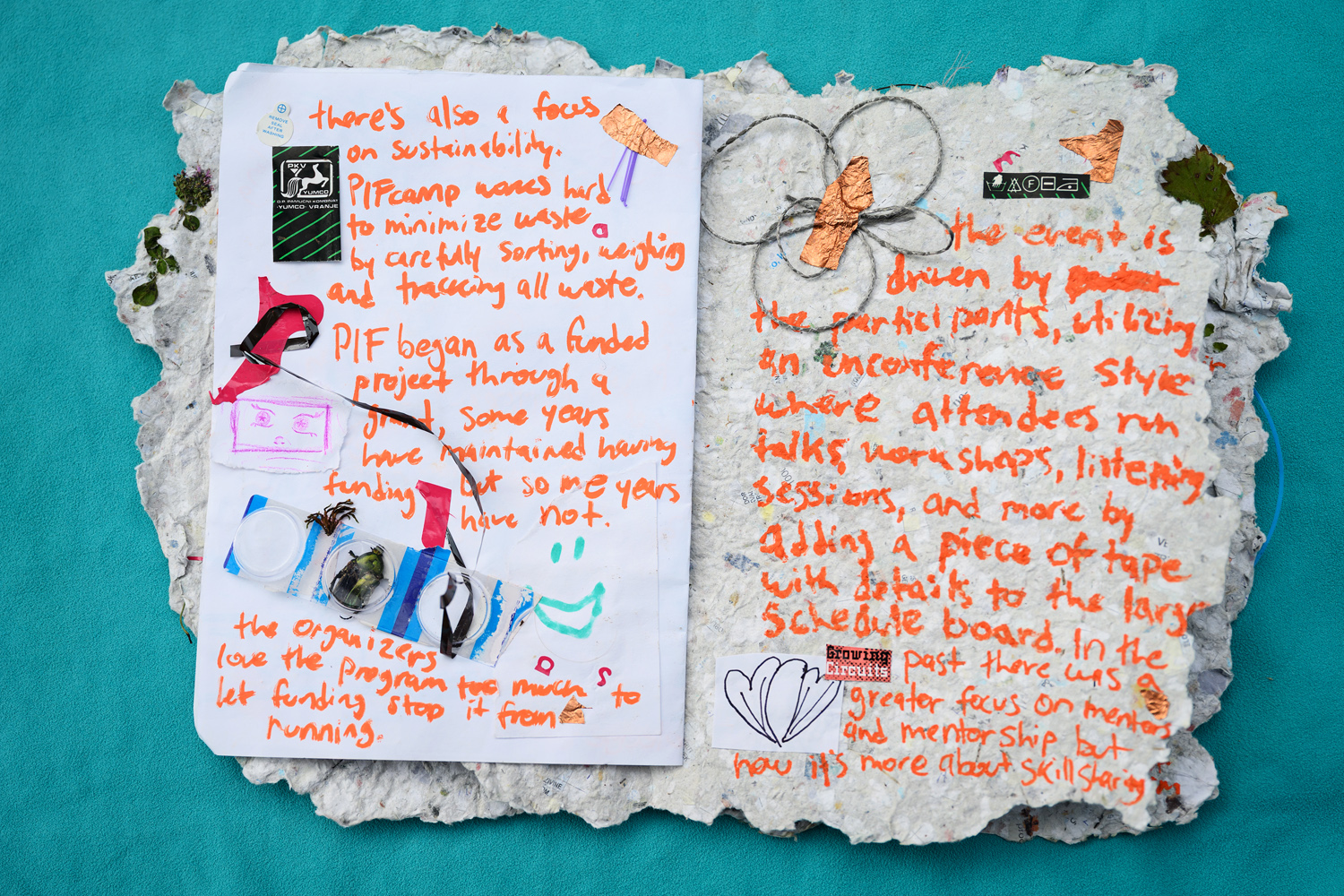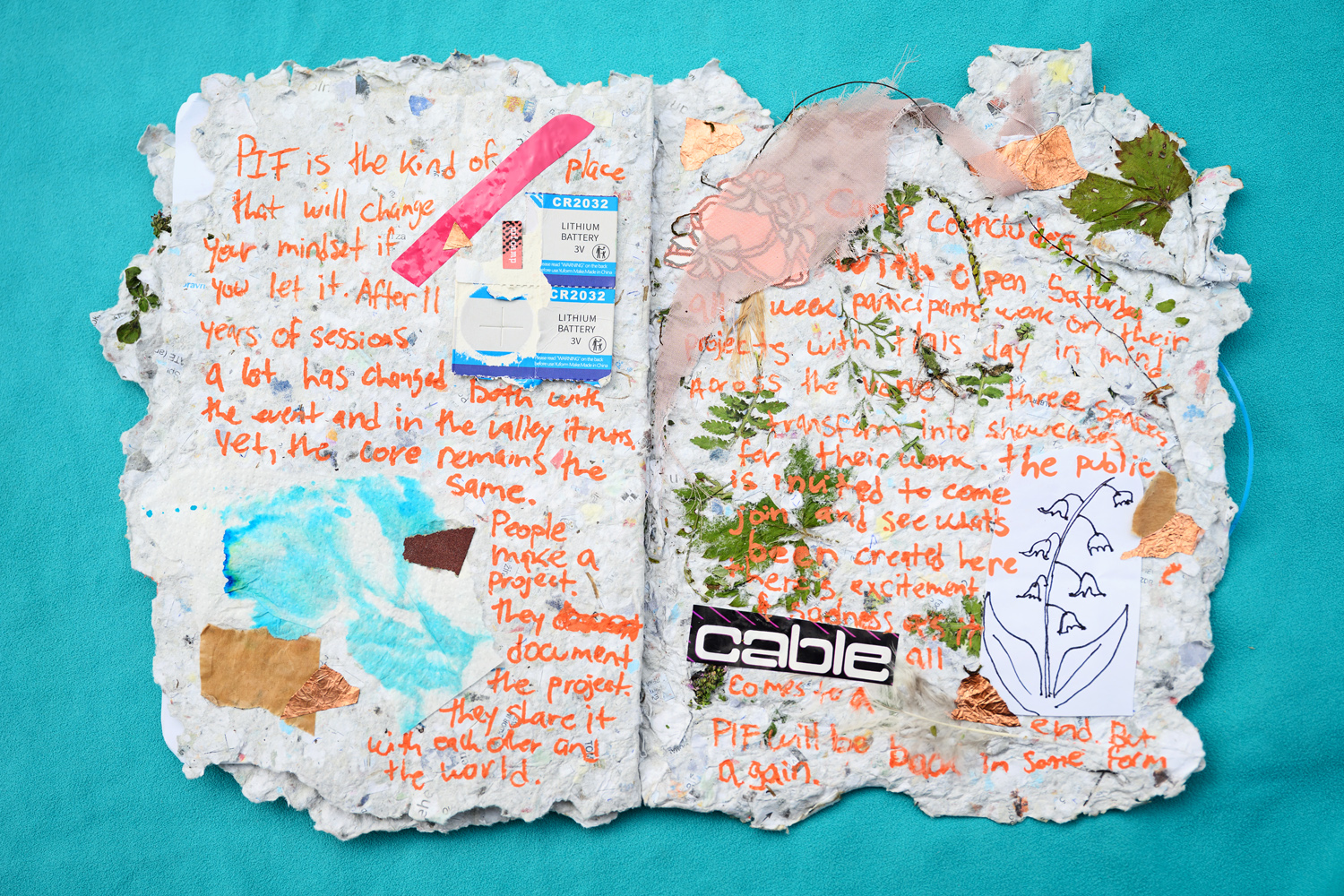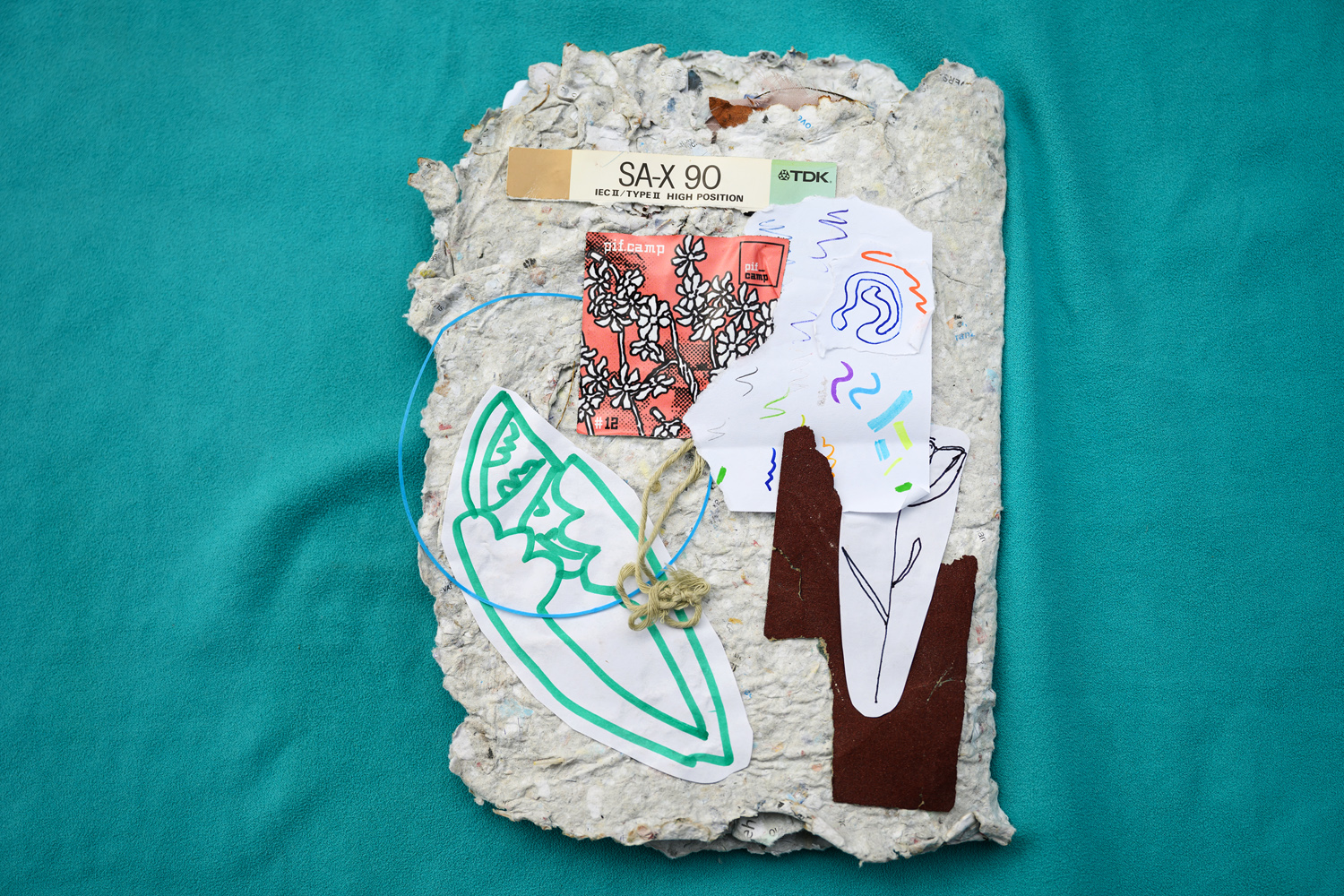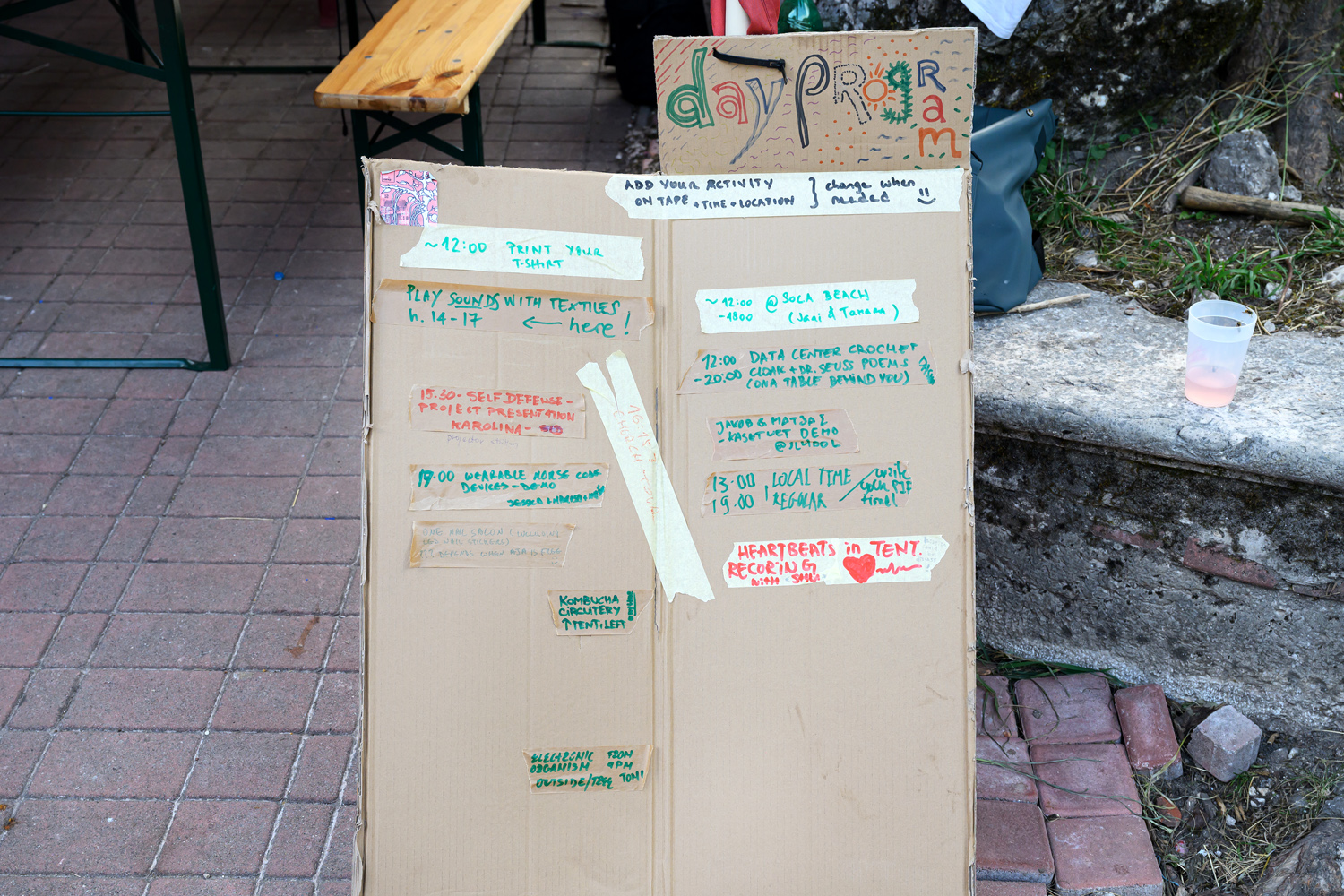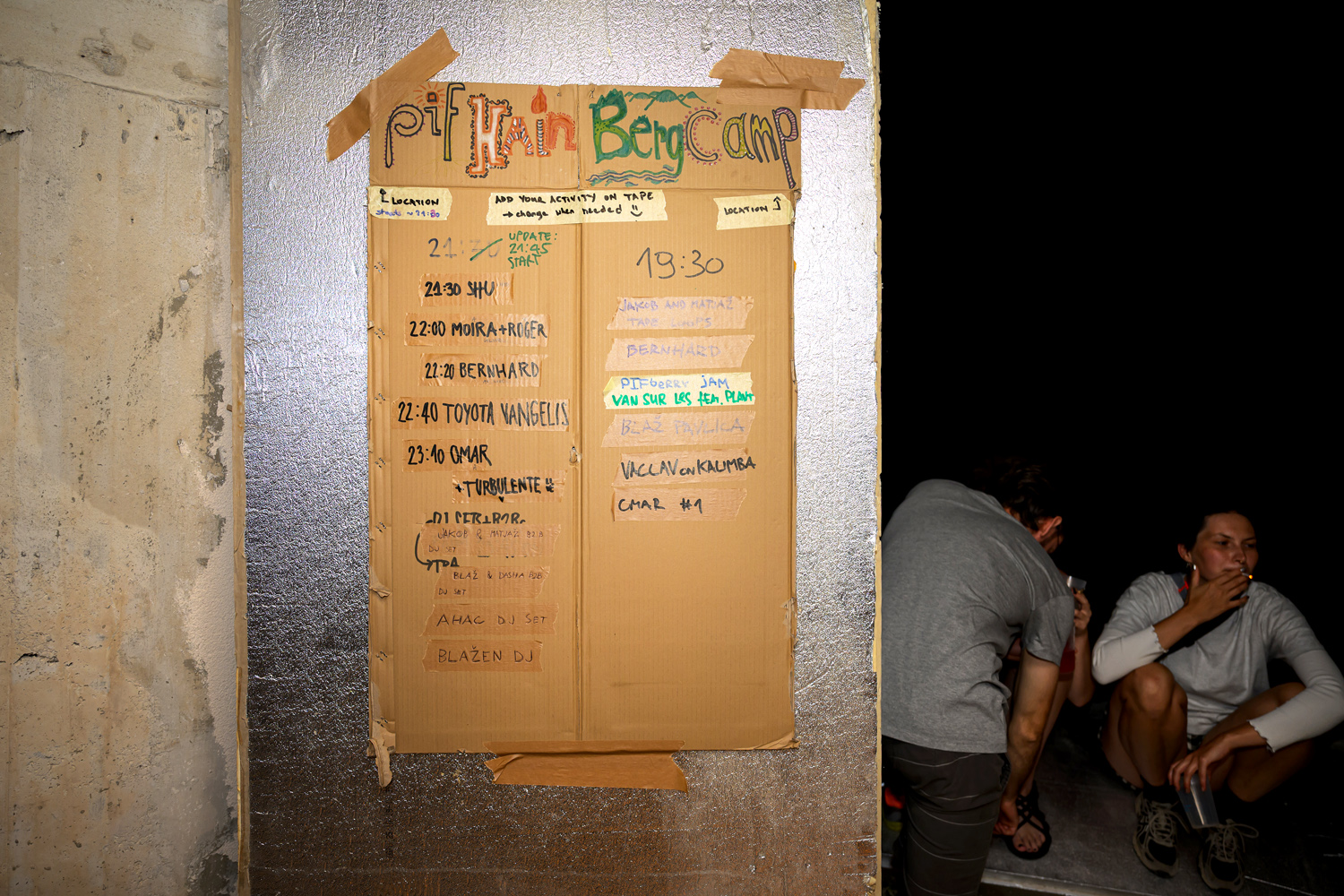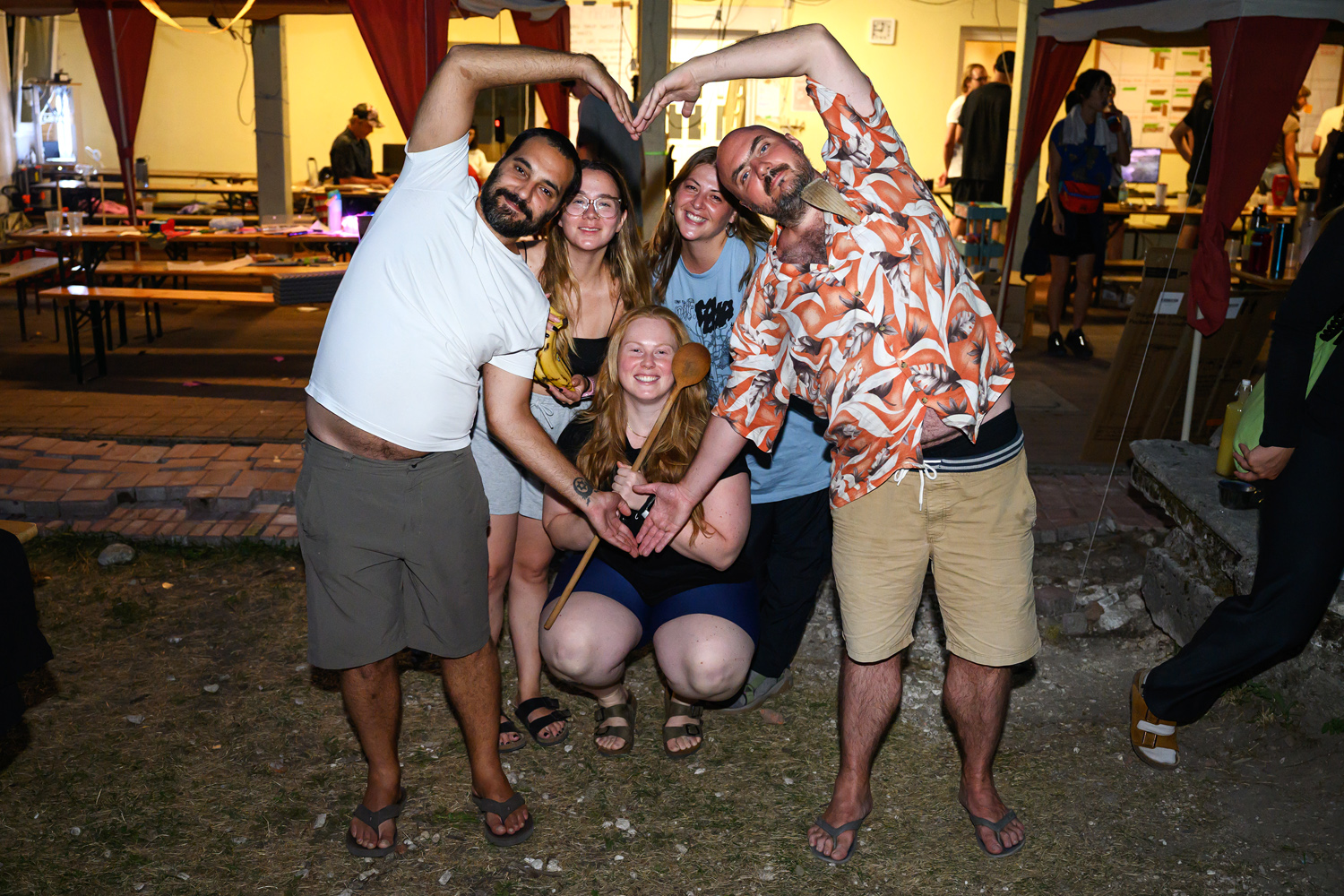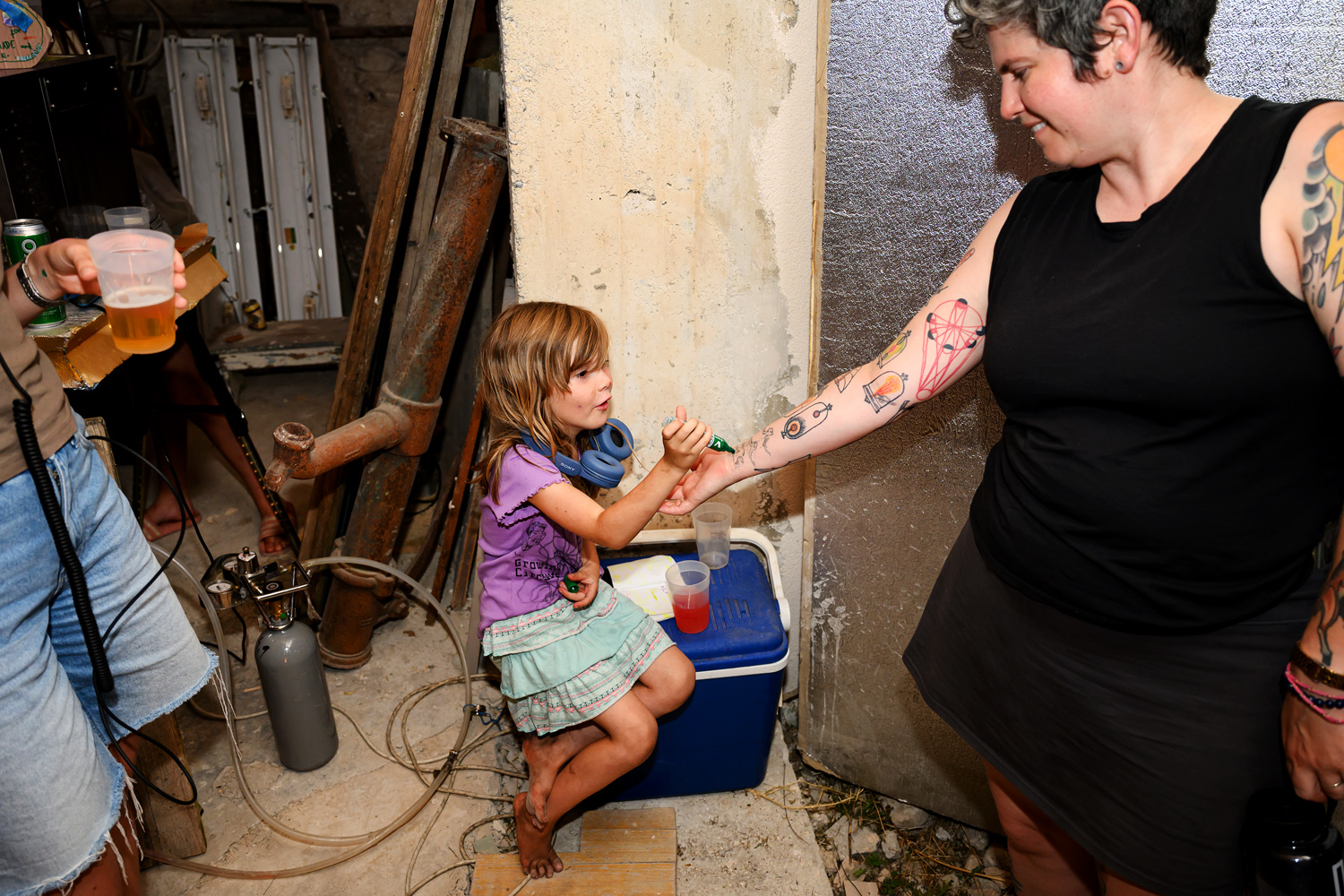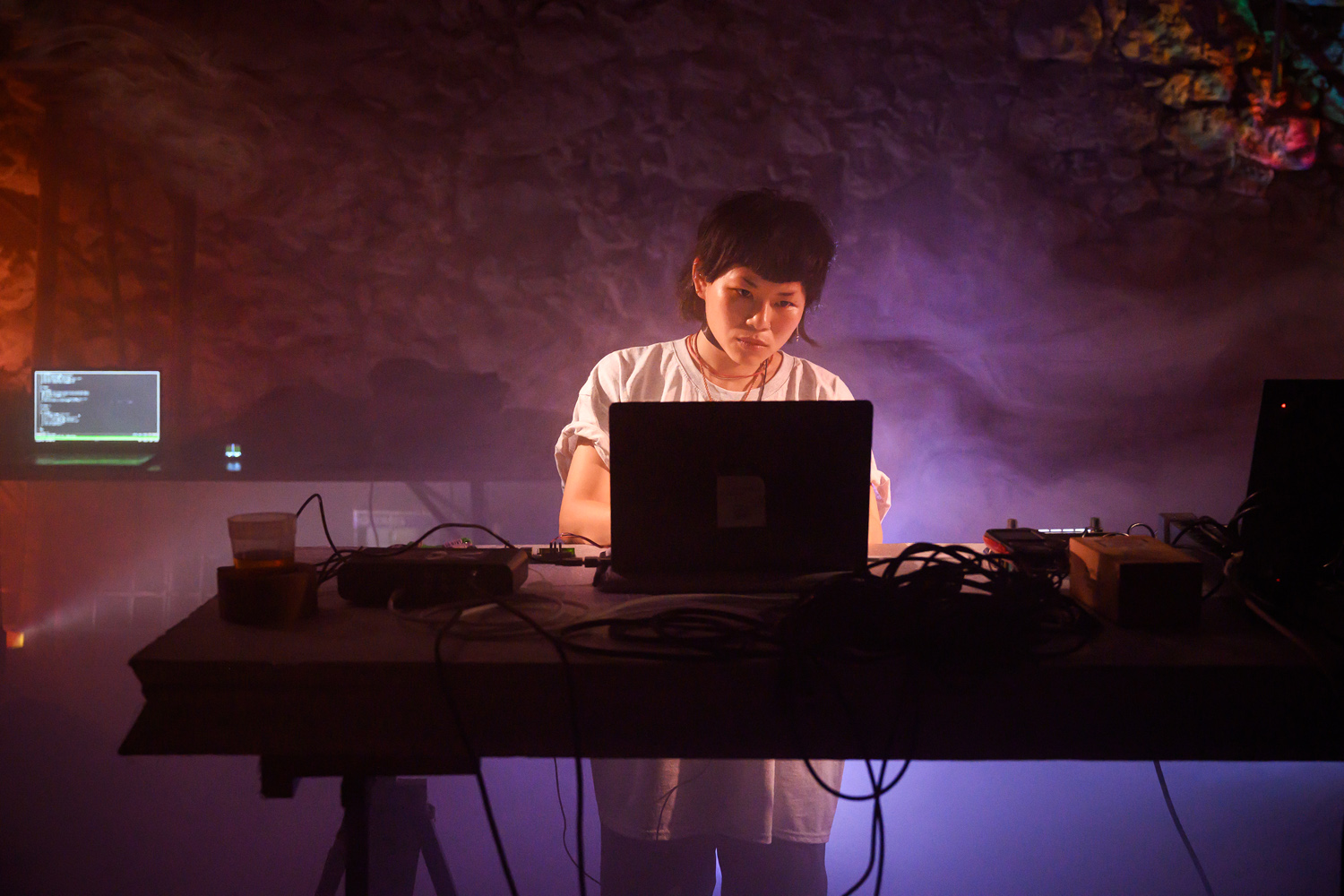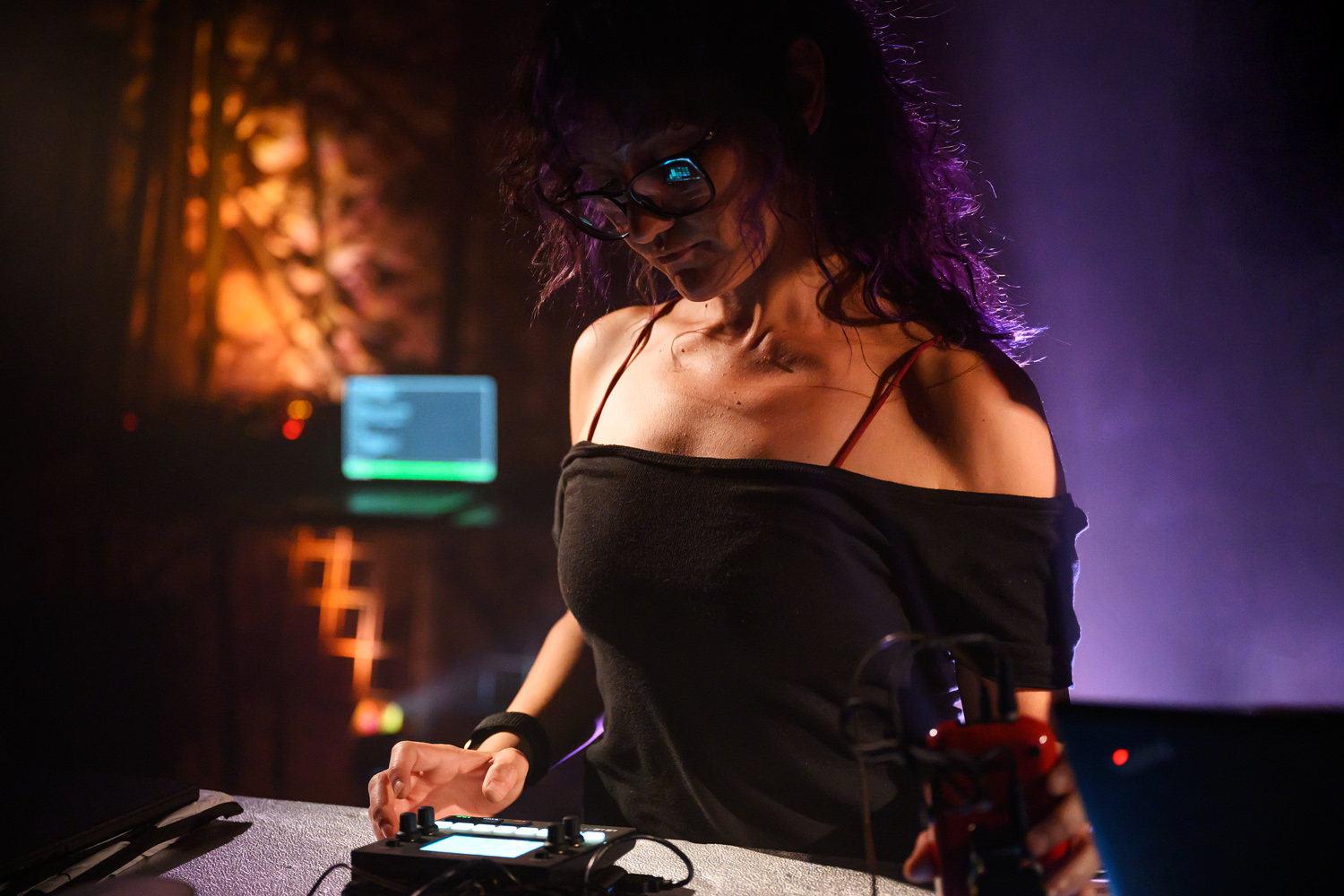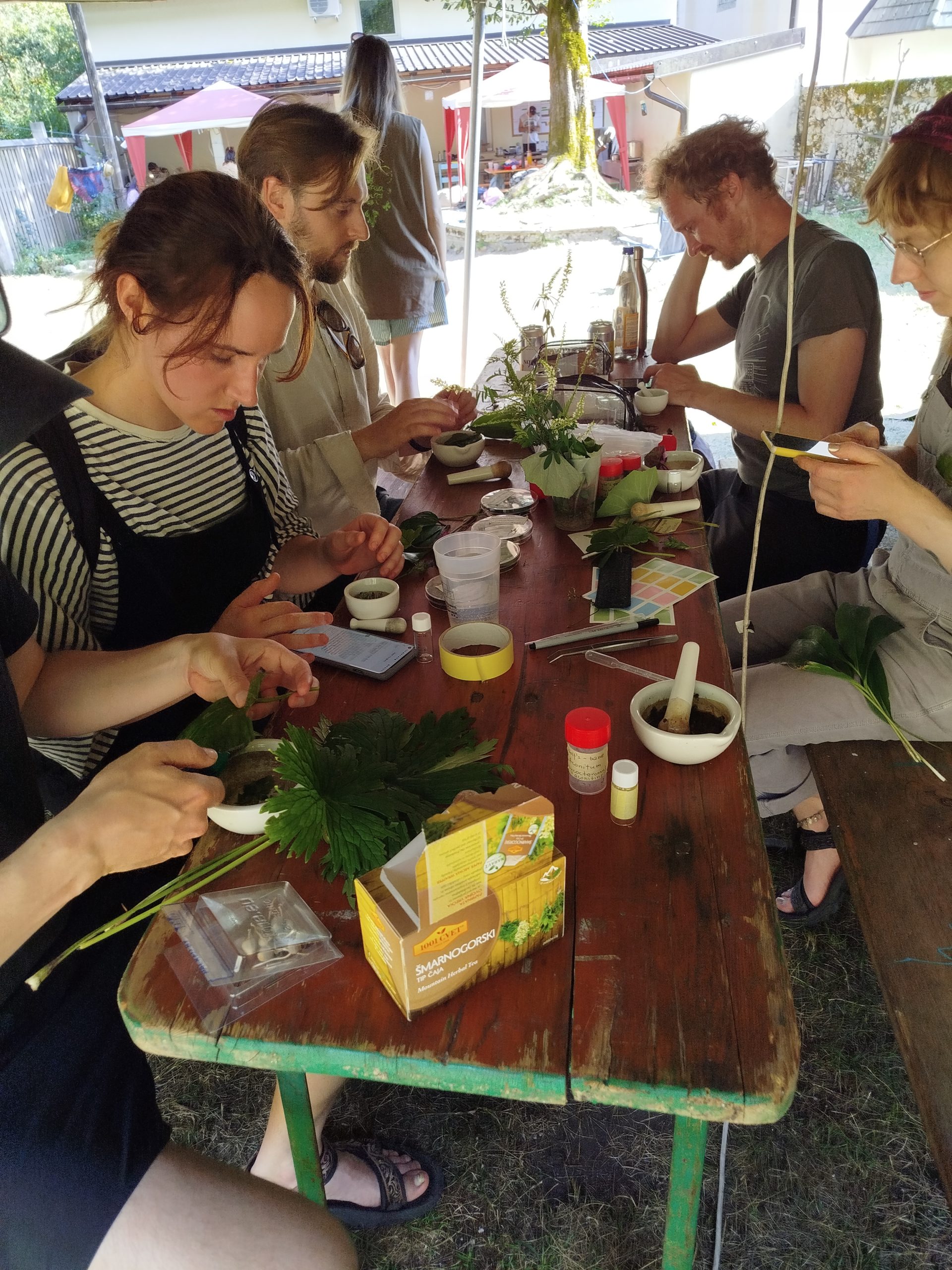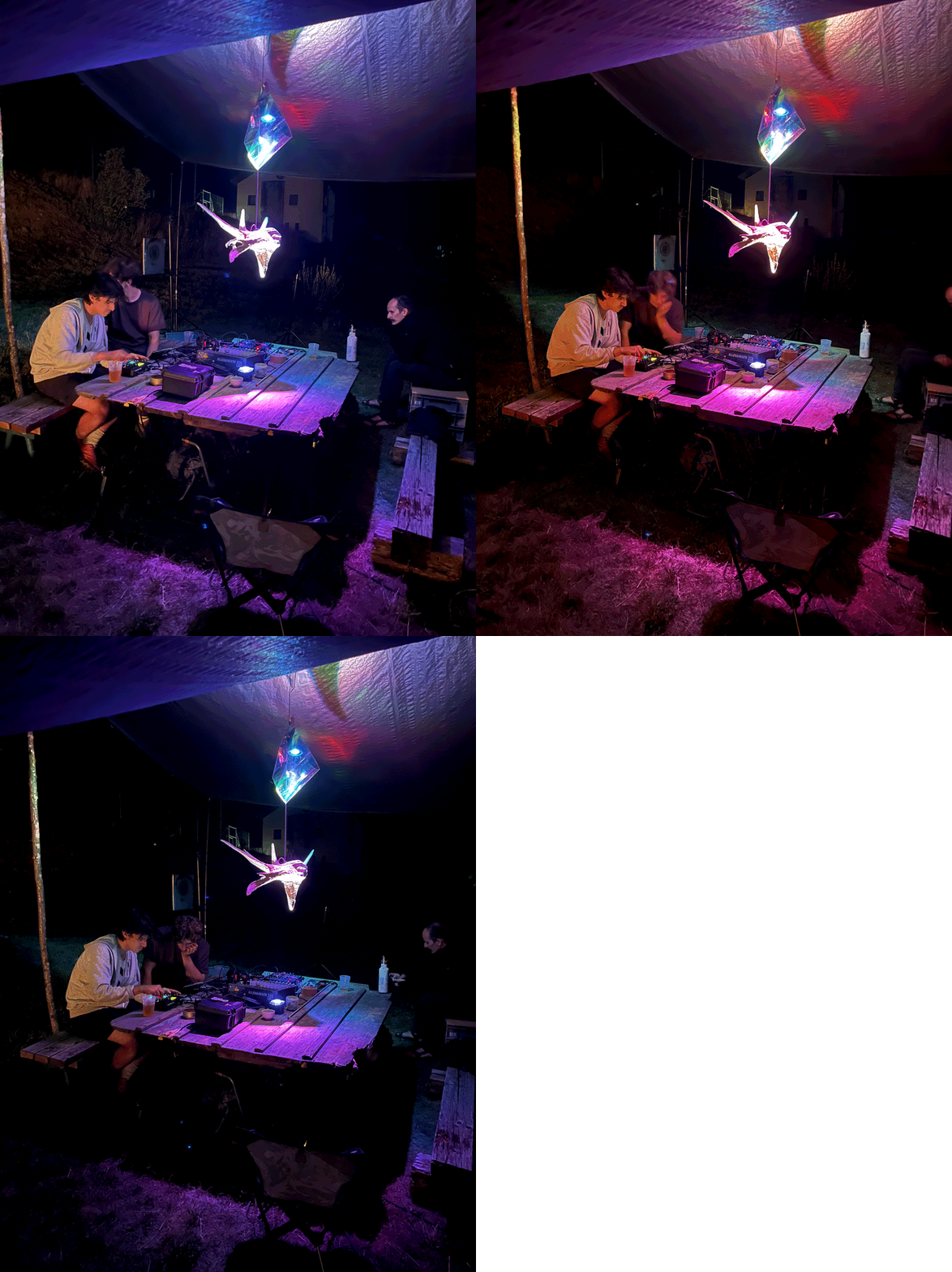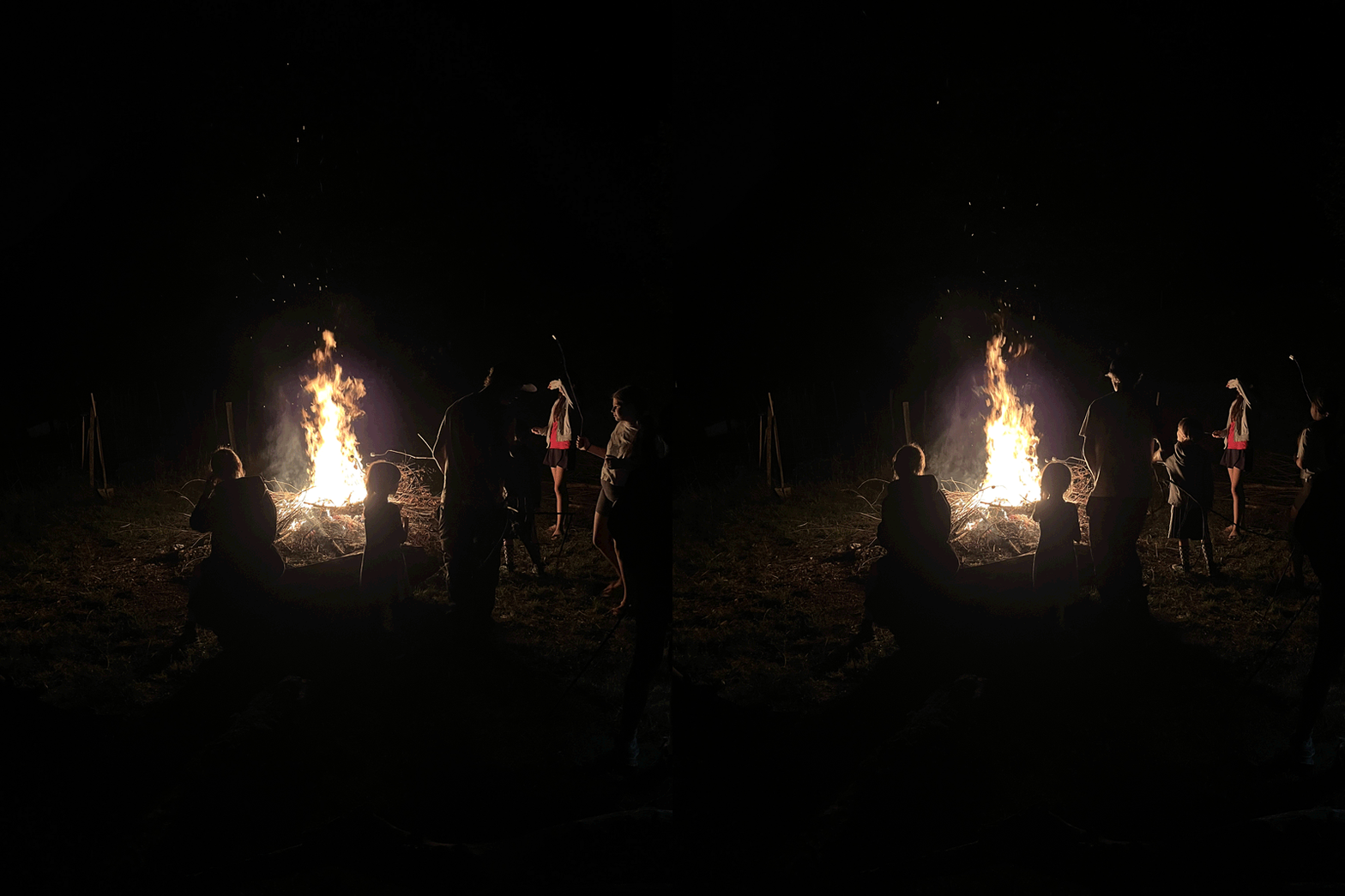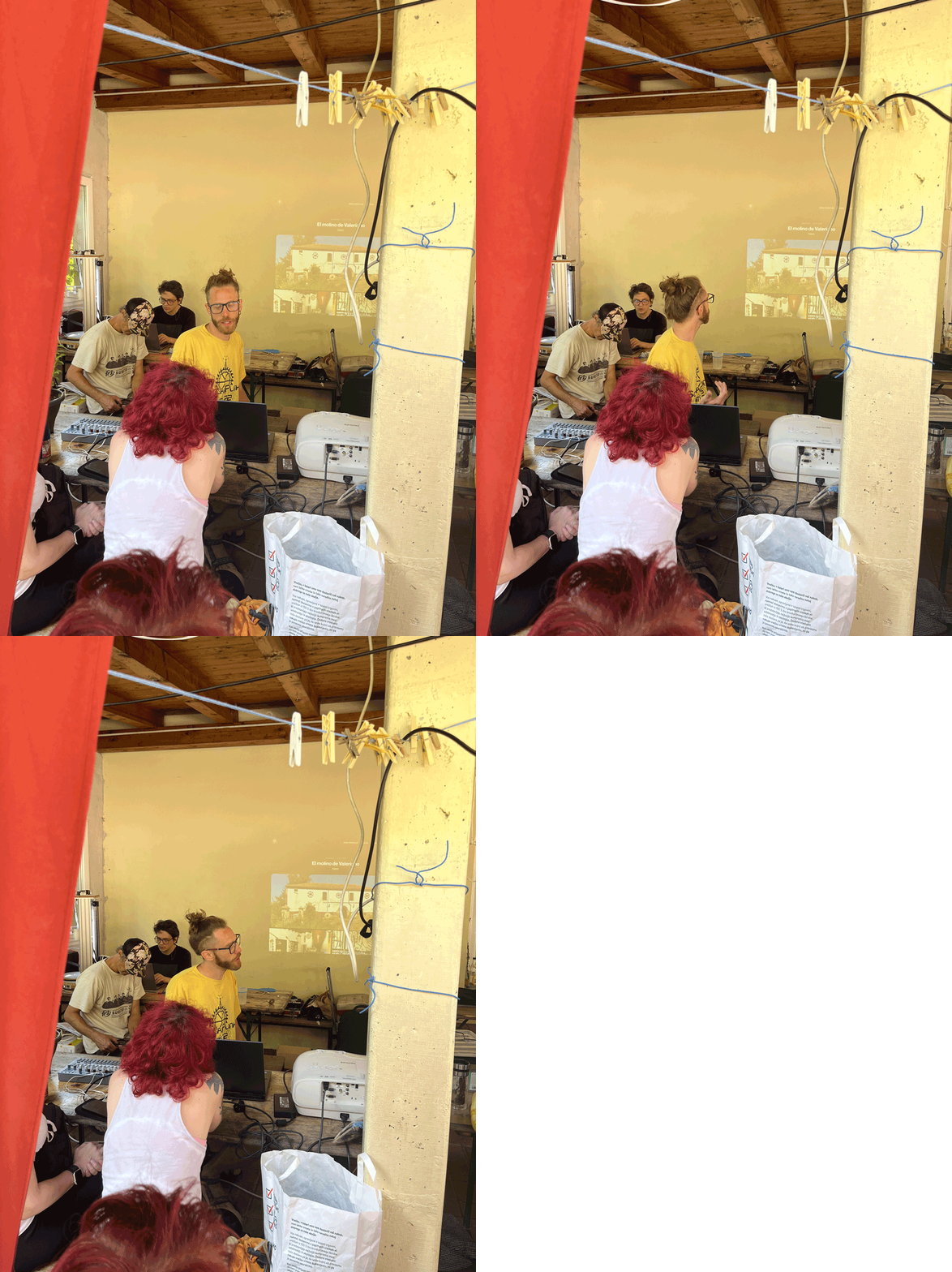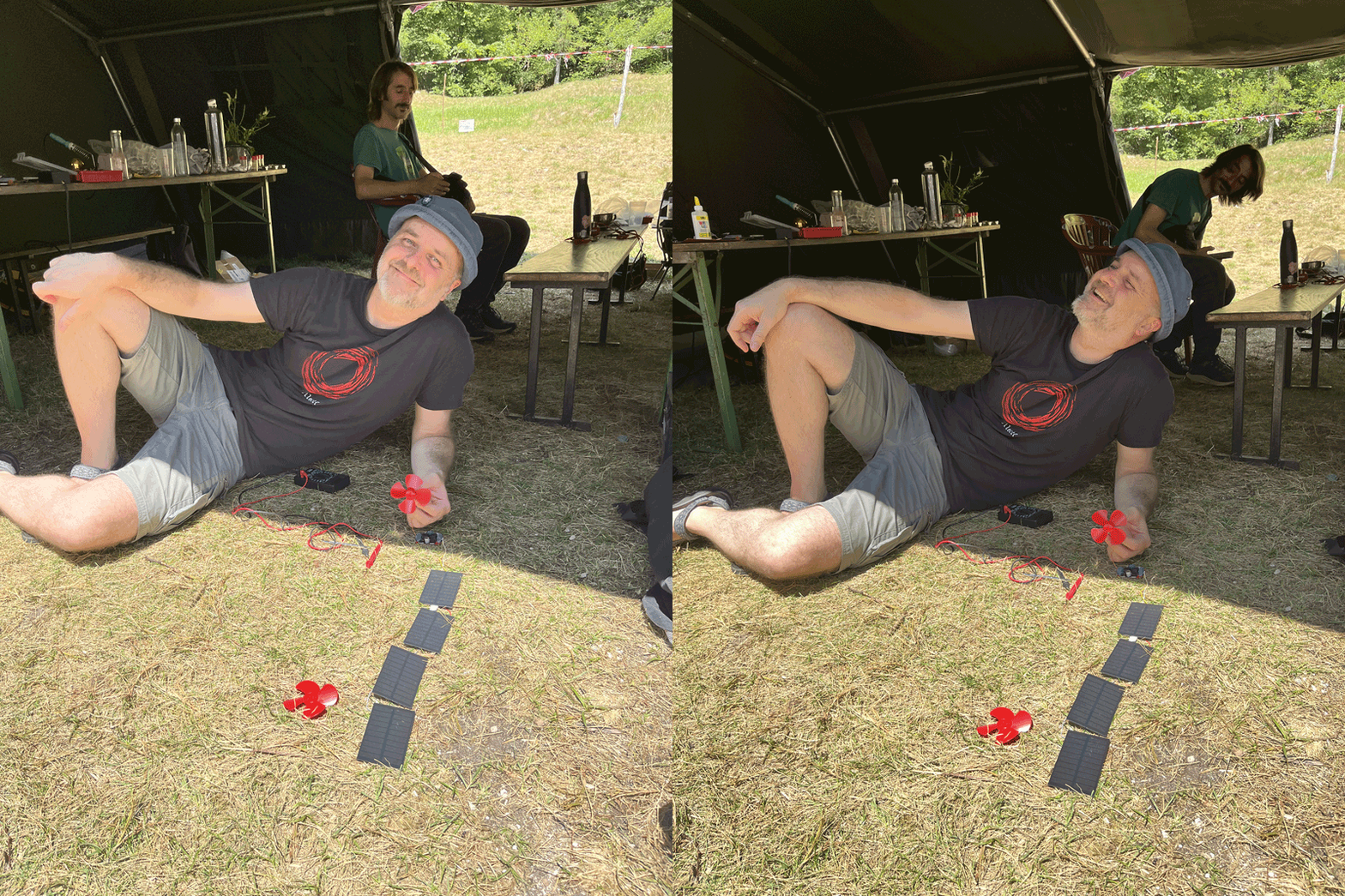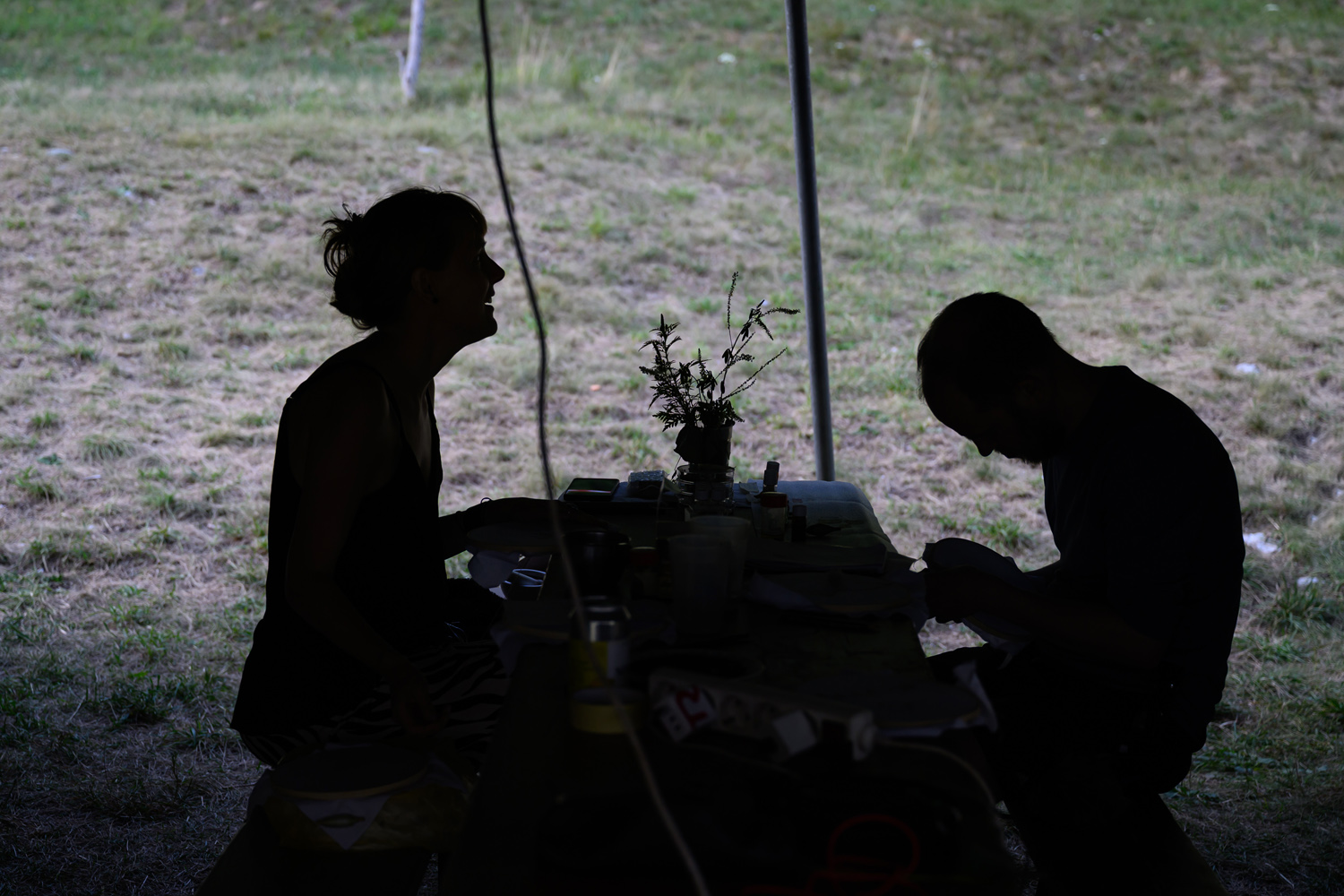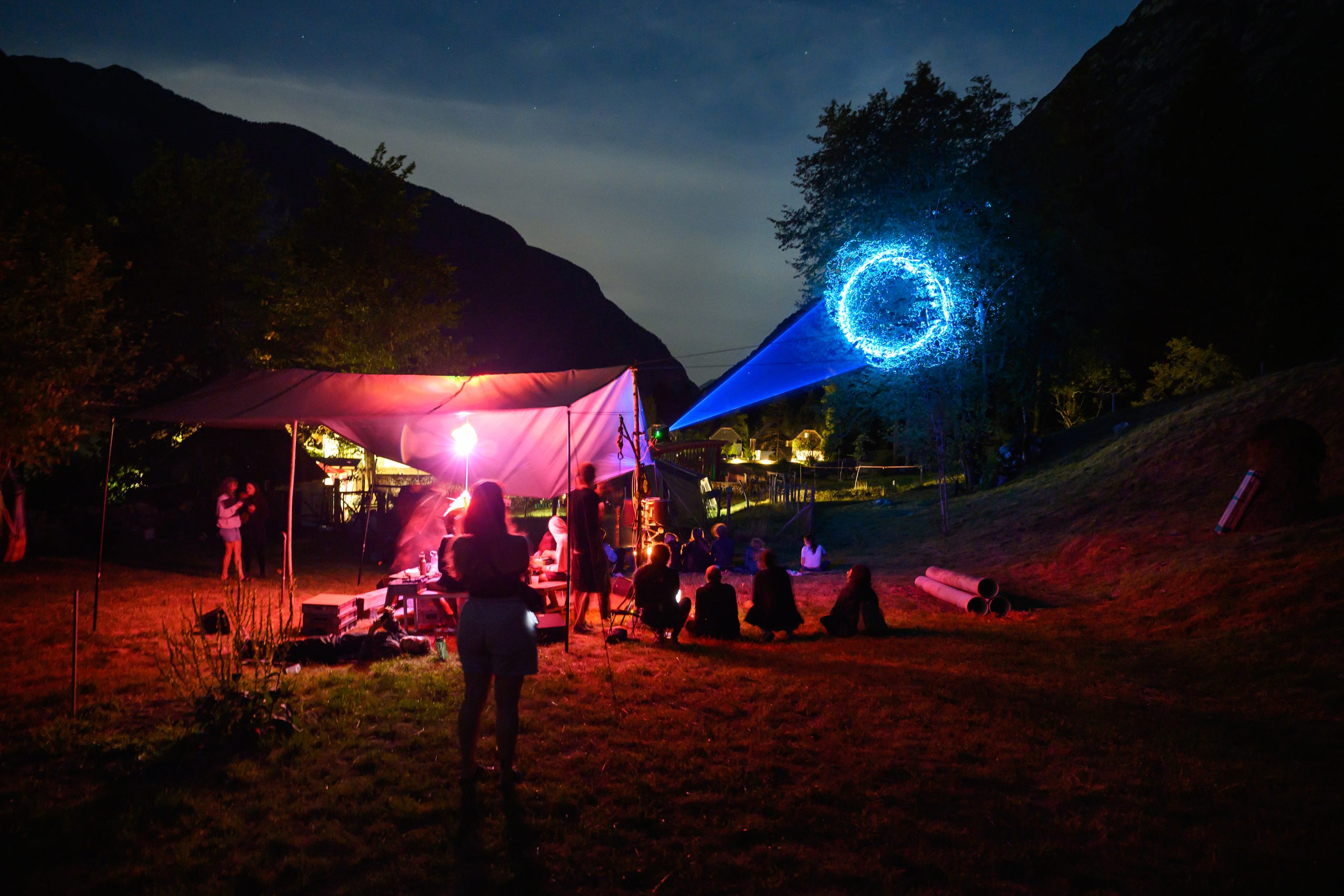
Couple of weeks have passed since the start of this year’s PIFcamp. After giving my body the physical reset it needed, I have finally recovered enough to start writing this blog. I’m looking through my PIF notebook and notes from this year’s camp. As usual, the entries start off ambitious and systematic, but eventually become sporadic, fragmentary and unfinished. What remains at the end are keywords and thoughts — pointers for my future self to make some meaning out of them by attaching memories and other material, and by contextualising what happened. In a nutshell, this is what PIFcamp is. This is how PIF happens. It starts off ambitiously, with lots of ideas, but by the end of the week, you realise that there is barely enough time for your own project — or not even that — not to mention the new ideas that arise from interacting with other participants. And then pfff, it disappears into the ether of everyday summer.
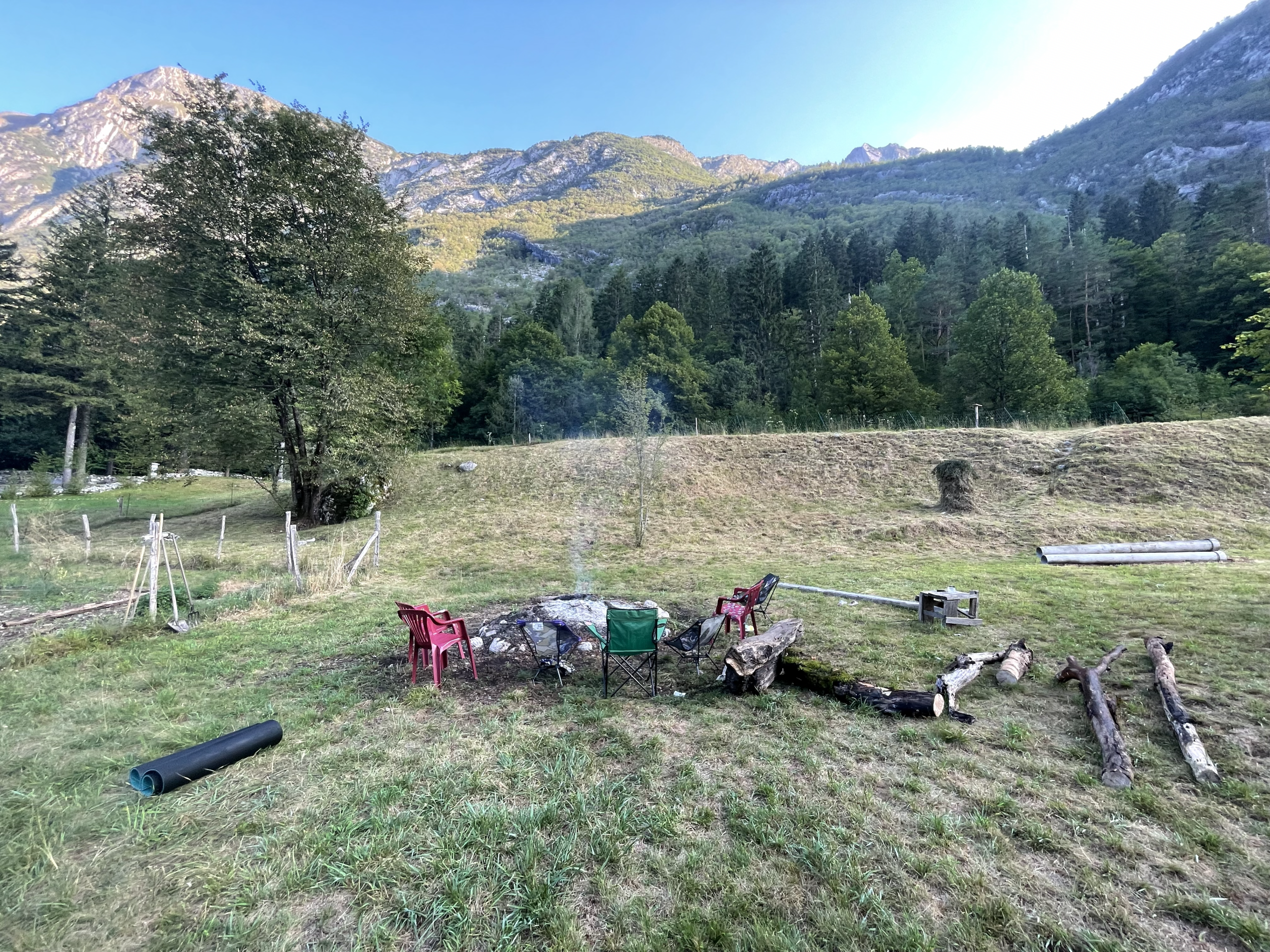
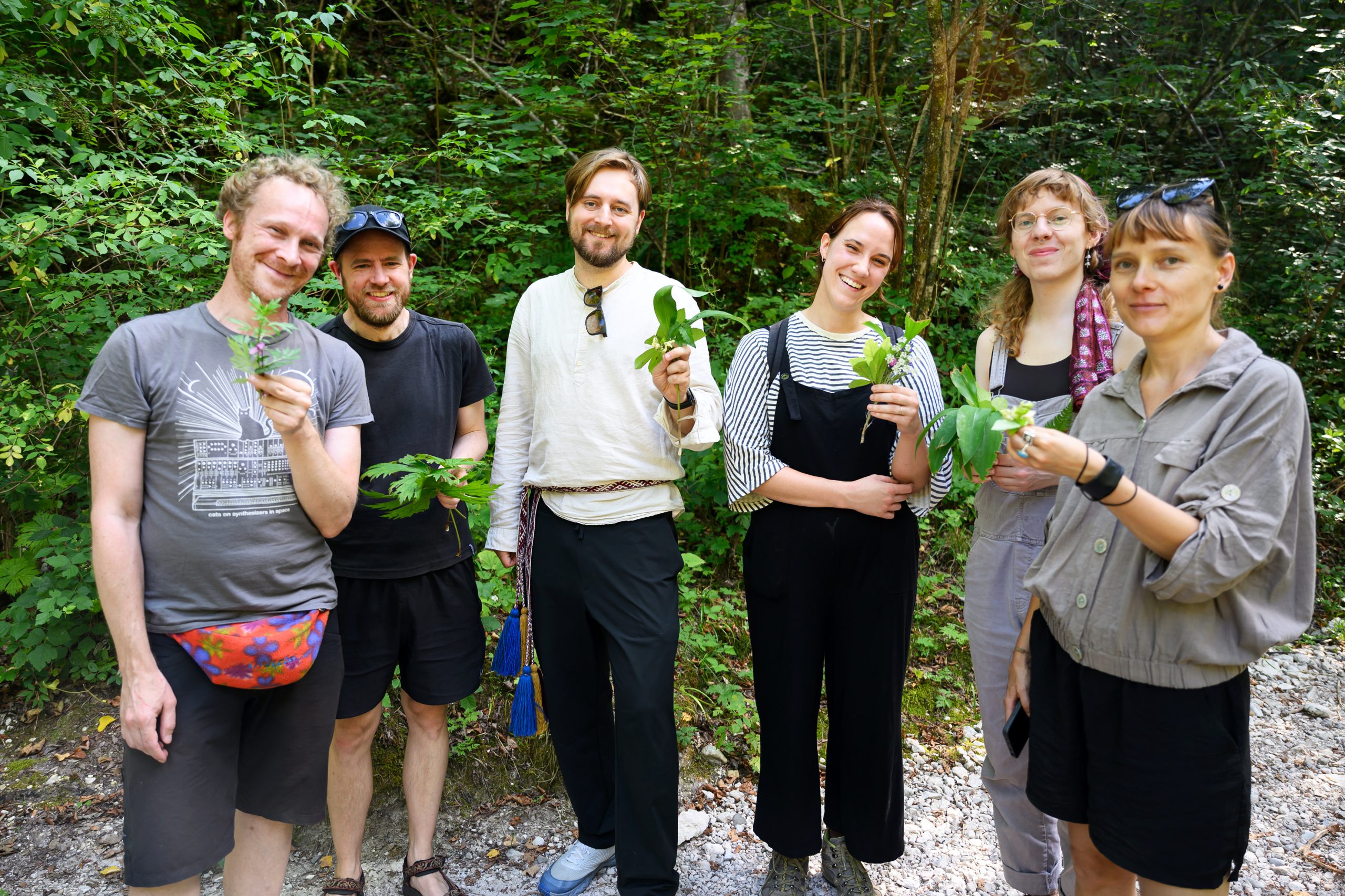
This is nothing new to me, and it’s nothing new to frequent Piffers either. As echoed in conversations with PIFveterans, they had come in much the same spirit. Their reasons ranged from finally overcoming FOMO to considering PIF as a vacation to work on one’s own project away from a hectic work year, from just chilling and relaxing with others and by the river to repeating a previously hacked project with a pinch of an additional upgrade. Somehow this resonated with me immensely. It was as if the bond we share had been strengthened. We have grown up collectively with PIFcamp. And so have PIFcamp and its organisers.
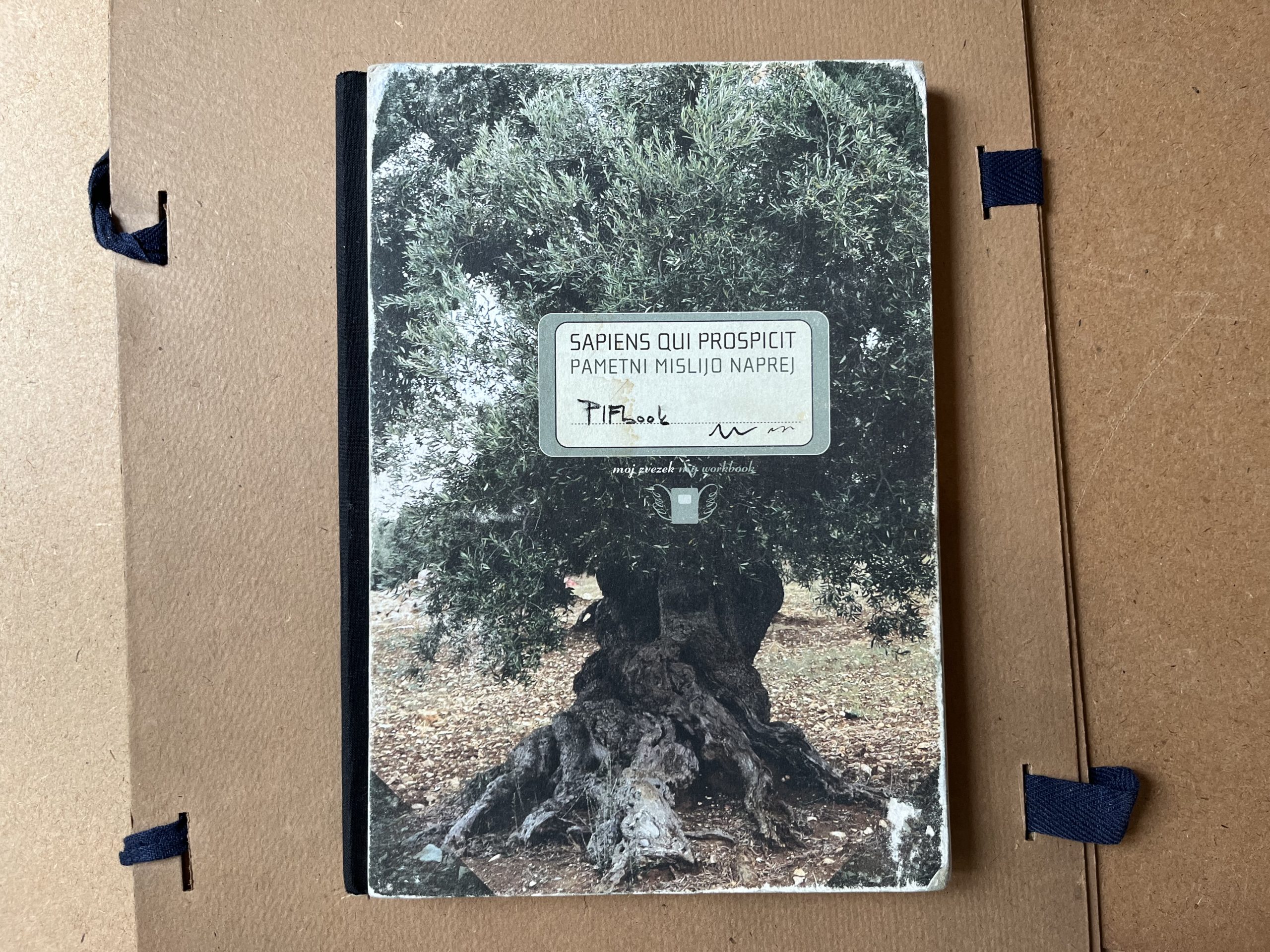
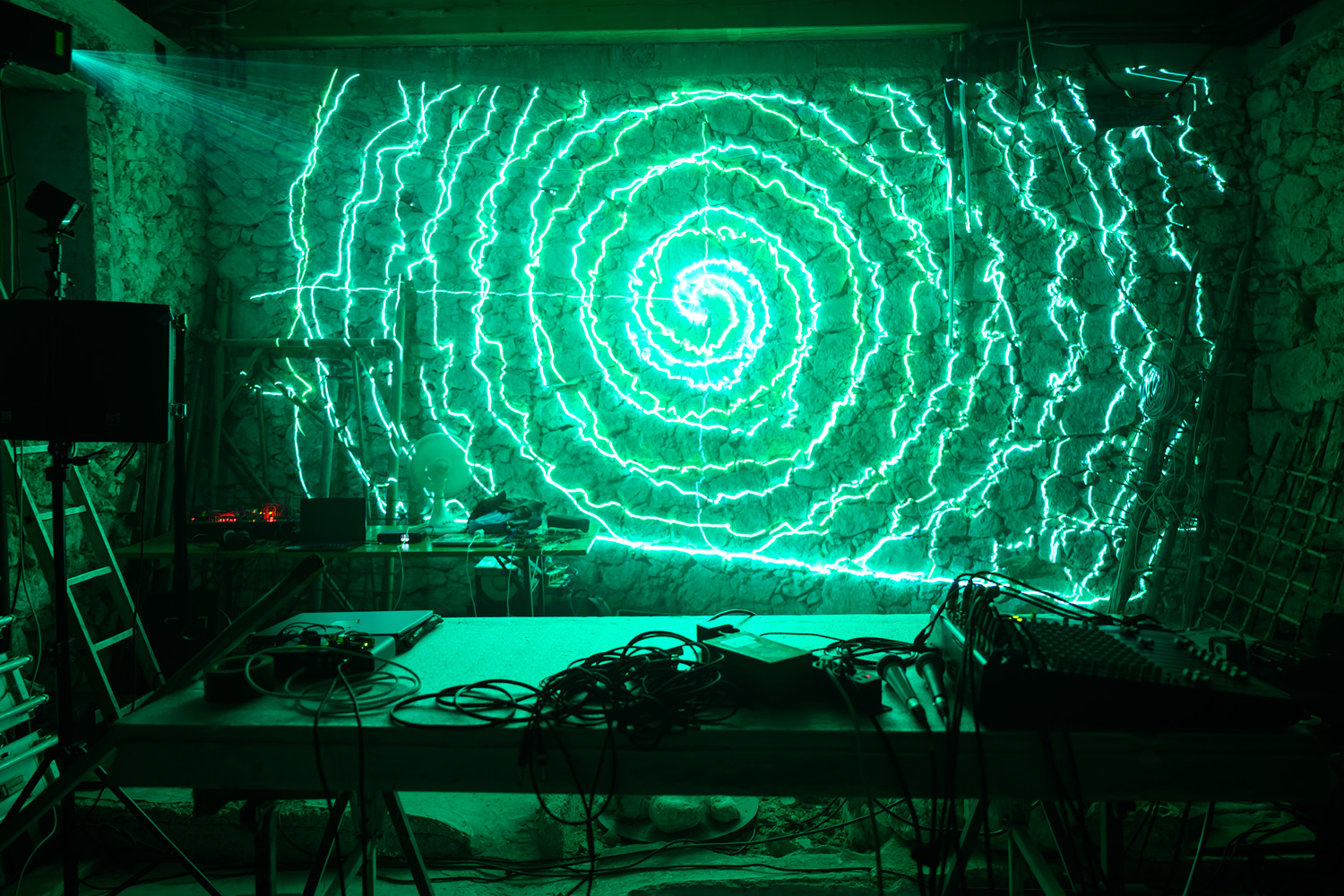
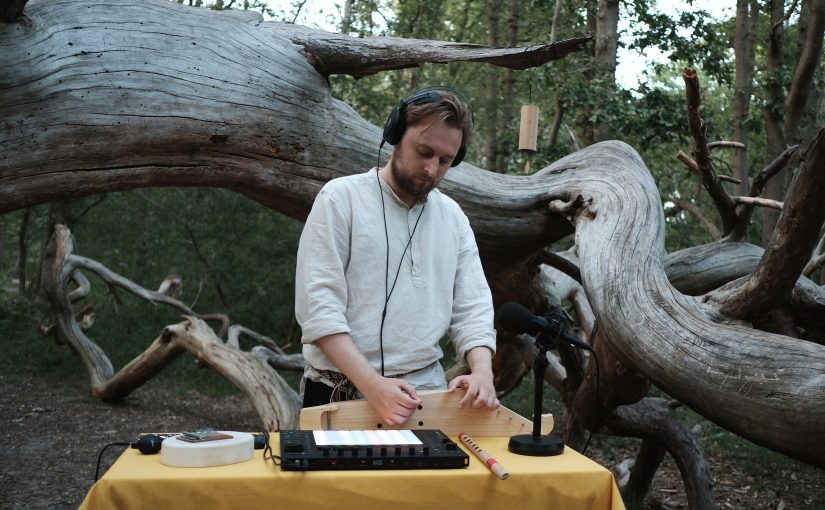
Unlike in previous years, I did not arrive with an abundance of my own projects and ideas. Instead, I returned to the project I started with during my first proper attendance in 2016: doing ethnography and documenting how people live and experience this ad hoc space for creative research and sharing. Although this didn’t turn out as planned, I did gather a handful of collective reflections from other participants on the same topic. It was part of an activity I joined that aligned with my initial objective. It involved writing blog posts, which meant taking over what had previously been the documentation team’s responsibility. As a couple of my fellow Piffers had already committed their contributions in the form of written blog posts and GIFs, I began to reflect deeply on what mine would be. When one of the PIFcamp co-organisers who had initiated this activity mentioned the available equipment, the idea of creating a podcast became appealing. But what would this podcast be about? I remembered the DiNaCon podcast from 2561, which featured two participants as themselves and another as a character they played. I started juggling ideas. Perhaps another ad hoc PIFproject to explore with other participants until we found the right angle? Would it feature people reflecting on what PIFcamp means to them? Would it include additional commentary on these reflections from the organisers? Picking up the equipment complicated the decision at first. There was a microphone for a static podcast setup, and a Zoom recorder for the field. While the availability of the equipment appeared to make the decision harder, it subsequently helped to inform the process. The Zoom recorder was for figuring things out; the microphone would come later, if and when the idea took shape. And so I proceeded to mingle and talk with people, probing and bouncing ideas off others. I was particularly keen to learn about those events that contributed to a specific set of rules. What is up with lasers and why are they forbidden? Why is the meadow above the tent off-limits? Why are glass cups banned? And so on. I knew the answers because I was there when most of the events that are related to these rules happened, but I was interested in how others lived and remembered them. And that’s when I started thinking about PIFcamp as a story, with events and characters that resonate across time and space.
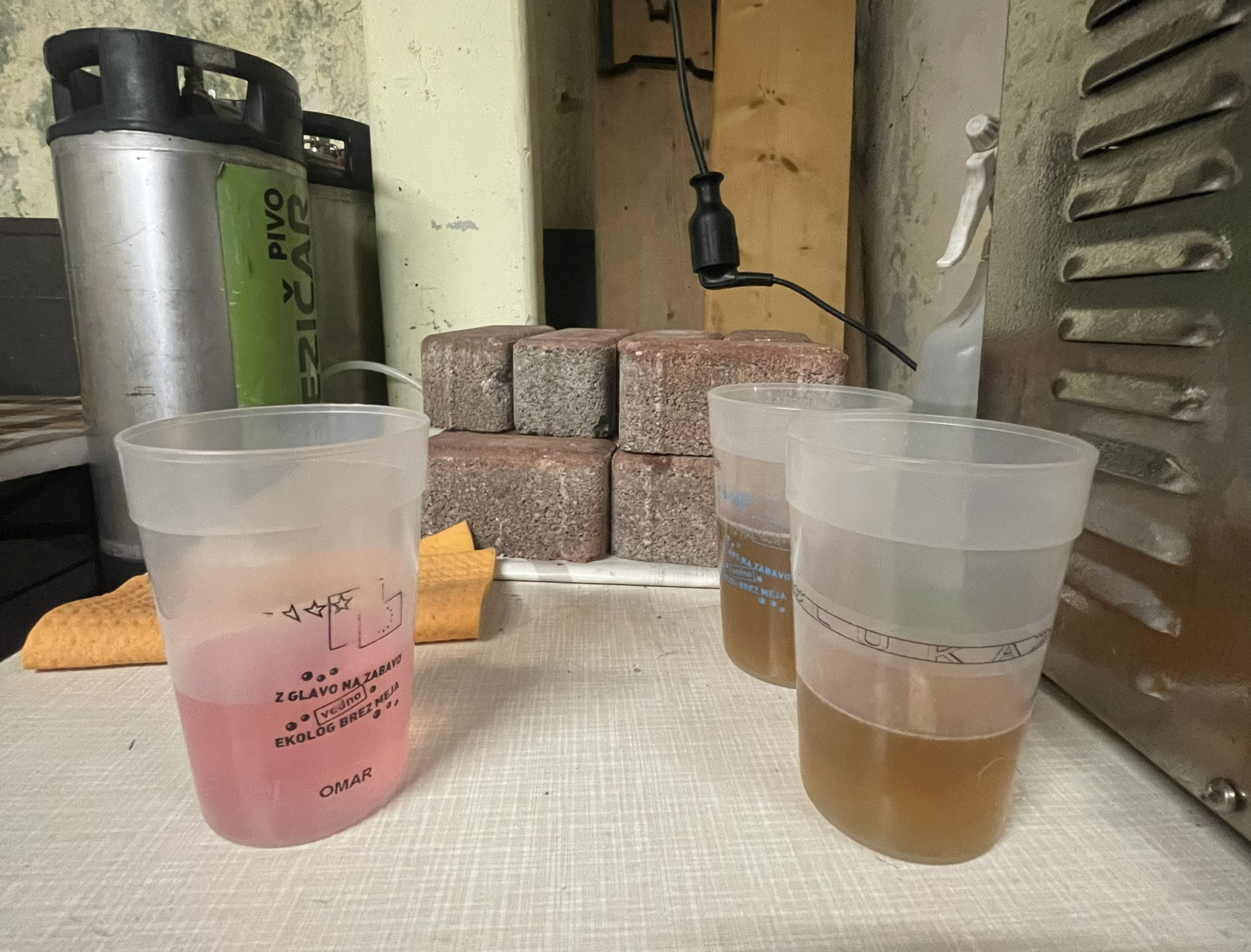
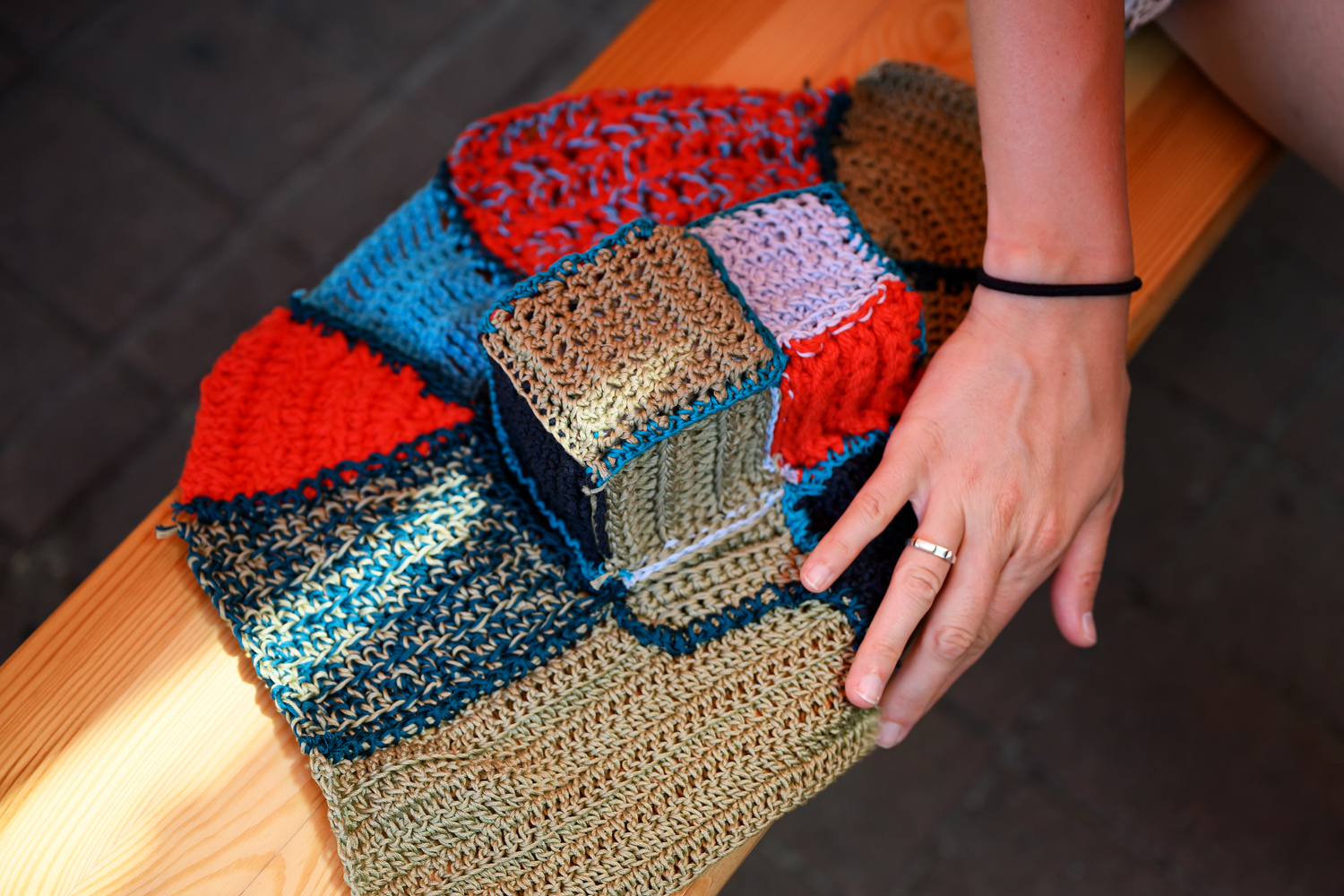
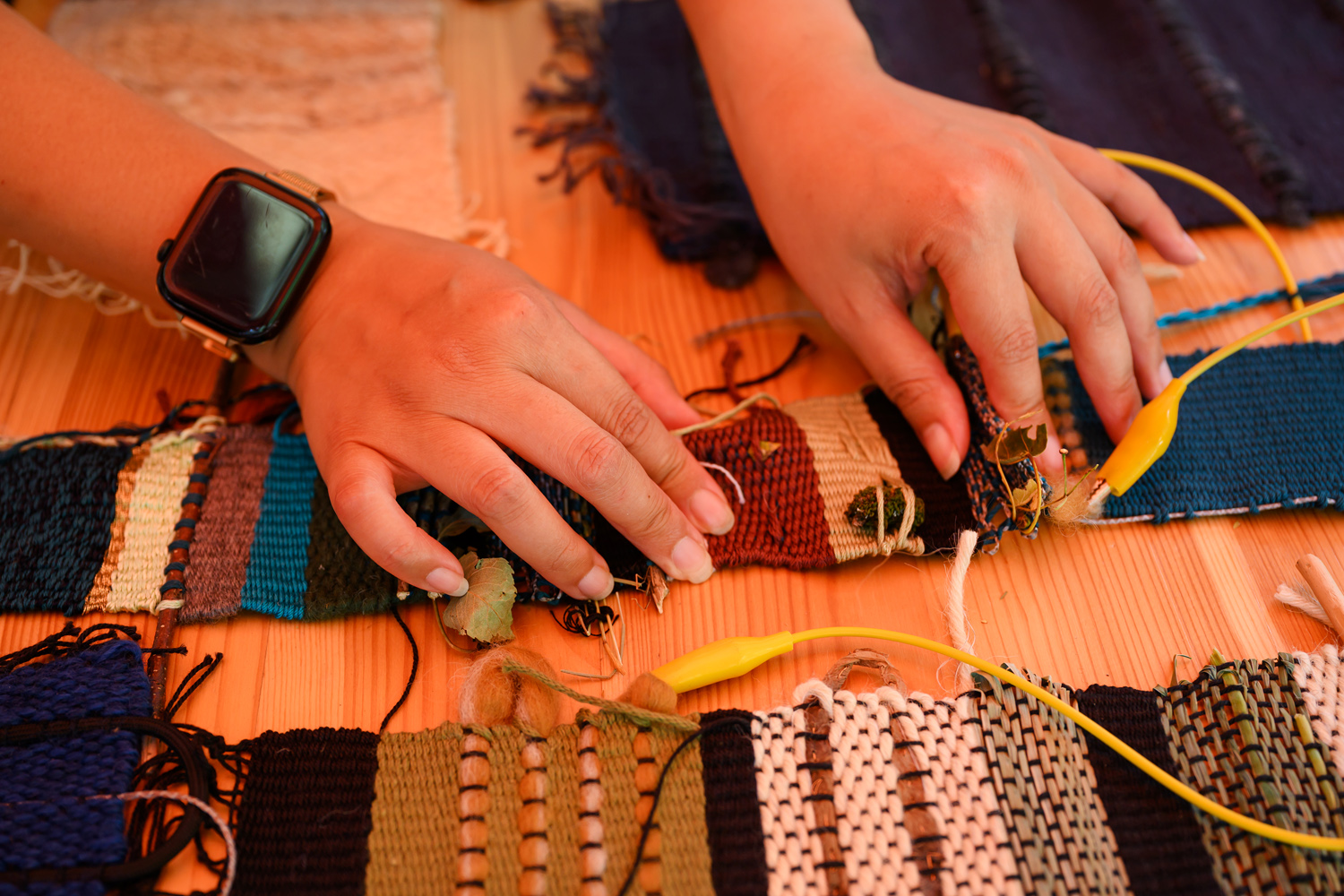
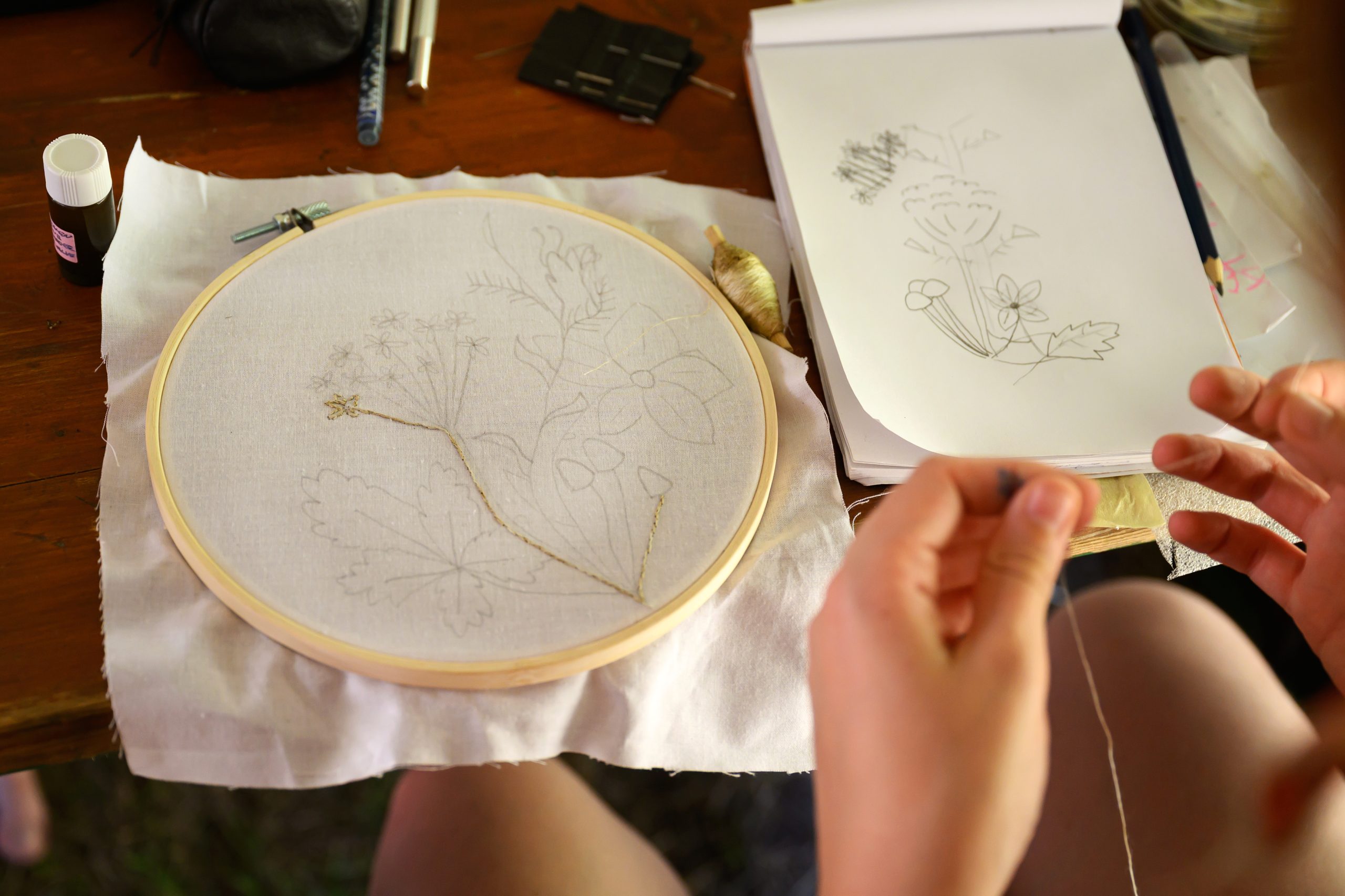
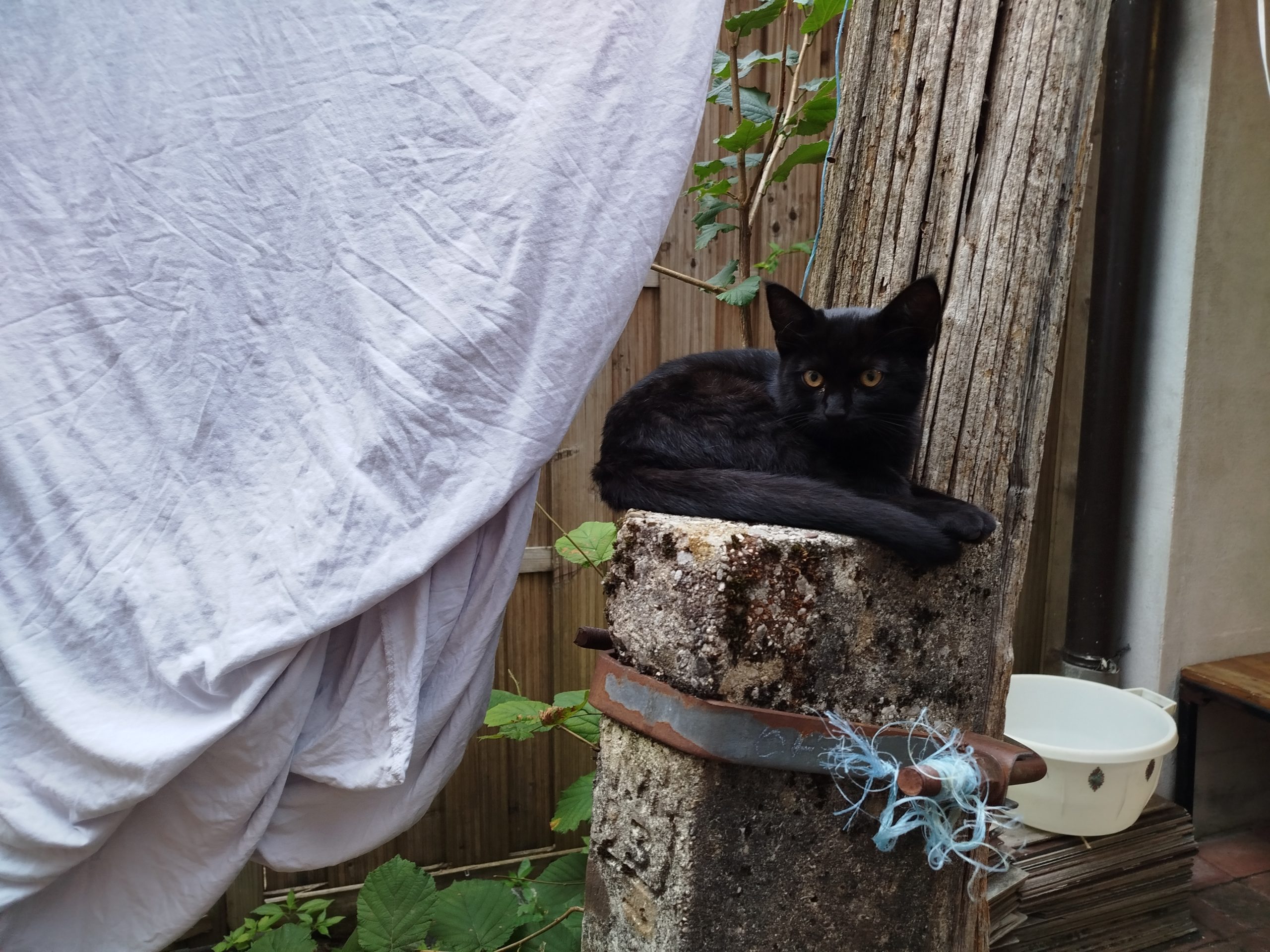
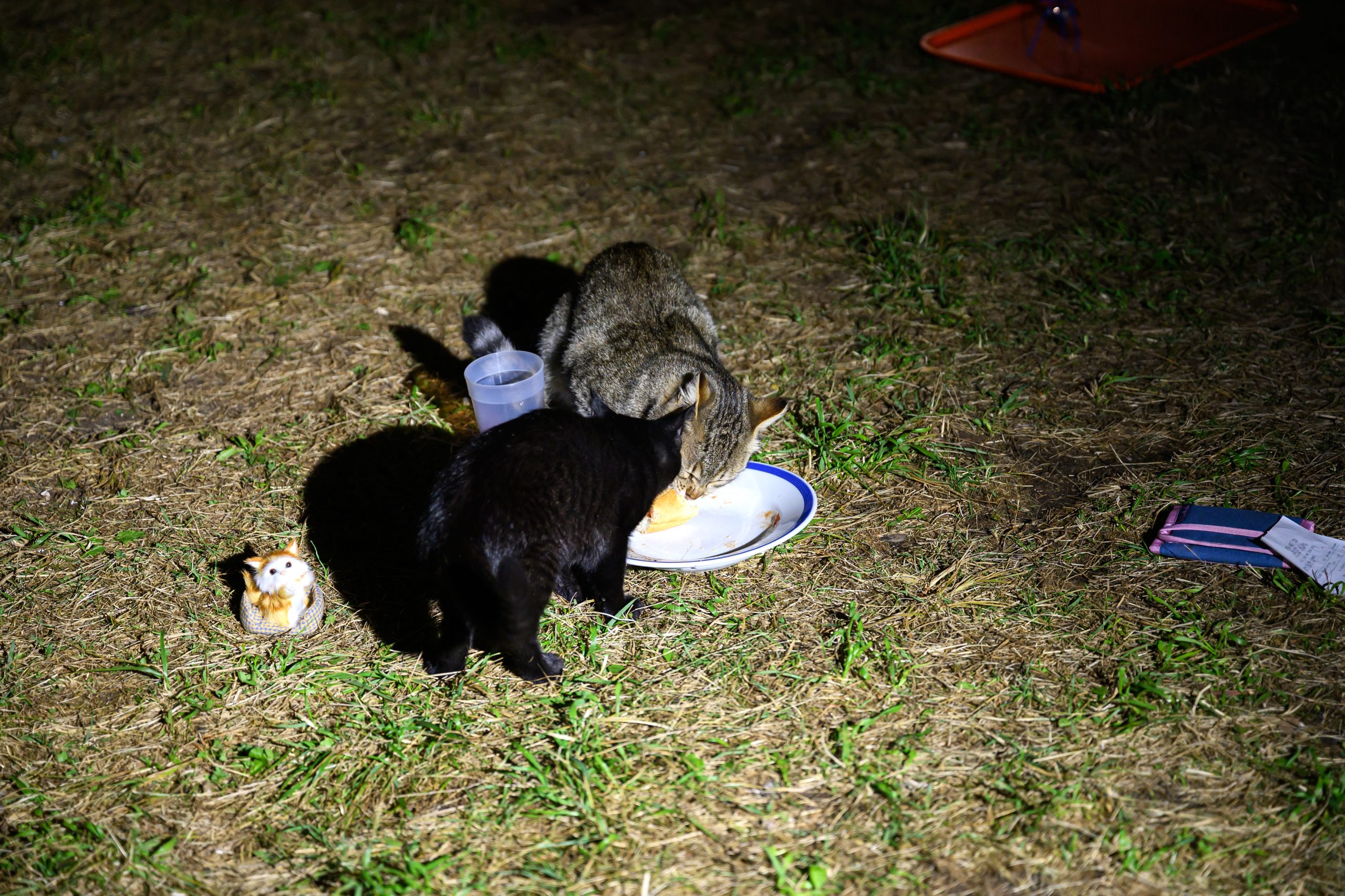
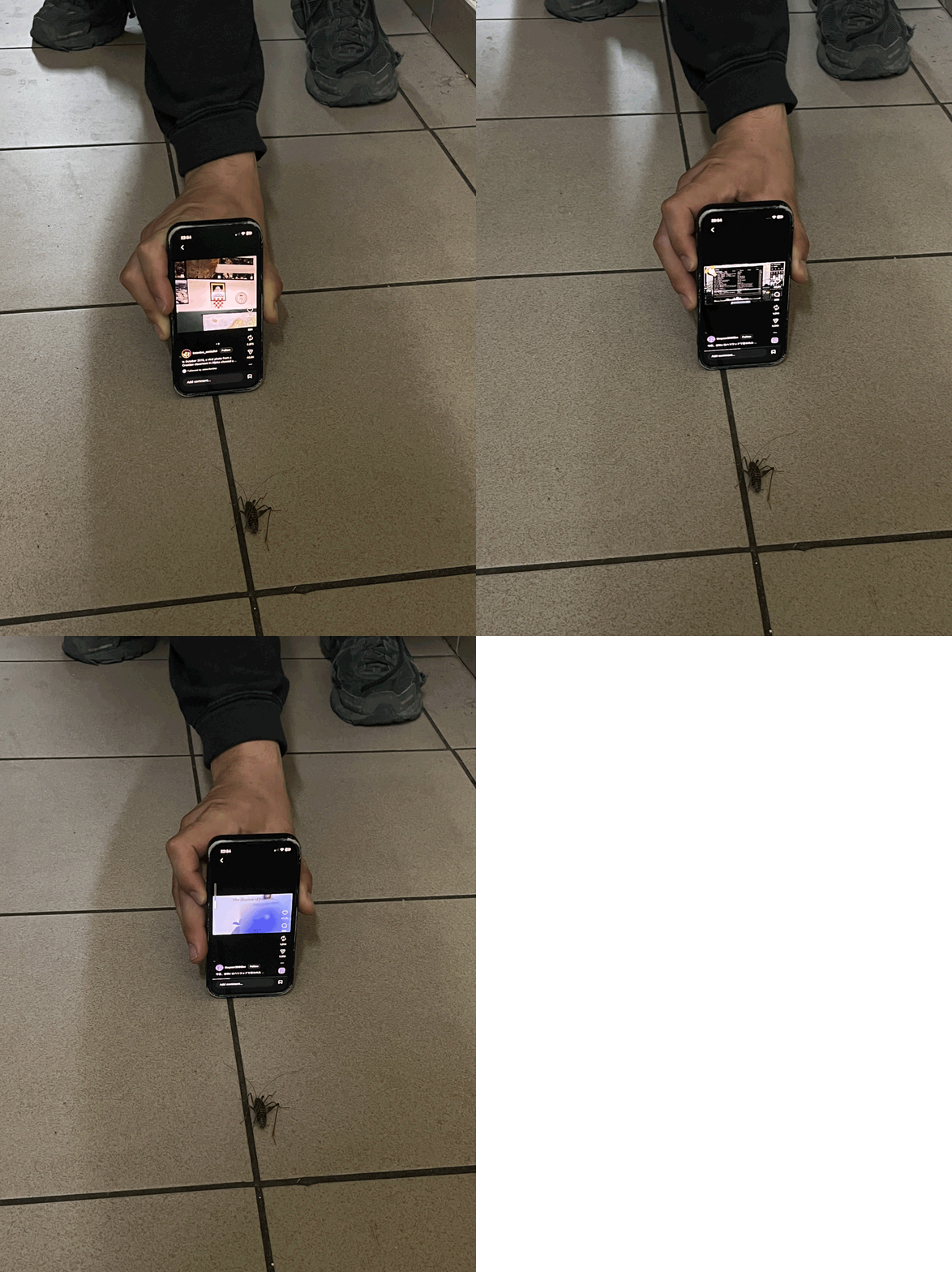
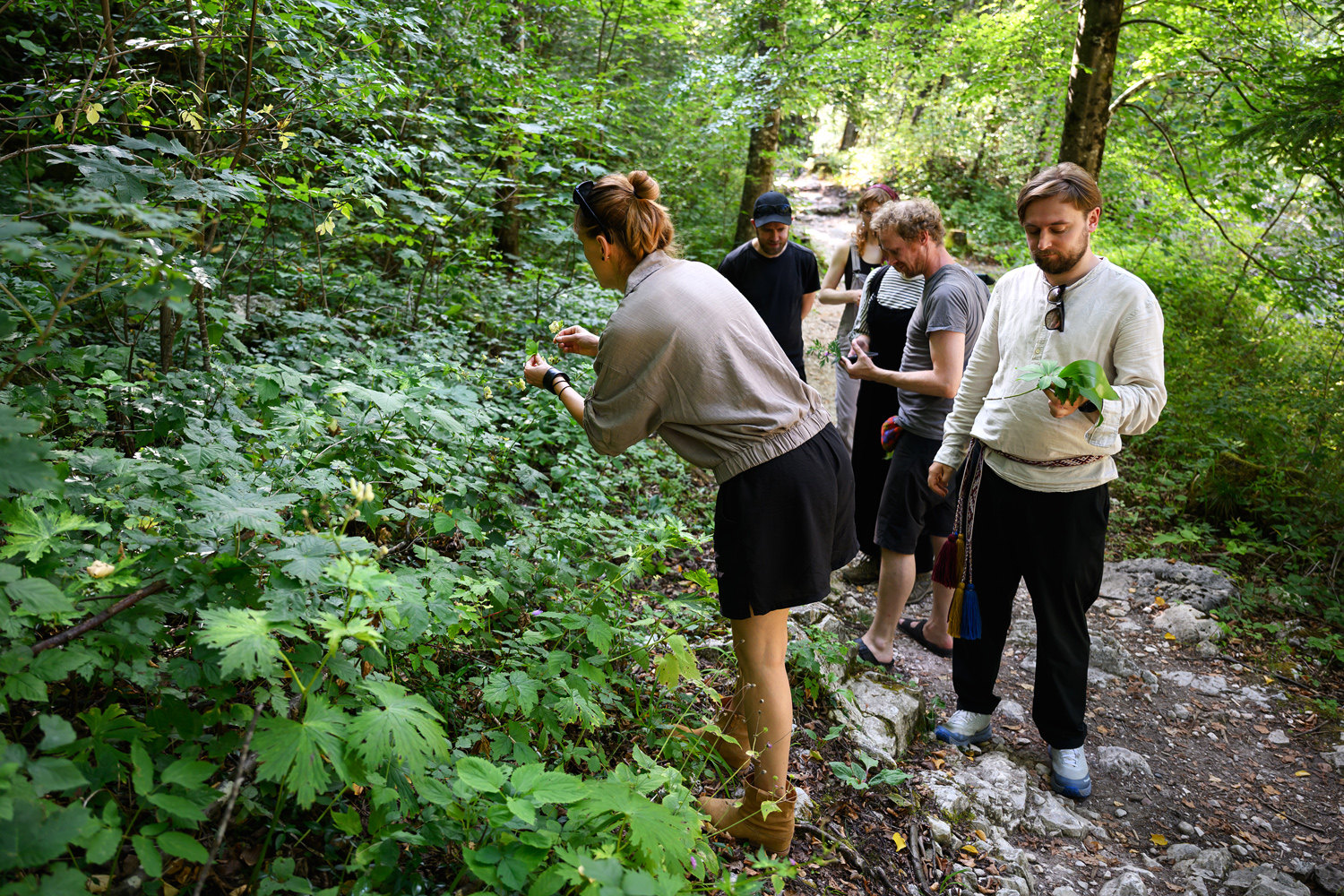
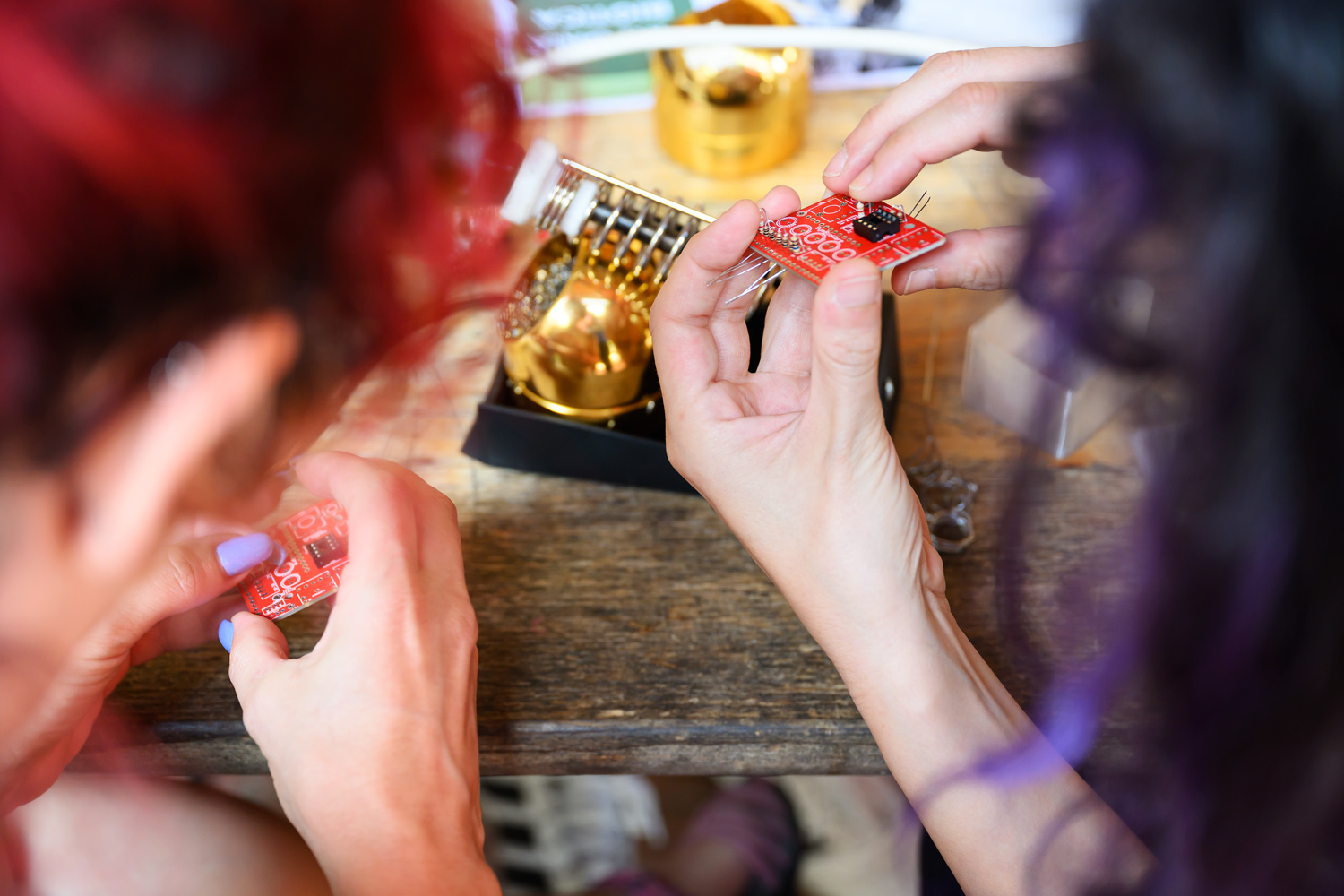
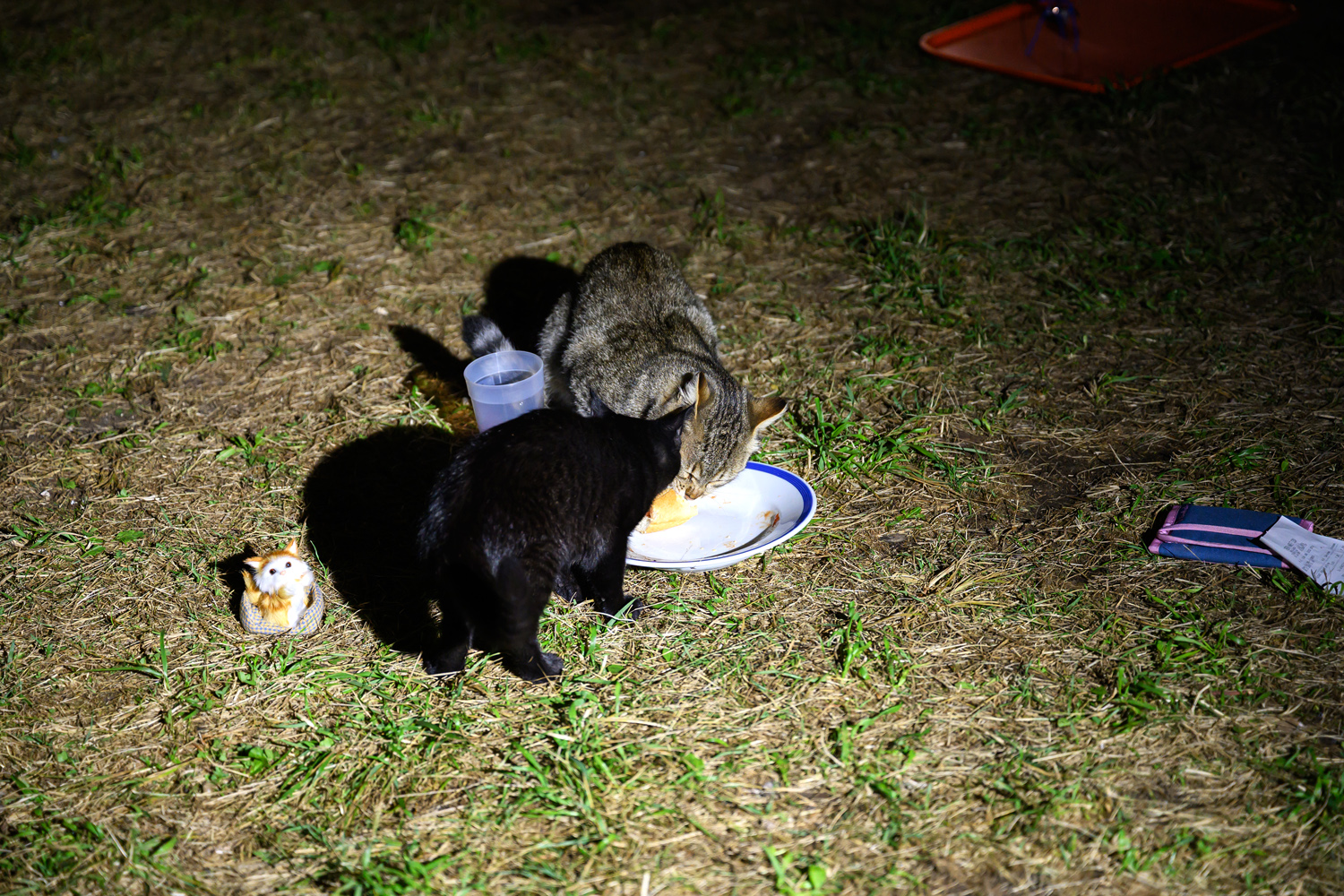
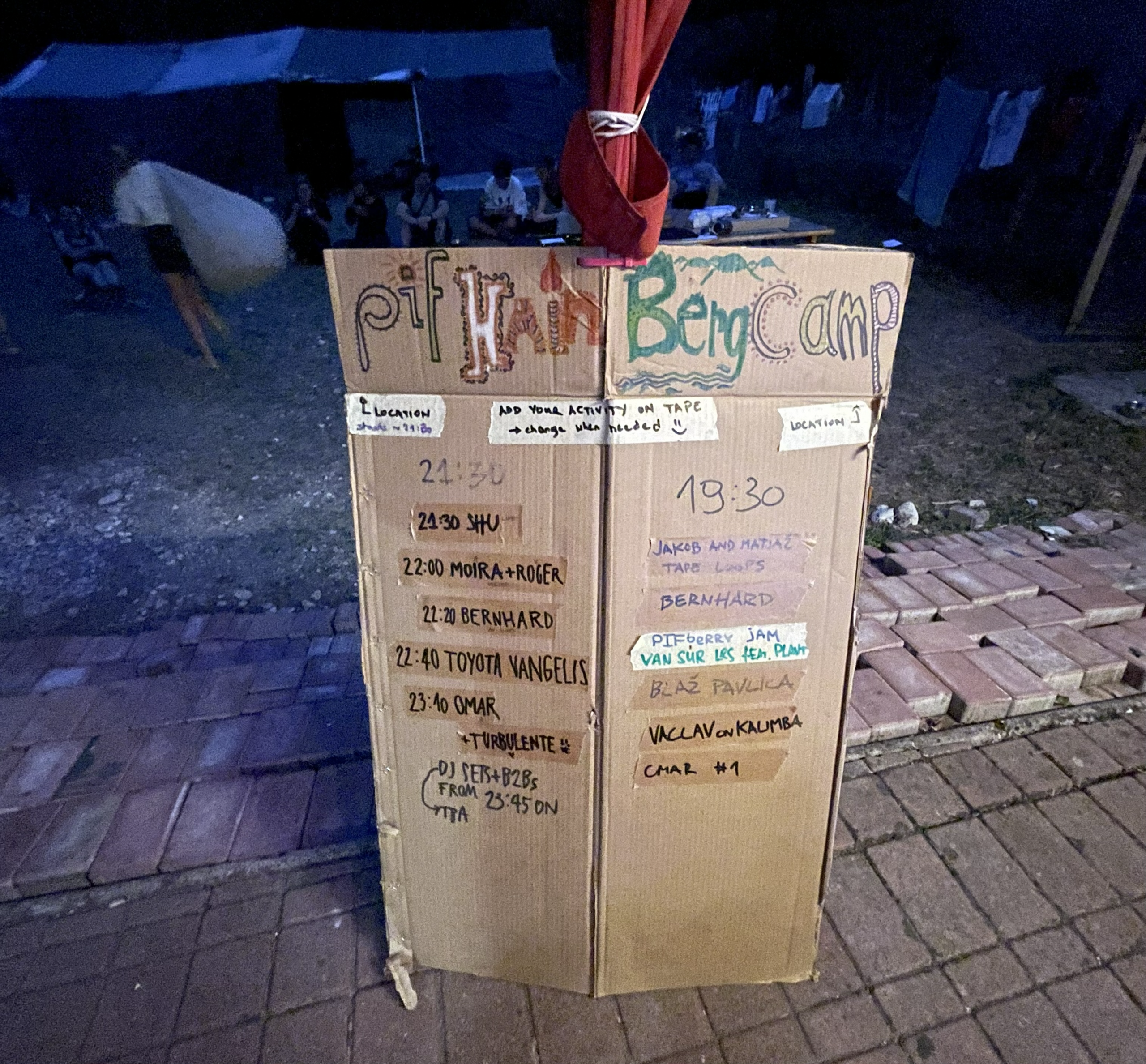
Somewhere along these lines and in one of the chats before a meal, the idea of a PIFmusical emerged. What would a PIFmusical be like? Who would the protagonists be? What would the storyline be? Who would perform it? One thing I knew for sure was that one of the questions would be: which event, artefact, or historical occurrence had become part of PIFlore and should be included in the musical? Soldering sessions. Vodka 2000. Node leaders. Laser ban. Morning raves. Meadow jam sessions. Bagpipes. Dario. Foraging. E-textiles. Fermentations. PIFood. Bugs. Chickens. Bears. Cats. Six seven. Hackers (the movie). έξι εφτά (éxi eftá). PIFpink lemonade. PifHain and BergCamp. These are just some of the PIFpoints that inhabit the story of PIF. Again, time was not on my side.
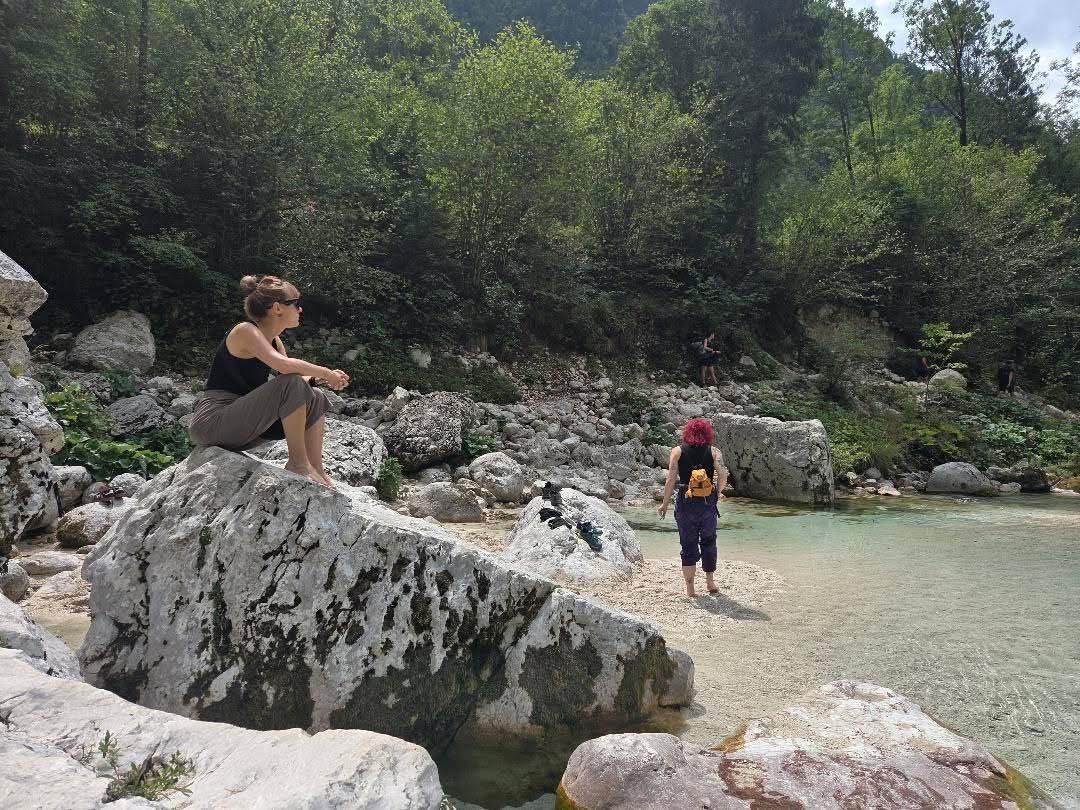
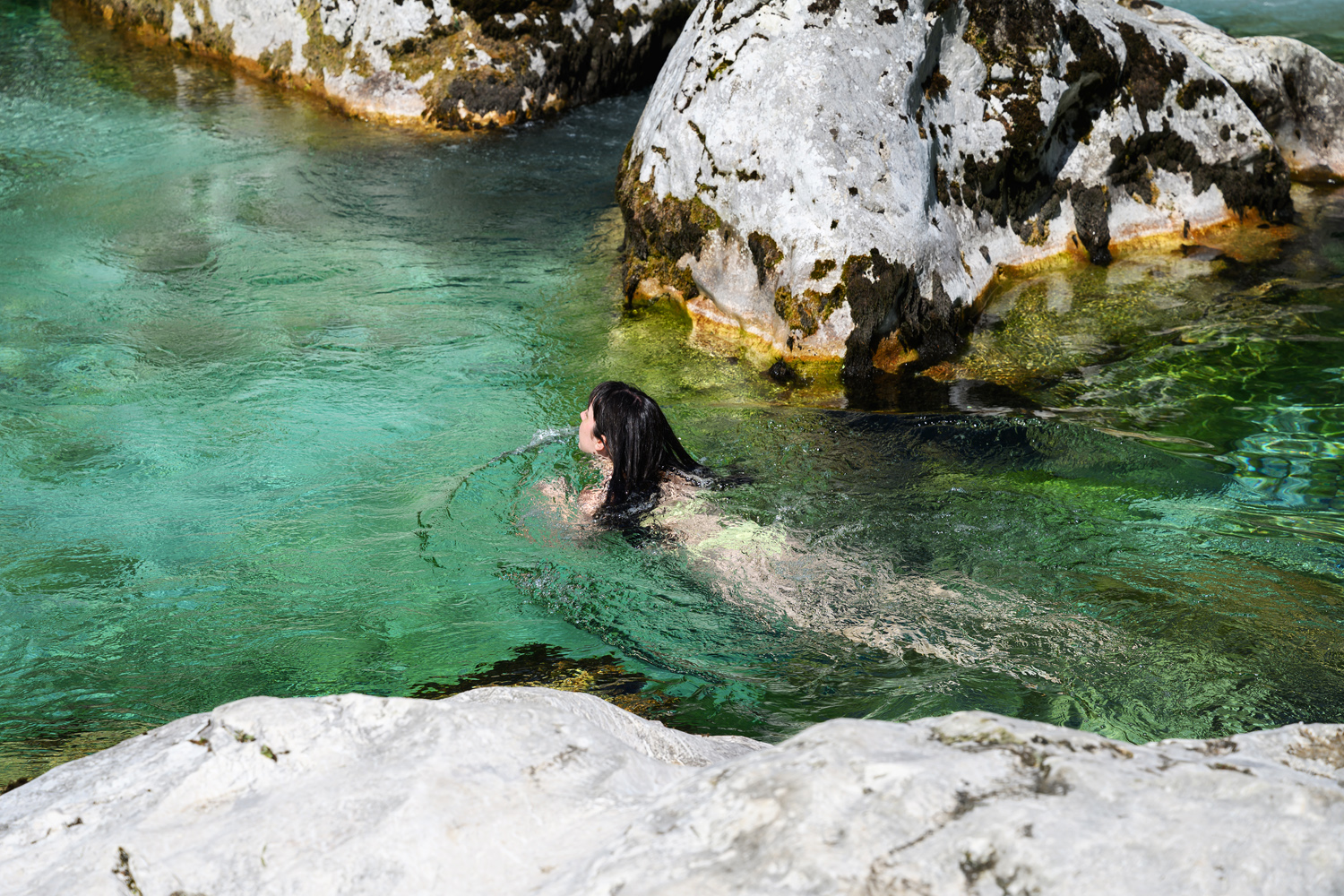
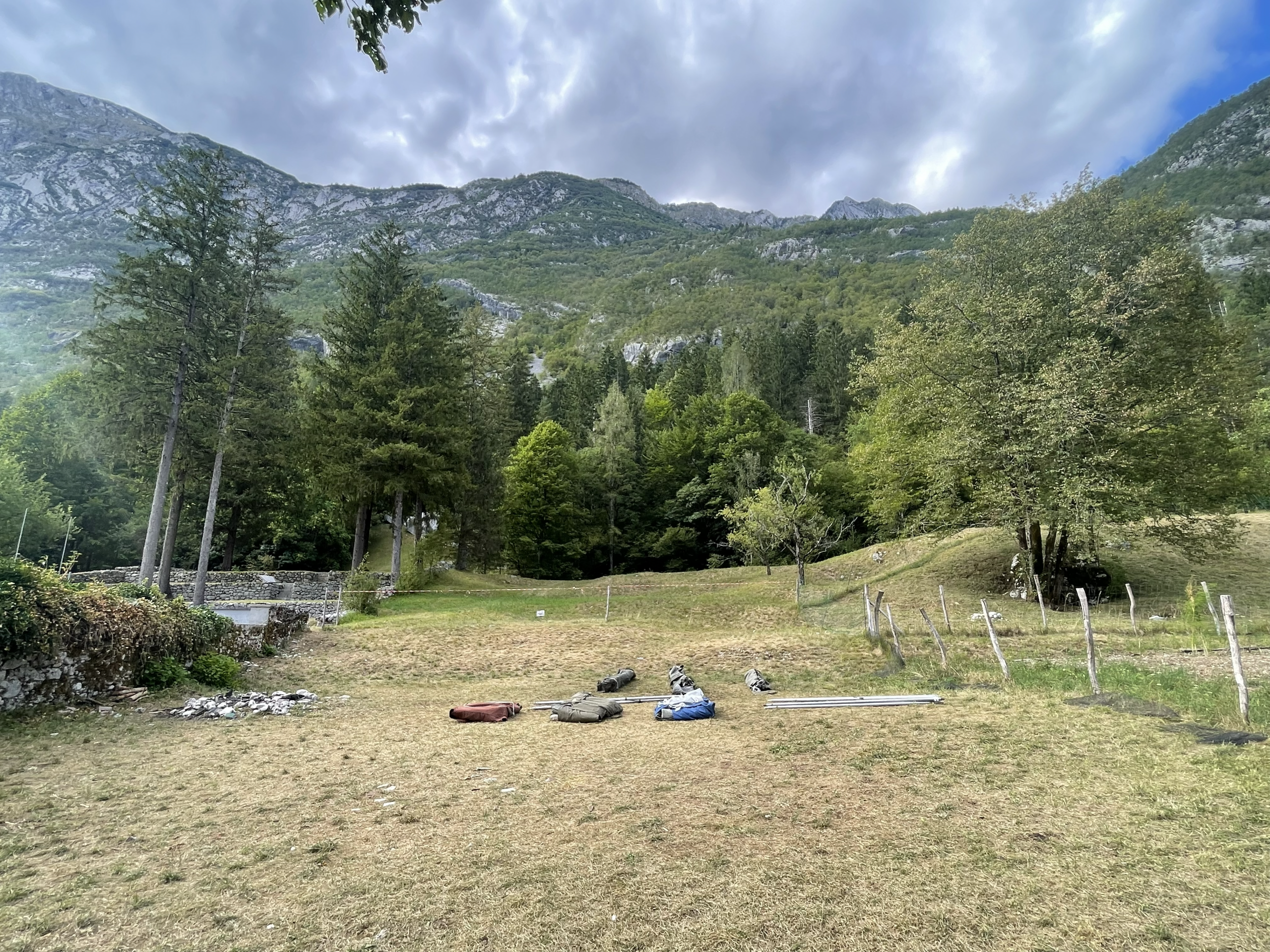
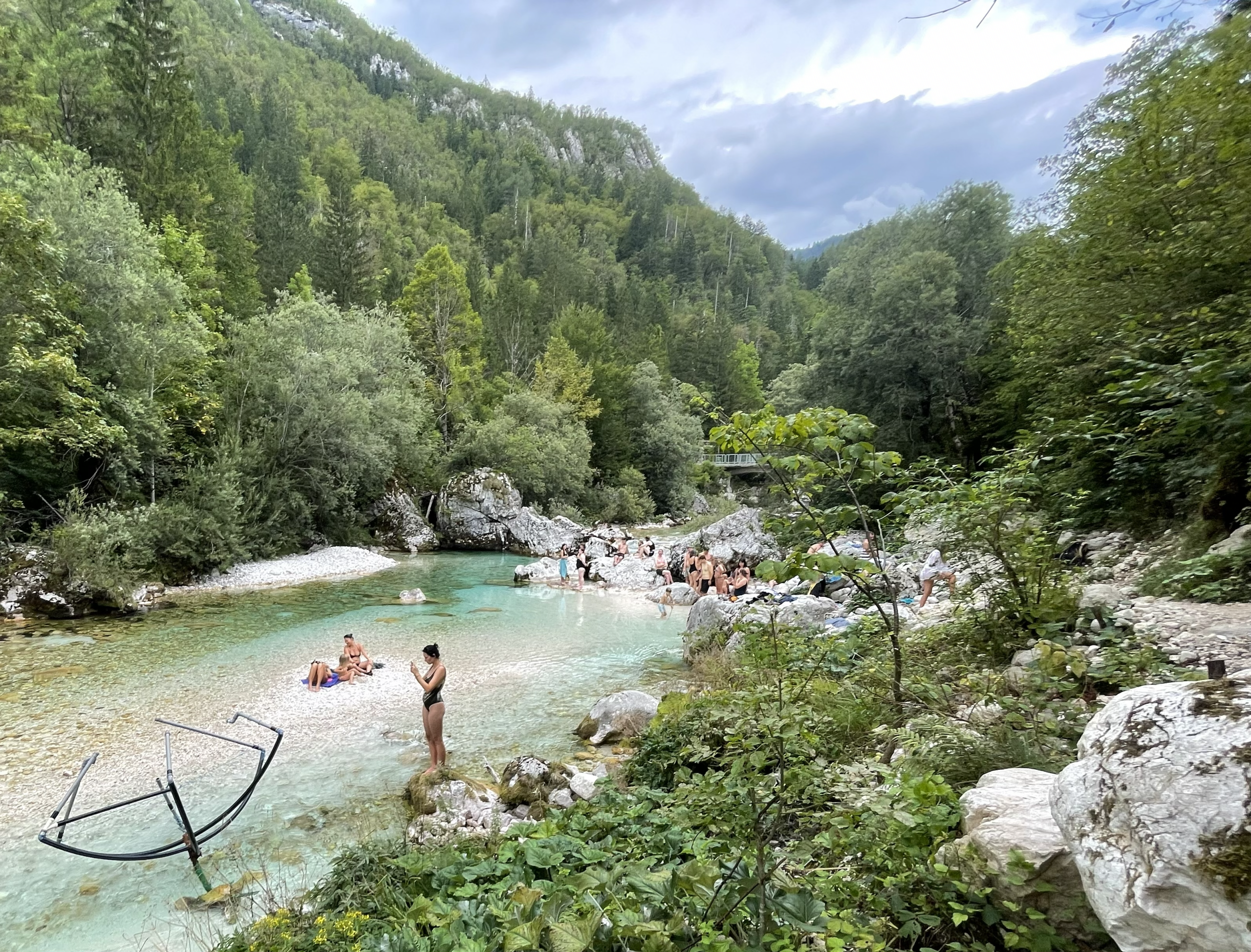
Best to return to my initial question: How do people experience PIFcamp? Not just the participants, but also the organisers, the locals, the people who provide supplies and those who take part in Open Saturday. The cooks. Colleagues who set up the internet and electrical systems. The drivers and technical staff. Next-door neighbours, their families and guests. Indeed, even the ultramarathon runner who was responsible for the beer. Specifically, what is the nature of the experiences of those attending PIFcamp? Is it the transfer of knowledge? The playfulness involved? How are care, complexity and drive reflected here? Is it about completing the project? What is their main concern at the outset? How does it all end? What are the differences between newcomers and veterans/lifers? How do the latter pass on their personal knowledge and their knowledge about PIFcamp itself, as well as how to participate in and lead activities? Our fellow first-timers have already shared glimpses of their own experiences in previous blog posts, and it is refreshing to read about PIF through their senses and thoughts — where feelings of inadequacy and comparison disappear into collective exploration and making within the natural habitat of the Soča valley. They remind us of the initial wonder and excitement we all once experienced.
I have briefly mentioned some of the concepts, names, narratives and events that have been part of this year’s and previous PIFcamps, along with my reflections on them. However, no single blog post can do justice to what was happening or go deeper into the specific contexts of how to think PIF from and within. This blog post is therefore the first step towards another experiment: how to think and live with PIF throughout the year. This involves thinking about and through the subject, engaging with the material and writing about it regularly. Thus, it is my intention and commitment — to both myself and the topic — that I will publish a fresh blog entry every two months until the following year’s PIFcamp. What these blog posts will be is not yet known. They will be the result of living with the material I have gathered, the ideas of others that I am reading and thinking through, and my own memories that are sparked by it. And they will surely add context and detail to what appears here only in scattered, partial form. Finally, throughout this whole process I am looking forward to being guided by the interactions with people who are part of this extended community of thinkers, tinkerers, and inhabitants of what I consider to be the planetary dumpling. It is like being at PIFcamp. But with more time. Or is it?
Text and images by PIFethnologist Dumpling.