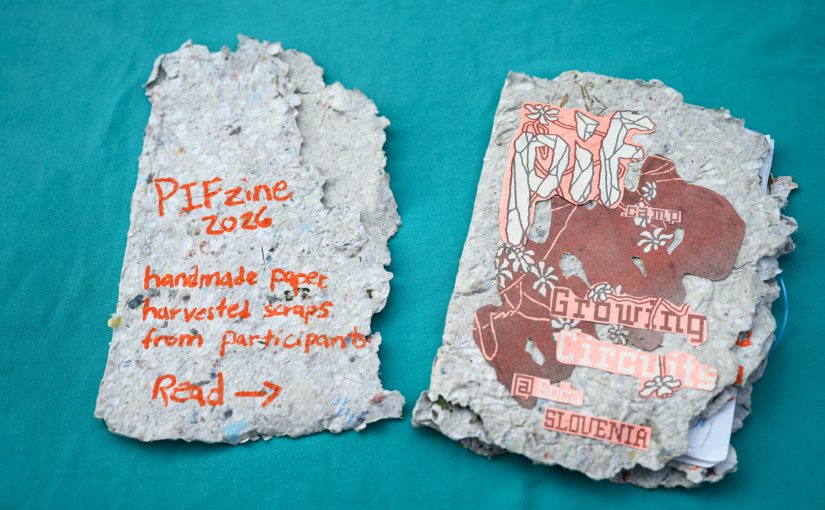
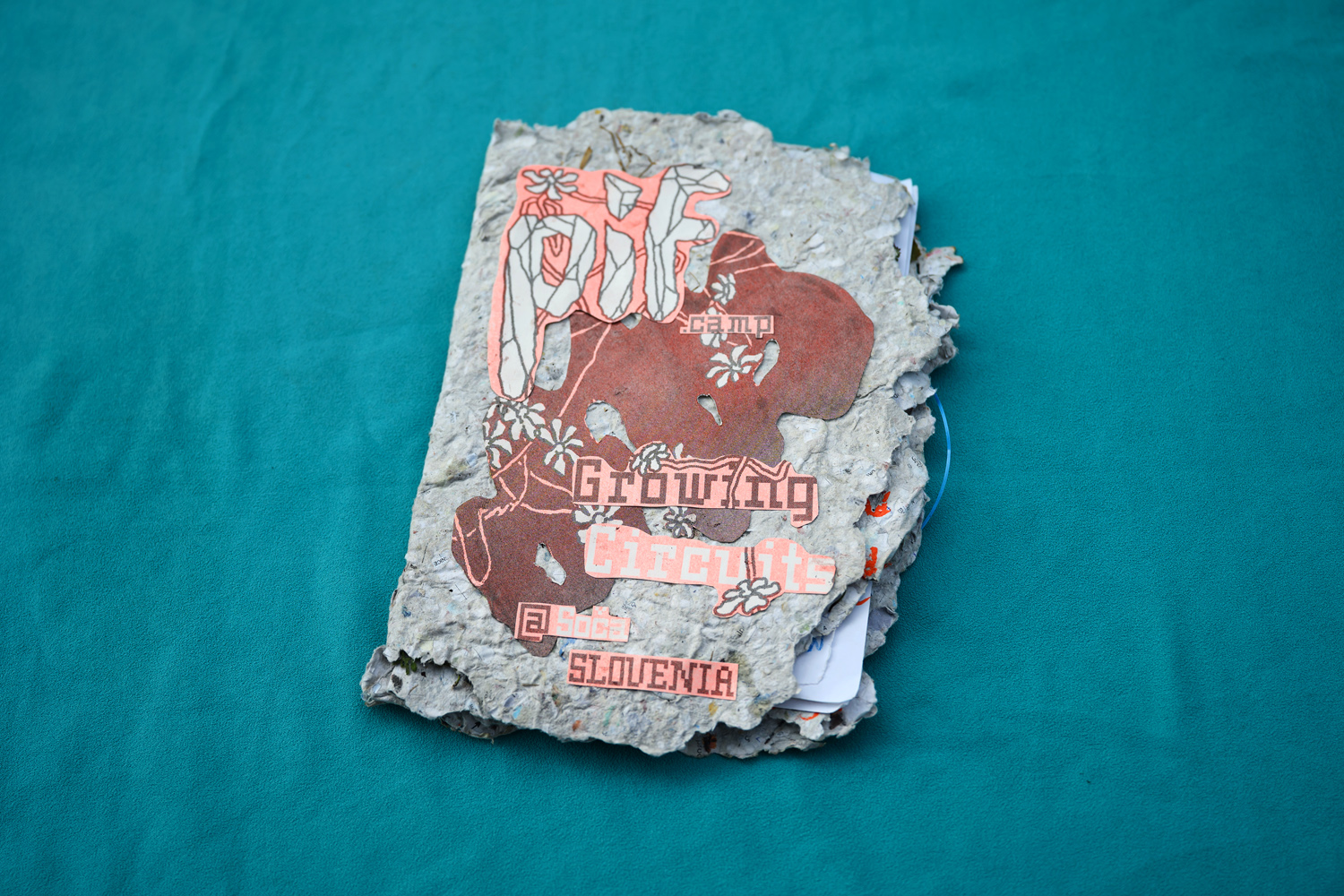
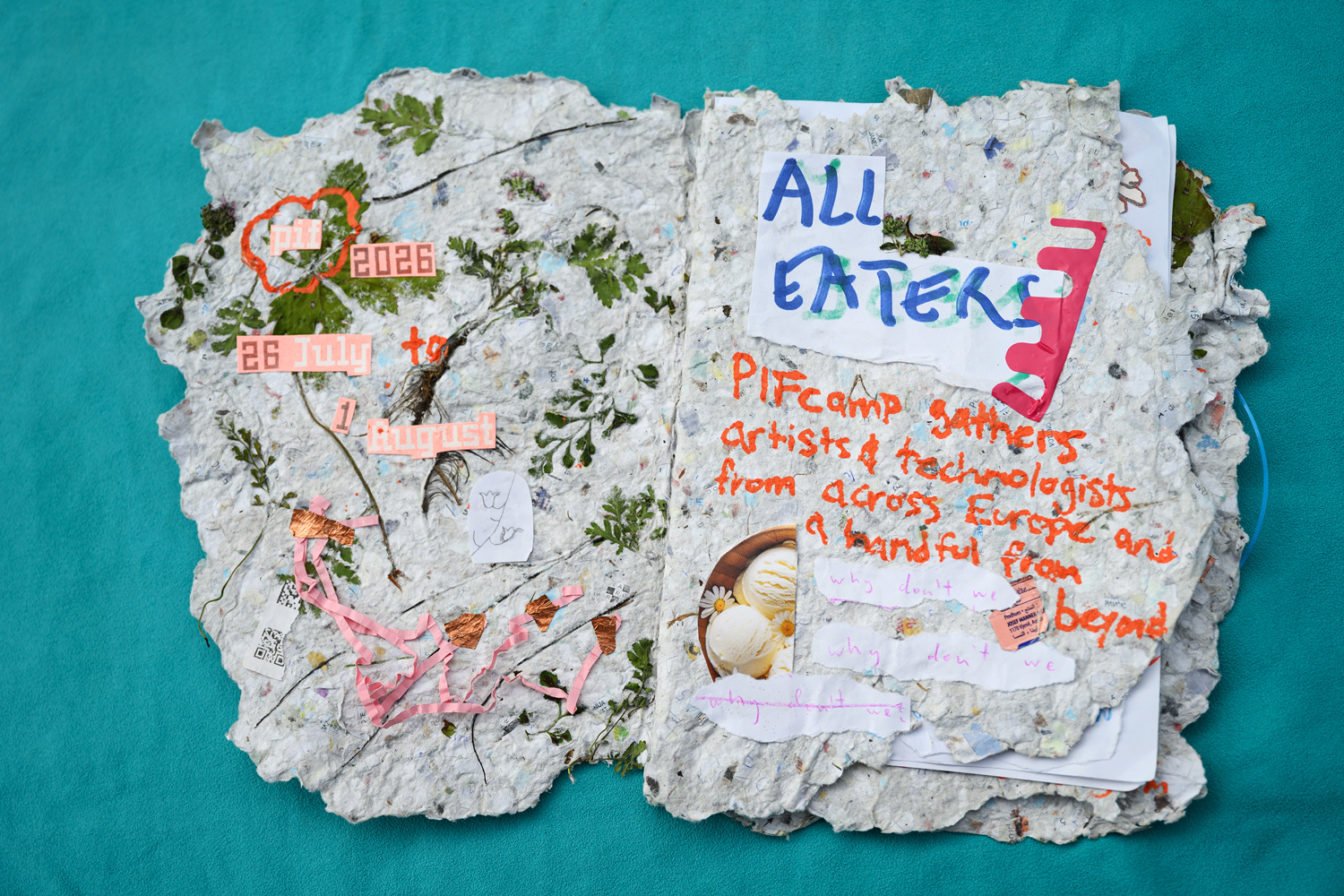
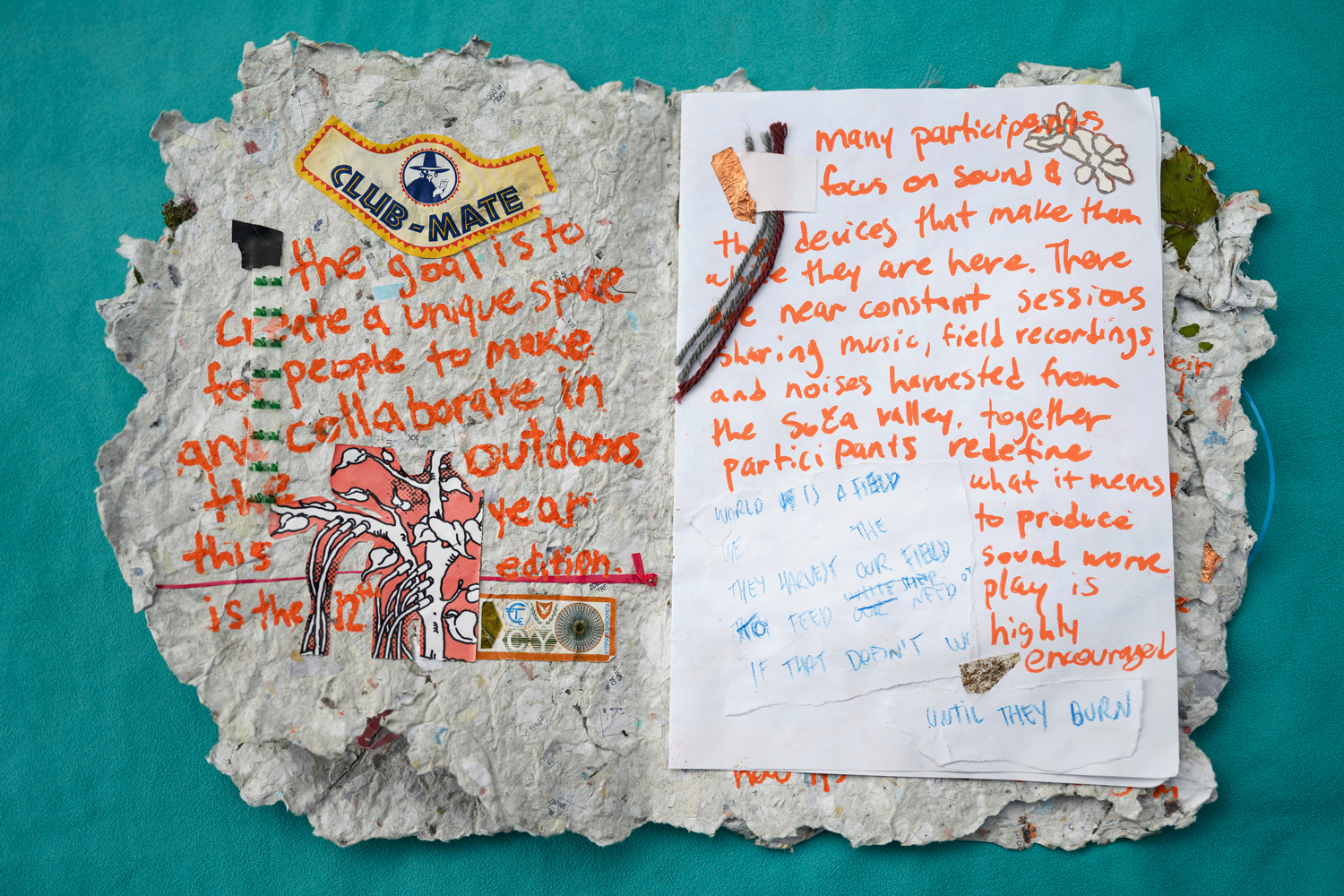
You can download it here: https://archive.org/details/pifzine-2026
Project by Sid Drmay.
Photos by Katja Goljat.
You can download it here: https://archive.org/details/pifzine-2026
Project by Sid Drmay.
Photos by Katja Goljat.
While attending the TTT conference at Kino Šiška in Ljubljana in September 2025, I got the feeling that there is something home-like about Slovenia, and I would love to return and explore the country further. Aside from everything else, Slovenia has always been an incubator for new media and hybrid art. So, there must be something in the water—or the air—that causes it. :)
To find out for myself, I contacted Projekt Atol to ask if they would host me for my ongoing project, Self Defense. Then Uroš suggested that the PIFcamp could be an ideal setting for it. I had heard about the camp before, but I had never really paid much attention to it. I went through the blog and all the previous editions to learn more about the character of the endeavor. It was a risky move. On the one hand, I could really understand what had been going on there so far. On the other hand, I somehow became insecure and a bit scared.
I work in biotechnology and biological research, but my biggest shame is that I don’t code, and I struggle to build even simple electronics. So, I thought I would fit in there like a shit in the forest. I imagined people would find it super strange that I was asking them to work with toxic plants and embroidery.
Another little worry I had was about being in a fairly large group of people all the time, even sleeping in the same room. I am an introvert and a loner, and I need moments of solitude every day.
All my doubts turned out to be exaggerated. I never felt like I didn’t belong. There was space for everyone and every kind of activity. It was quite funny to see my little plant lab surrounded by soldering stations and cables. In the end, we were all working with circuits.
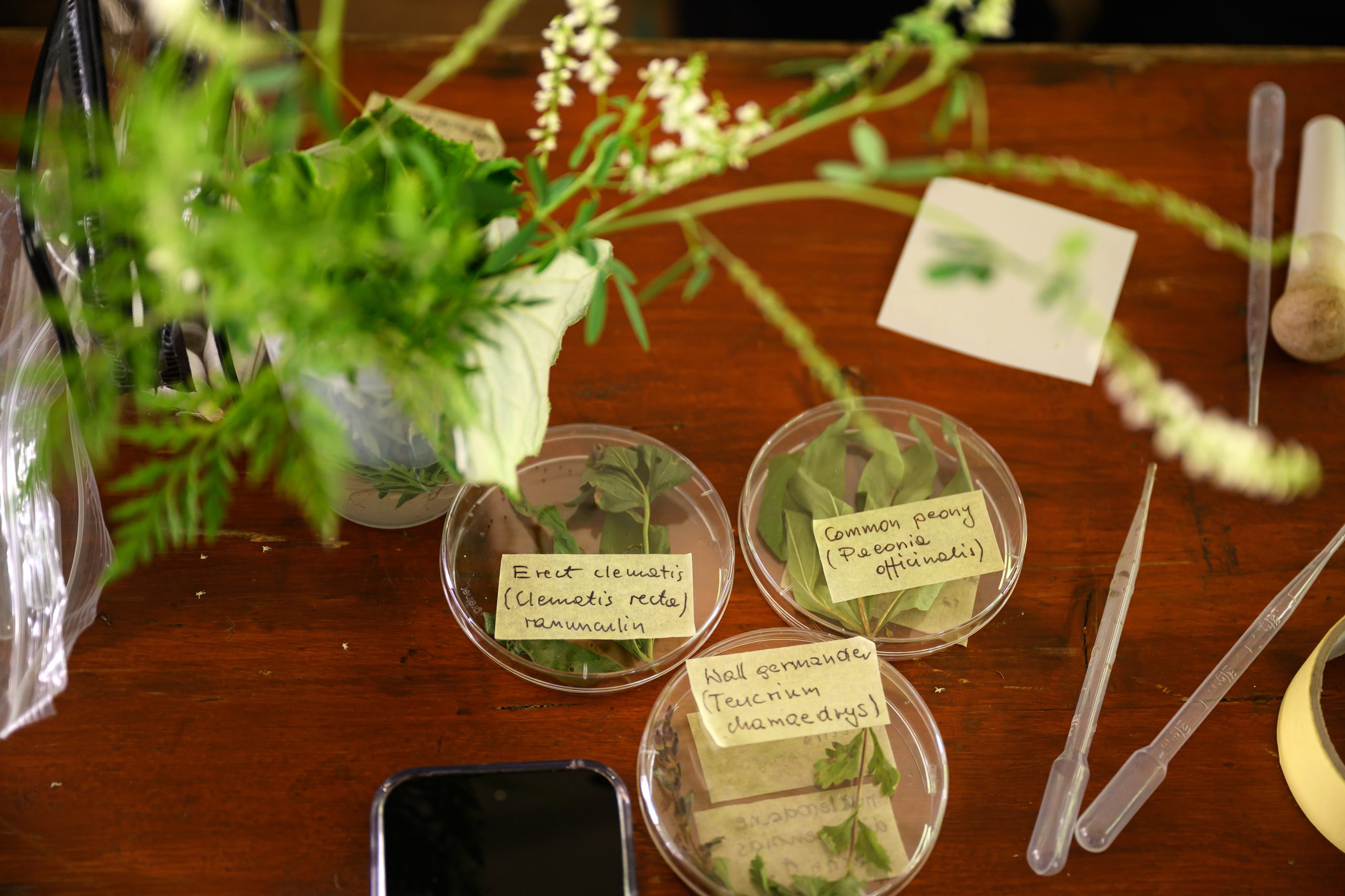
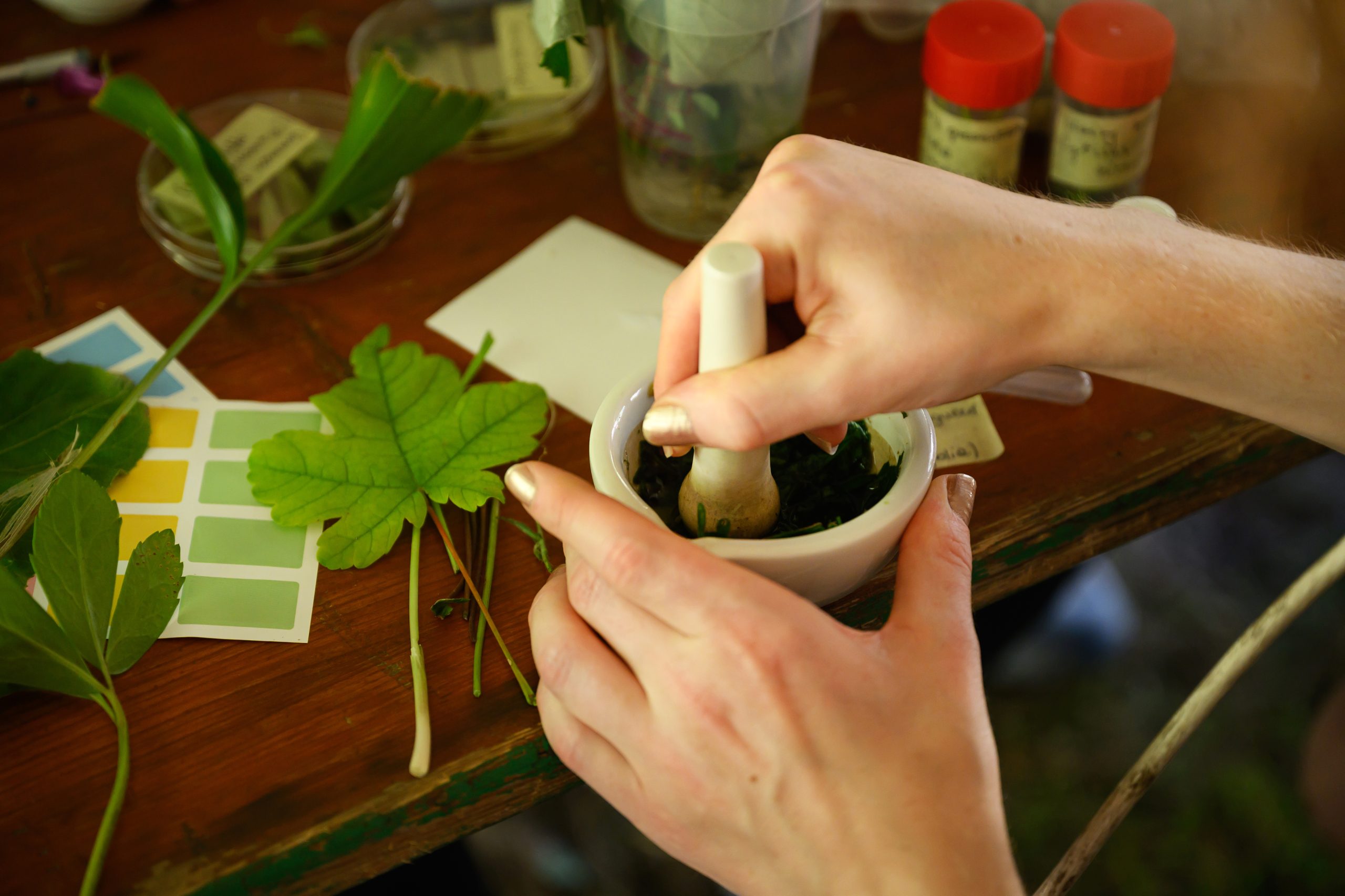
Photos: Katja Goljat
When it came to socializing, it went unexpectedly well for me. I really enjoyed being able to focus on my work while knowing that everyone around me was equally immersed in theirs. We could talk or help each other, but we could also sit quietly next to one another. The Soča River offered a perfect retreat whenever a bit more physical distance was needed.
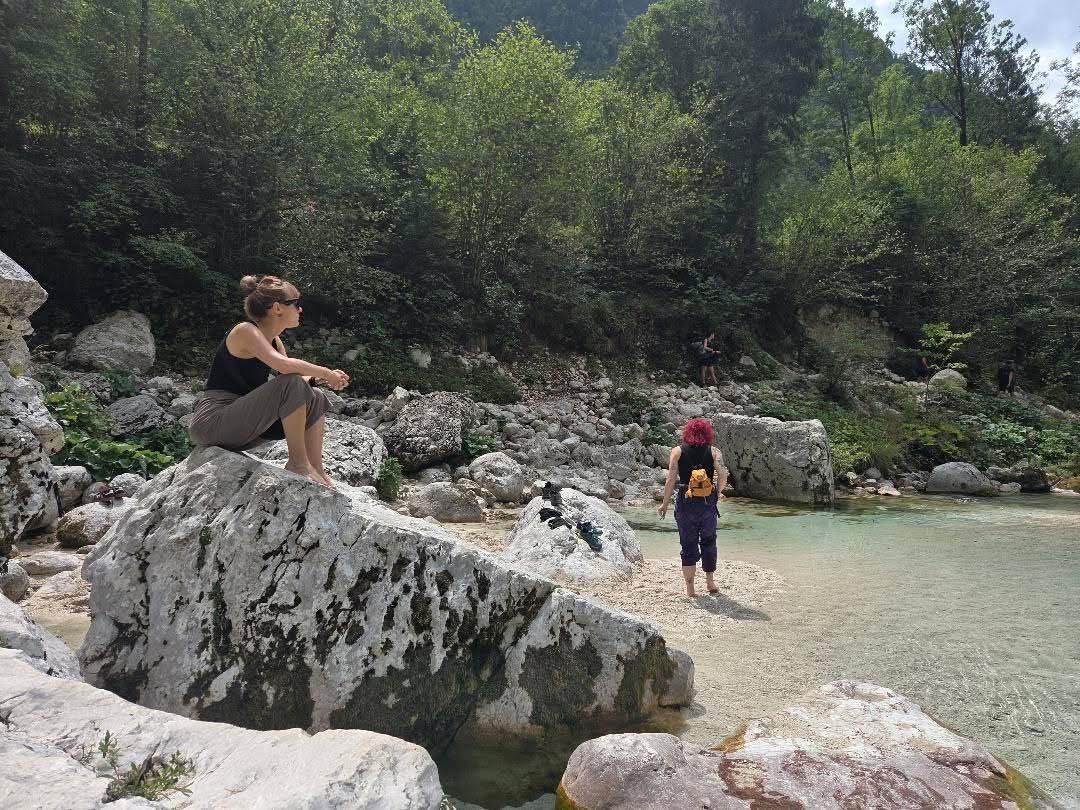
Photo: Nastja Ambrozic
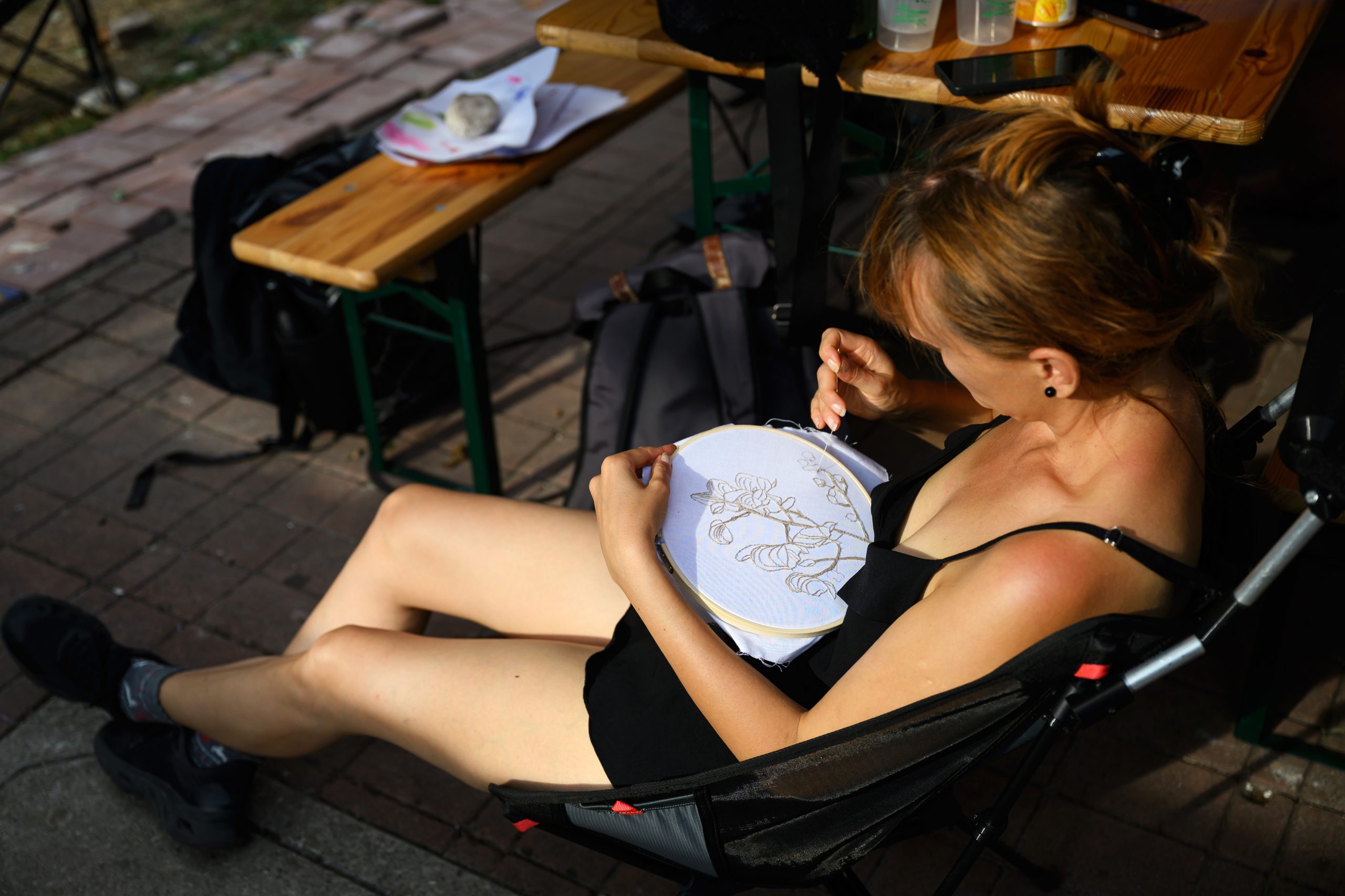
Photo: Katja Goljat
The camp was the first situation in my life where I truly let go of the constant pressure to produce and to produce the best. I went hiking instead of working, which is completely unlike me. I also wasn’t stressed about nobody choosing my workshop, about not being able to attend all the activities others organized, or about anyone feeling offended because of it.
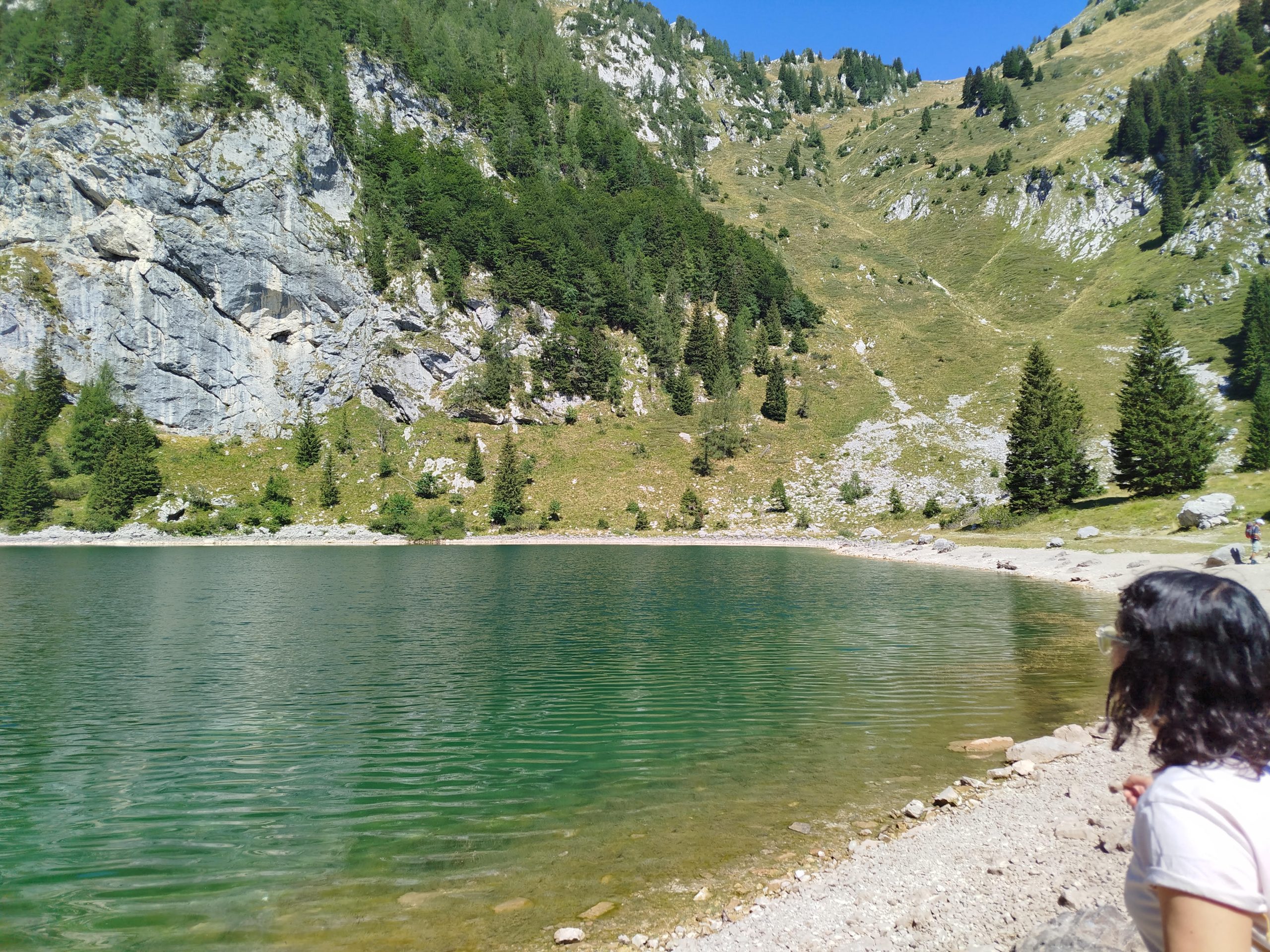
Photos: Karolina Żyniewicz
The Soča Valley has its own microclimate, but the PIFcamp embraces it to create a distinct social climate. It was a wild yet safe environment. I found it especially meaningful that, in one-on-one conversations, we openly shared our insecurities and supported one another.
Getting back to my workshop, people came, participated, and did an amazing job. We realized that embroidery is actually not that far from soldering. :) It was wonderful to see the guys doing embroidery for the first time and becoming so engaged that they kept working on their pieces in the evenings. Apparently, this year’s edition was full of textiles. Dasha ran a crochet workshop, and Zoe led one on weaving. It brought an interesting new dimension to the camp’s dynamics.
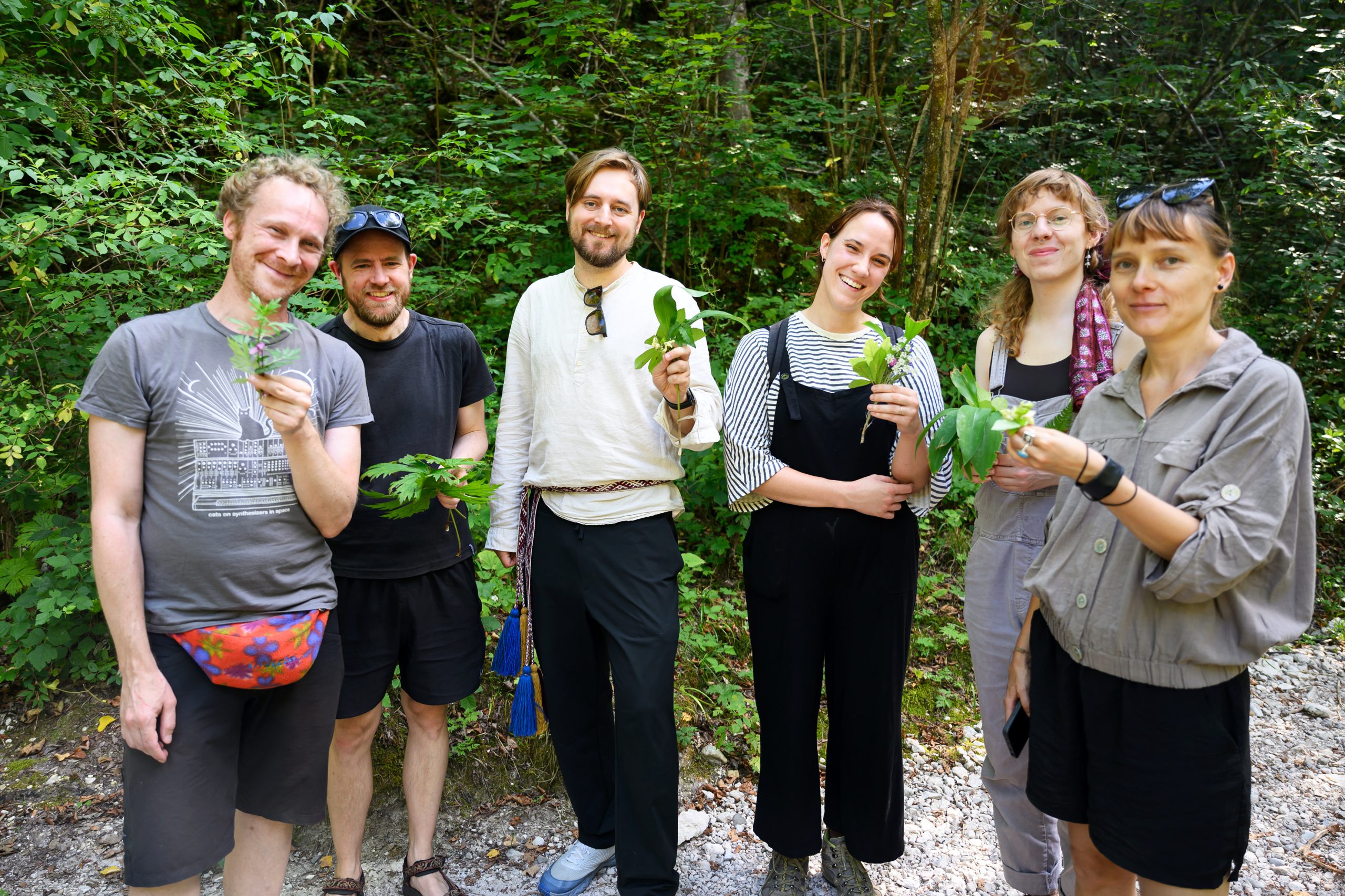
Photo: Katja Goljat
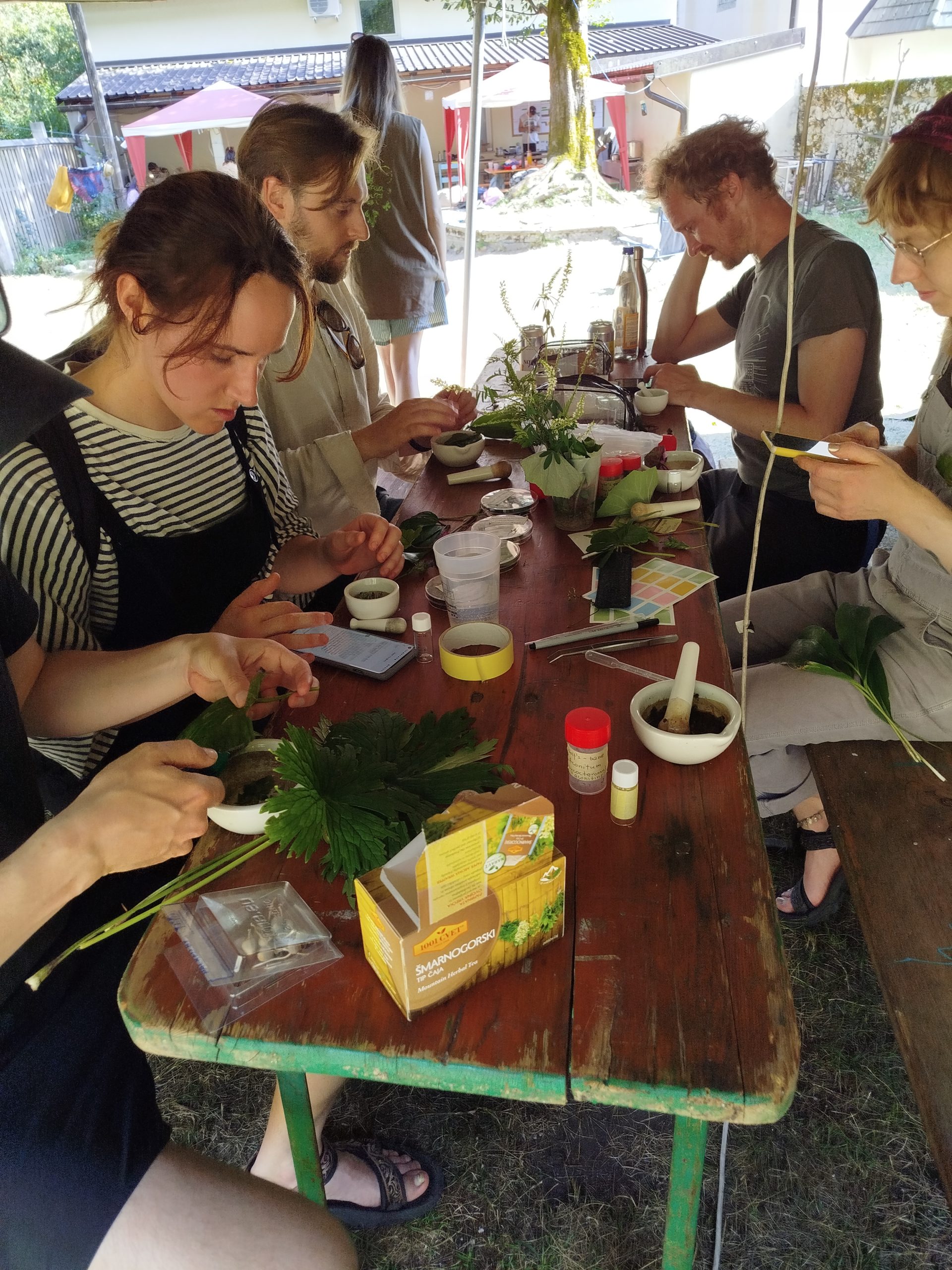
Photo: Karolina Żyniewicz
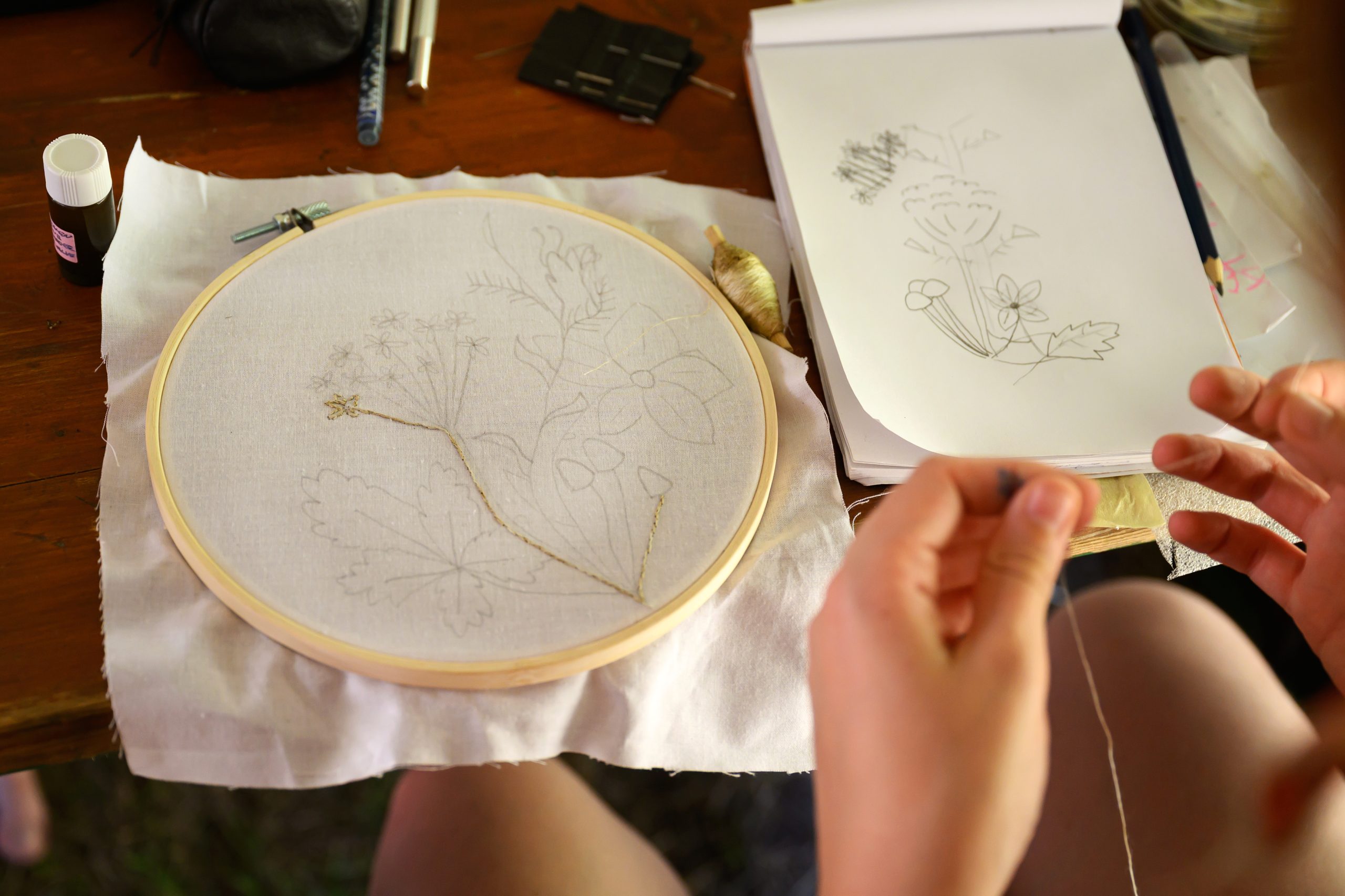
Photo: Katja Goljat
An essential part of the camp for me was the presence of the non-human campers. We became an easy target for wasps, so we tried to find the best ways to keep them away. I must confess that I had a small ethical dilemma when I saw the wasp traps and the insects fighting for their lives. Well, what could we do? Getting stung moves posthumanism a little further down the hierarchy of values. :)
There were also two young cats, one of them completely black. I don’t even have to mention that everyone wanted to cuddle with it. We also had adventurous chickens wandering around. And finally, there was Txupilka del Diablo, who completely stole everyone’s heart, and we all competed for her attention. :) She is definitely my big camp crush. :)
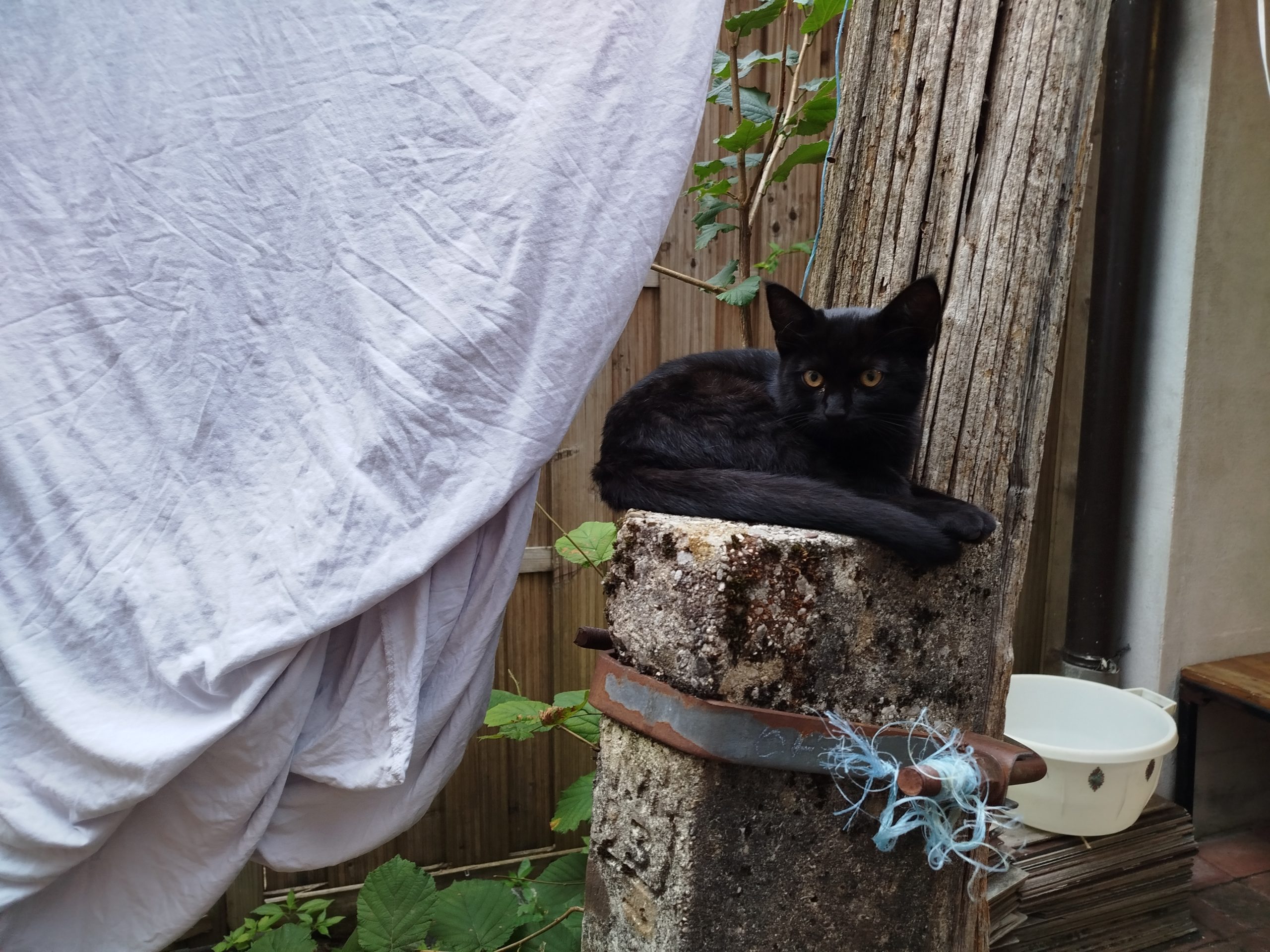
Photo: Karolina Żyniewicz
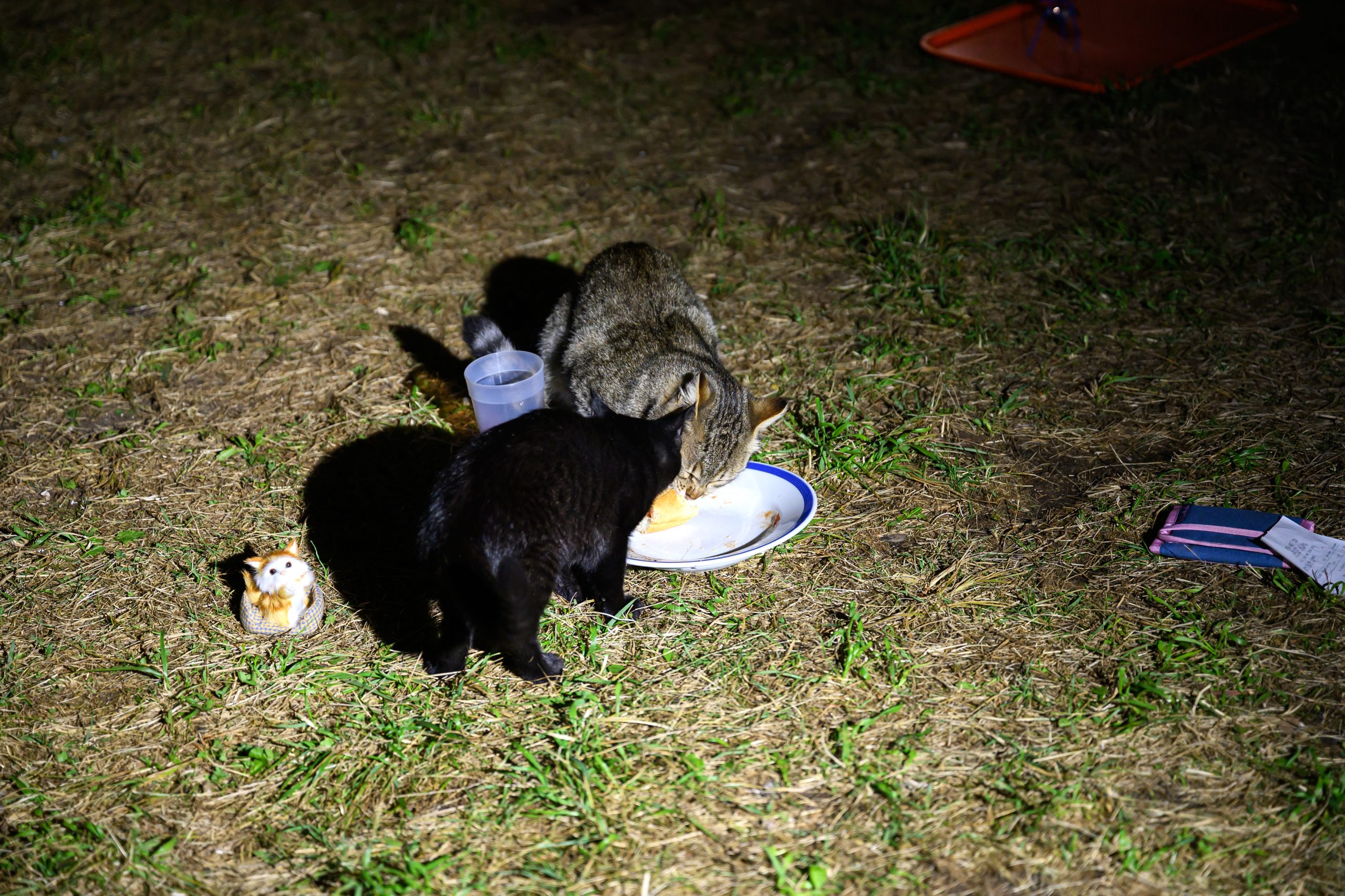
Photo: Katja Goljat
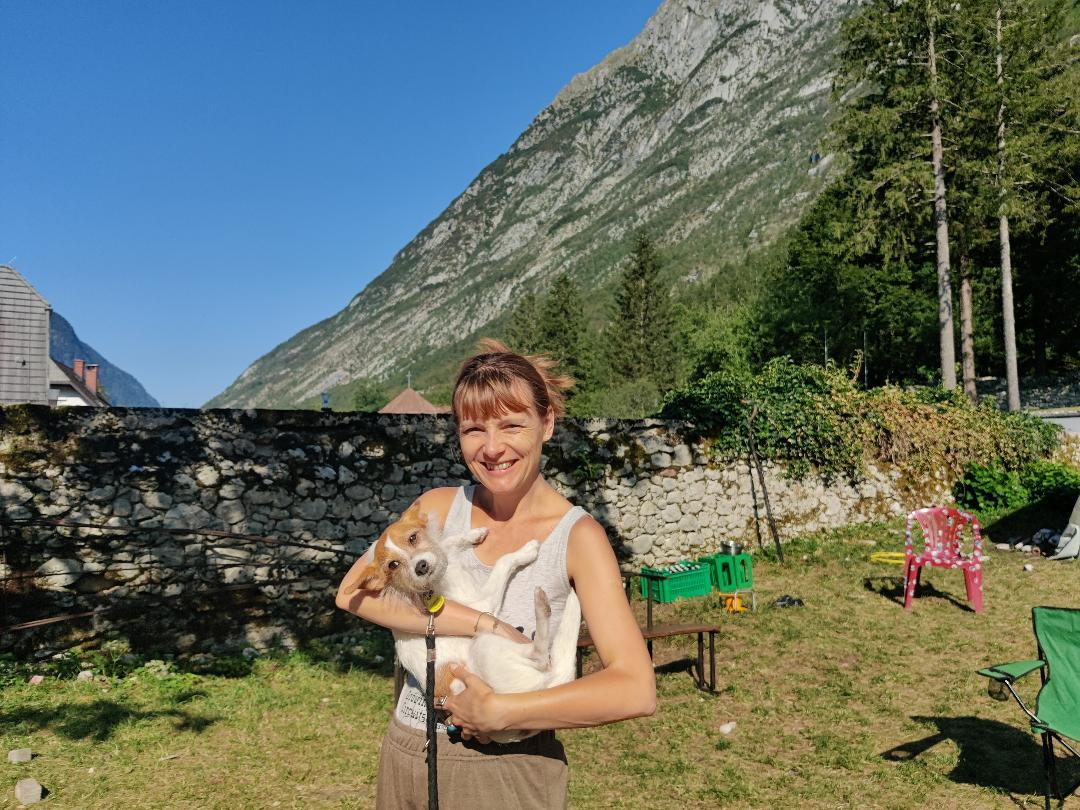
Photo: Katja Stefanic
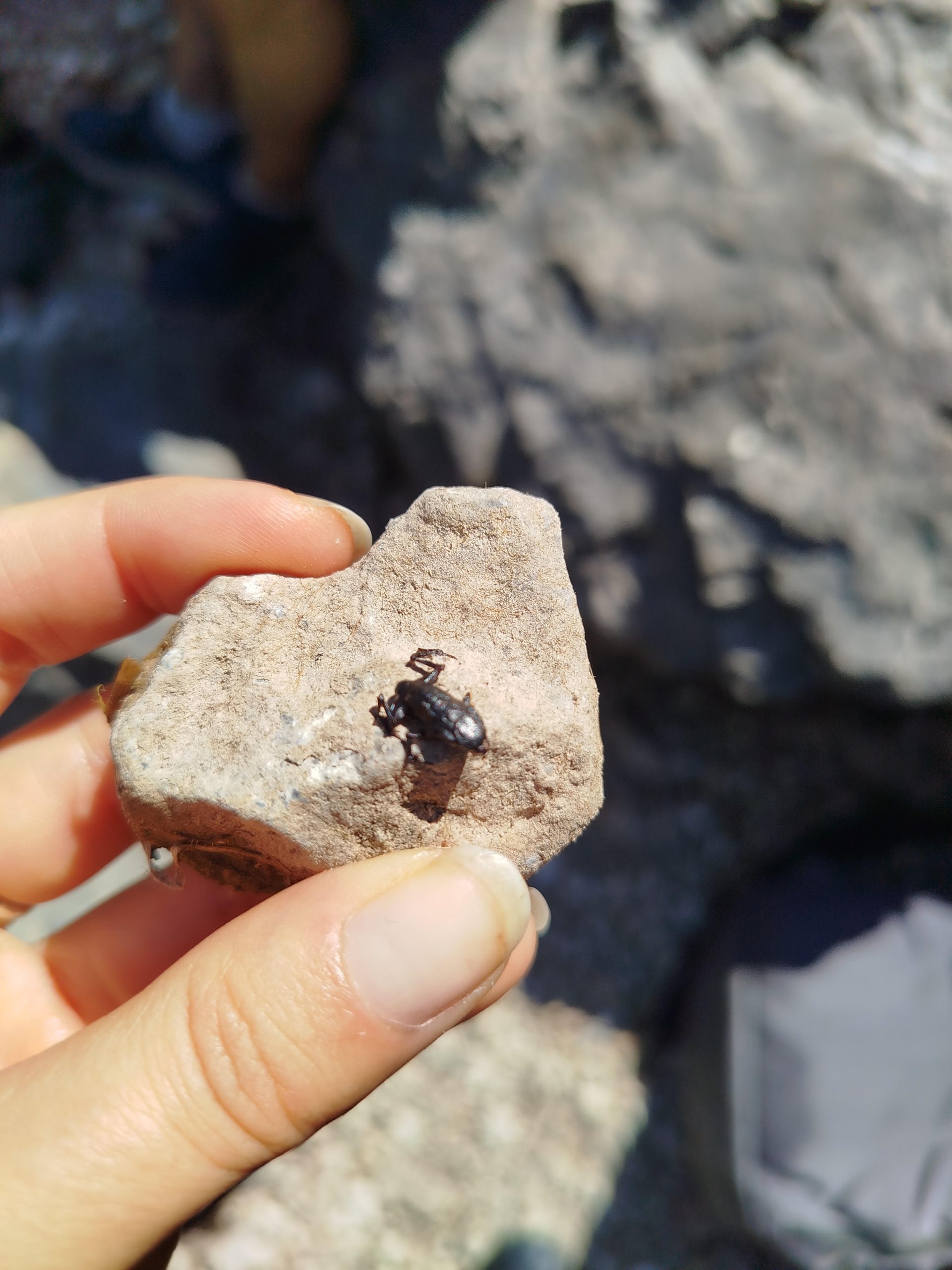
Besides the domesticated species, I encountered many fascinating wild creatures, especially the horsehair worm—a remarkable parasite that develops inside insects such as crickets, eventually manipulating its host into jumping into water. The insect dies, and the worm begins its adult life in the water. I kept one in a bottle filled with water, and it stayed alive until the end of the camp.
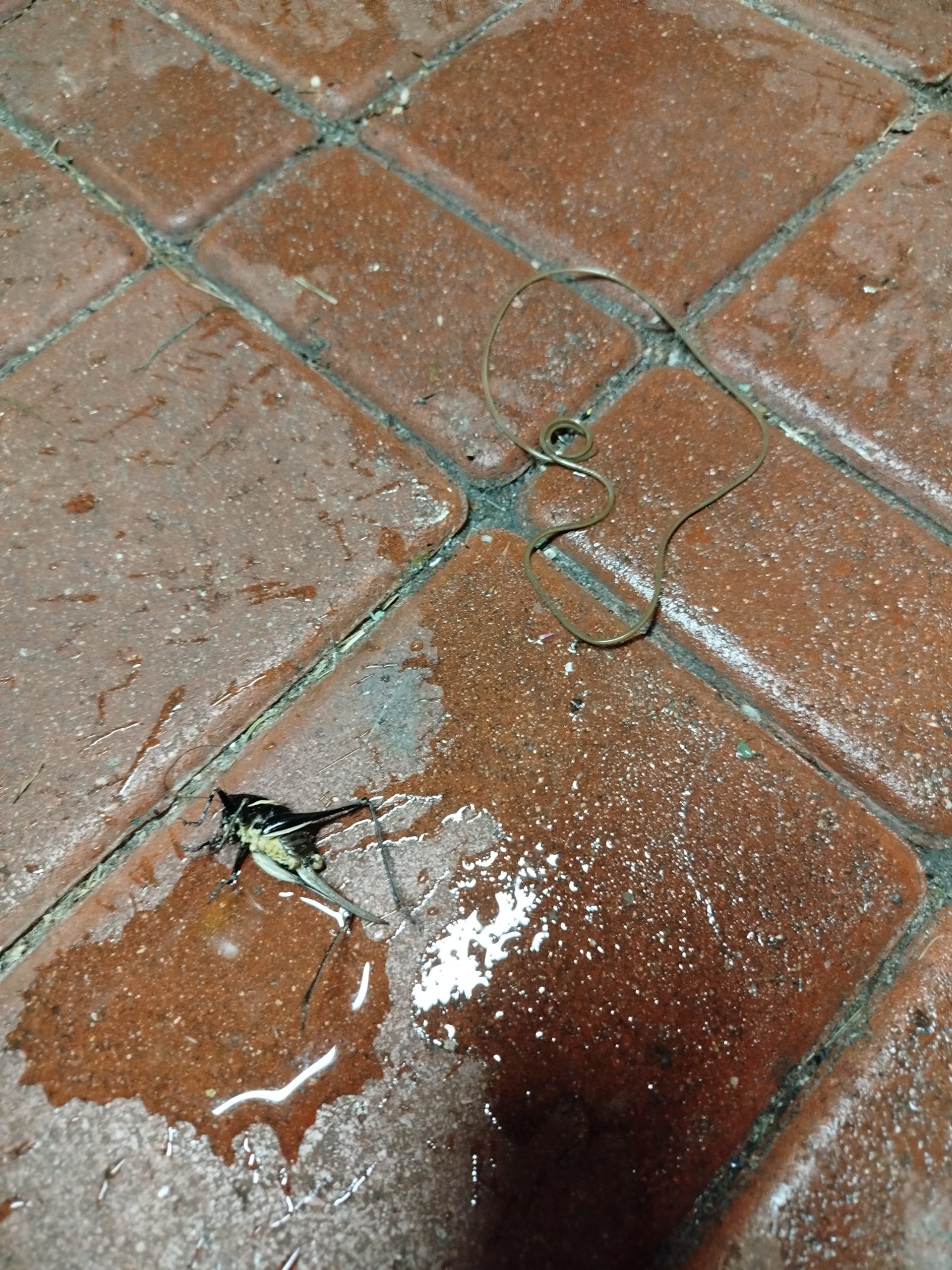
Photo: Karolina Żyniewicz
I can’t count how many beetles I carried from one side of the road to the other, trying to protect them from being crushed.
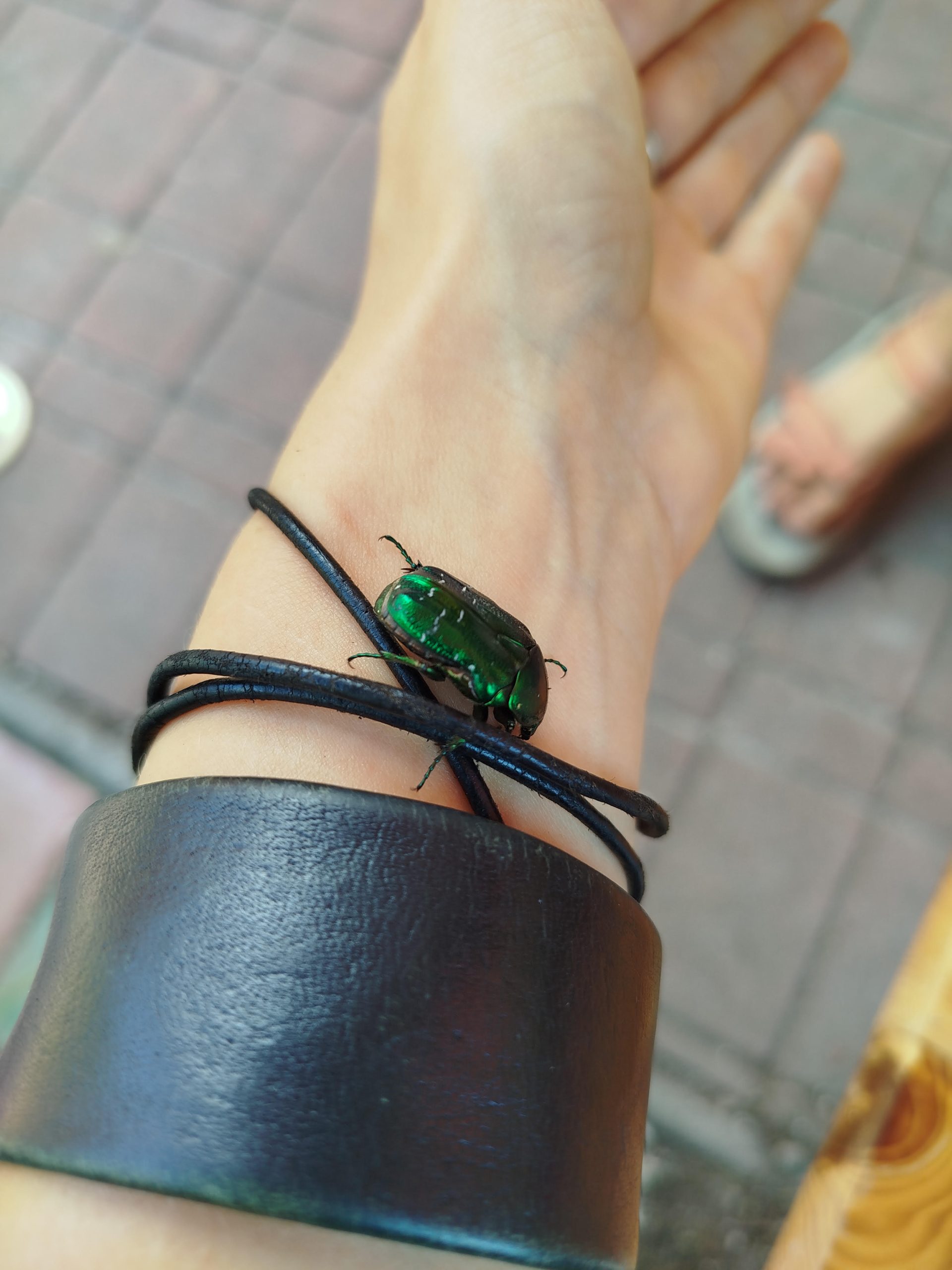
Photo: Karolina Żyniewicz
As for poisonous Alpine plants, I collected several species in the Juliana Alpine Botanical Garden and during a mountain hike. The absolute queen of toxicity is wolfsbane (Aconitum), which contains aconitine. As little as 5 mg can be lethal. One of the campers kept calling me Poison Ivy, and I have to admit I quite like it as a new nickname. :)
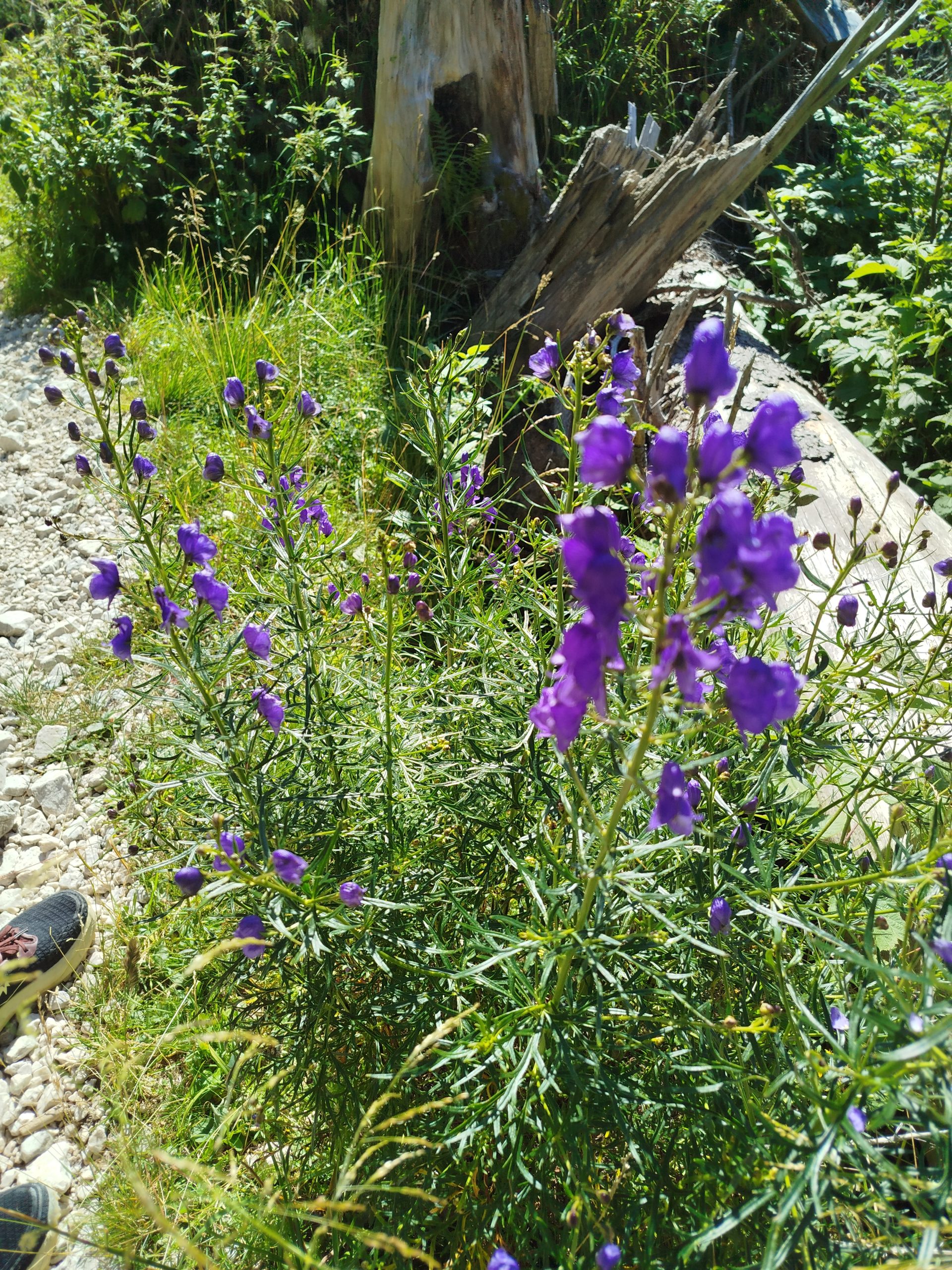
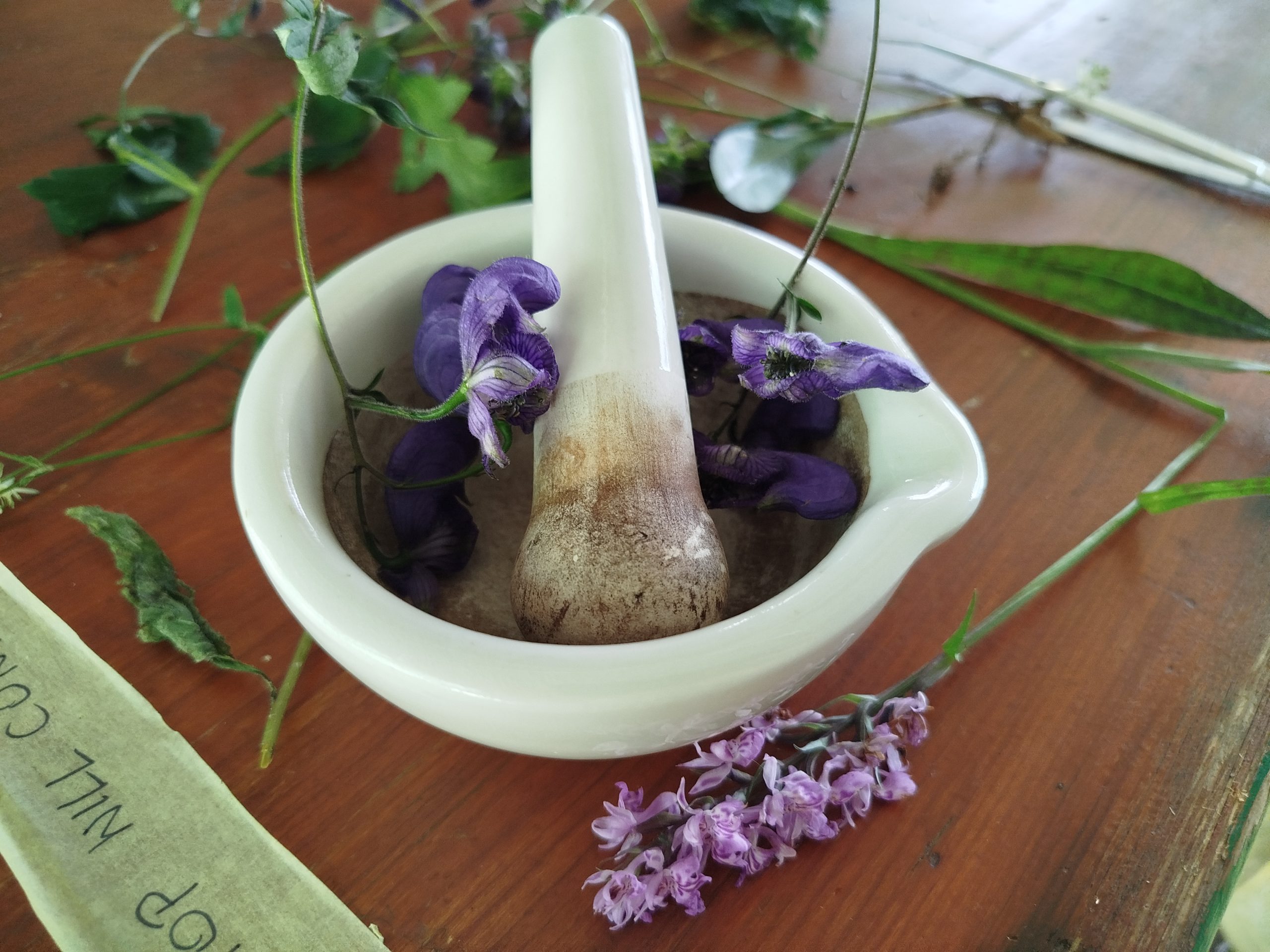
Photos: Karolina Żyniewicz
I am writing these impressions while sitting at the airport, waiting for my flight back to Berlin. My thoughts may be a bit chaotic because everything is still so fresh. I am a little sad. Moving from the mountains back to smelly, dirty Berlin is quite a cognitive and aesthetic shock. :)
Will I come back to the PIFcamp next year? Well, I’ll practice my live soldering, and then I can apply again. :)
Text by Karolina Żyniewicz.
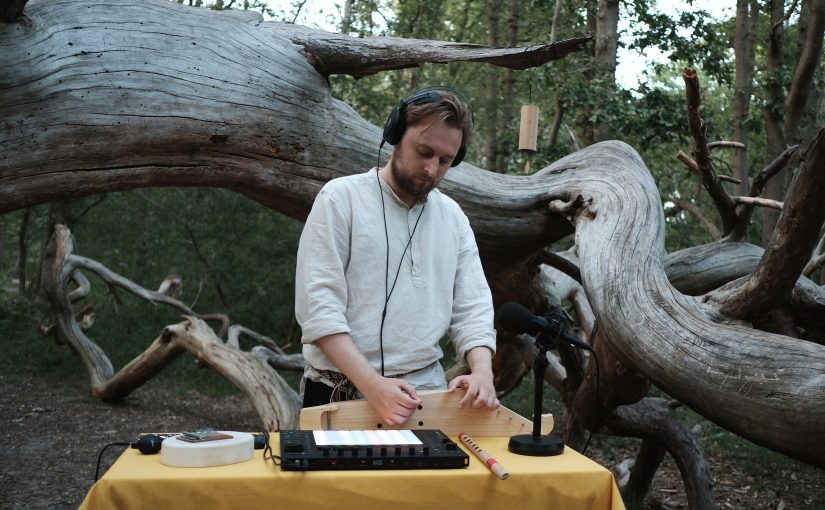
A sonic study of a temporary ecosystem
Dmitry Surugin, also known as Van Sur Les, is an Amsterdam-based composer and producer working across electronic music, theatre and narrative sound. His background in renewable energy and sustainable technology shapes his interest in how people, landscapes and technological systems interact.
For seven days, PIFcamp becomes a temporary ecosystem of nature, people and technology. Dmitry will collect sounds from the Soča River and surrounding forest, the stories people carry with them, and the hidden voices of the machines they build. Using Ableton, Norns scripts and Max for Live devices, he will shape these recordings into an evolving sound piece. Sounds and environmental data gathered during the week may also become control signals, influencing the sequencing, texture, spectral character and balance between the sonic layers.
The project plays with the fluid roles of composer, performer and instrument. Dmitry chooses the material and sets the rules, while natural processes influence how it is arranged and transformed. Nature would not remain a passive subject of the recording: its own rhythms and cycles would influence how the music unfolds.
The outcome may become a listening session, a live piece or a sonic diary. Other participants are welcome to contribute recordings, voices, musical gestures, unusual sounds or environmental data.
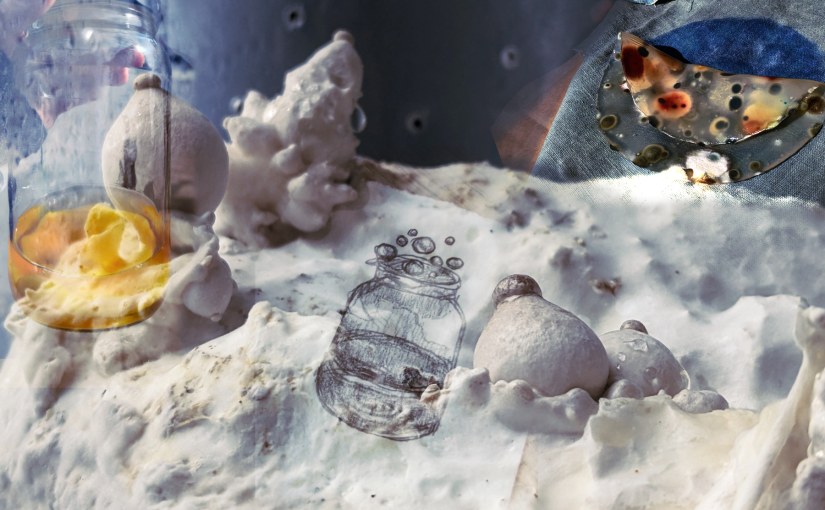
Lea Binsfled is fascinated by fungi and microorganisms and excited about every moment they teach us something new. In the past, she has grown molds and mushrooms to include in the process that guides her design work and artistic projects. Currently, she is learning about fermentation and making a lot of kombucha. At PIFcamp, she’d like to explore how kombucha cultures can be used in creative work, computing or creative computing. How can we use kombucha leather to build de-composable server cases? Could a dried SCOBY mat be used to replace a printed circuit board? Can we get electricity from the fungi and bacteria that are mingling in an active culture? How could we use the heat emitted by our computers to boost our home made ferments in the cold seasons? There is no clear plan for an activity yet, but a lot of openness for sharing ideas and bubbly drinks.
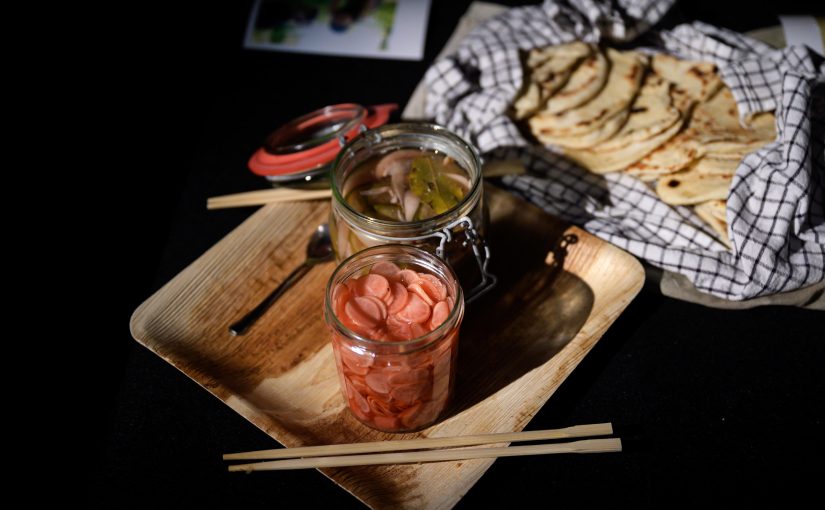
Fransisca’s year #4 at PIFcamp will go like this: Come by to experiment, chat or document together! Whether it is a sensory meditation, a spontaneous taste test, fermenting session, or a casual conversation about food and life. Everyone is welcome to partake, play and create!
Fransisca is a food experience designer and artist, she uses food as a multisensory canvas to explore community and ecosystem thinking.
Photo by Katja Goljat.
Boštjan Čadež aka FŠK explains it like this:
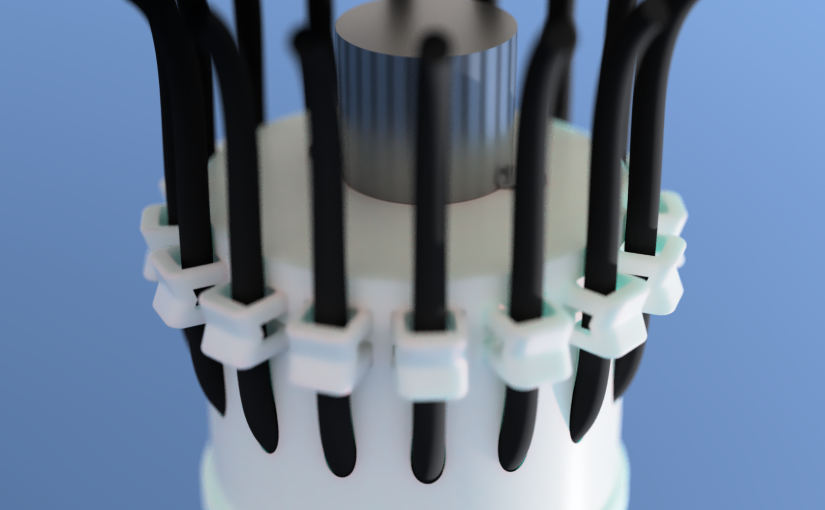
Vodolivka is a low-cost automated system for watering up to 16 plants, each on its own schedule. It’s my second attempt at solving this problem.
The usual way to build something like this is with one solenoid valve per output. They work, but they get expensive at 16 channels, they need more electronics to drive them, and in my experience, they don’t always close reliably, which is a real problem when a leak means an overwatered plant or an empty tank.
So Vodolivka tries a different approach. The 16 lines run through 3D-printed pinch valves arranged in a circle, each squeezed closed by default. In the middle sits a stepper motor with an arm that rotates to point at any one of them, pushing that valve open while the rest stay shut. One motor operates all sixteen valves instead of sixteen solenoids.
The rest is straightforward: an ESP32 for the brains, a DC pump to move the water, and a flow sensor that confirms water is actually moving, so the system can tell if the tank is empty or the pump has failed rather than quietly watering nothing. Everything is configured through a web interface served from the ESP32 itself, where you set the amount and interval for each output. No app, no cloud.
It’s still very much a plan rather than a proven system. The whole point is to find out whether one cheap actuator and some clever geometry can do the job more reliably than a pile of solenoids. That’s the experiment. And if it works, I won’t have to bother my friends to water my plants next year. ;)
One project by Thomas Gibbs explores a new approach to making sound from 2D data. Past approaches either yield rather noisy unwieldy audio and/or a dense frequency spectrum. The engine he is currently building can create more predictable oscillators. They can be controlled via MIDI or OSC and could work nicely in live coding environments.
The other project explores the synthesis of insect sounds. Many sounds in sound synthesis are constructed from idealised, mathematical building blocks like sine waves or delay lines. This creates a certain timbre. Insects on the other hand produce sounds often using mechanical approaches, thus incorporating imperfections in their waveforms. Thomas aims to explore these imperfect audio synthesis paths.
Thomas Gibbs spens too much time with technology and now tries to make machines behave themselves.
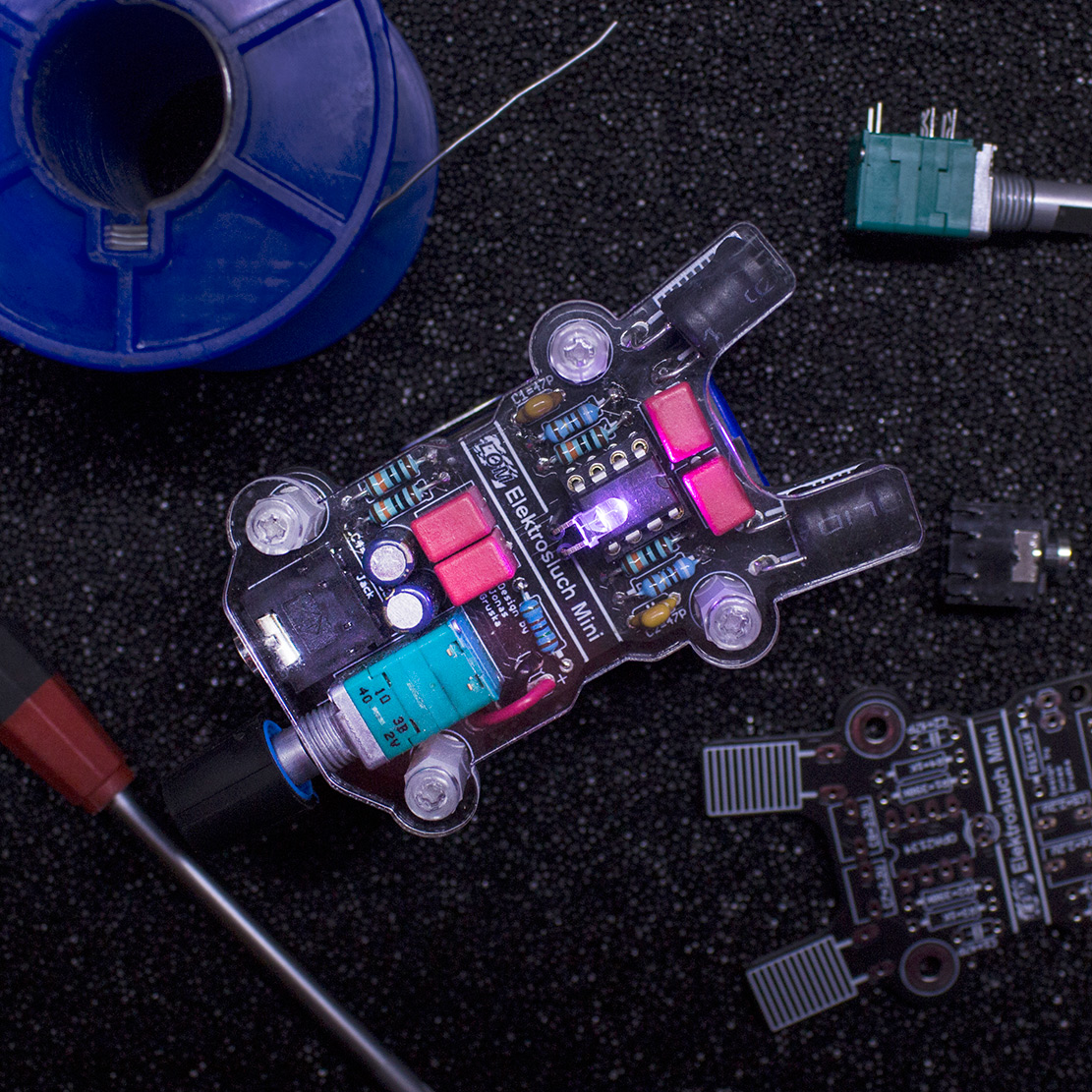
Rasinger family will once again host a soldering workshop where you can an Elektrosluch Mini City – a DIY kit of Elektrosluch, an open-source device for electromagnetic listening. It allows one to discover sonic worlds of electromagnetic fields, surrounding our every step. Just plug your headphones & explore. Concept & electronics by Jonáš Gruska.
In their humble opinion the Elektrosluch Mini is one of the coolest and fun DIY devices out there. It is an easy build and unveils the hidden acoustic beauty of electromagnetic fields. Either you are at the beginning of your soldering career or already a soldering wizard endboss. The Elektrosluch Mini will intrigue you either way. The workshop will be held by the siblings Runa and Oskar with their assistant Bernhard. Be sure to bring headphones with a TRS connector!
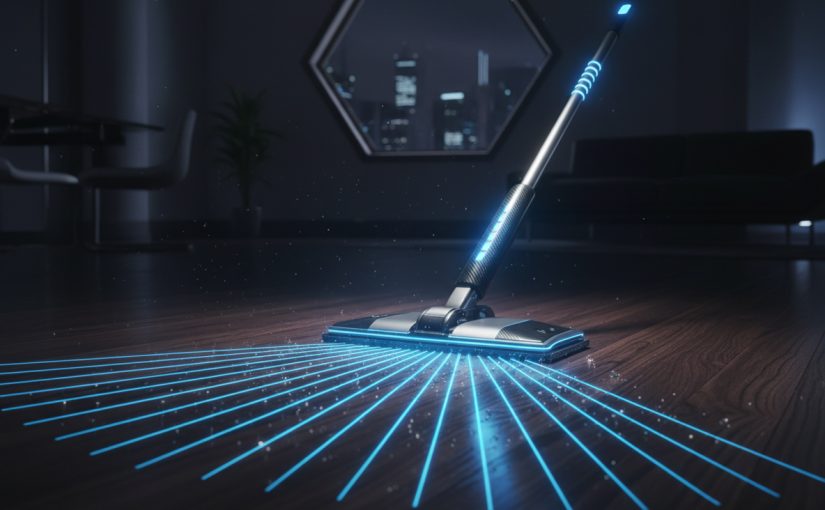
On the other topic Bernhard will investigate the Laser Dusting Sweeper. The plan is to combine state of the art laser technology with a household known cleaning device, which collects dust like a magnet with electrostatic charge. The laser will highlight dust on the floor to visualise chaotic patterns in the dust and lets you see where cleaning is still necessary. Plus having a laser on a broom makes the use of the broom so much more sophisticated and fun and therefore leading to a cleaner home.
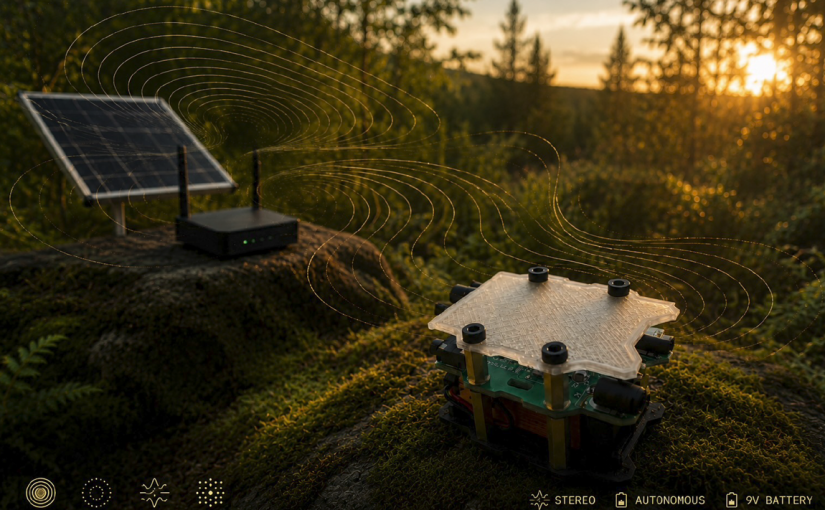
We are constantly surrounded by invisible electromagnetic activity. Laptops, power supplies, routers, lights and countless electronic devices quietly emit signals that shape our environment, yet remain beyond our natural senses. This project explores simple DIY tools that extend our perception by making these hidden signals audible. Together, we will build electromagnetic microphones, learn how they work and use them as listening devices to explore the electromagnetic soundscape of PIFcamp.
Rather than collecting recordings as documentation, Moira Muñoz Perez imagines a series of collective listening walks: wandering through the camp, following invisible traces, sharing discoveries and comparing what participants hear. Every object has its own electromagnetic voice waiting to be noticed. The sounds, conversations and observations gathered along the way may evolve into a shared archive, simple experiments or other unexpected collaborations. Collaborators may also experiment with translating some of these signals into generative visuals using TouchDesigner, but the focus of the project is not the technology itself – it is curiosity, attentive listening and expanding the perception of the world around us. The microphones are simply an excuse to discover that the invisible is already speaking.
Moira Muñoz Perez is an artist fascinated by hidden signals, forgotten technologies and expanded perception. Through electronics, sound and generative media she creates situations where invisible phenomena become audible, visible and shareable. She is particularly interested in collaborative learning, open experimentation and the moments of wonder that emerge when technology changes the way we experience the world.
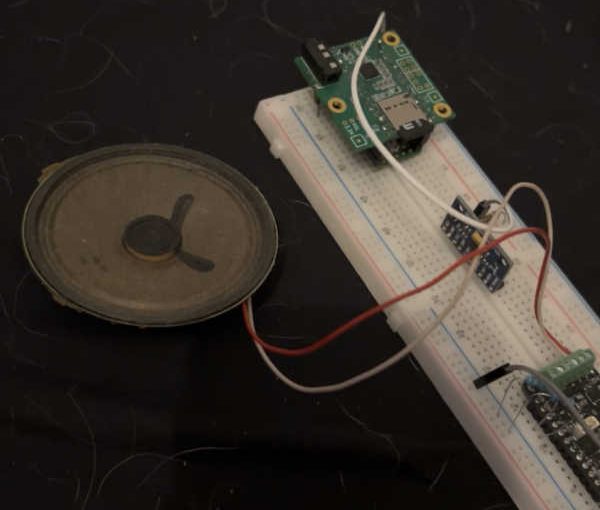
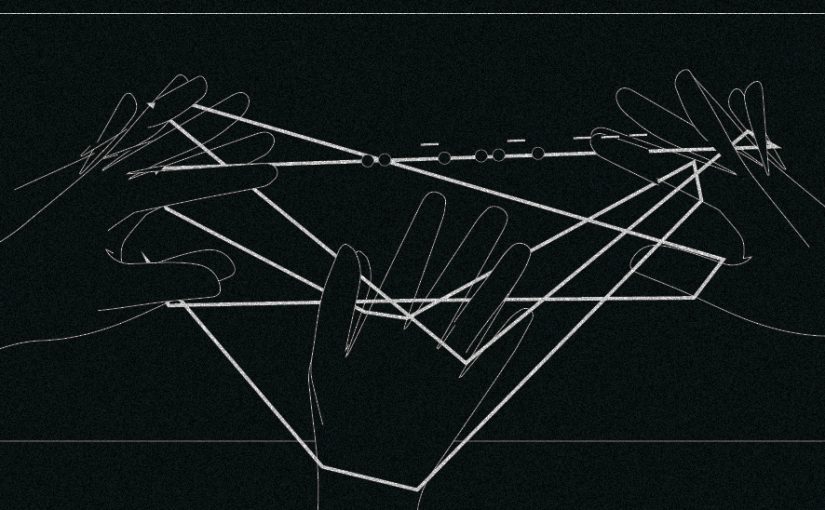
Maša Knapič, Marisa Satsia and Jessica Stanley are interested in exploring ways to augment the body, particularly hands and nails, to create sonic and communication interfaces. Inspired by telegraph technology for morse code and record player needles, they will investigate hand-and nail-worn electronics to convert electrical signals into sound, or create patterns that can communicate information. At PIFcamp they will experiment with making prototypes and share these with other participants.
Jessica Stanley is a researcher and lecturer at Nottingham Trent University, working with flexible electronics and e-textiles, with a particular interest in tools and materials for open source hardware and democratising technology. Maša Knapič is a visual artist who interweaves painting practice with elements of technology and experimental electronics, drawing on a fixation with the image – as a legacy of the painting medium – on one hand, and on the construction of alternative mark-making machines on the other. Marisa Stasia is a multidisciplinary artist and researcher specialising in medical and biological arts, based in Nicosia, Cyprus.