While attending the TTT conference at Kino Šiška in Ljubljana in September 2025, I got the feeling that there is something home-like about Slovenia, and I would love to return and explore the country further. Aside from everything else, Slovenia has always been an incubator for new media and hybrid art. So, there must be something in the water—or the air—that causes it. :)
To find out for myself, I contacted Projekt Atol to ask if they would host me for my ongoing project, Self Defense. Then Uroš suggested that the PIFcamp could be an ideal setting for it. I had heard about the camp before, but I had never really paid much attention to it. I went through the blog and all the previous editions to learn more about the character of the endeavor. It was a risky move. On the one hand, I could really understand what had been going on there so far. On the other hand, I somehow became insecure and a bit scared.
I work in biotechnology and biological research, but my biggest shame is that I don’t code, and I struggle to build even simple electronics. So, I thought I would fit in there like a shit in the forest. I imagined people would find it super strange that I was asking them to work with toxic plants and embroidery.
Another little worry I had was about being in a fairly large group of people all the time, even sleeping in the same room. I am an introvert and a loner, and I need moments of solitude every day.
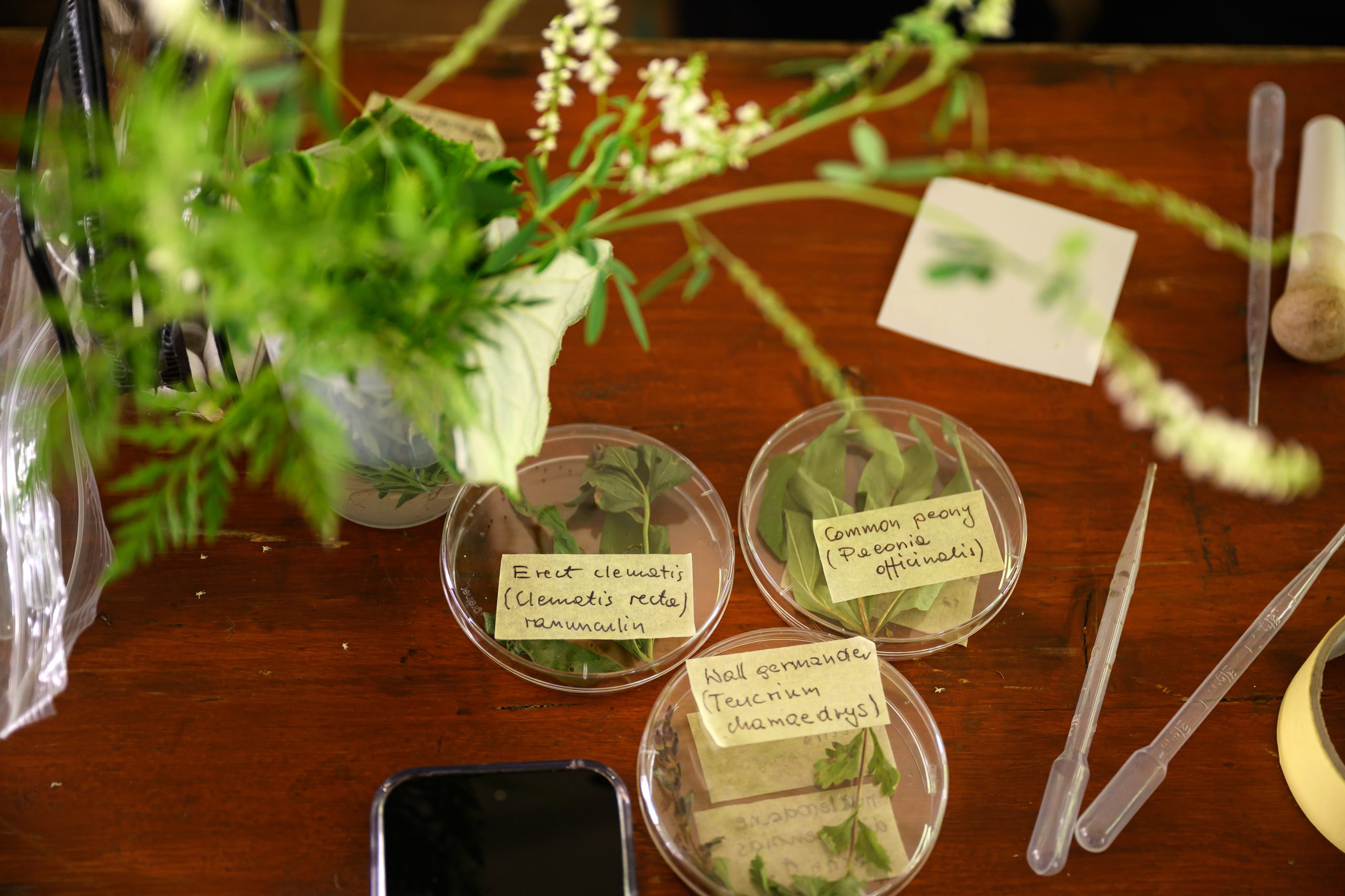
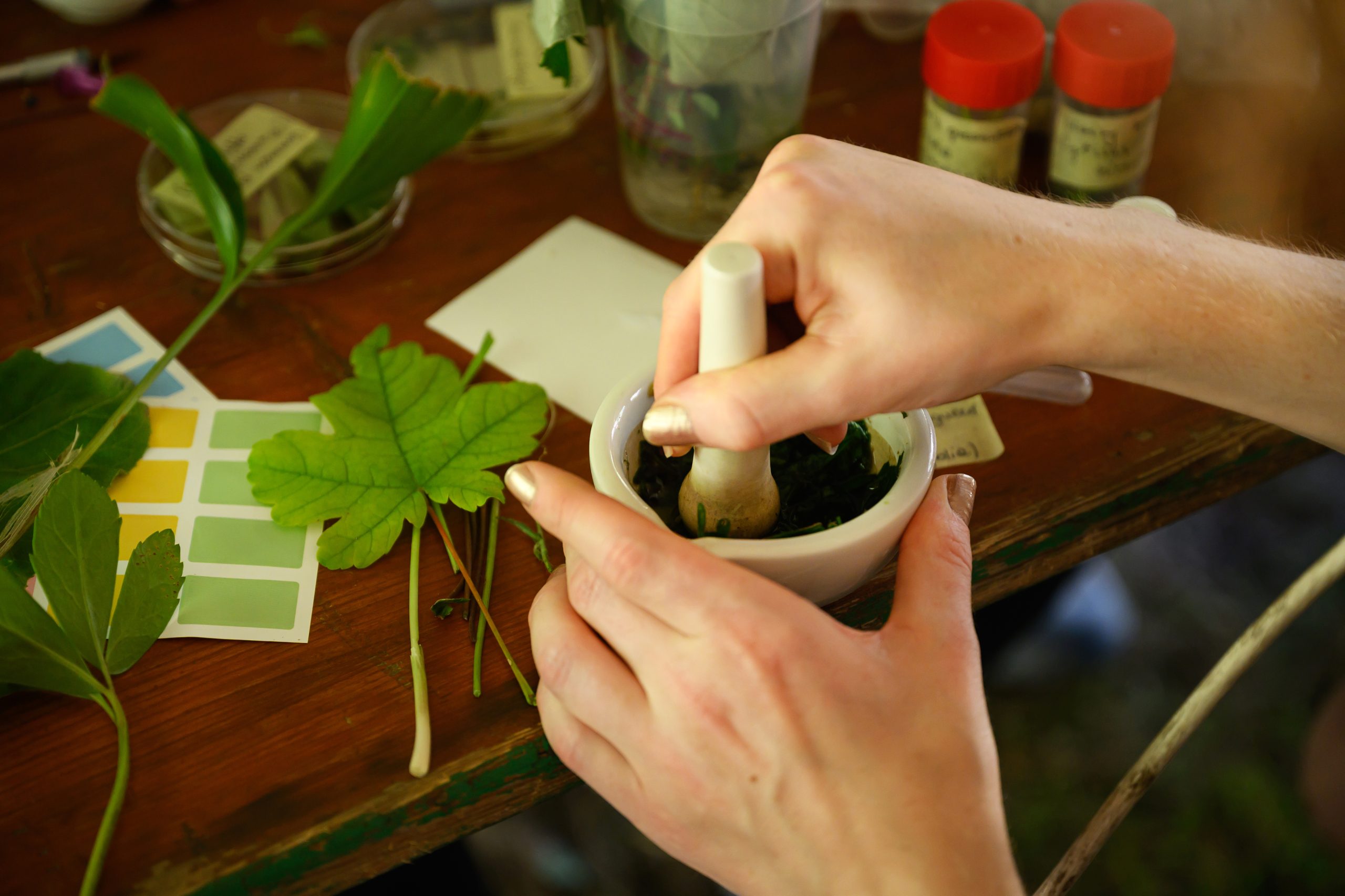
All my doubts turned out to be exaggerated. I never felt like I didn’t belong. There was space for everyone and every kind of activity. It was quite funny to see my little plant lab surrounded by soldering stations and cables. In the end, we were all working with circuits.
Photos: Katja Goljat
When it came to socializing, it went unexpectedly well for me. I really enjoyed being able to focus on my work while knowing that everyone around me was equally immersed in theirs. We could talk or help each other, but we could also sit quietly next to one another. The Soča River offered a perfect retreat whenever a bit more physical distance was needed.
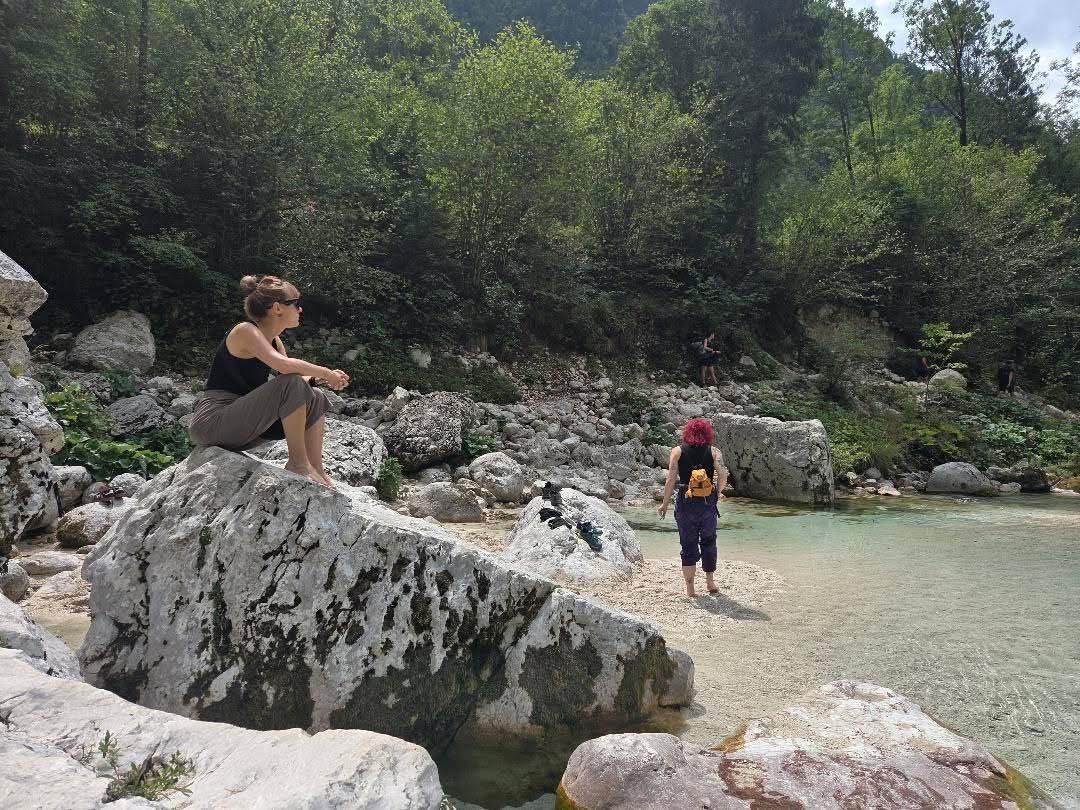
Photo: Nastja Ambrozic
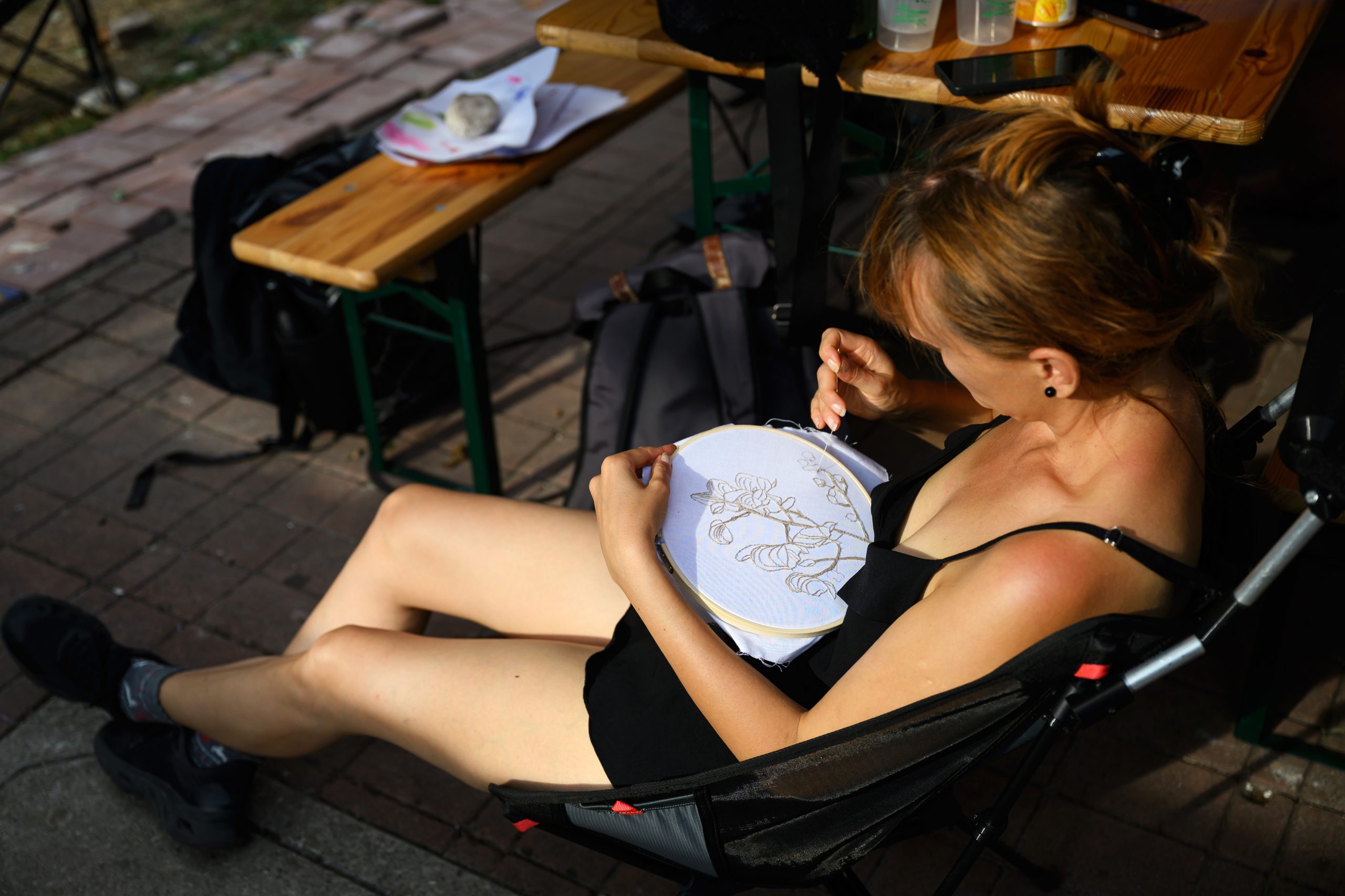
Photo: Katja Goljat
The camp was the first situation in my life where I truly let go of the constant pressure to produce and to produce the best. I went hiking instead of working, which is completely unlike me. I also wasn’t stressed about nobody choosing my workshop, about not being able to attend all the activities others organized, or about anyone feeling offended because of it.
Photos: Karolina Żyniewicz
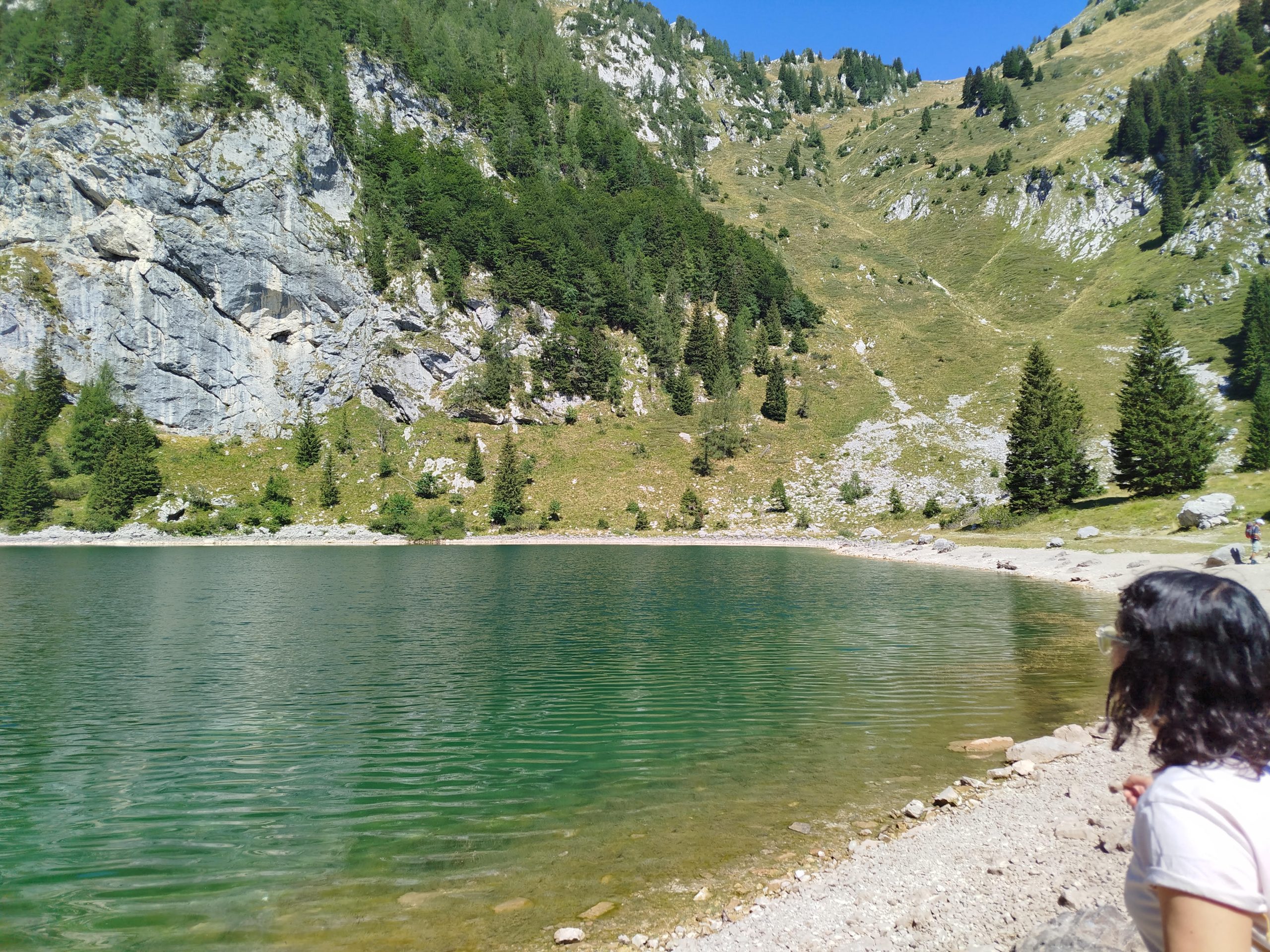
The Soča Valley has its own microclimate, but the PIFcamp embraces it to create a distinct social climate. It was a wild yet safe environment. I found it especially meaningful that, in one-on-one conversations, we openly shared our insecurities and supported one another.
Getting back to my workshop, people came, participated, and did an amazing job. We realized that embroidery is actually not that far from soldering. :) It was wonderful to see the guys doing embroidery for the first time and becoming so engaged that they kept working on their pieces in the evenings. Apparently, this year’s edition was full of textiles. Dasha ran a crochet workshop, and Zoe led one on weaving. It brought an interesting new dimension to the camp’s dynamics.
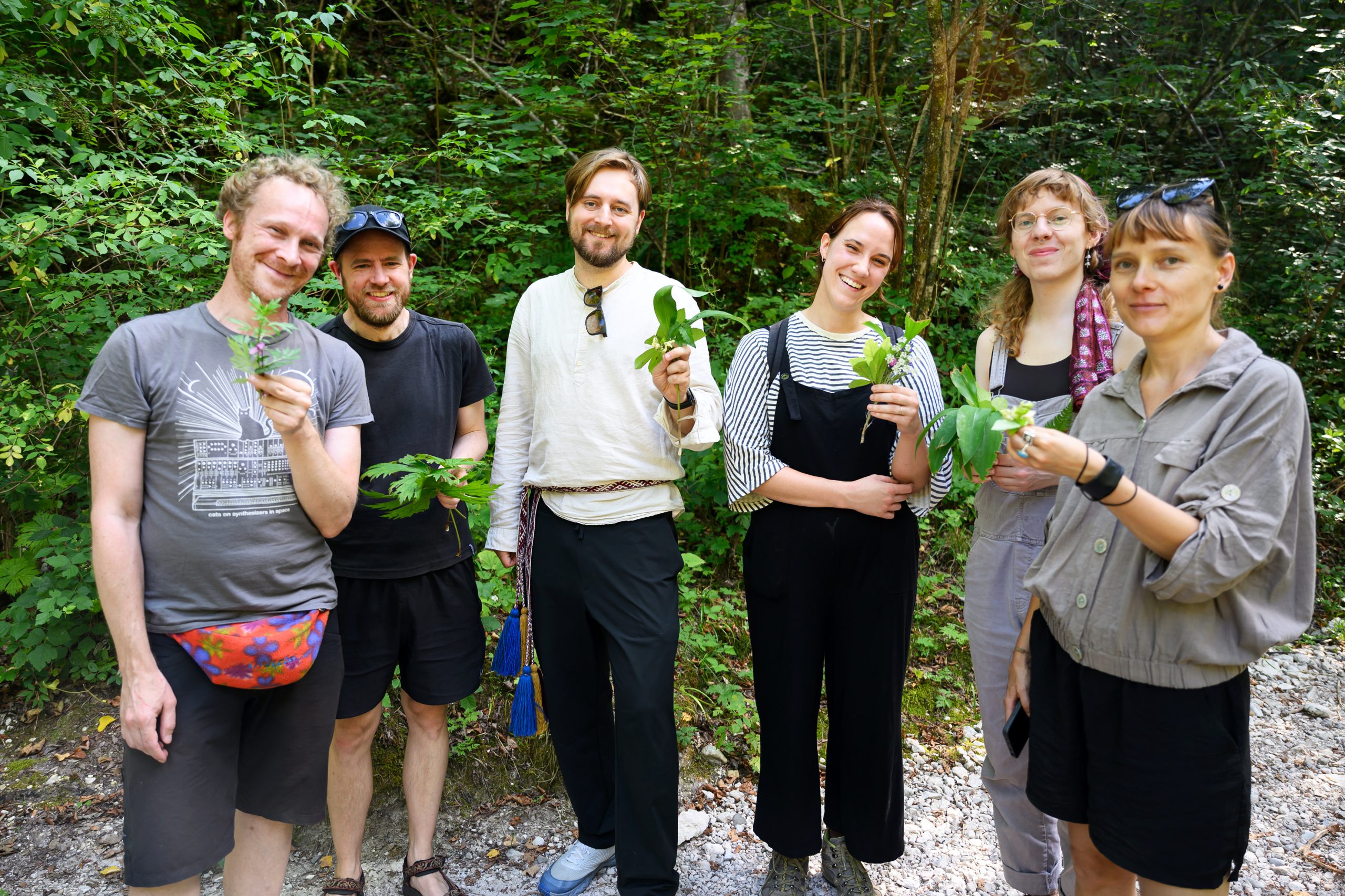
Photo: Katja Goljat
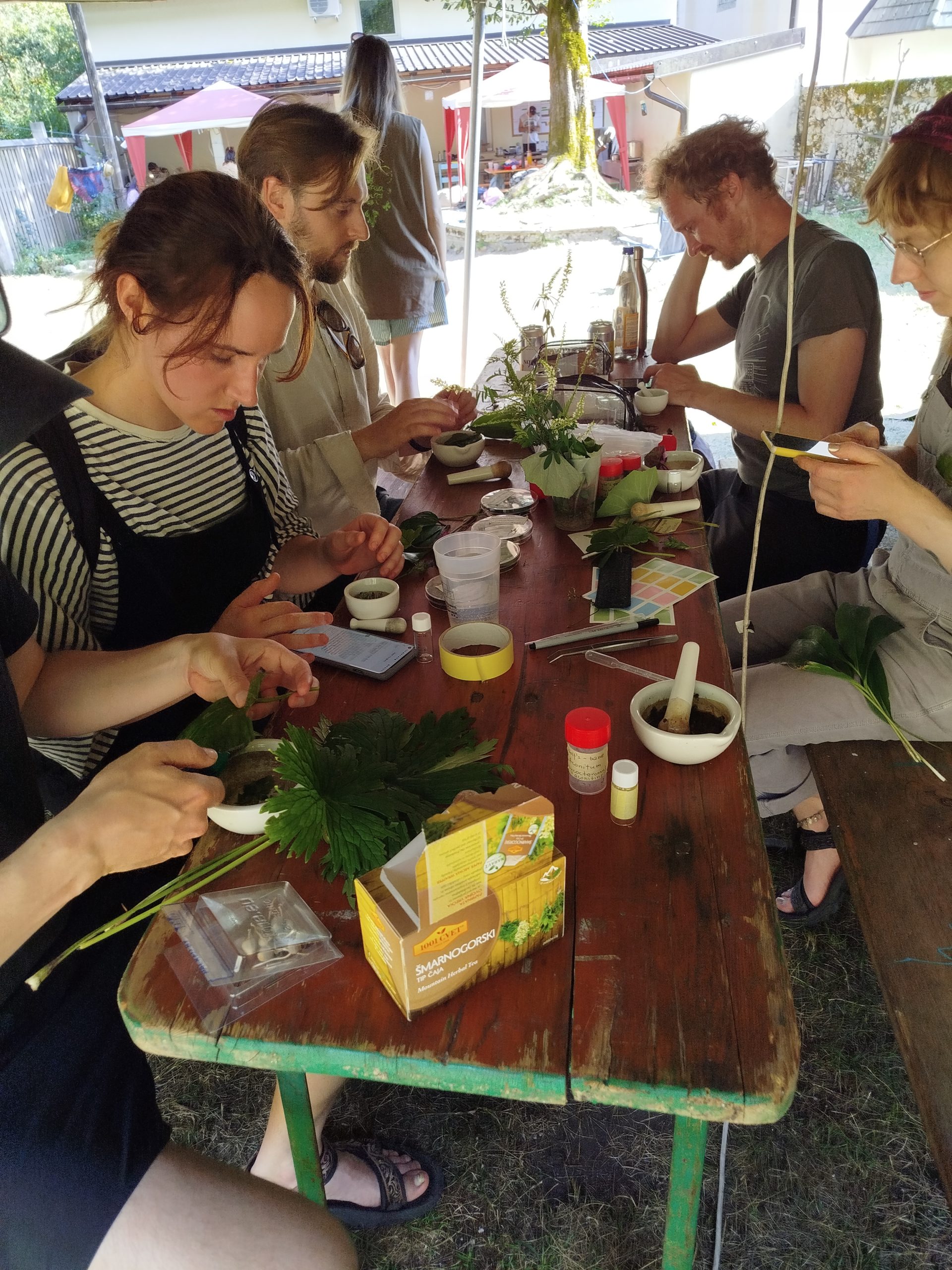
Photo: Karolina Żyniewicz
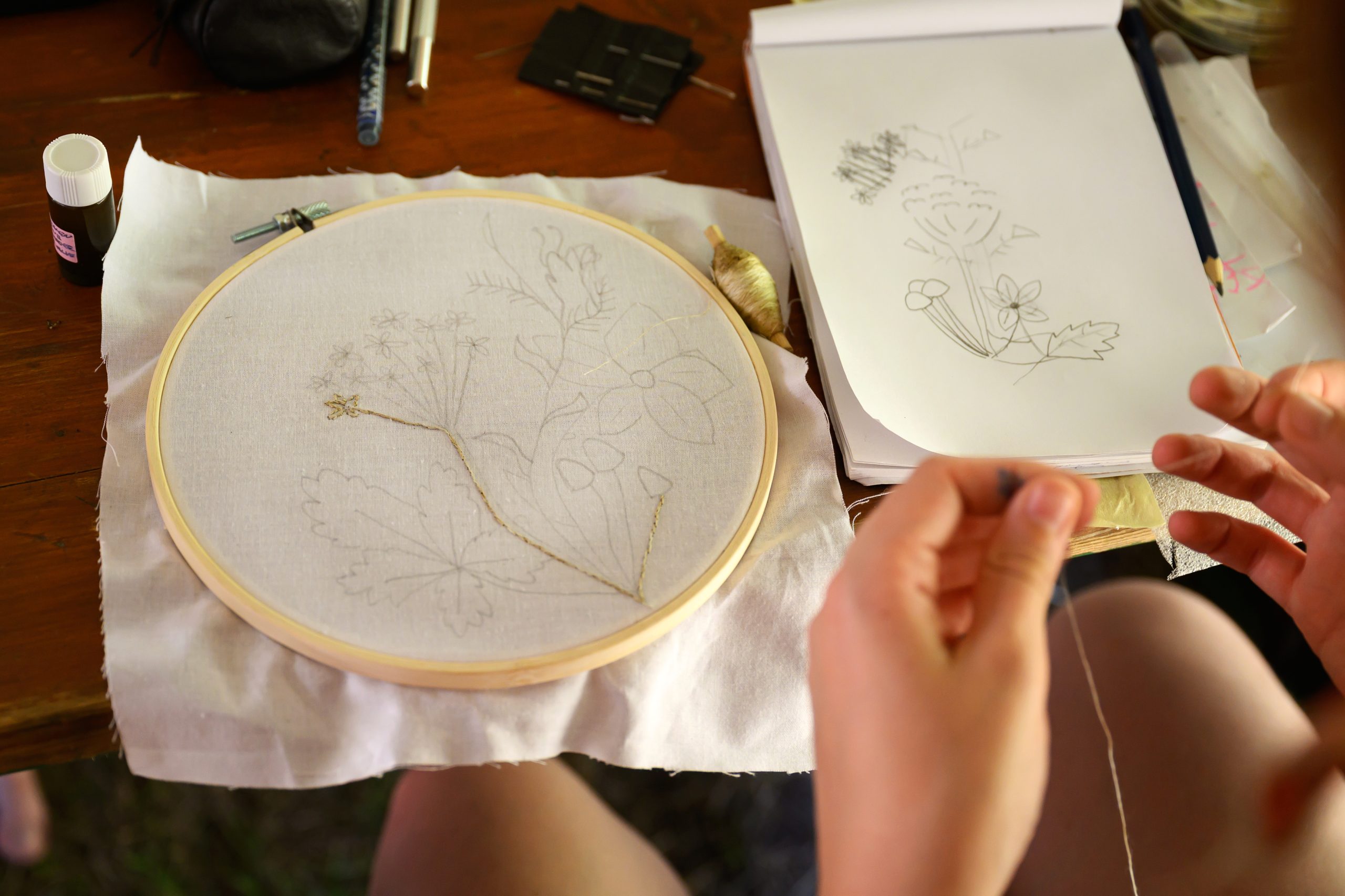
Photo: Katja Goljat
An essential part of the camp for me was the presence of the non-human campers. We became an easy target for wasps, so we tried to find the best ways to keep them away. I must confess that I had a small ethical dilemma when I saw the wasp traps and the insects fighting for their lives. Well, what could we do? Getting stung moves posthumanism a little further down the hierarchy of values. :)
There were also two young cats, one of them completely black. I don’t even have to mention that everyone wanted to cuddle with it. We also had adventurous chickens wandering around. And finally, there was Txupilka del Diablo, who completely stole everyone’s heart, and we all competed for her attention. :) She is definitely my big camp crush. :)
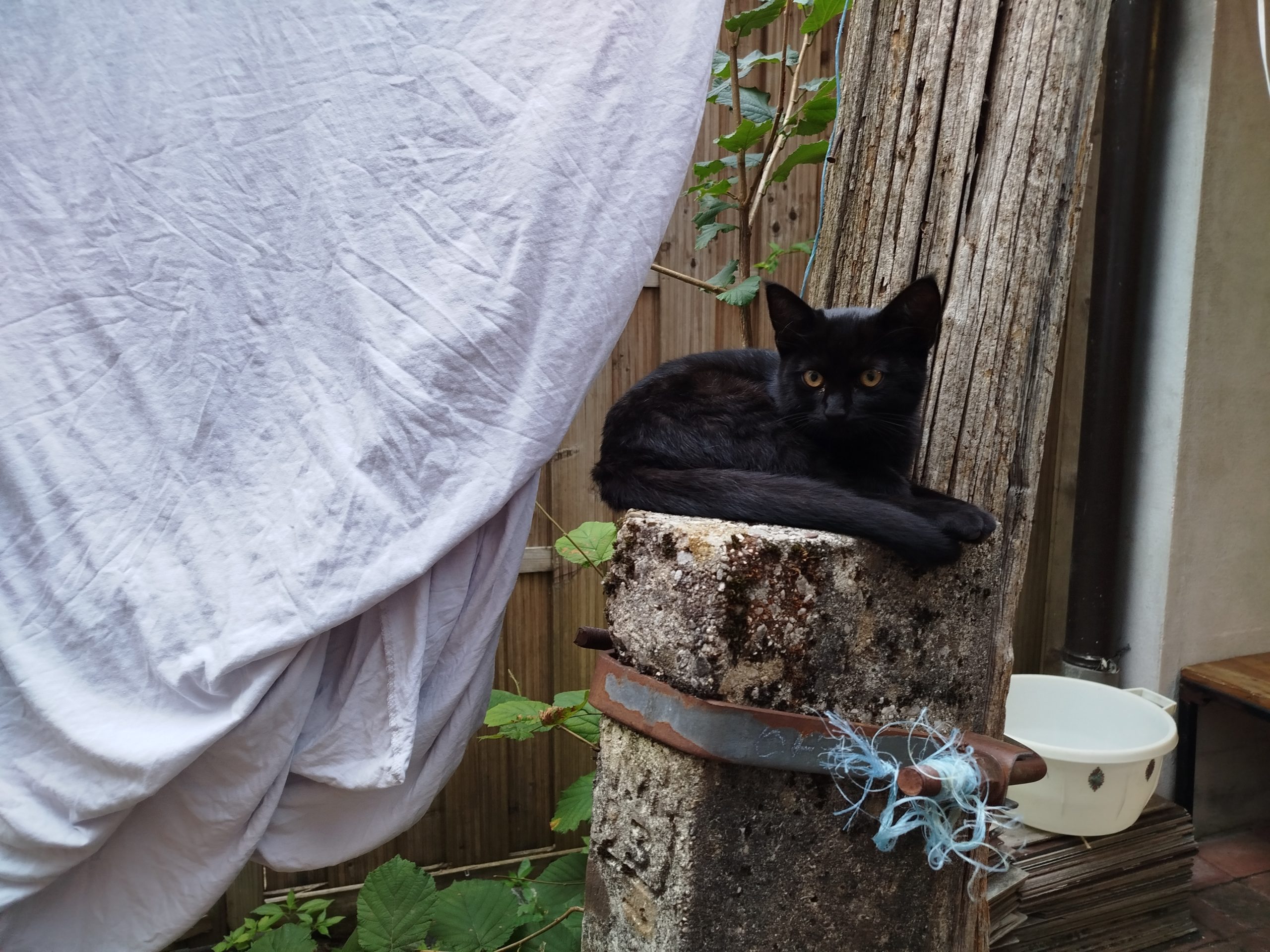
Photo: Karolina Żyniewicz
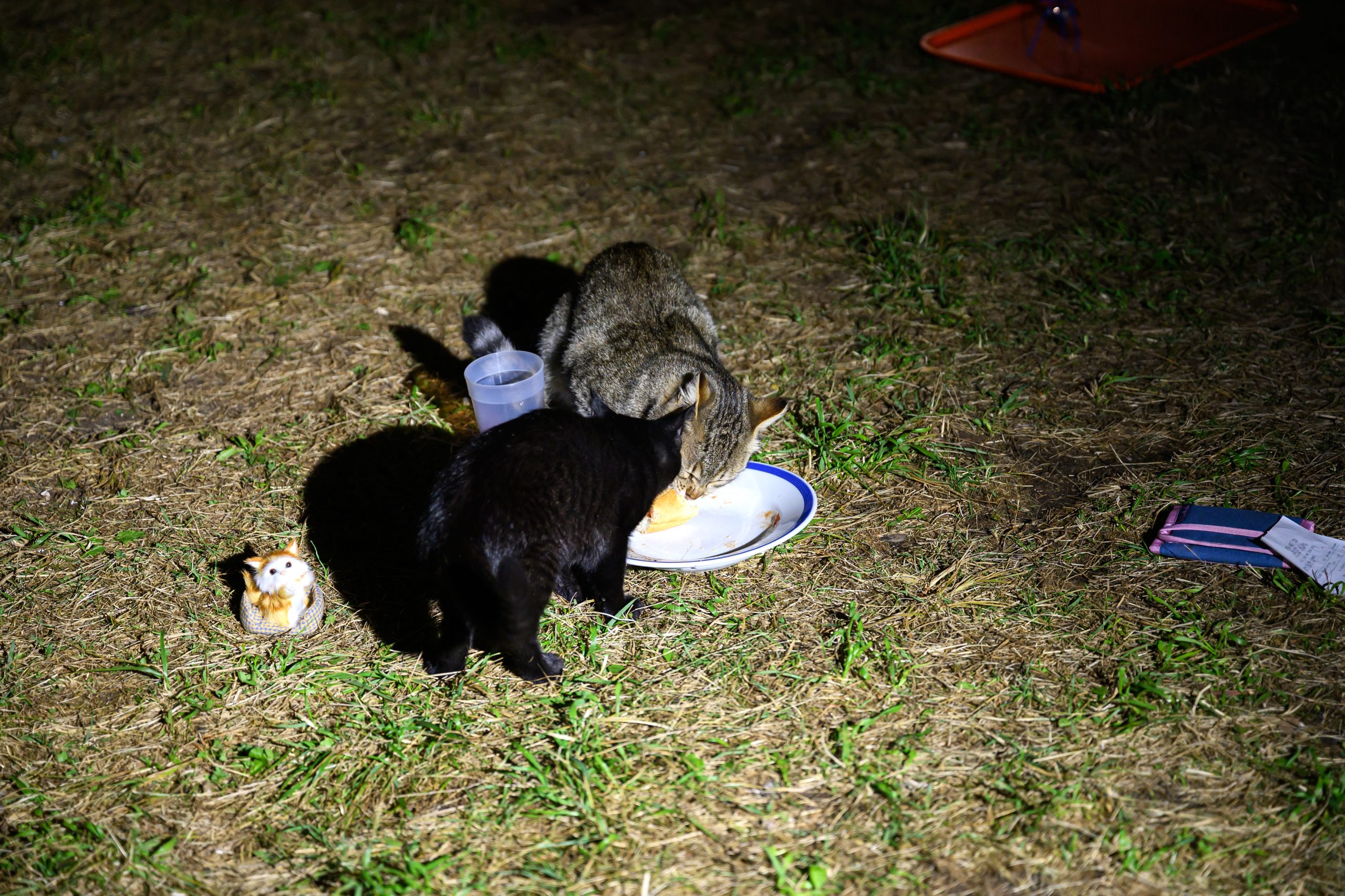
Photo: Katja Goljat
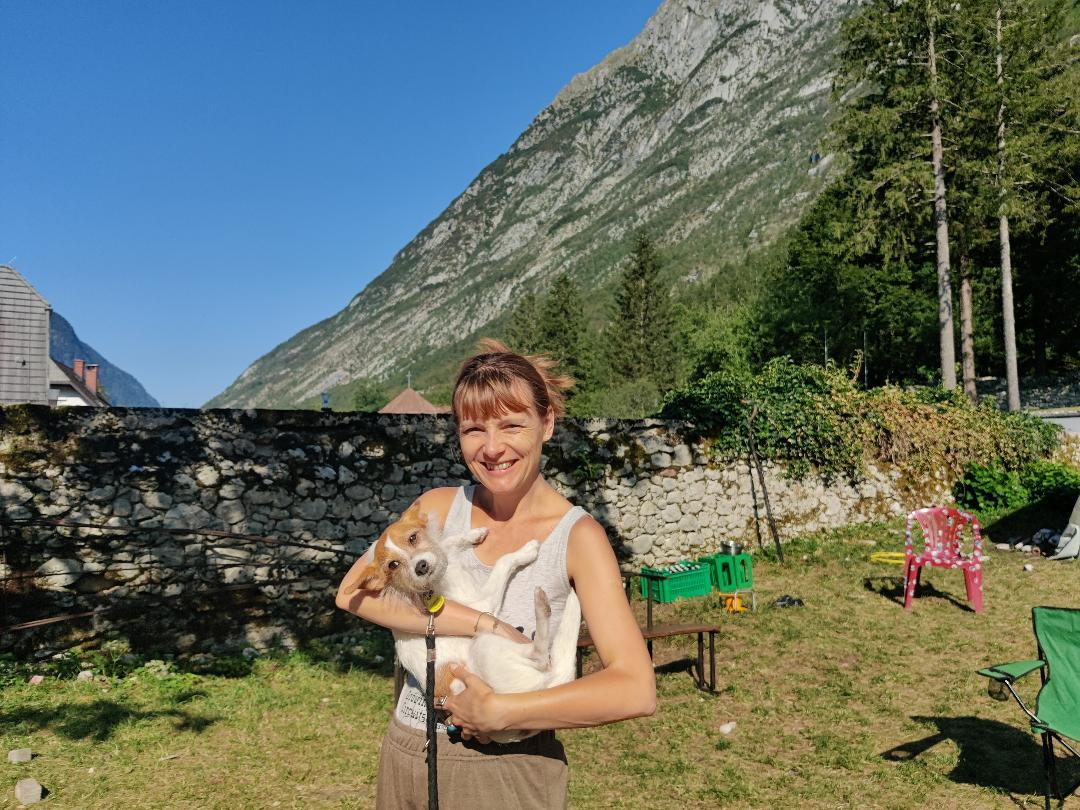
Photo: Katja Stefanic
Besides the domesticated species, I encountered many fascinating wild creatures, especially the horsehair worm—a remarkable parasite that develops inside insects such as crickets, eventually manipulating its host into jumping into water. The insect dies, and the worm begins its adult life in the water. I kept one in a bottle filled with water, and it stayed alive until the end of the camp.
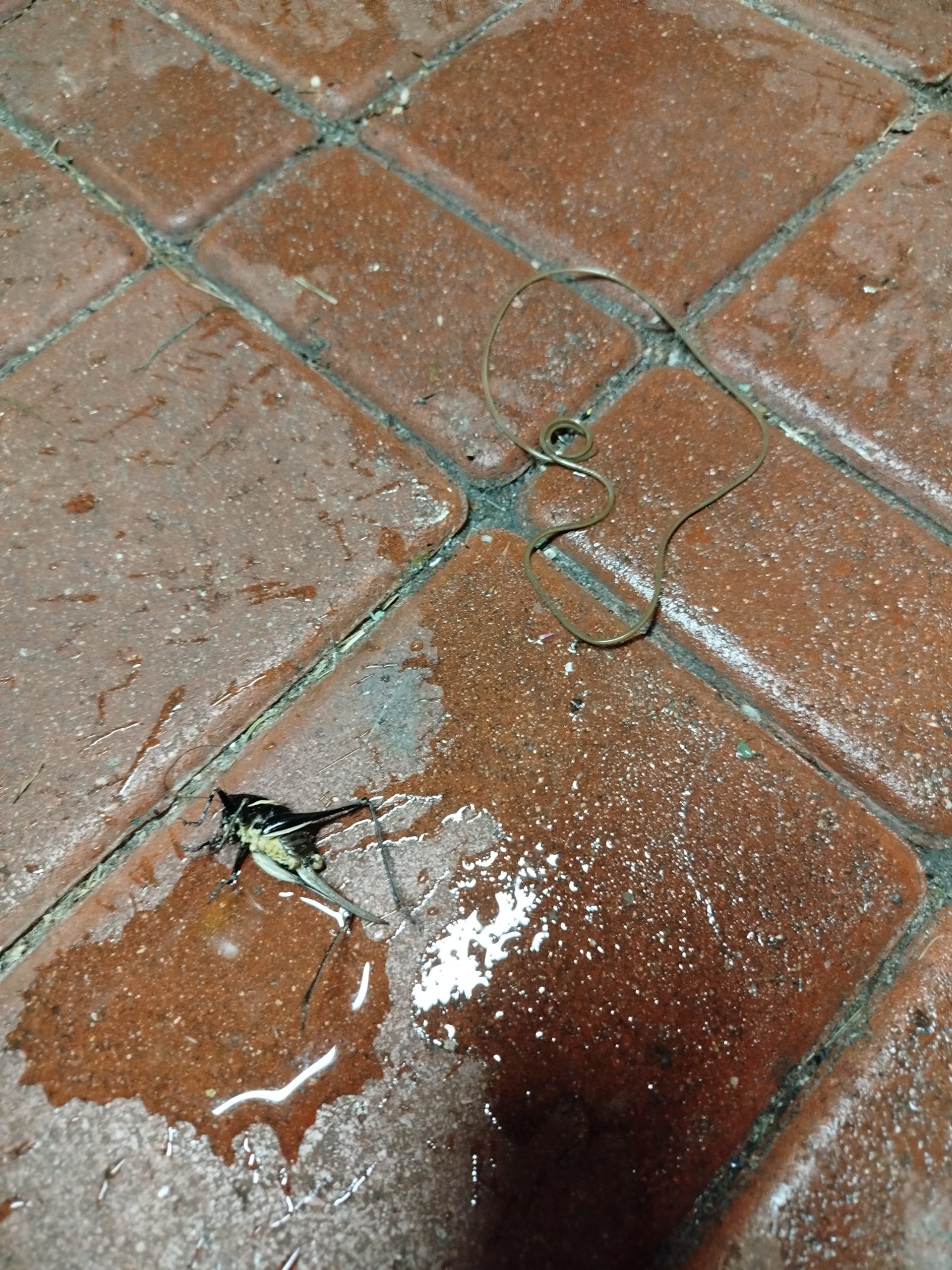
Photo: Karolina Żyniewicz
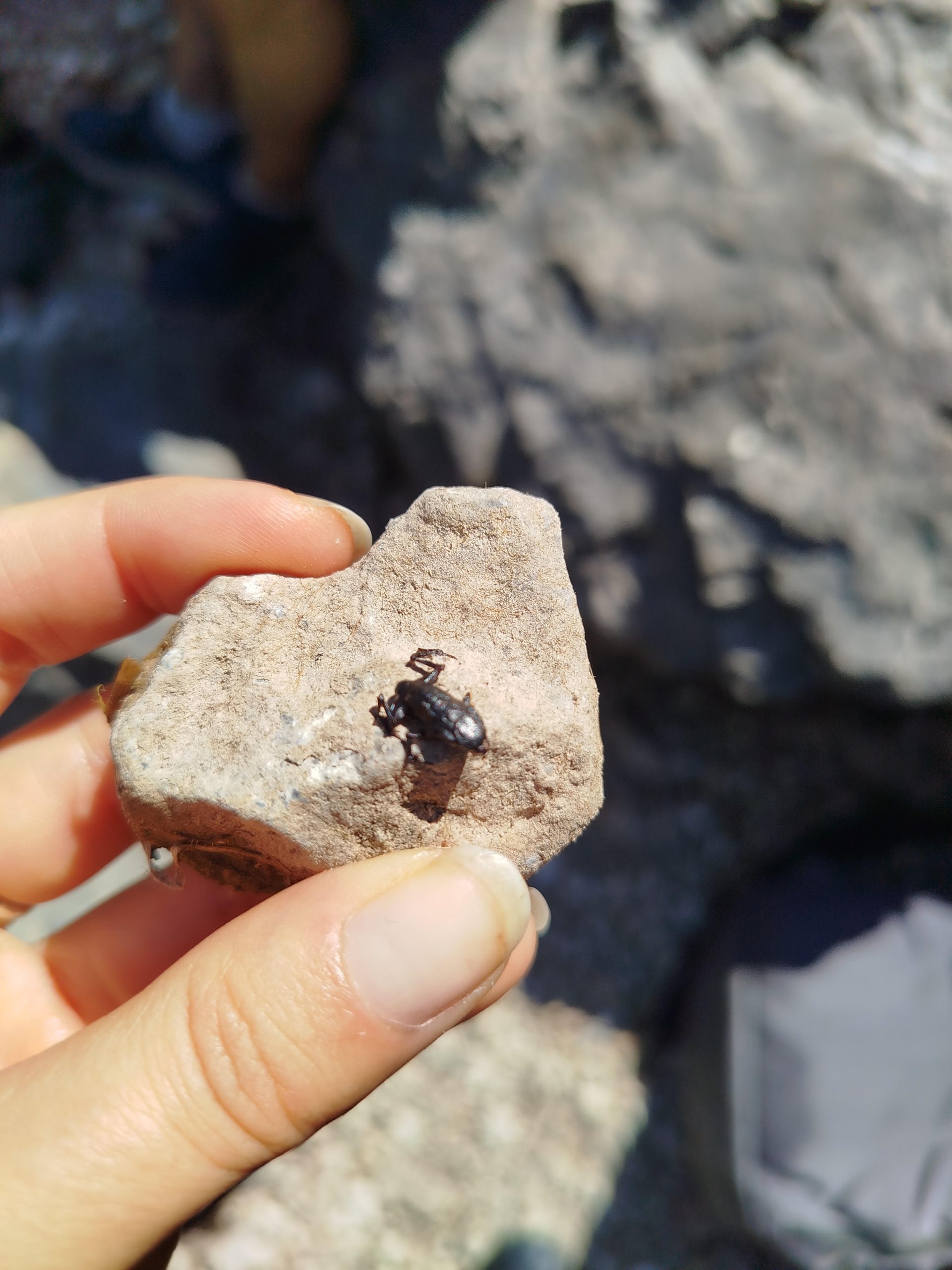
I can’t count how many beetles I carried from one side of the road to the other, trying to protect them from being crushed.
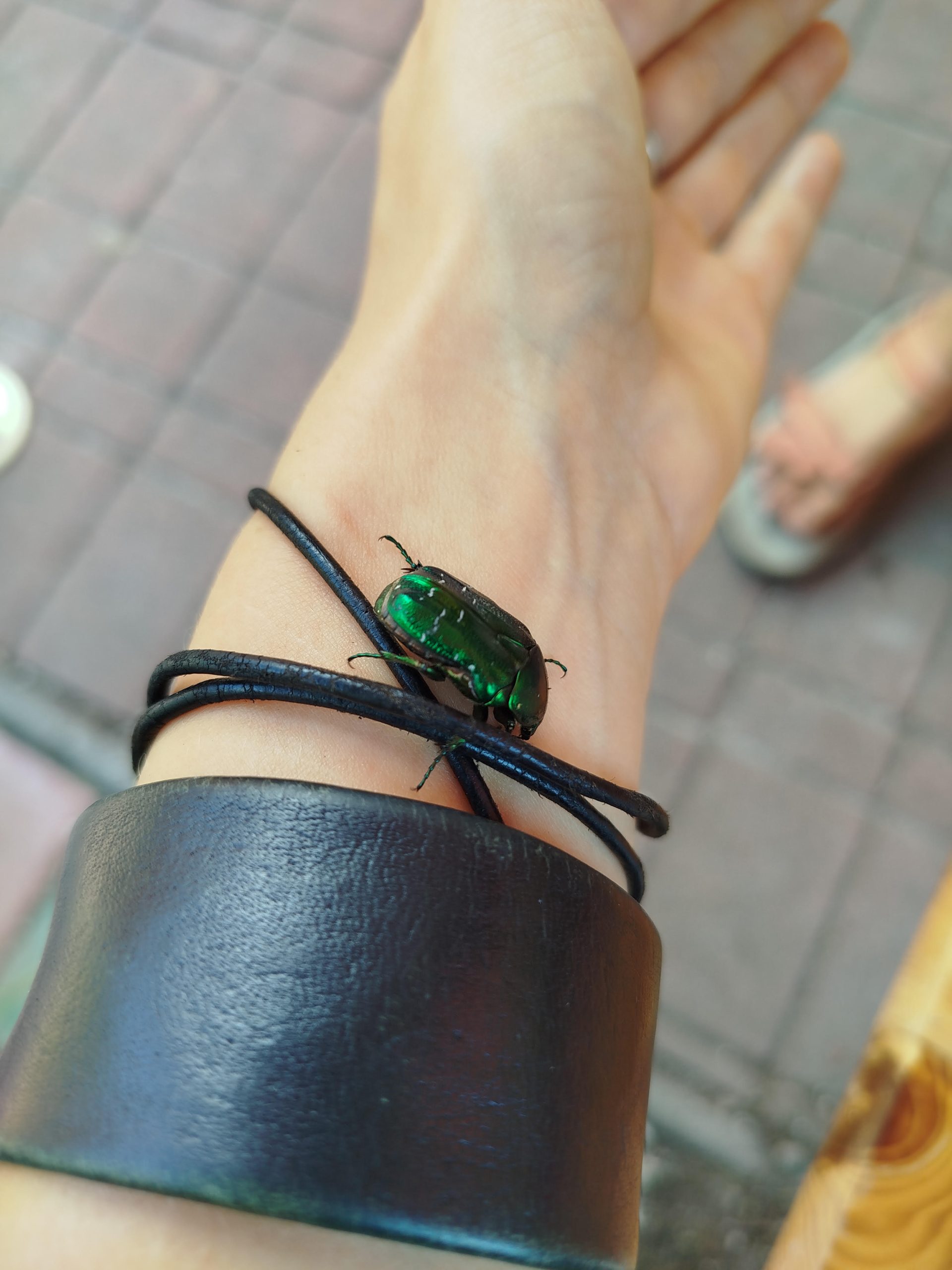
Photo: Karolina Żyniewicz
As for poisonous Alpine plants, I collected several species in the Juliana Alpine Botanical Garden and during a mountain hike. The absolute queen of toxicity is wolfsbane (Aconitum), which contains aconitine. As little as 5 mg can be lethal. One of the campers kept calling me Poison Ivy, and I have to admit I quite like it as a new nickname. :)
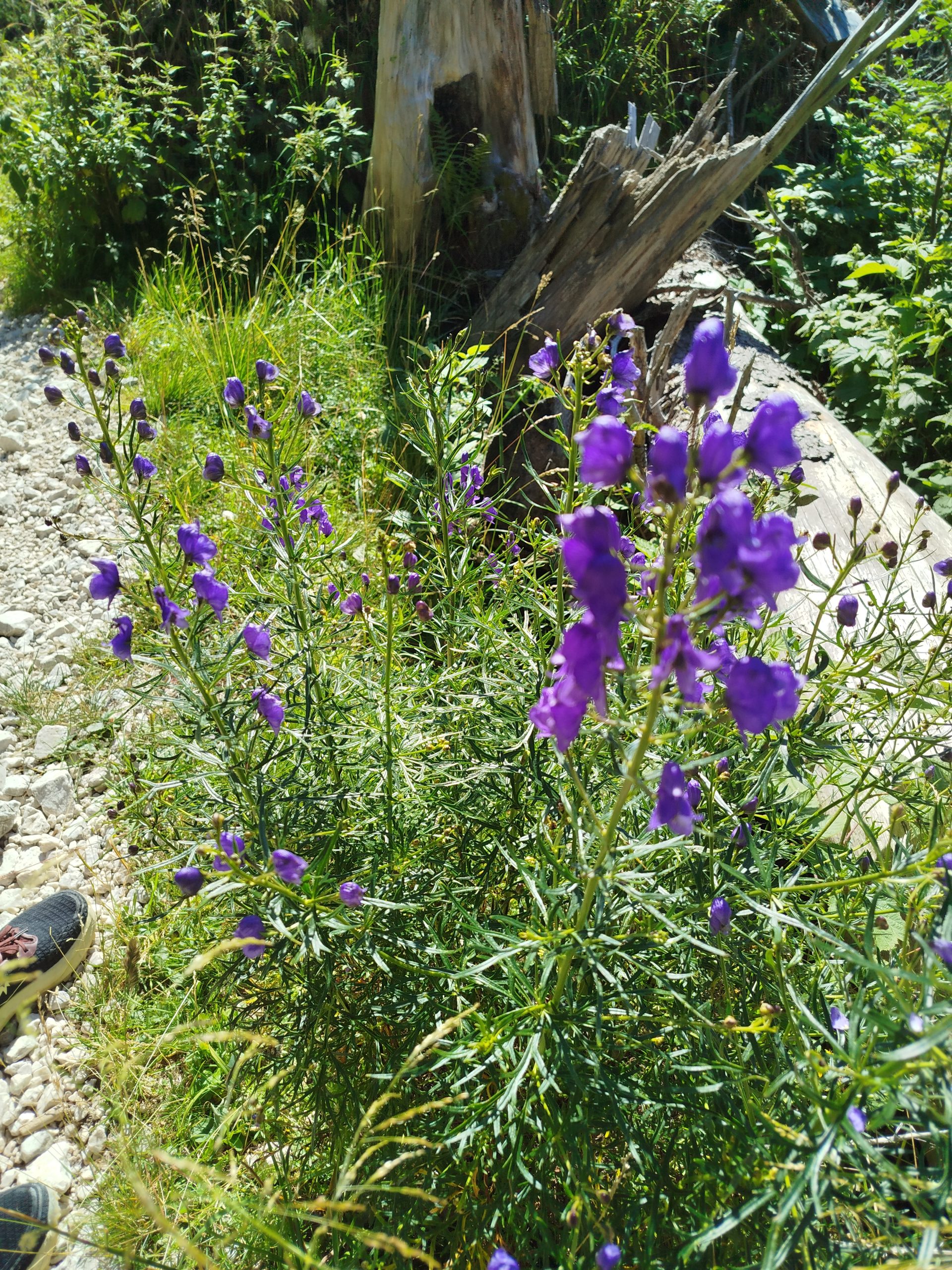
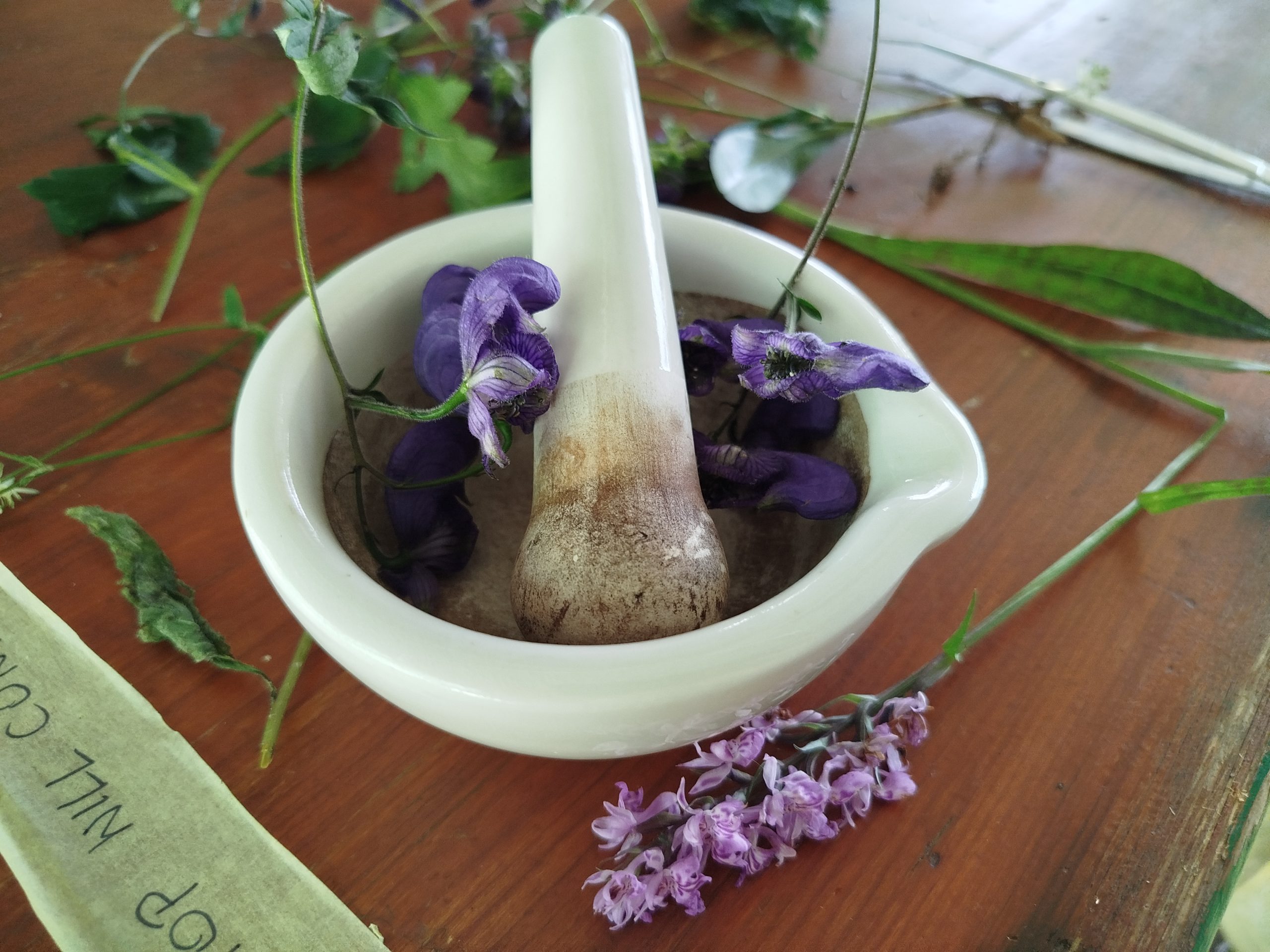
Photos: Karolina Żyniewicz
I am writing these impressions while sitting at the airport, waiting for my flight back to Berlin. My thoughts may be a bit chaotic because everything is still so fresh. I am a little sad. Moving from the mountains back to smelly, dirty Berlin is quite a cognitive and aesthetic shock. :)
Will I come back to the PIFcamp next year? Well, I’ll practice my live soldering, and then I can apply again. :)
Text by Karolina Żyniewicz.