hush
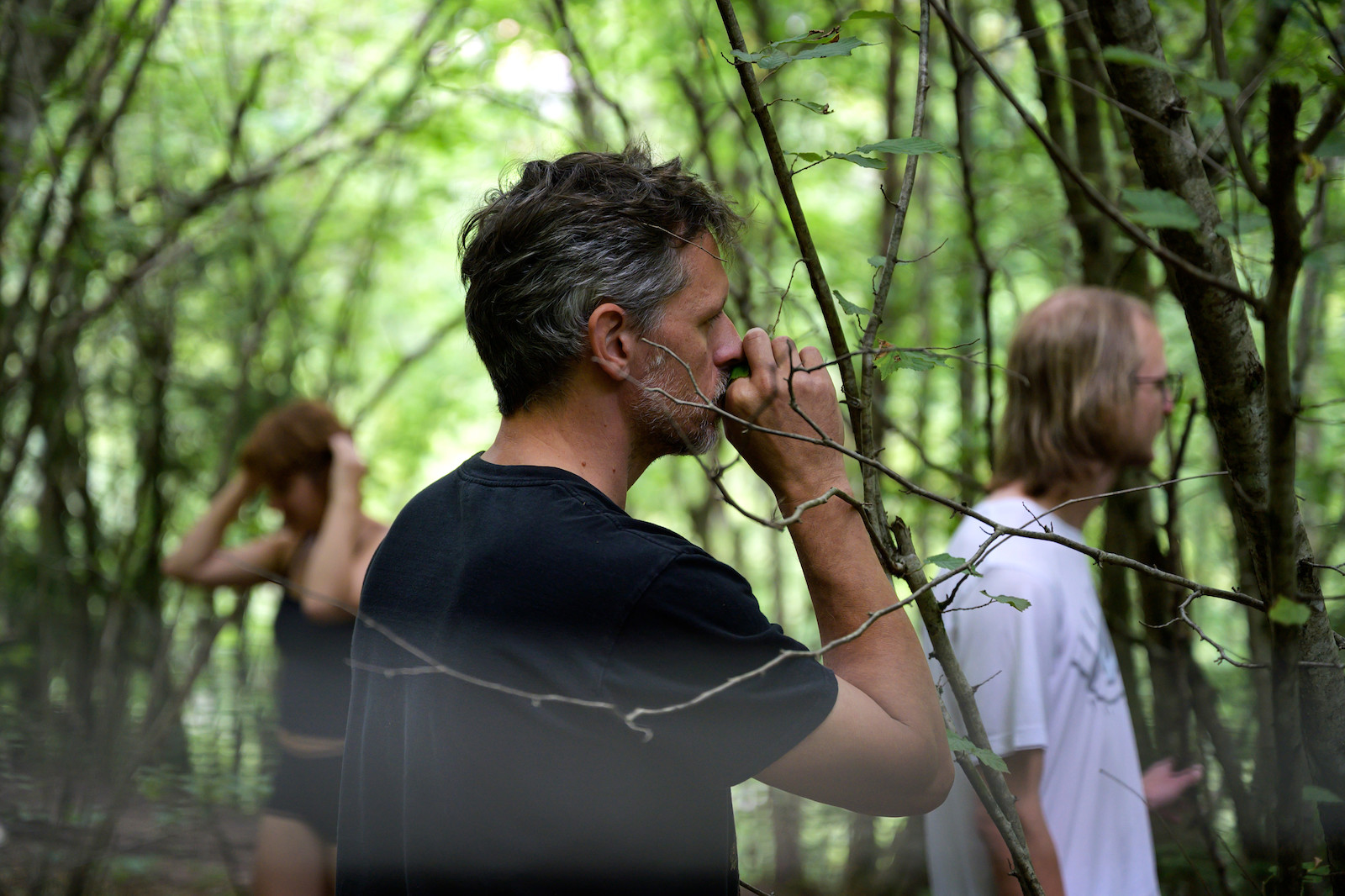
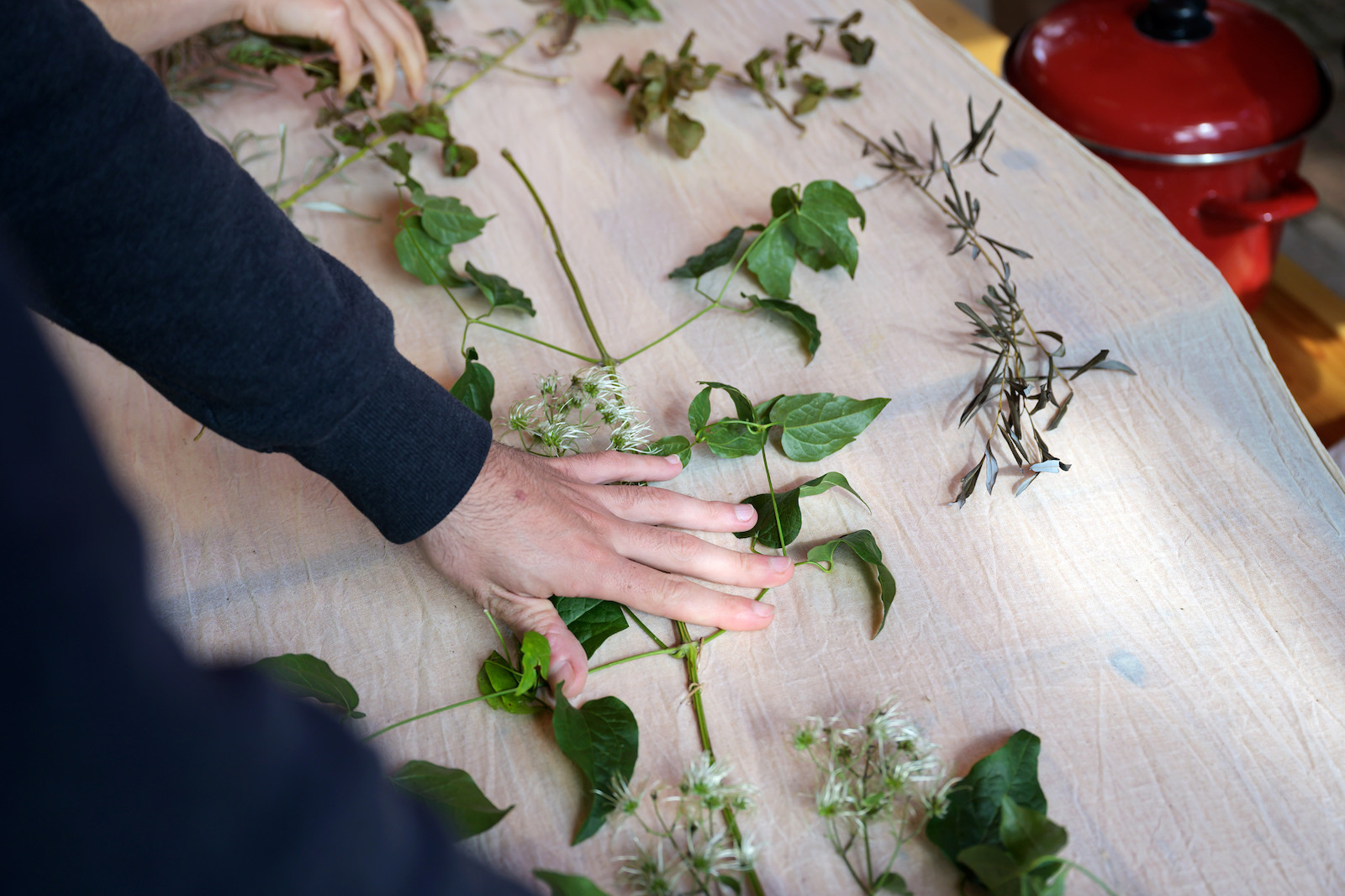
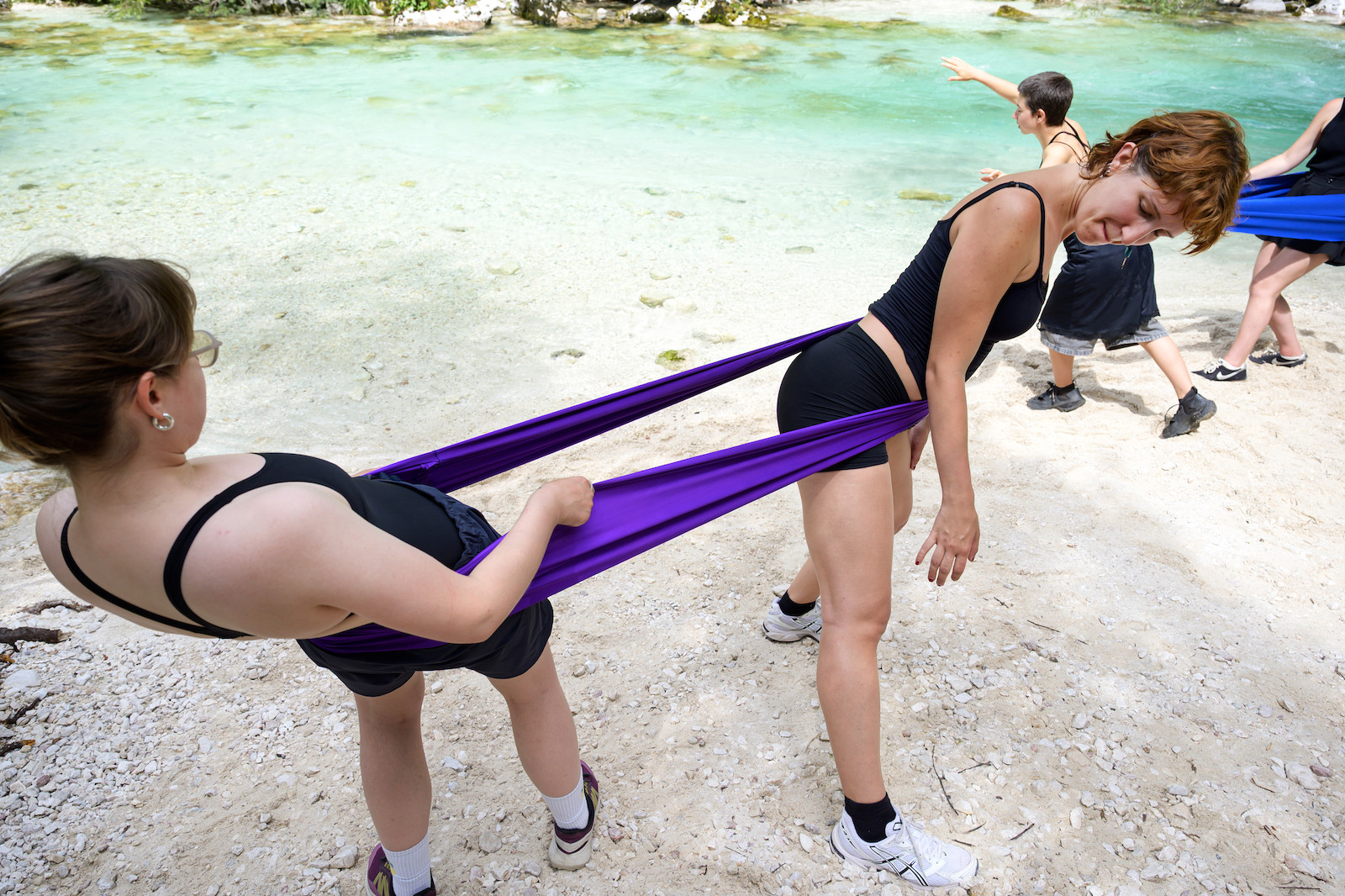
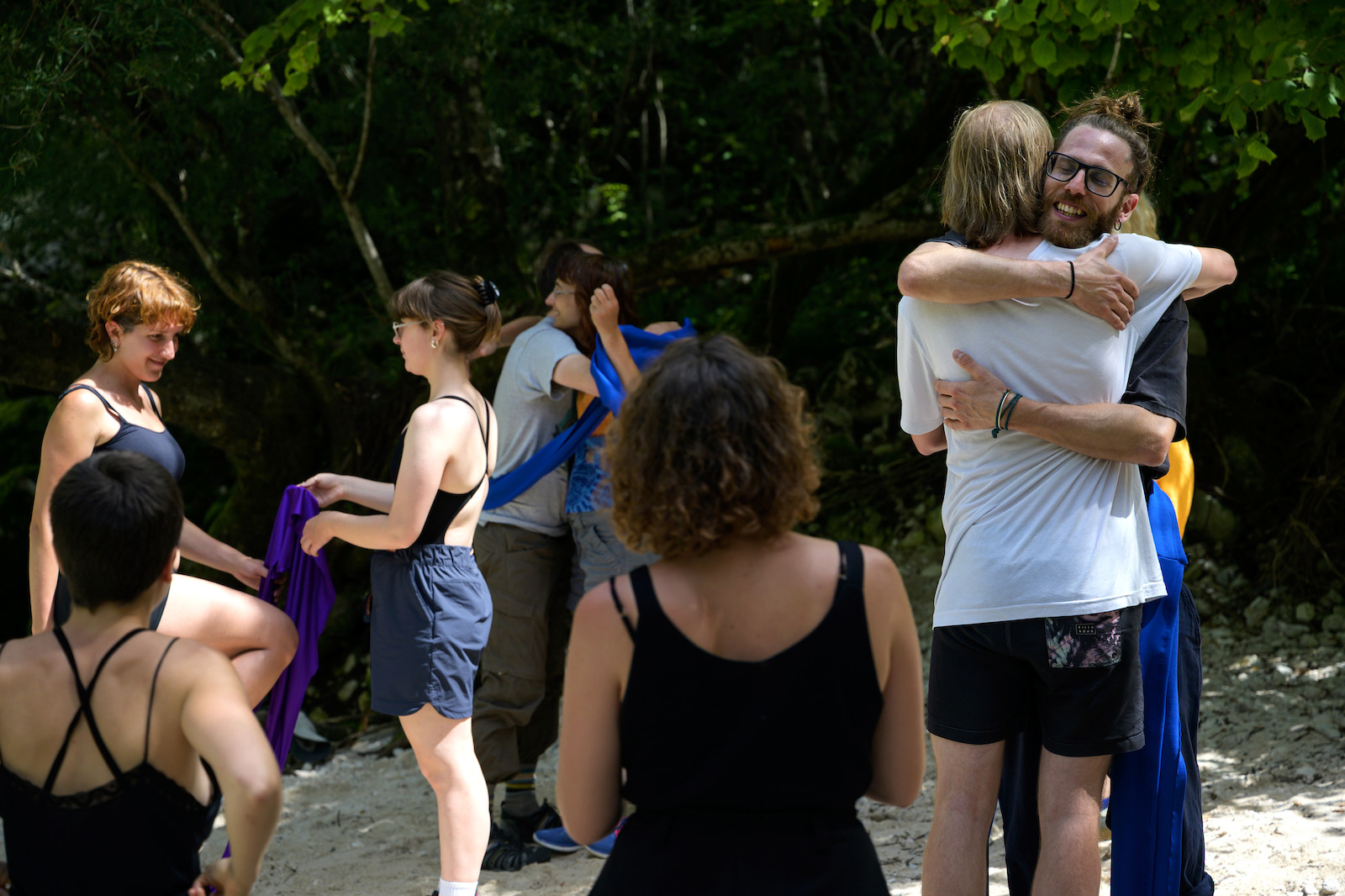
Photos by: Katja Goljat
hush
Photos by: Katja Goljat

“To record the birth in the fire of a brave new world, purified from the itchiness of the crawly life, molten to primeval elements and braided into a delicate lace of magical rainbow crystals.” – Tomaž Lavrič: Blind Sun (Stripburger, 2004)
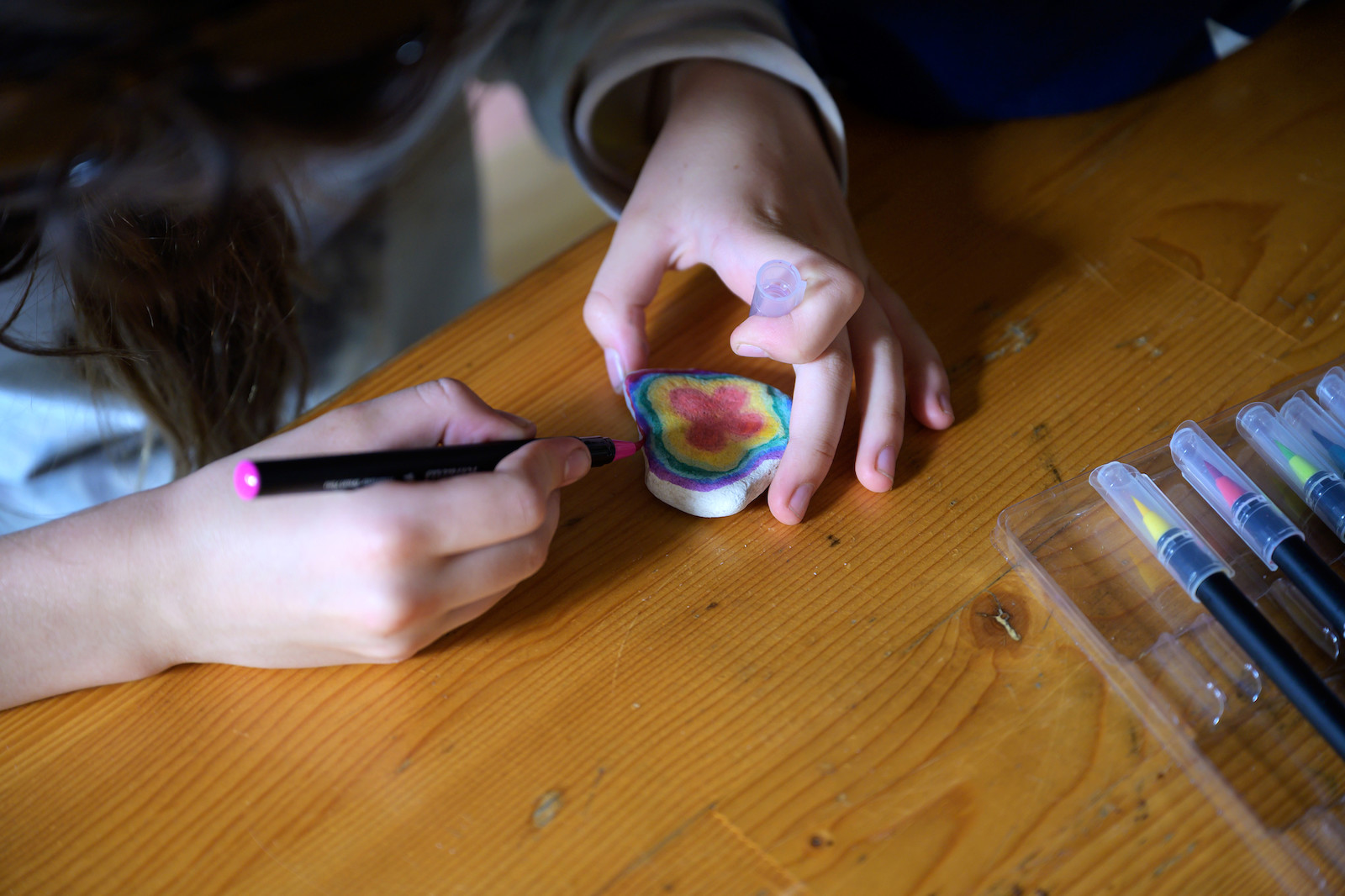
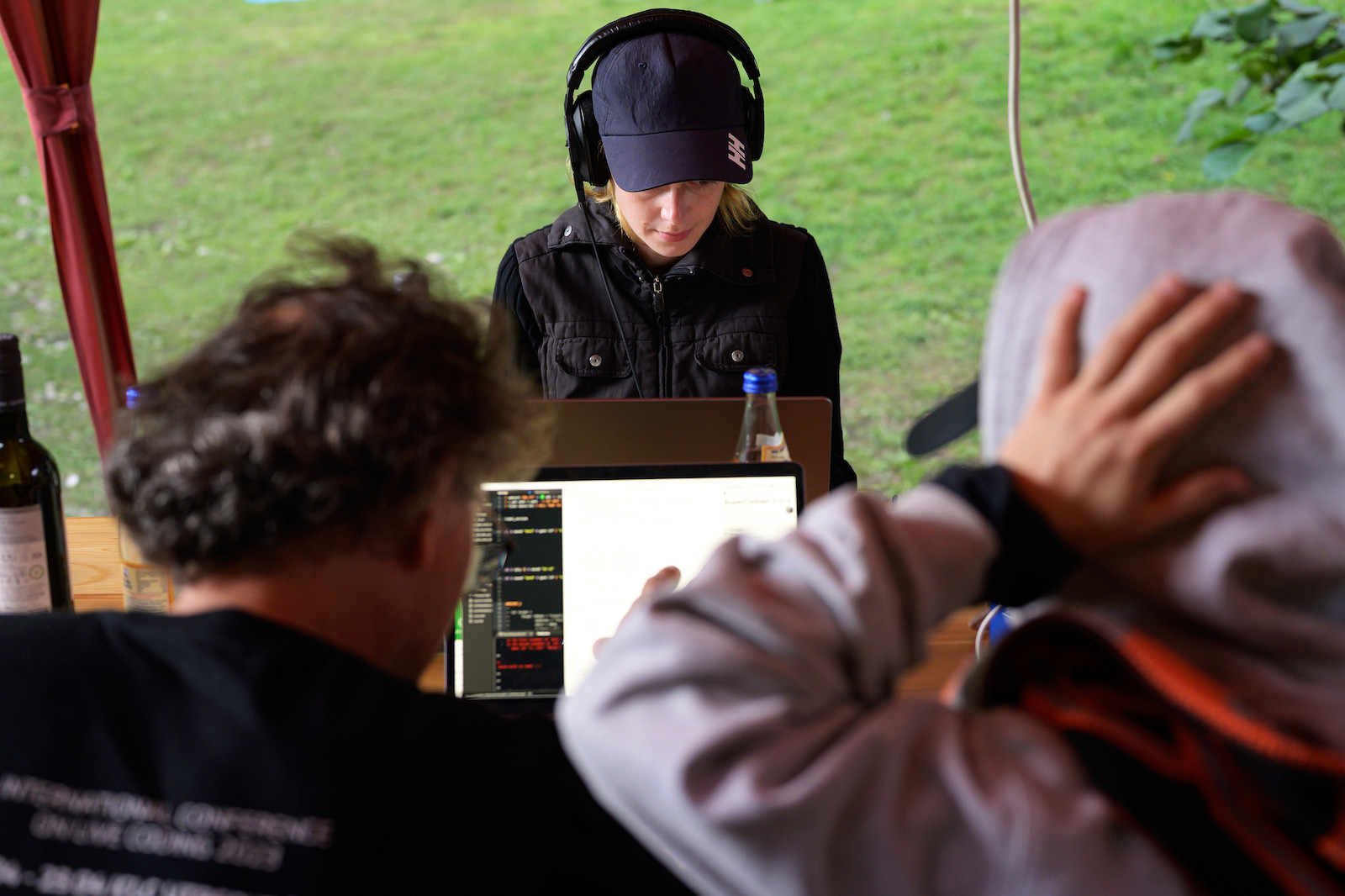
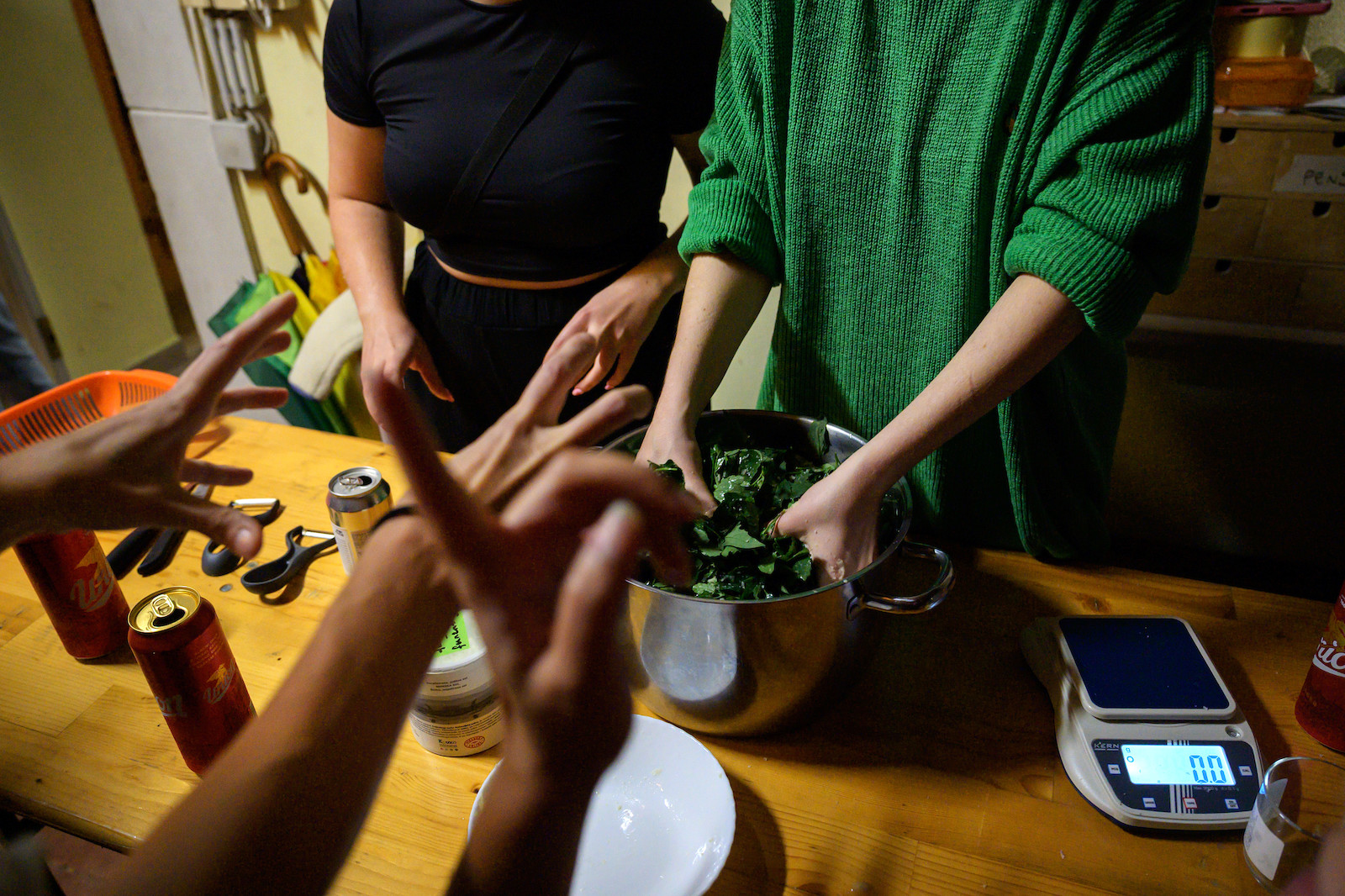
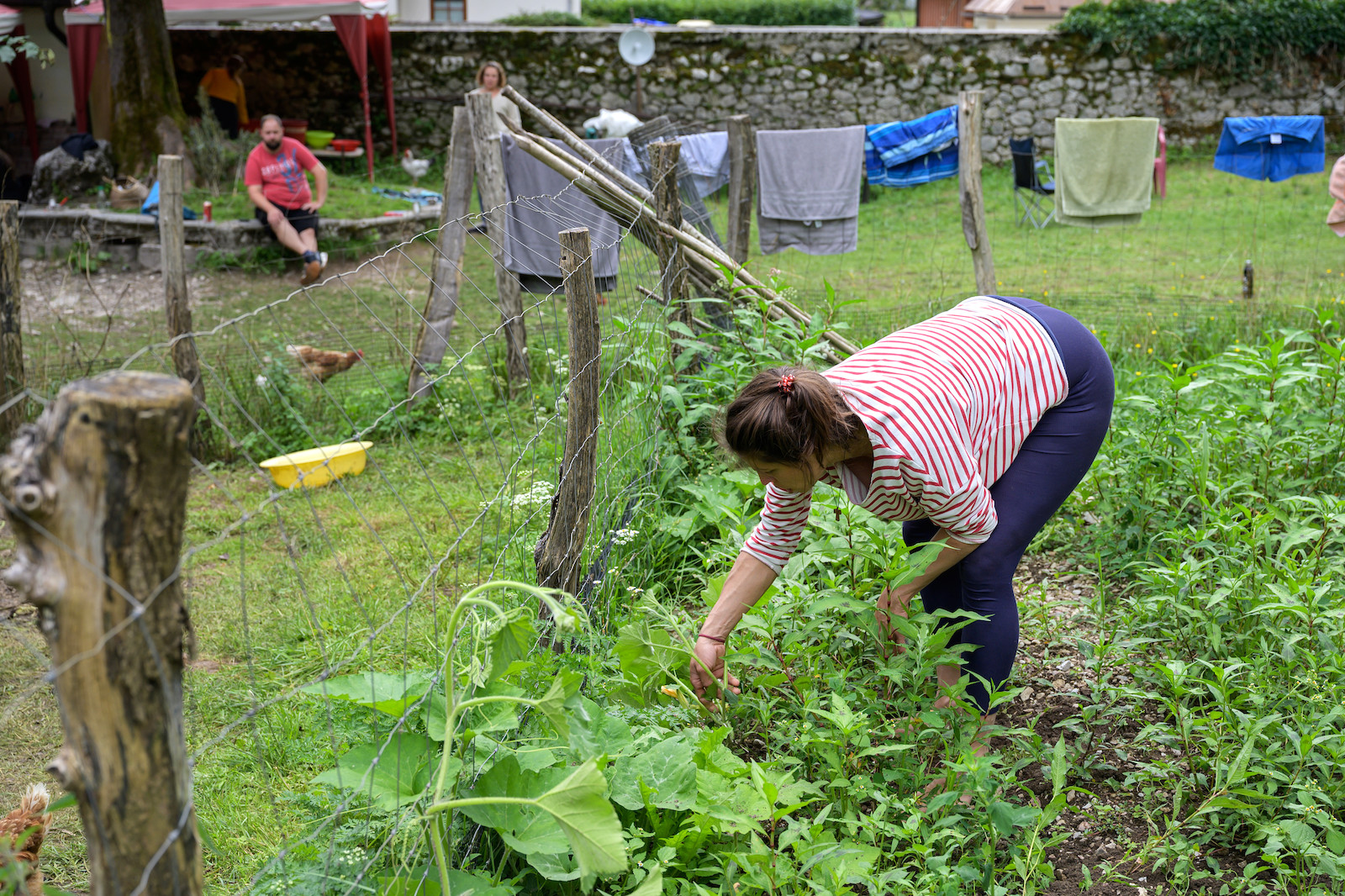
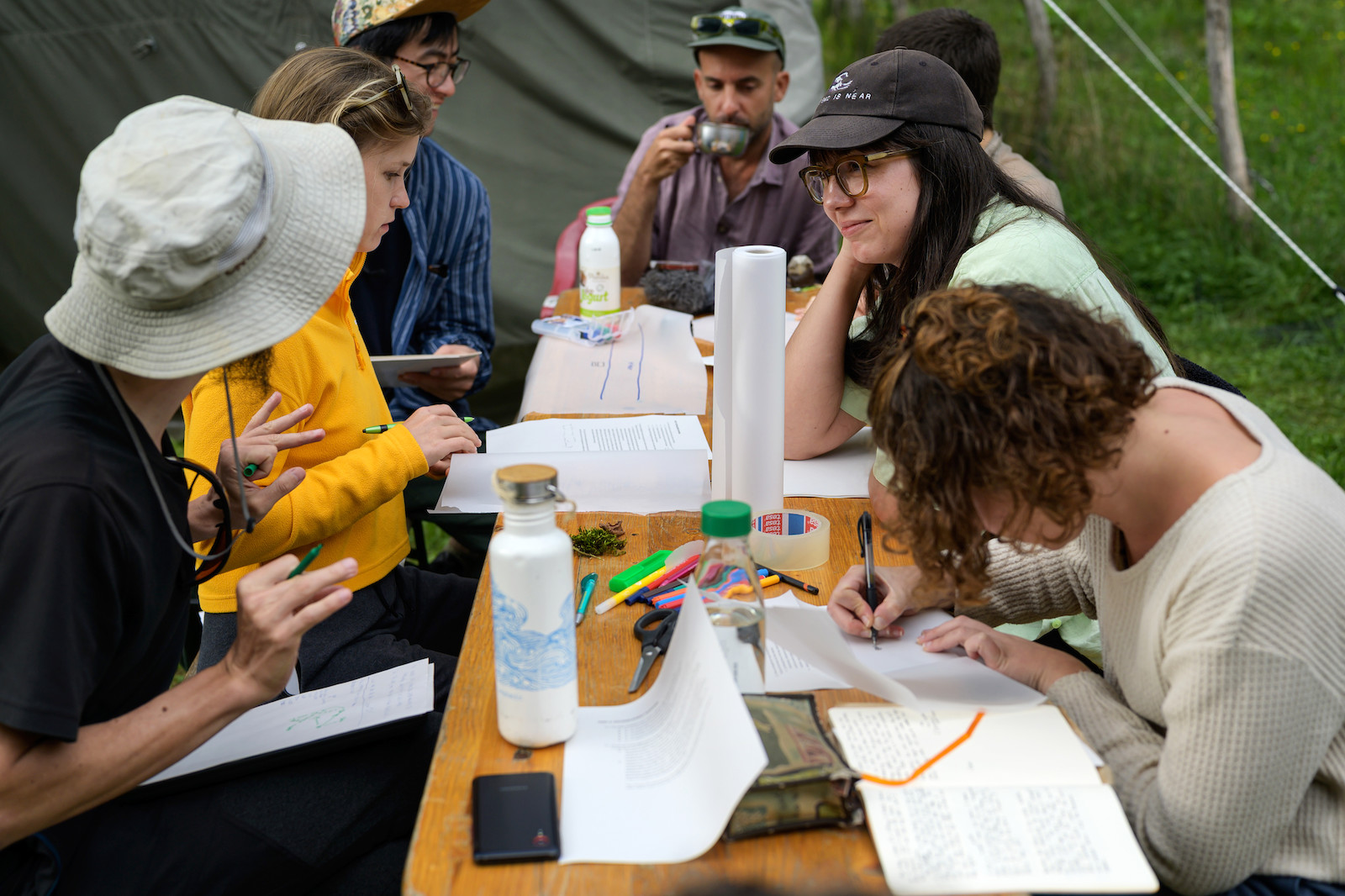
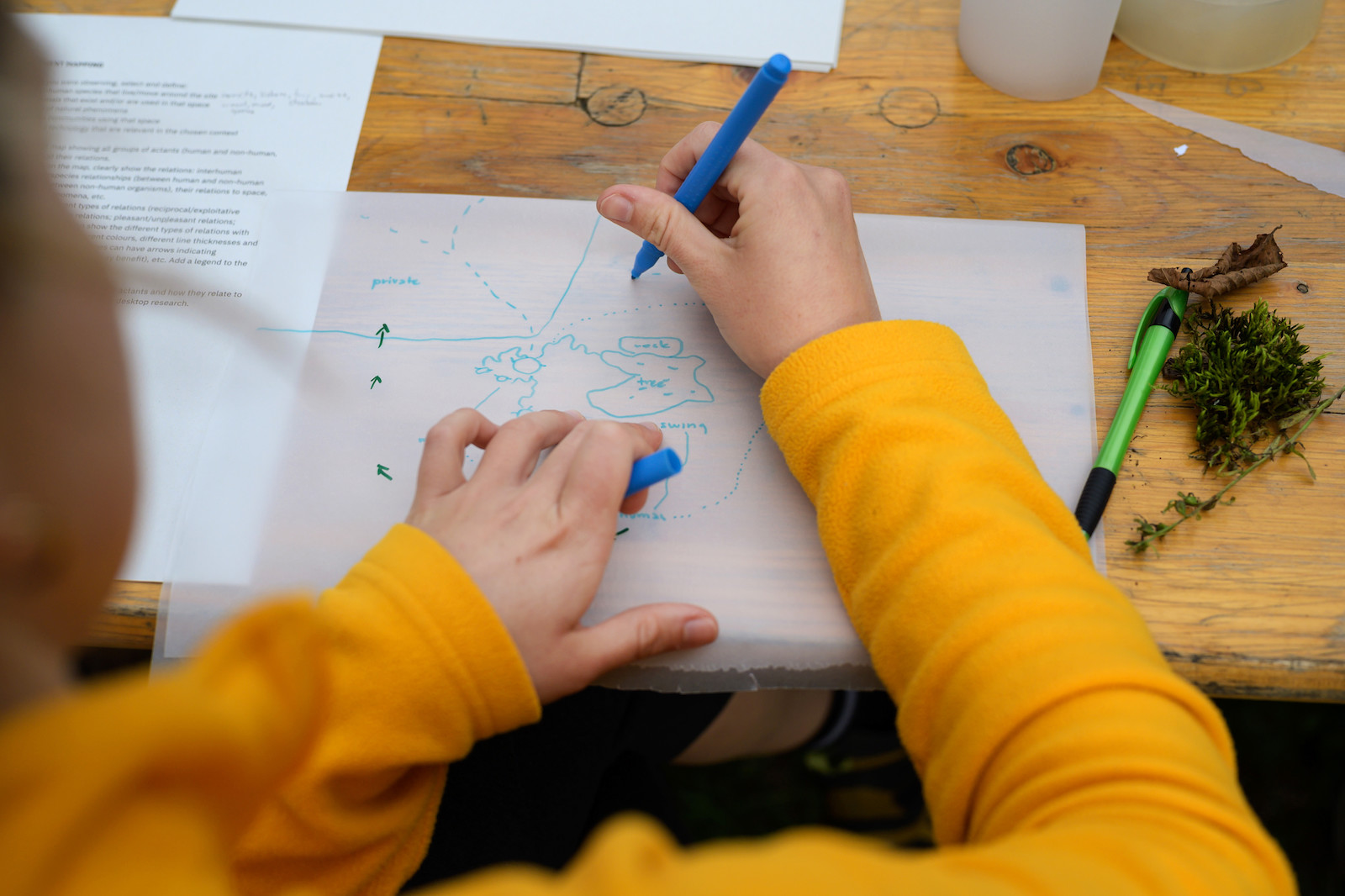
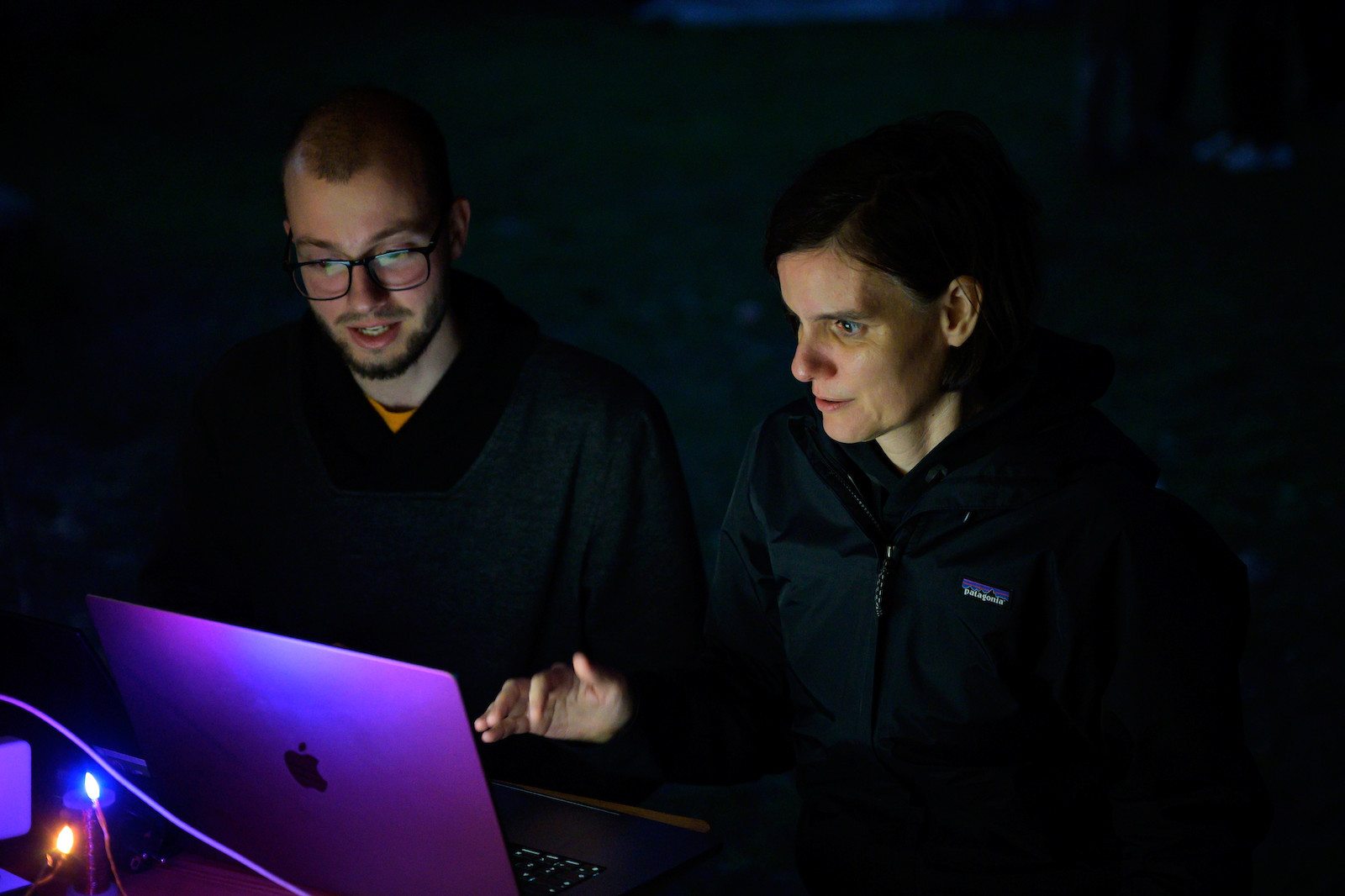
Photos by: Katja Goljat

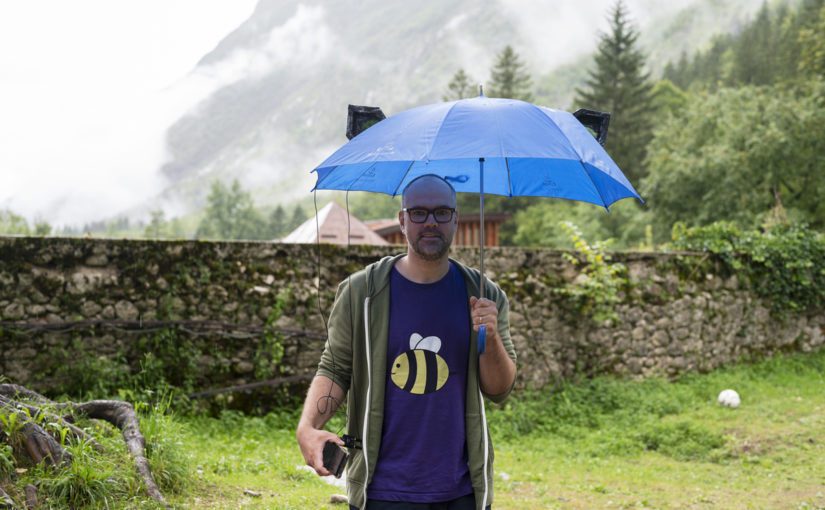
Day three. Sun for the first time. Maja’s birthday.
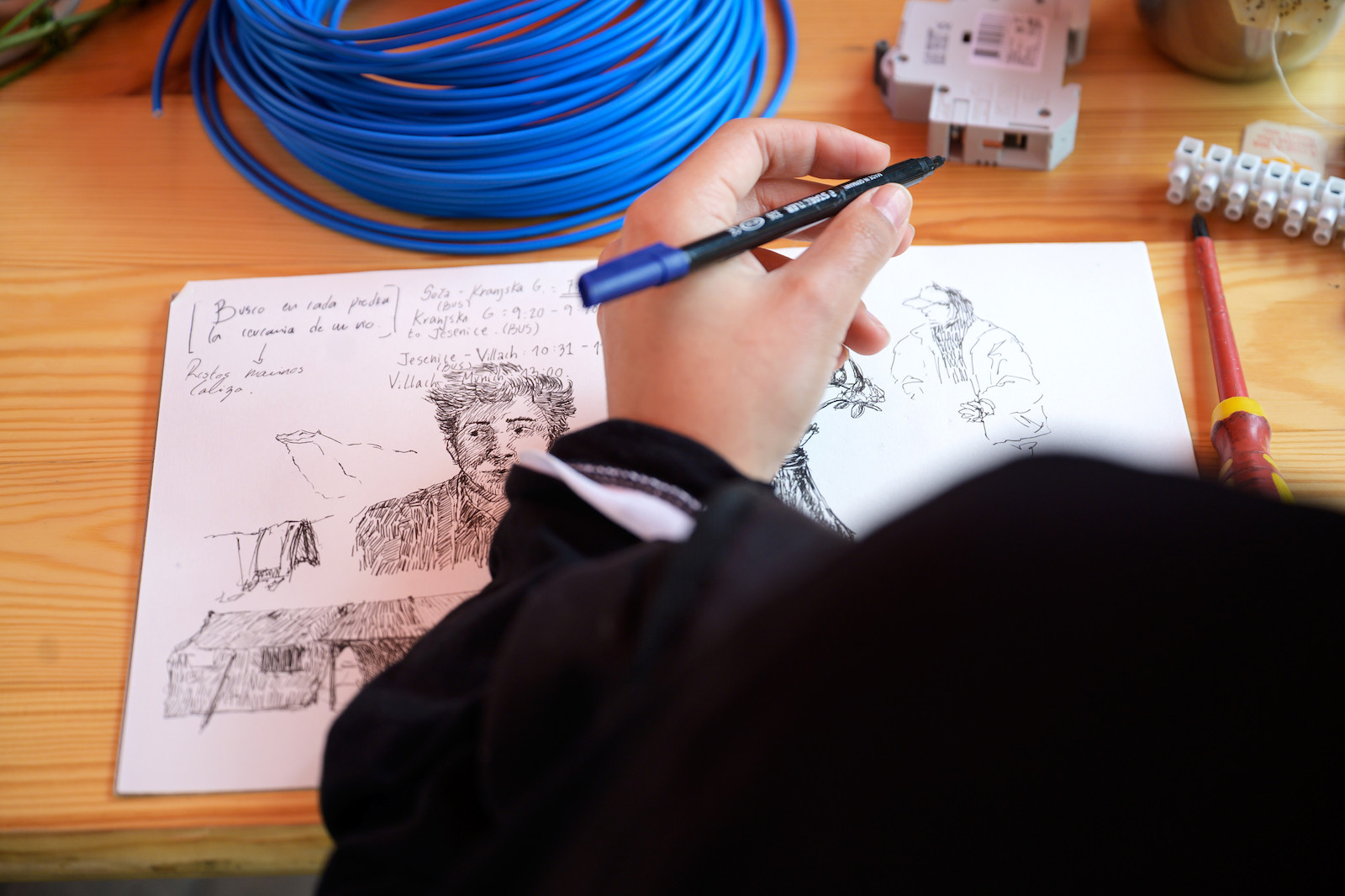
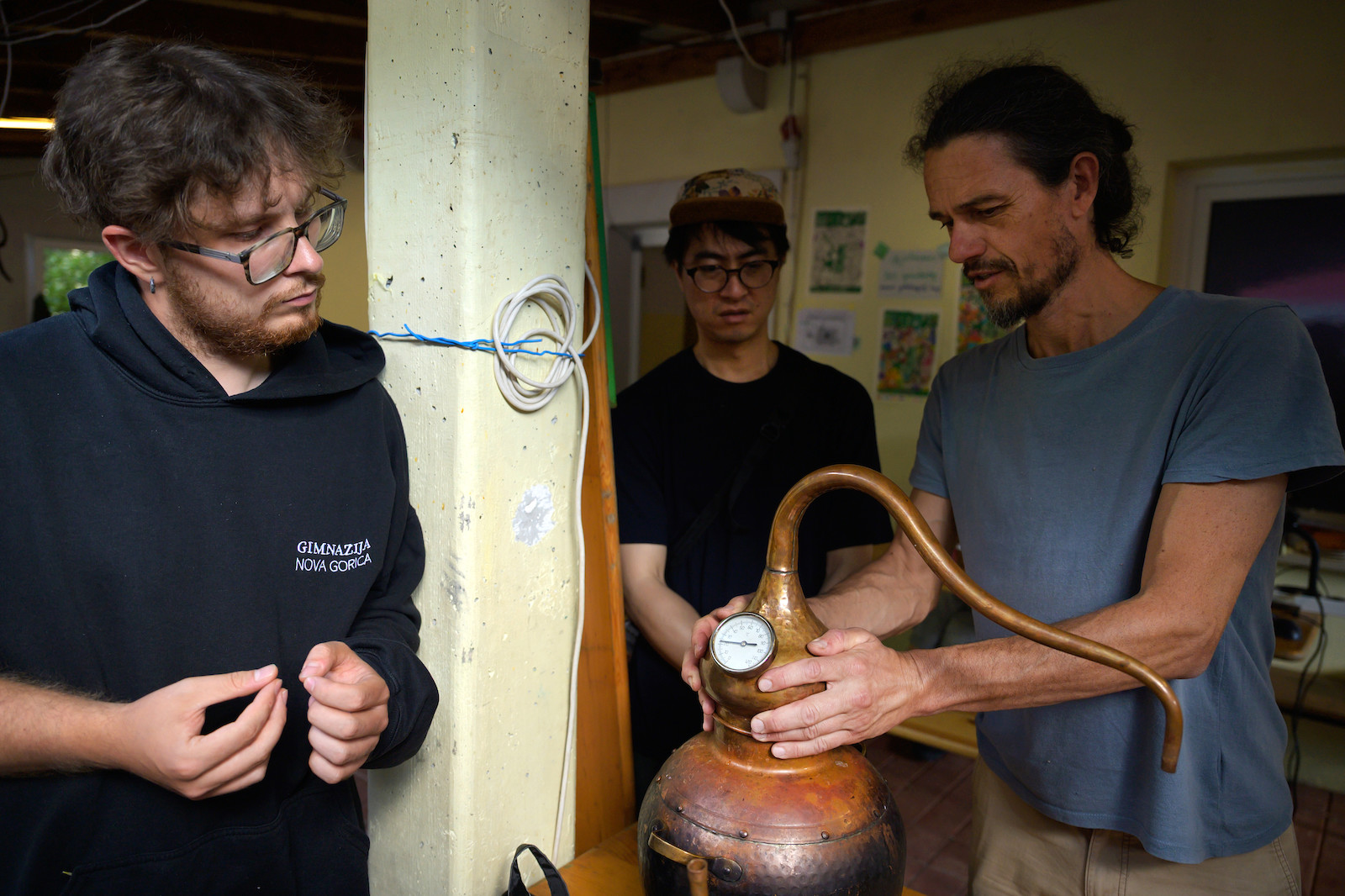
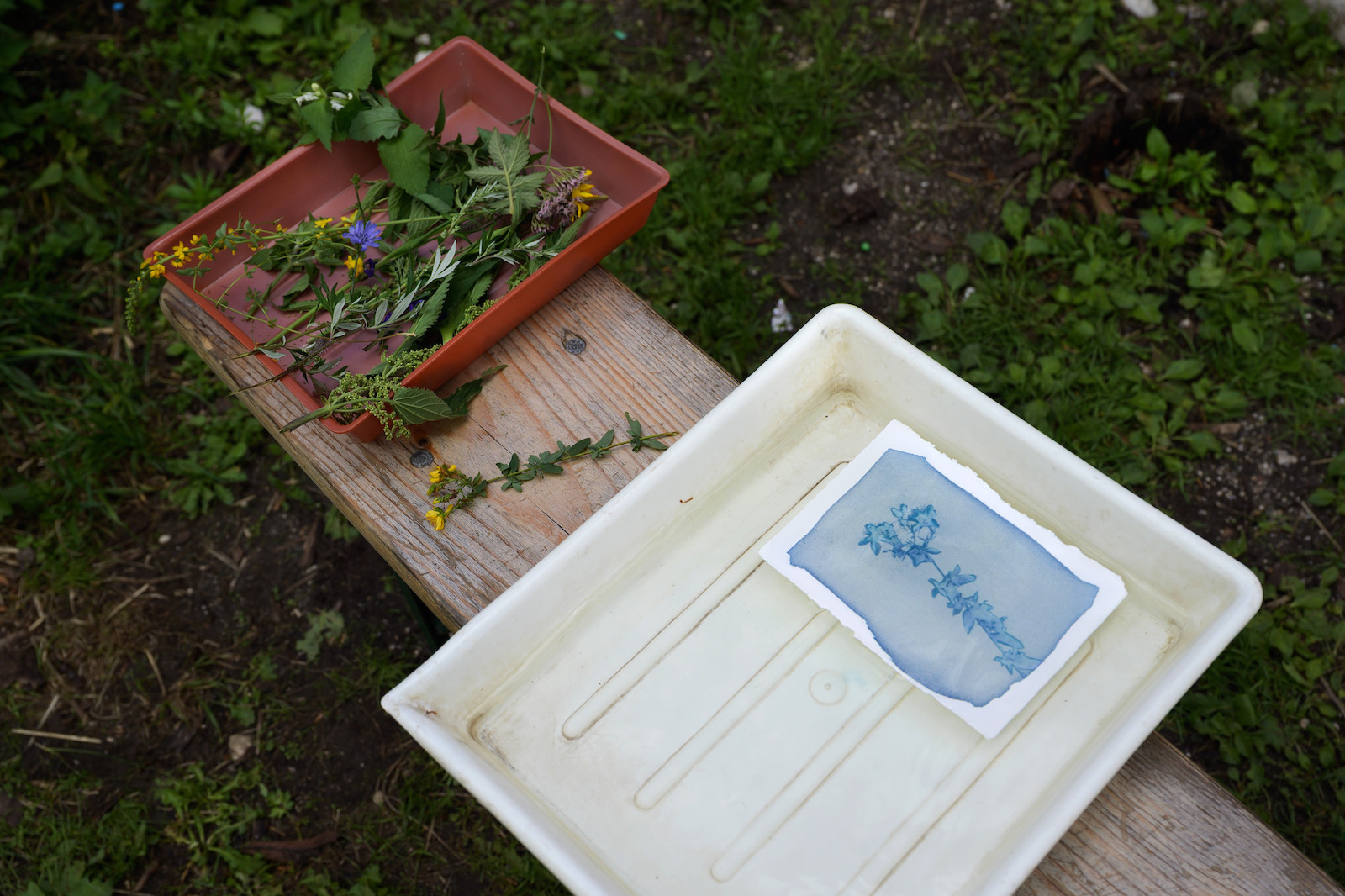
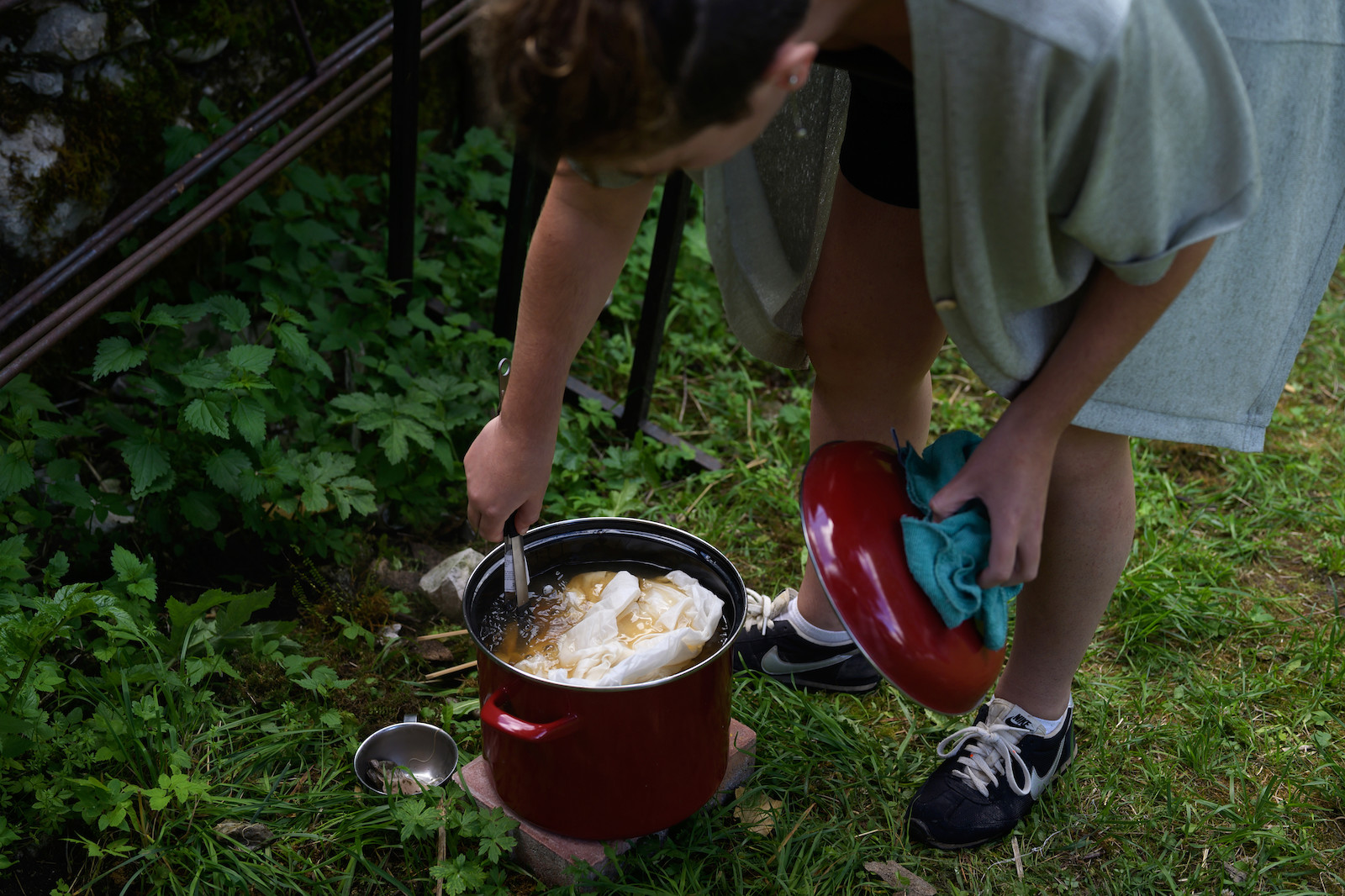
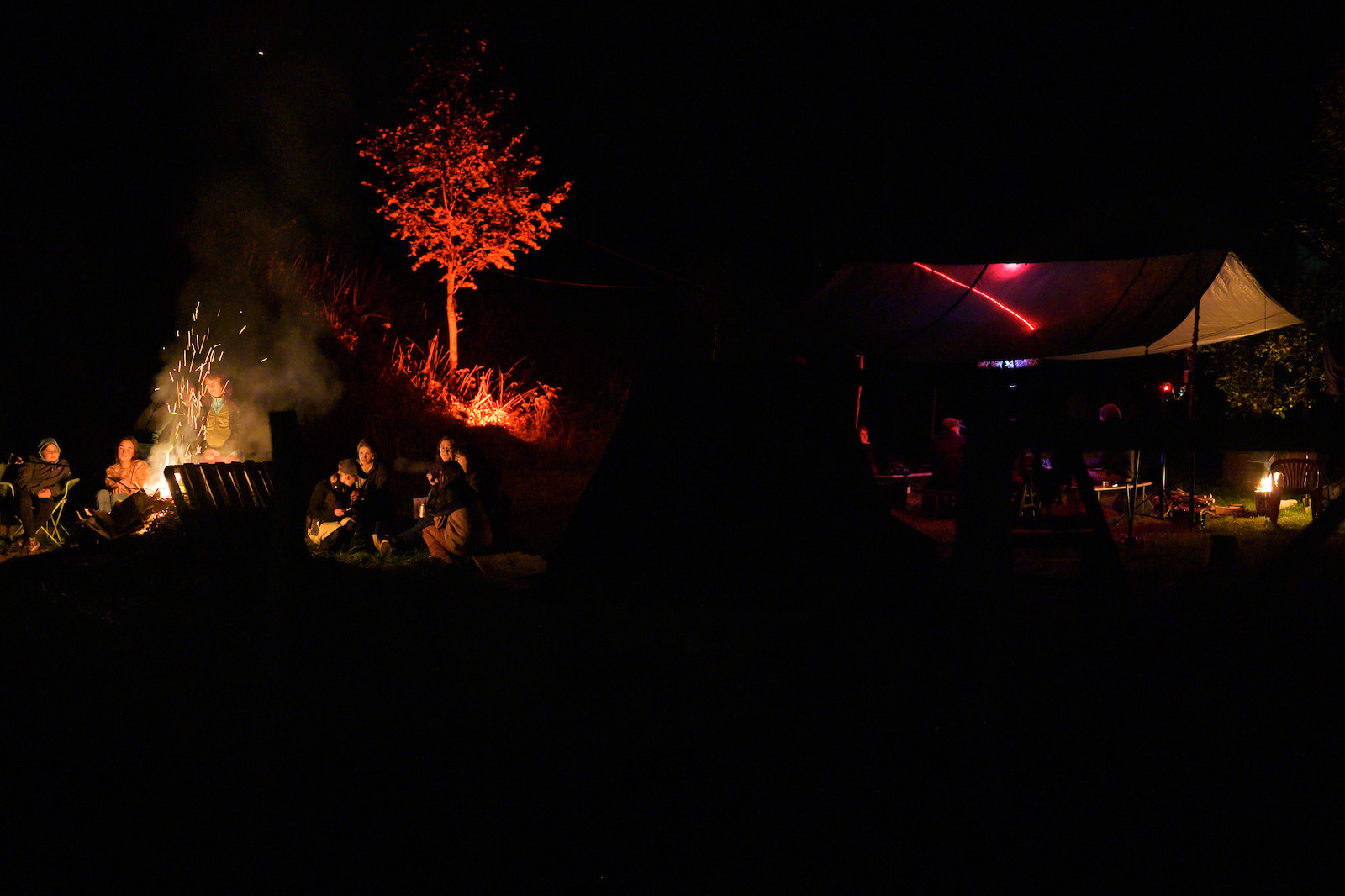
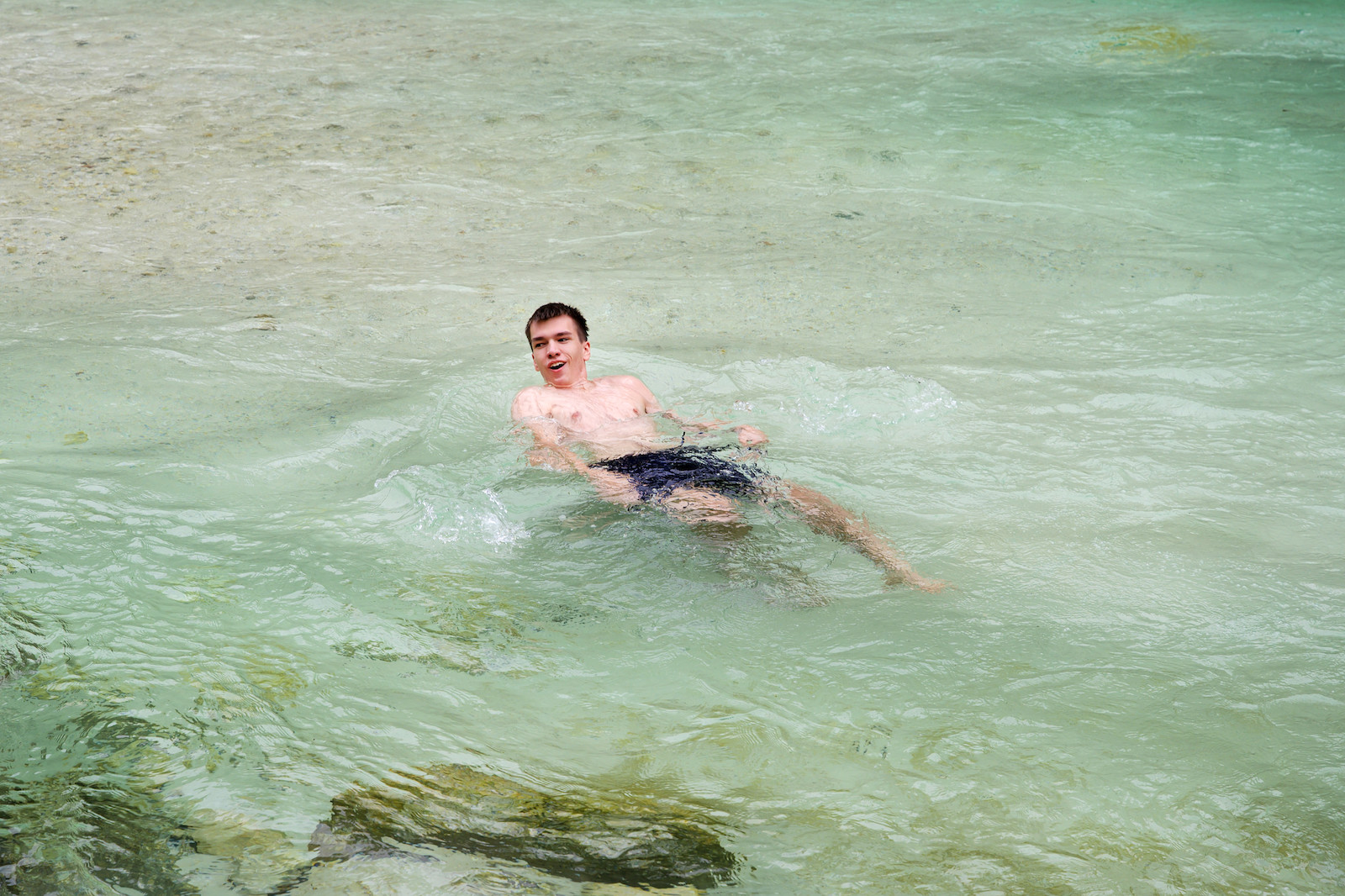
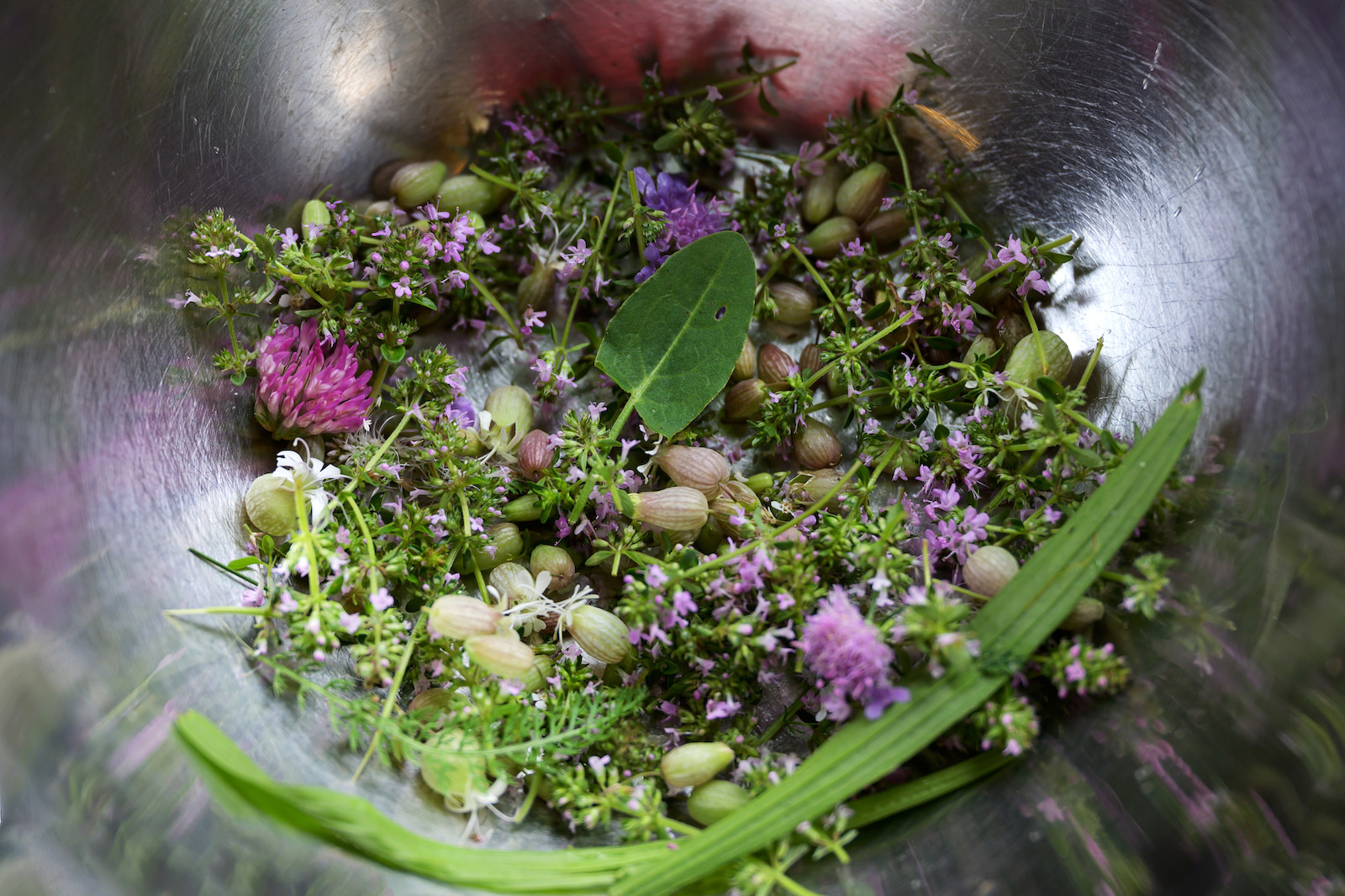
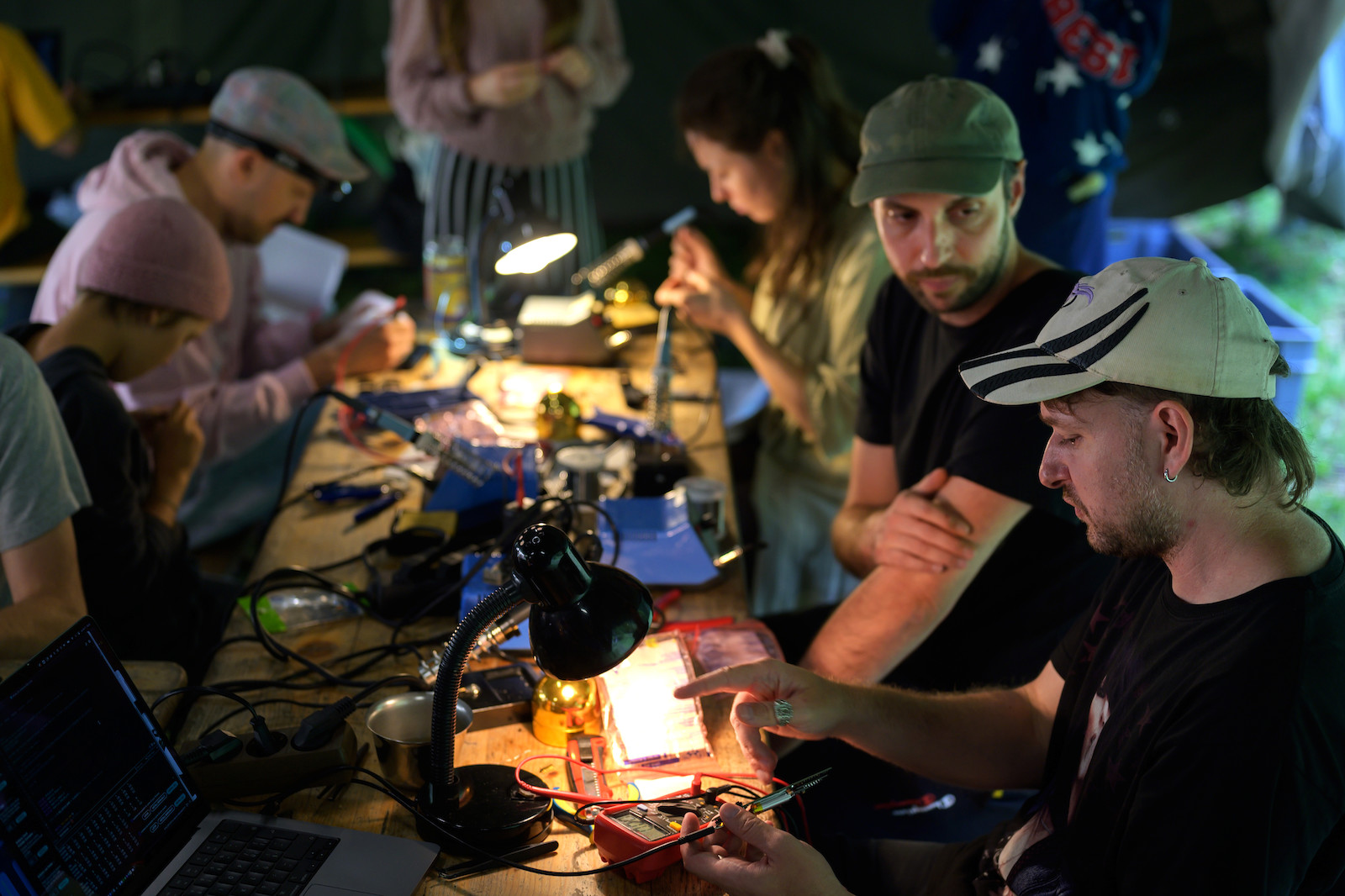
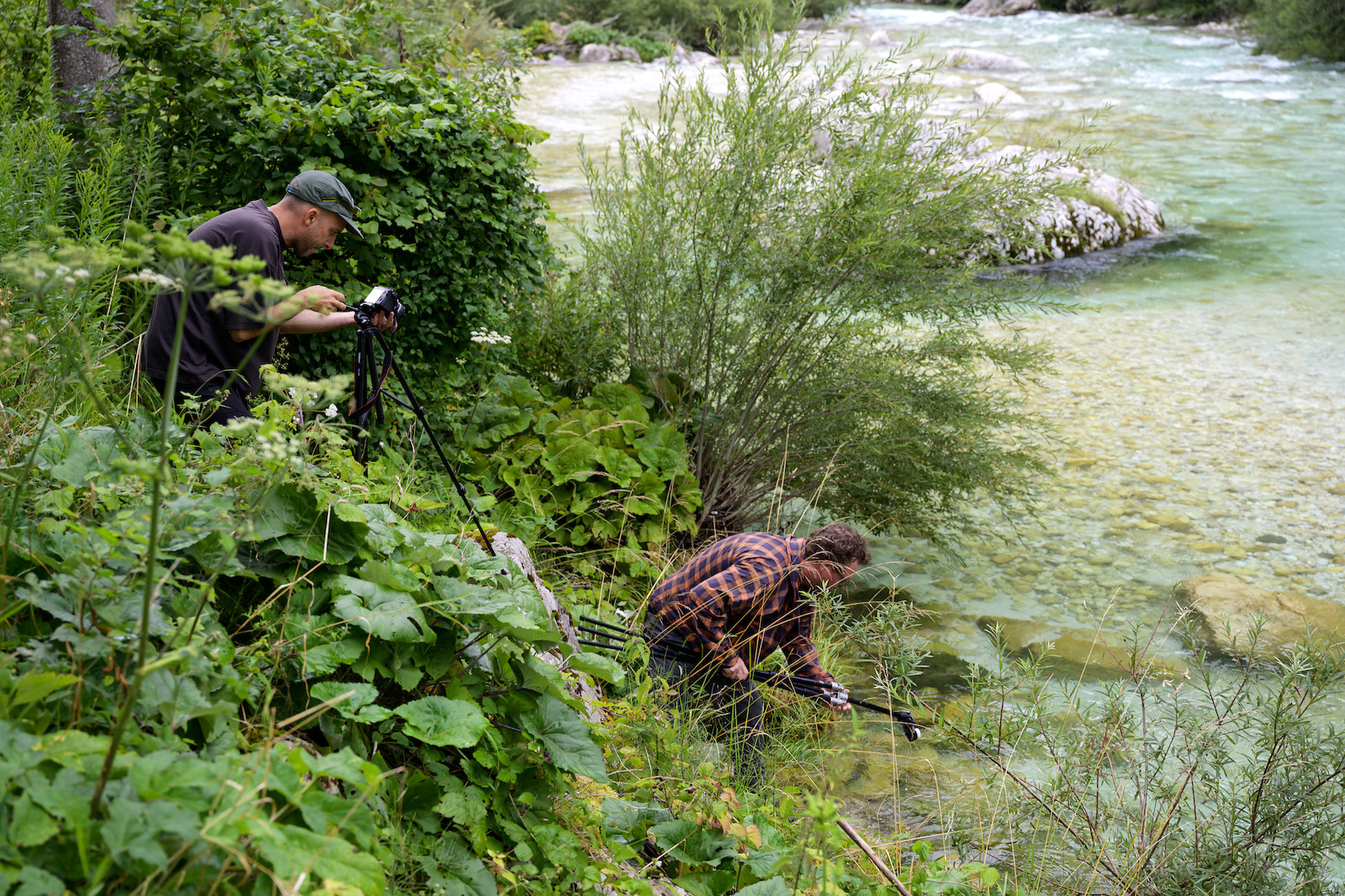
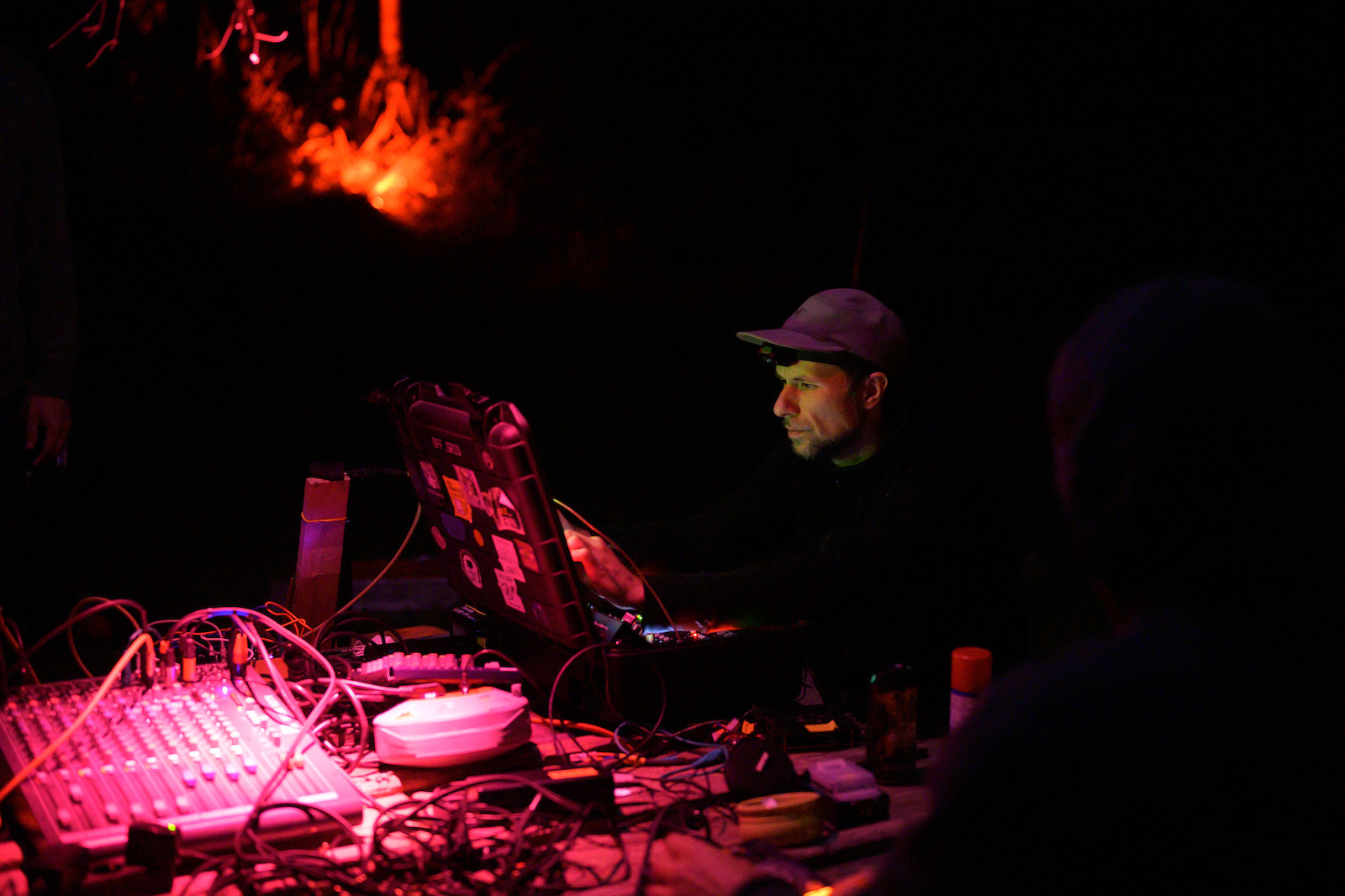
Photos by: Katja Goljat
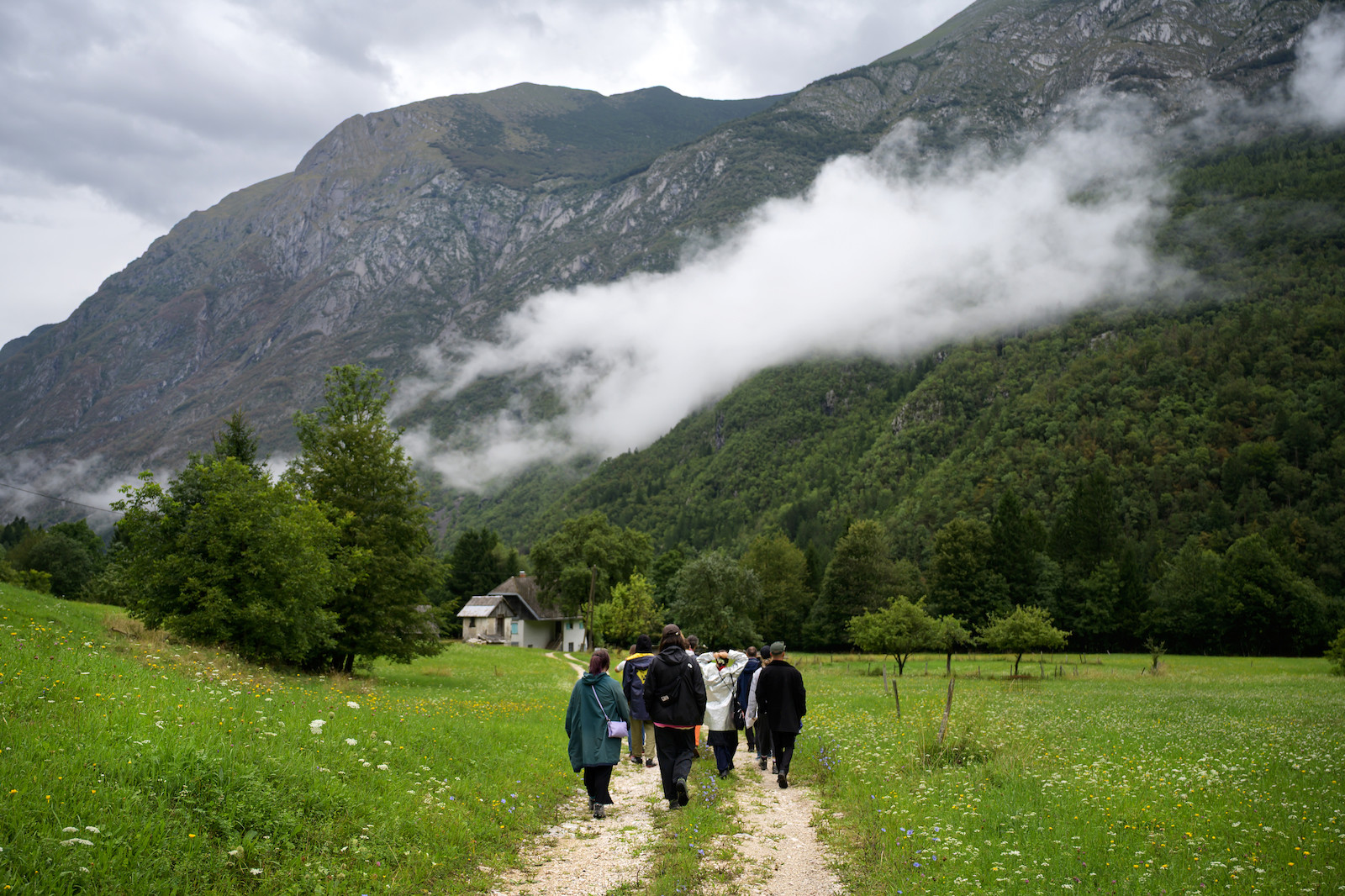
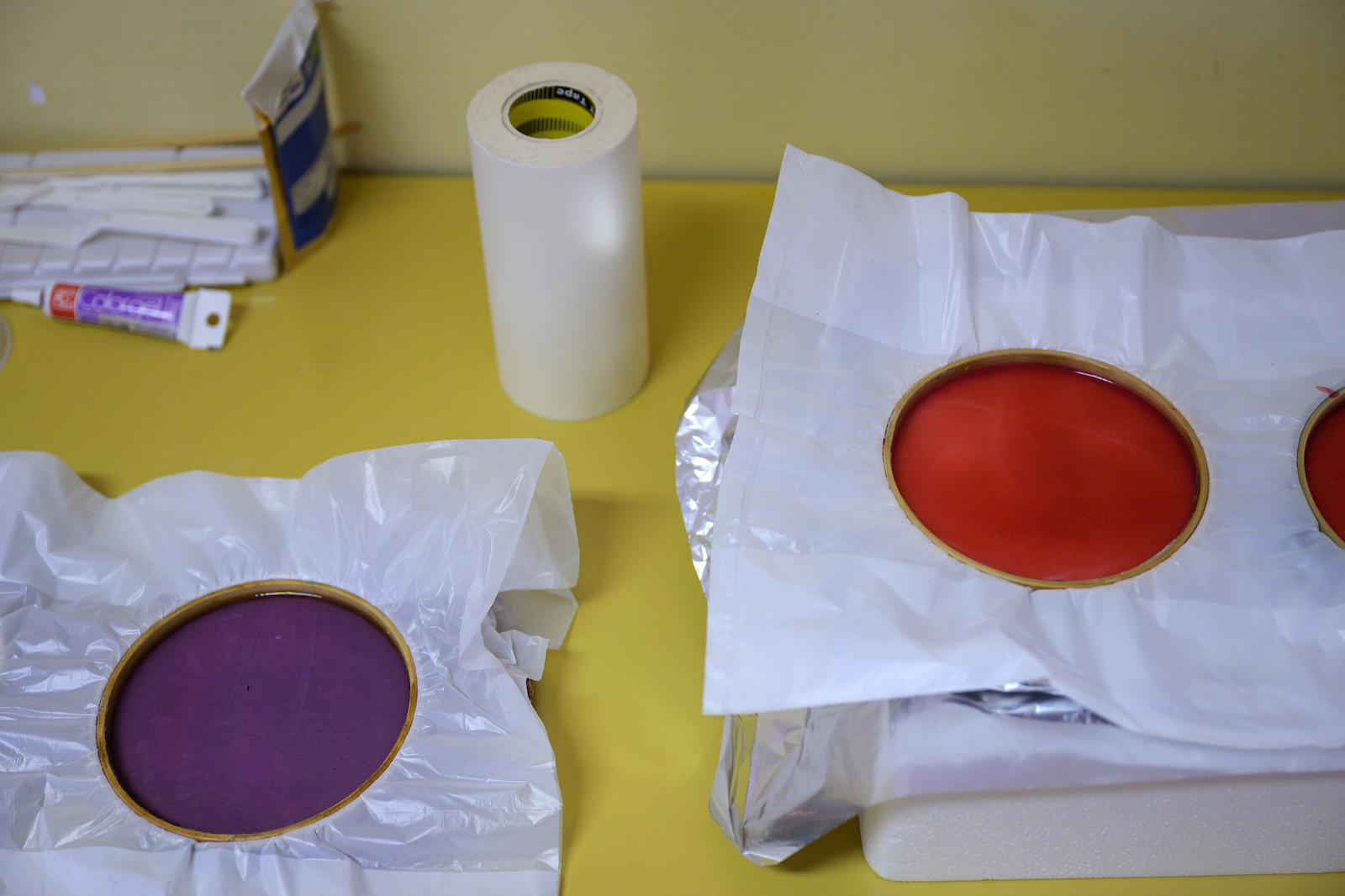
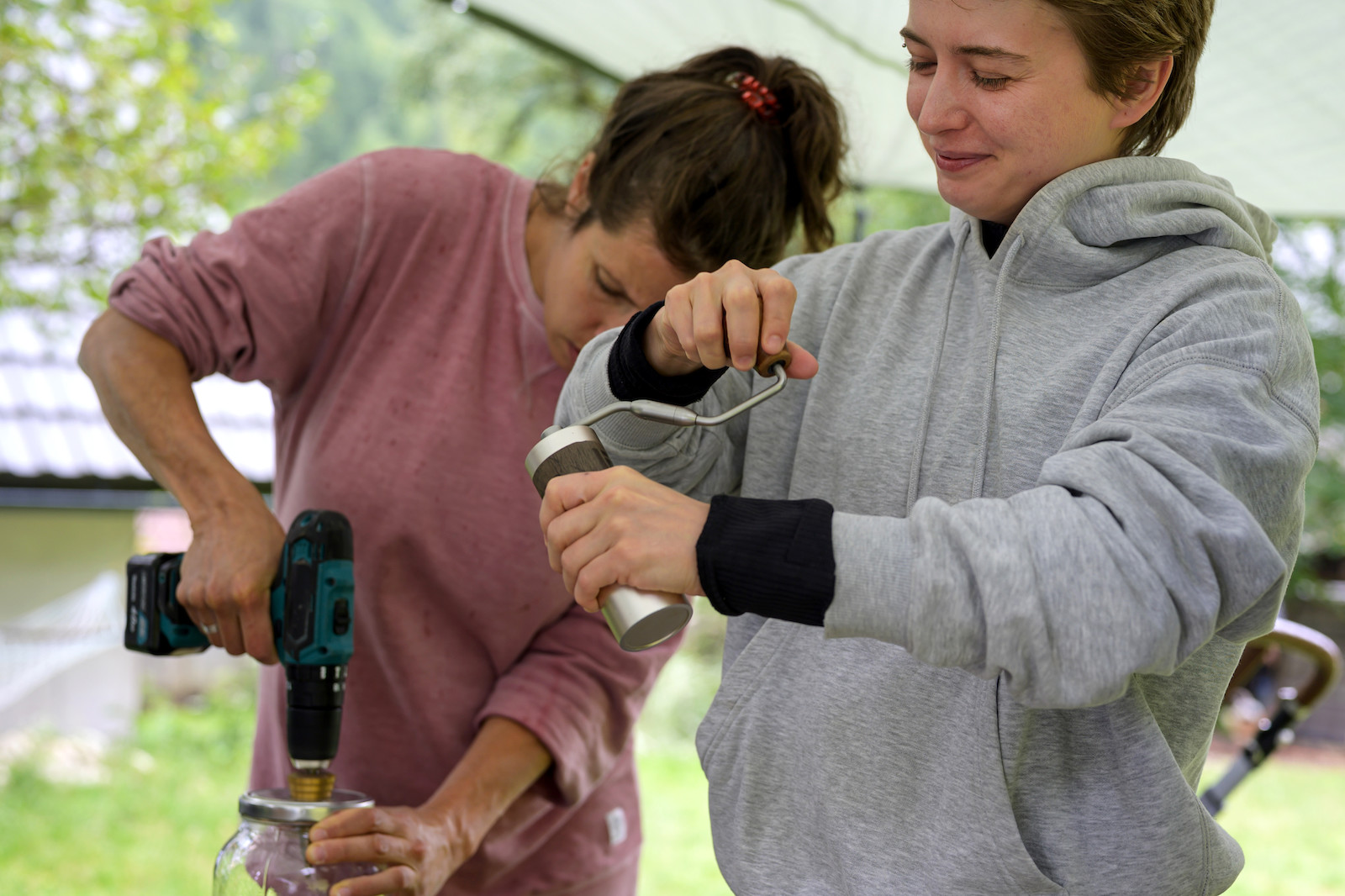
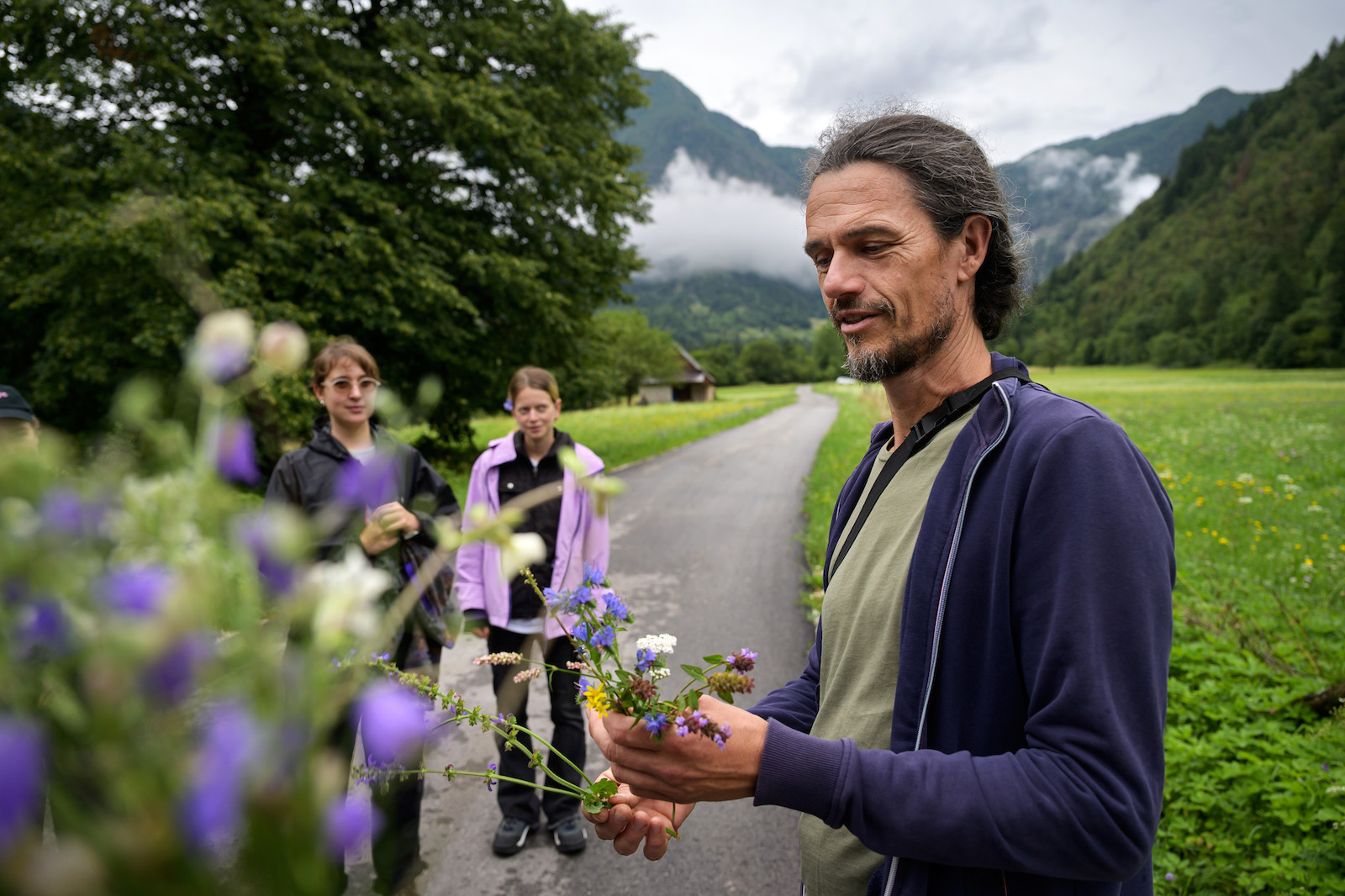
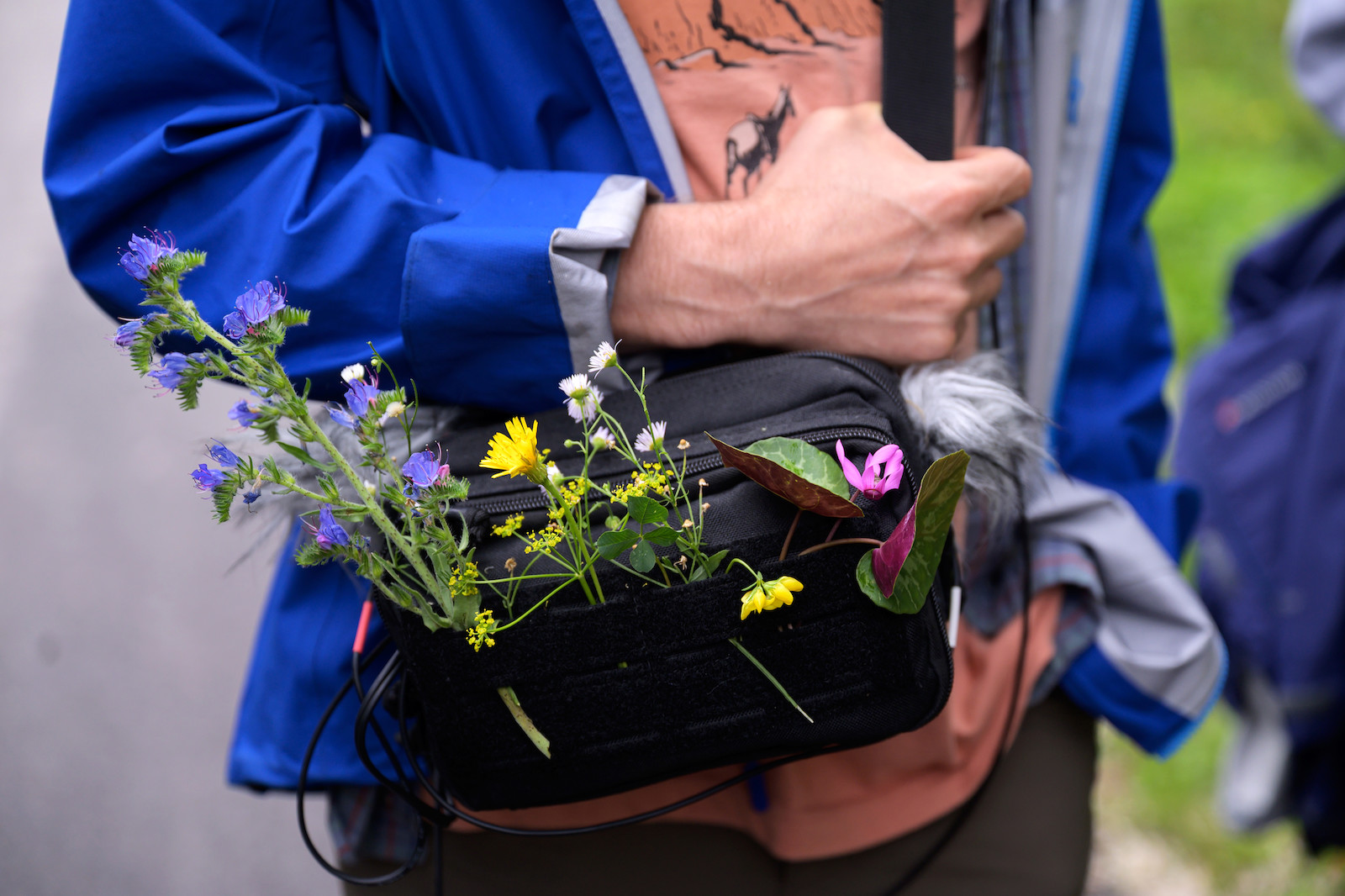
Day two. Mostly rainy. Wonderful hazes. Ephemeral labs, foraging walks, storytelling.
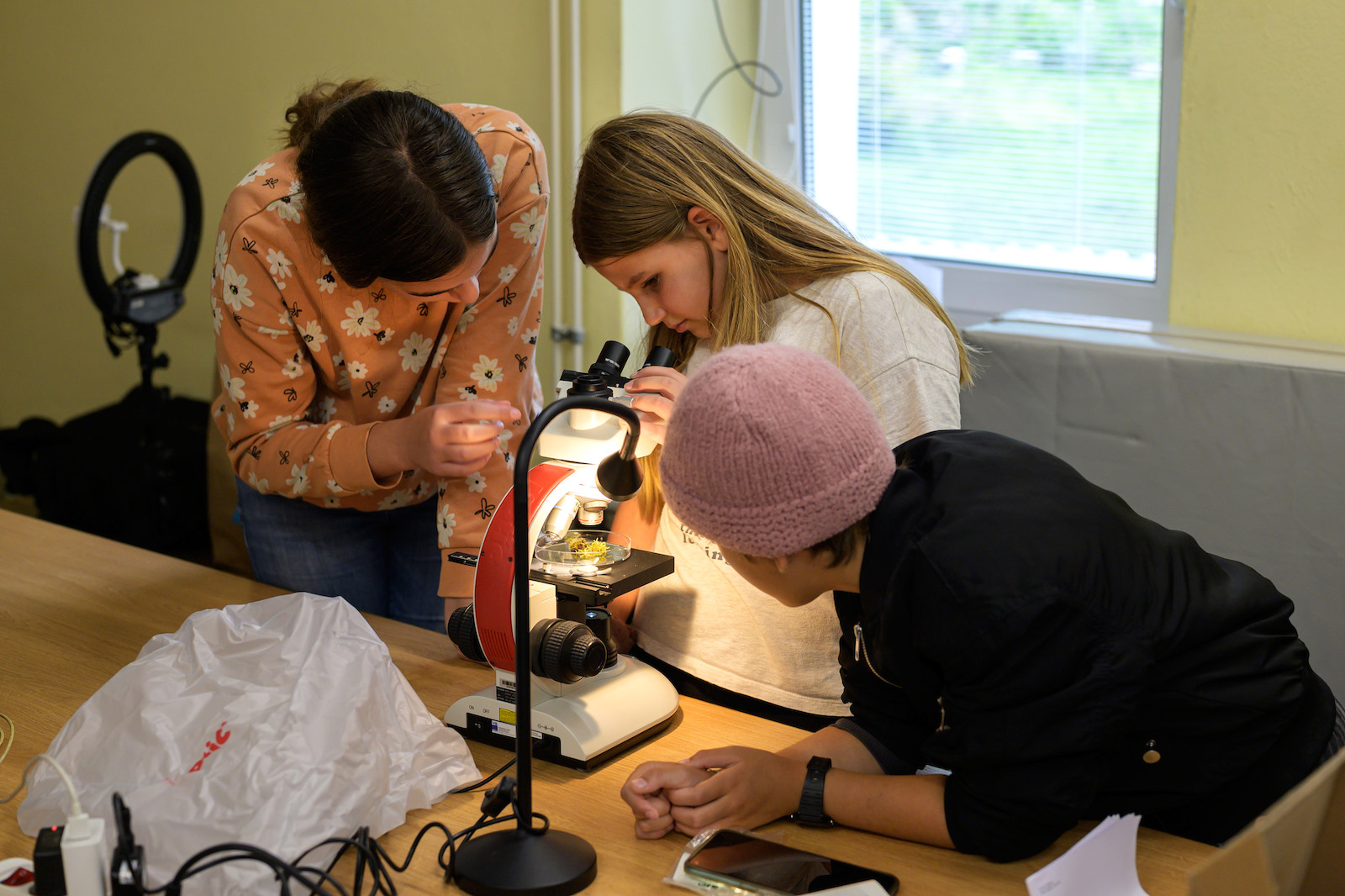
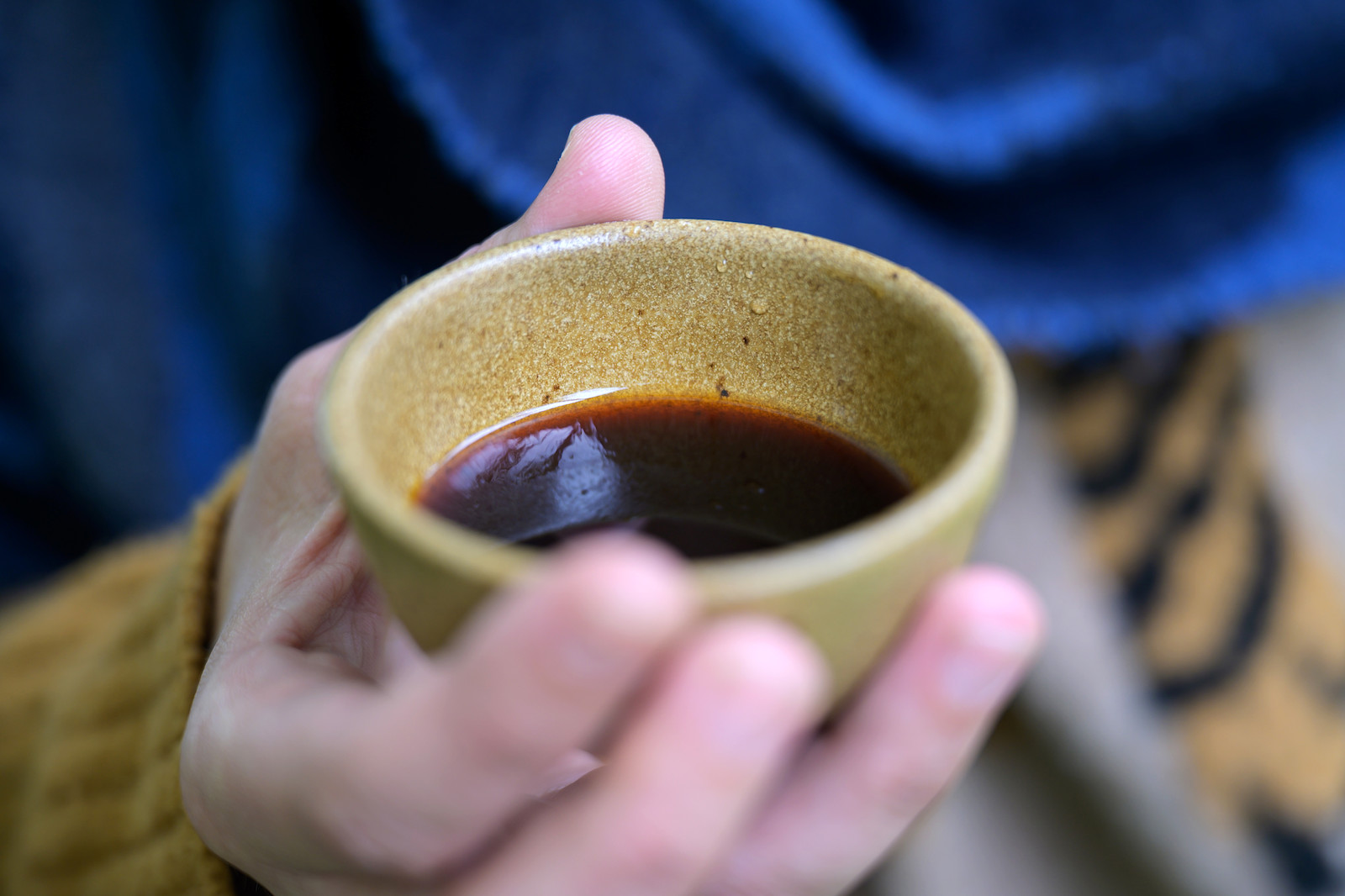
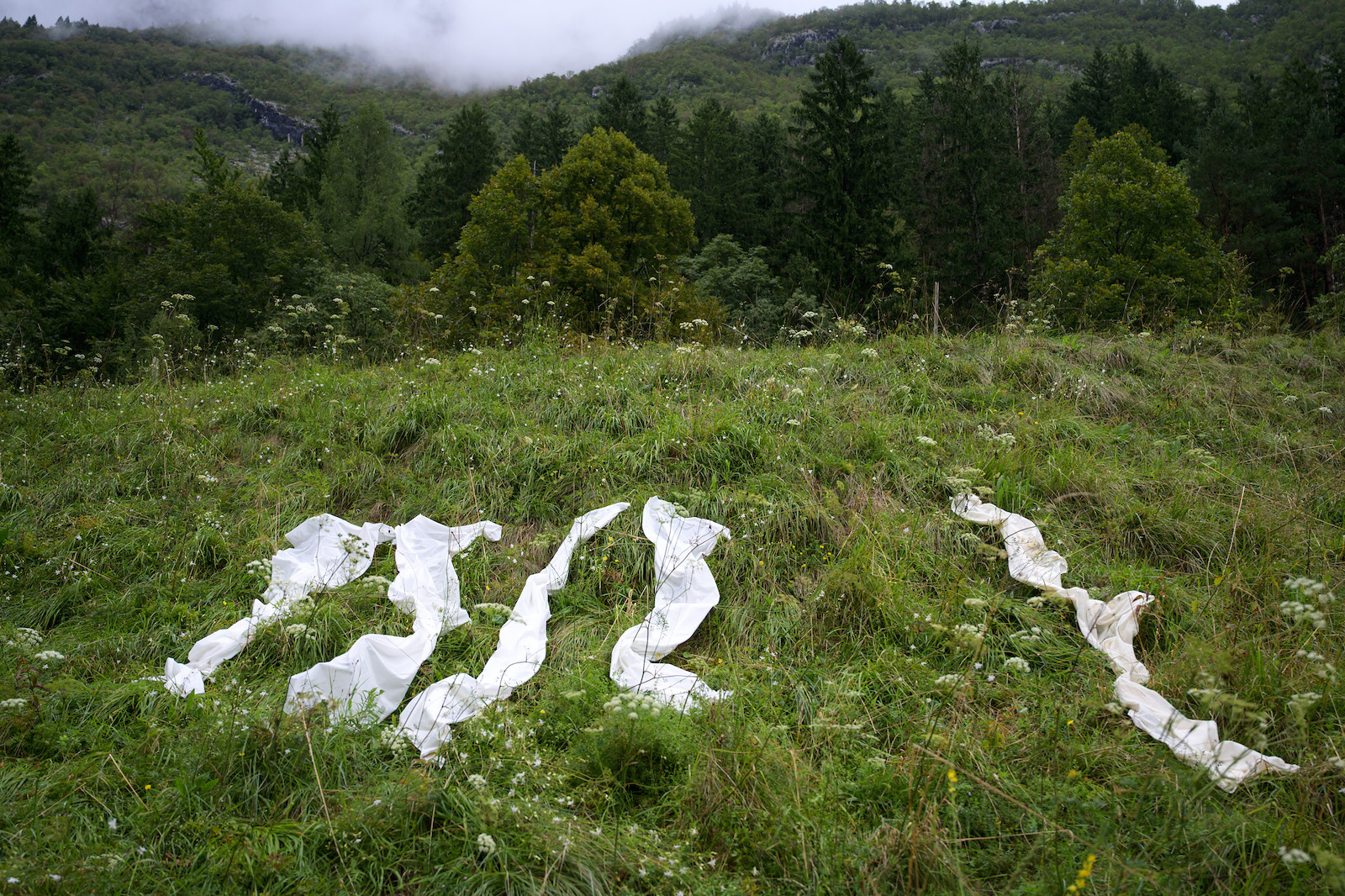
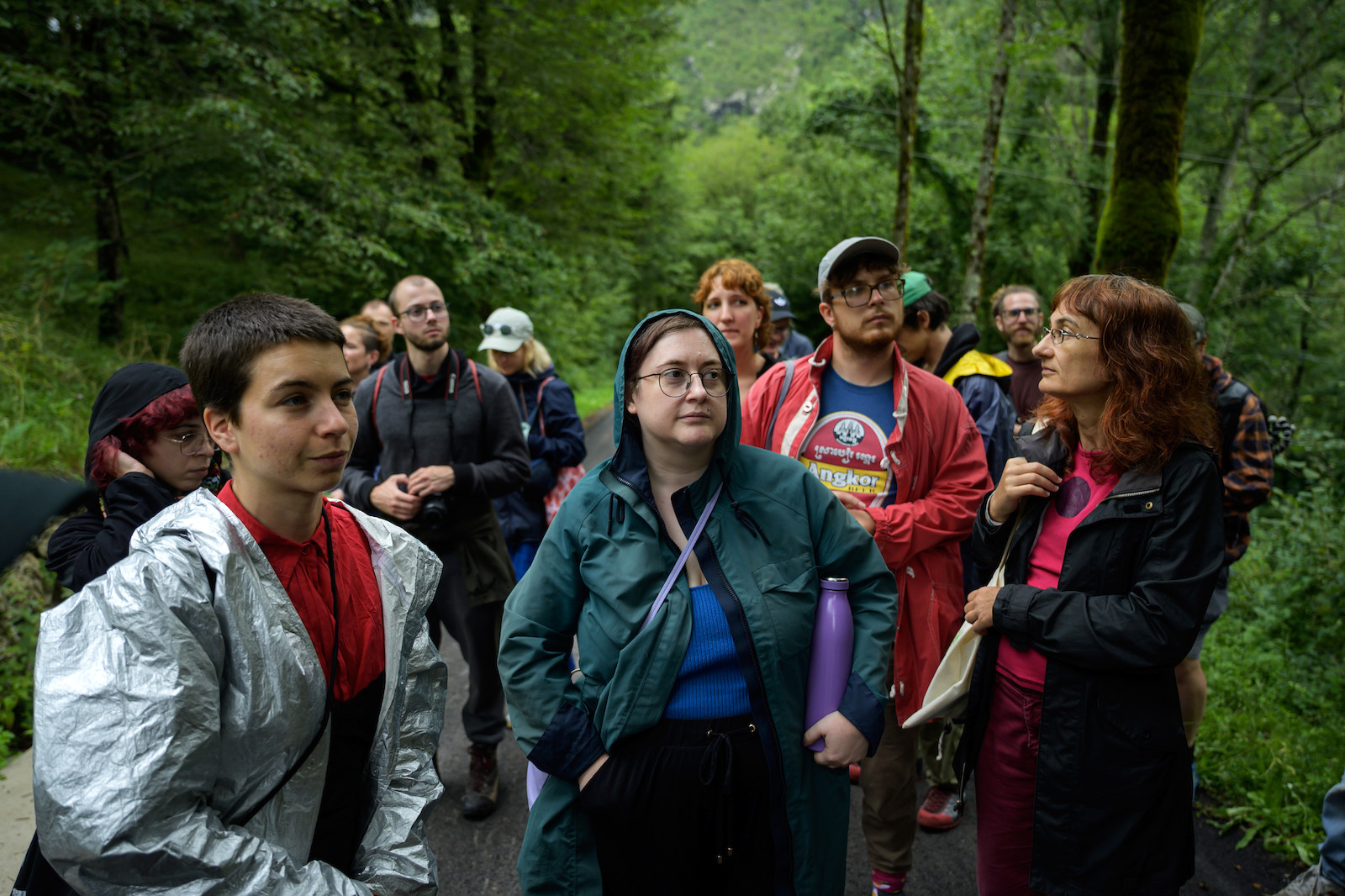
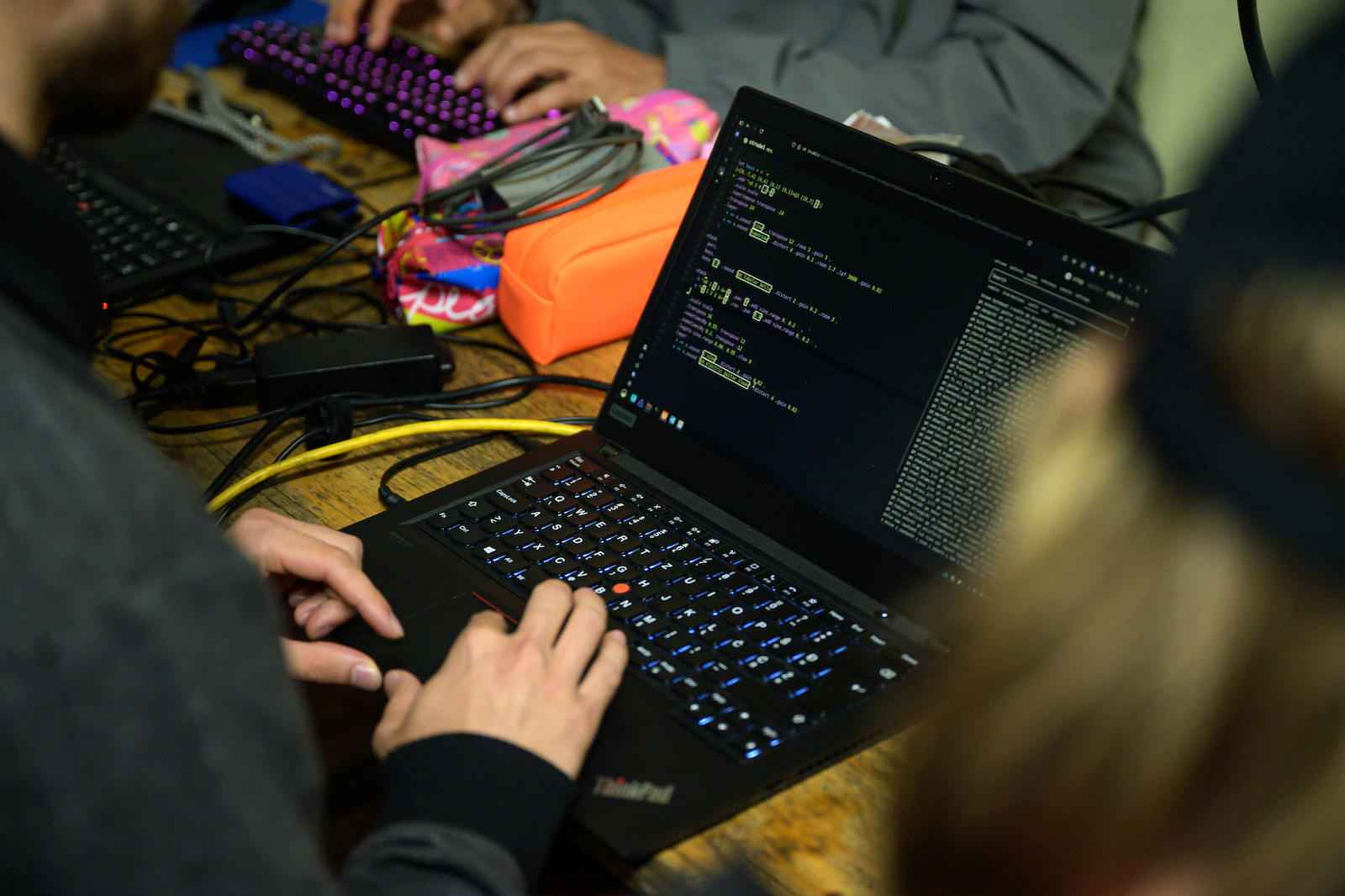
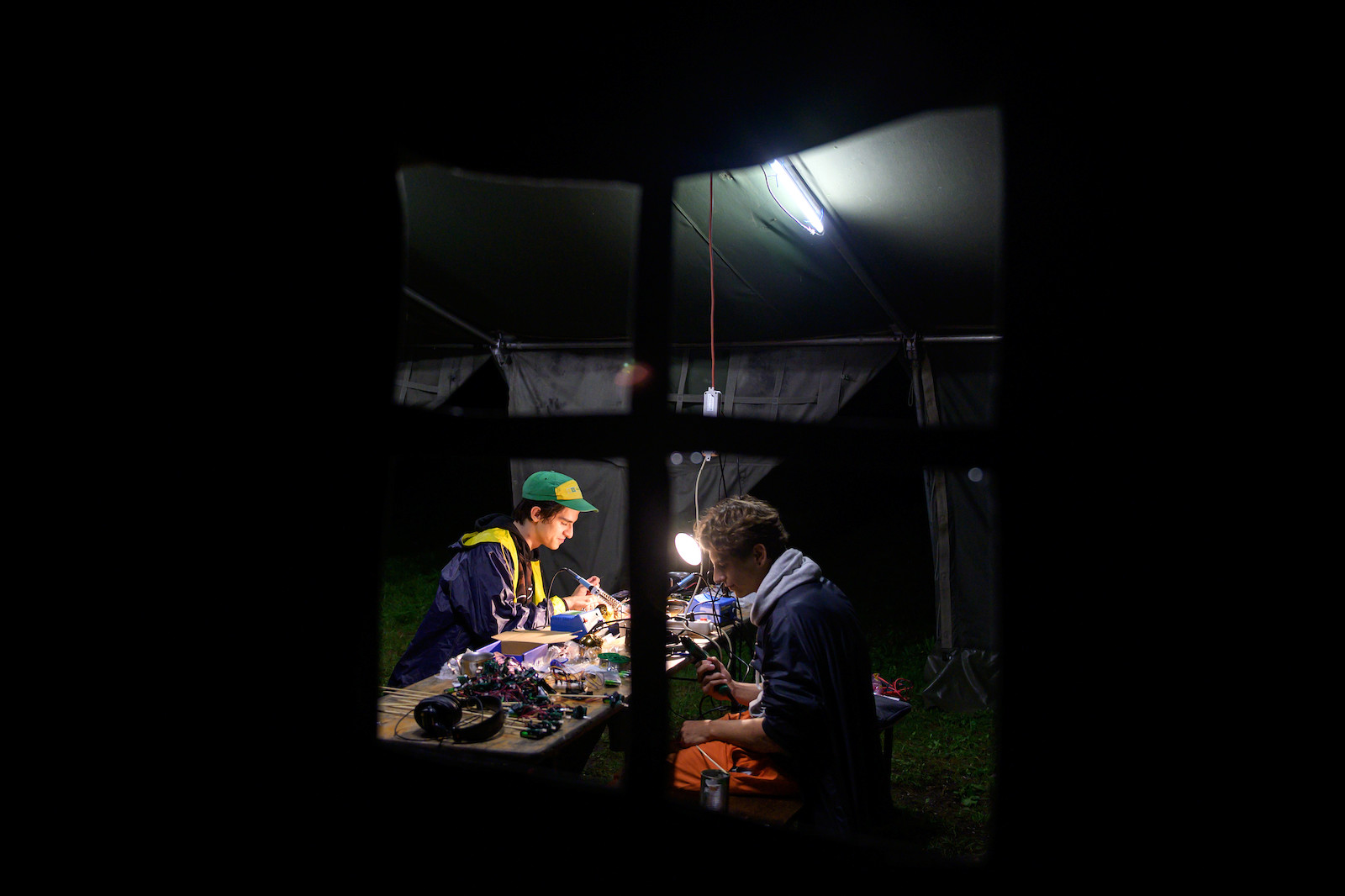
Photos by: Katja Goljat
//For now, this entry is being edited continuously, adjusting itself to the PIFcraft timetable and following encounters within the community. Current versions are noted in the square brackets at the end of the title.
First PIFcraft log entry will focus on writings, dialogues and participants’ projects which can (for starters, at least) be summed up in the following set: off-grid, low-tech, self-host.
//A report will follow on Bernhard Rasinger‘s intro workshop on energy awareness and solar power. One of his PIFprojects is setting up an off-grid solar-powered network for the camp.
Listen to the Energy Awareness workshop jingle ft. Karel Gott & Darinka‘s Fang das Licht:
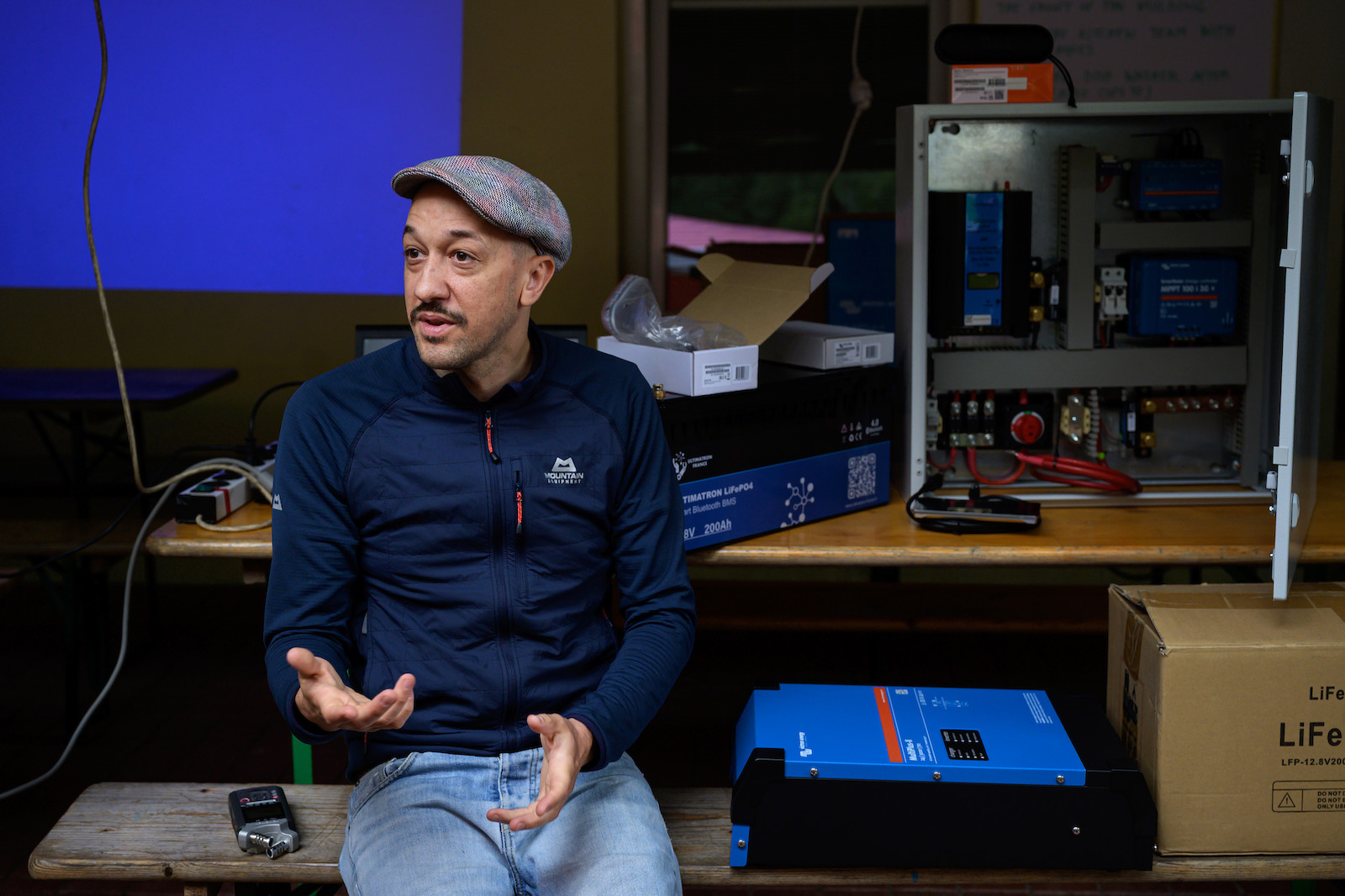
For the past 11 years, the village of Soča (located in the Triglav National Park) has been providing PIFcampers with infrastructure, space and natural phenomena. Although the week-long communities that form each camp connect with the environment, try their best to take care of it, and generally just immensely appreciate it, there’s no denying that bringing 50+ extra persons (not to mention all of the sound- and light-emitting devices) to a village of 140 inhabitants, is a shock. There are several ways to monitor (and then find ways to diminish) our impact, such as calculating power consumption, understanding which (re)sources the energy is coming from, and setting up off-grid systems that are more in tune with their surroundings.
Bernhard started monitoring PIFcamp’s power consumption last year. Here are some of his findings:
//How can we reduce these? But also: how does that compare with the kilowatt hours we use in our ordinary lives? And what are the experiences of those of us living off-grid?
Next installments:
Part 2: Low-tech
Part 3: Self-host
What we’re reading, researching, listening to:
– (re)programming – Strategies for Self-Regeneration (free) | authors: Marta Peirano and guests, edited by: Janez Fakin Janša, published by: Aksioma (Ljubljana, 2022)
– Artists Running Data Centers (CC-BY-SA 4.0) | edited by: Davide Bevilacqua, published by: sevus.at (Linz, 2024)
– Low-tech Magazine | about the mag
– Permacomputing | community
– Solar Protocol: Exploring Energy-Centered Design | authors: Tega Brain, Alex Nathanson, Benedetta Piantella (LIMITS ’22, 2022)
– A Feminist Server Manifesto (Peer Production License) | about
– Distributed Web of Care | about
We’ll continue adding items to the above list as we go. If you have a suggestion, let us know on PIFcamp grounds or send an e-mail to katja[at]ljudmila[dot]org.
The Greening of PIFcamp project is supported by the Ministry of Culture of the Republic of Slovenia from the Climate Change Fund.
11th PIFcamp kick-off in 11 photos. More words from tomorrow onwards.
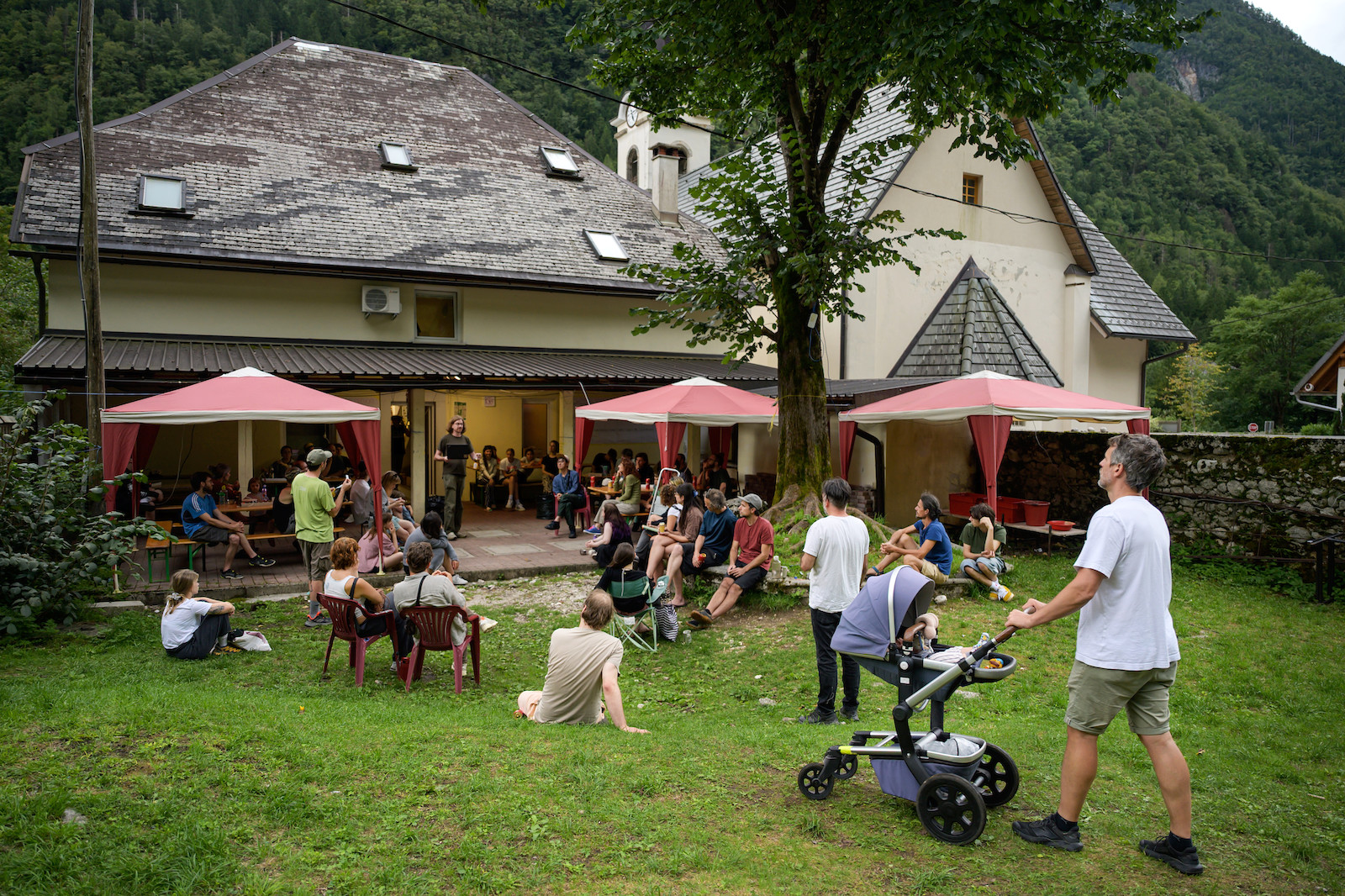
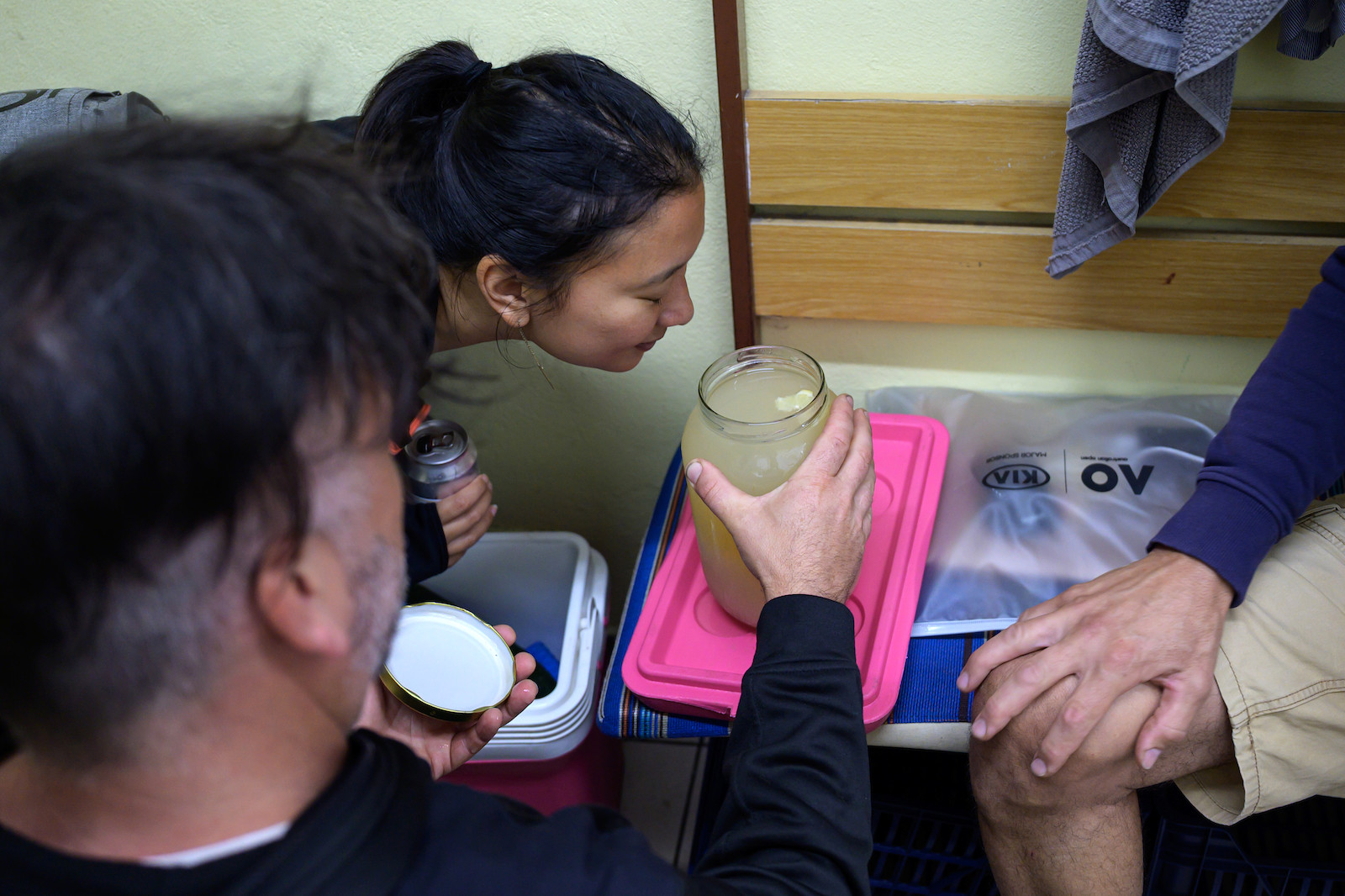
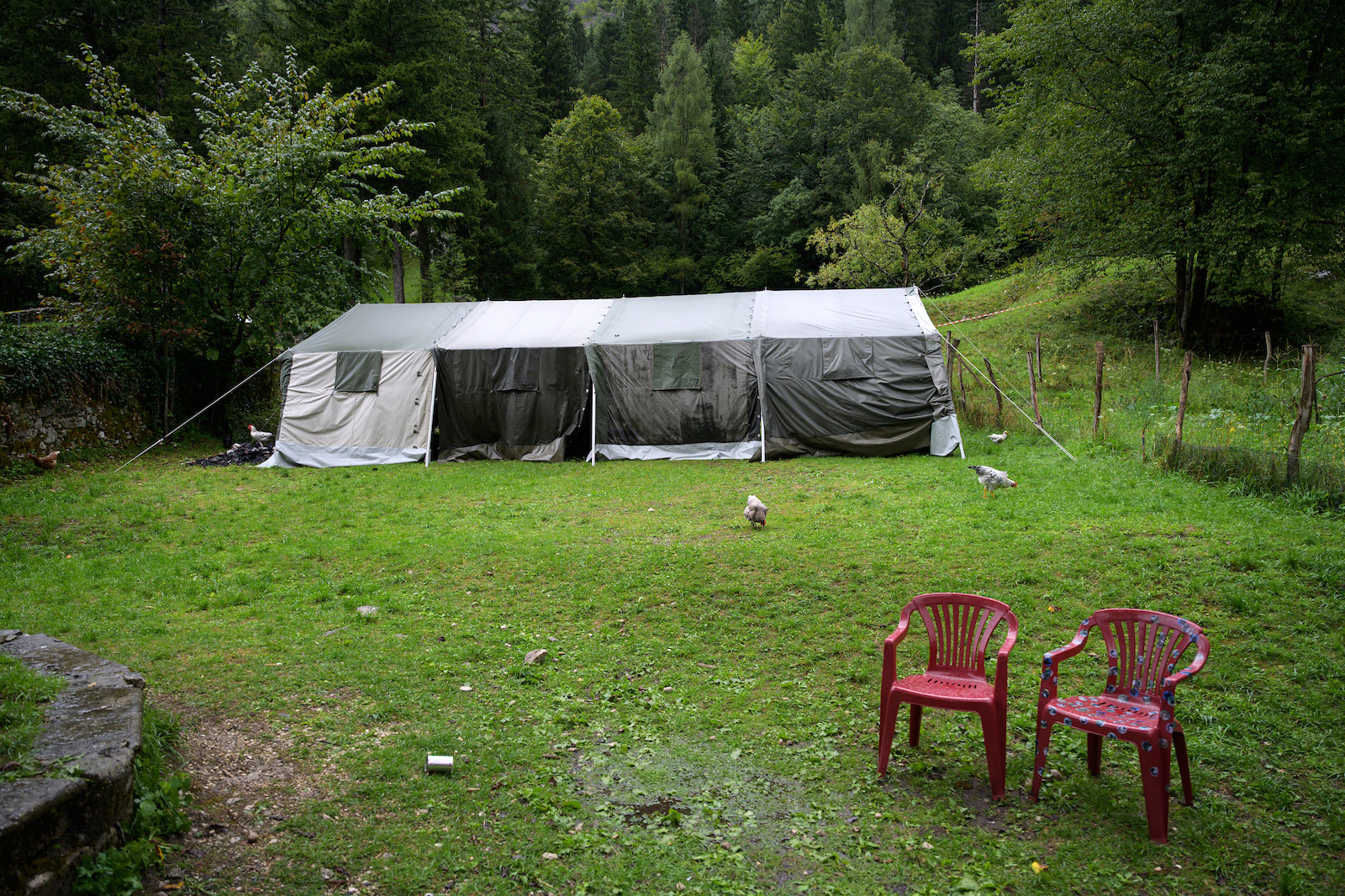
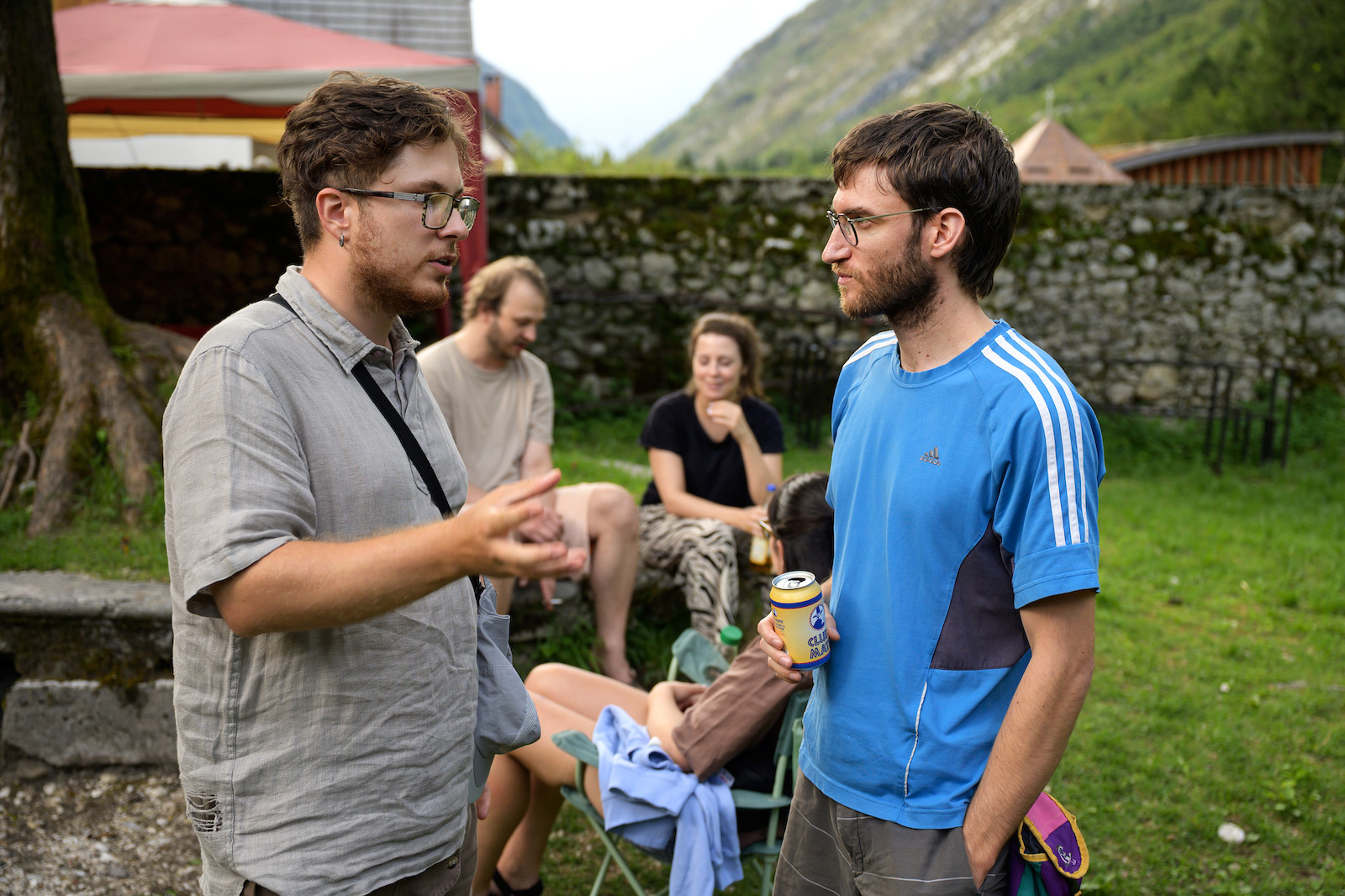

Photos: Katja Goljat
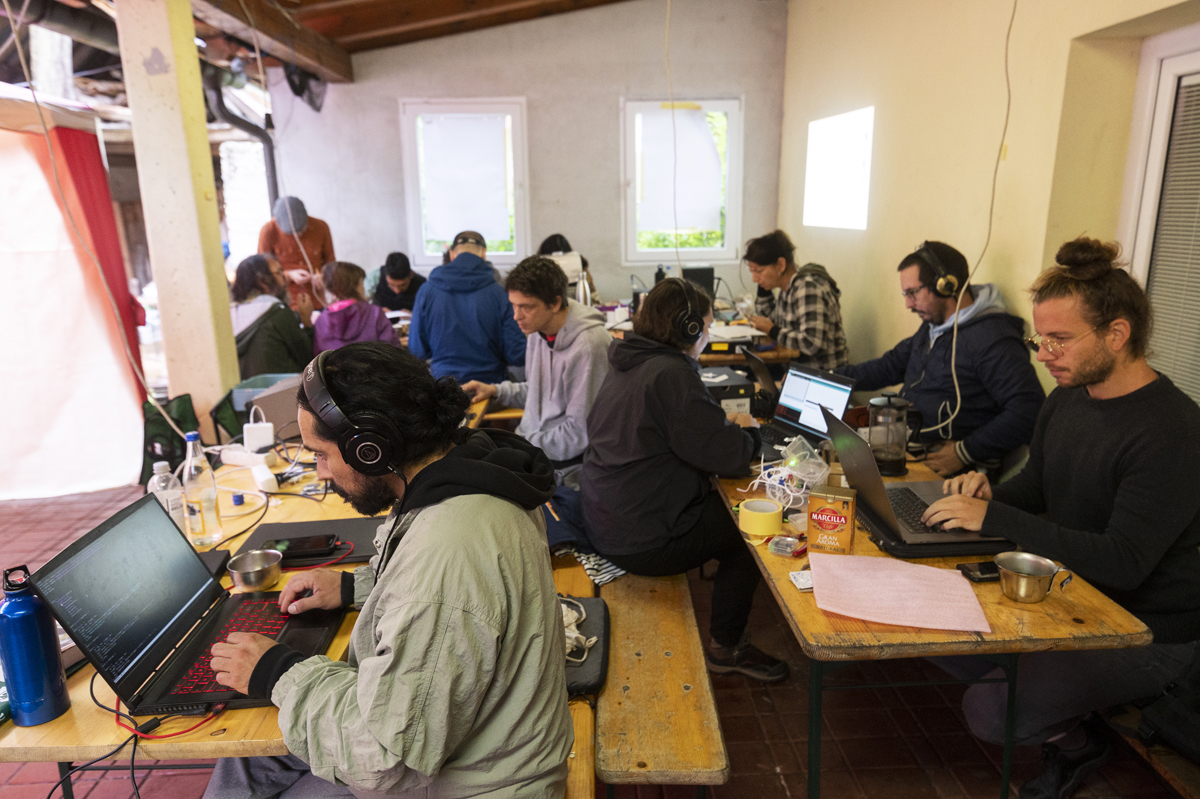
Rainy Thursday was followed by a rainy Friday. PIFtopia thankfully avoided the more serious storms, but owing to the extreme conditions in several regions across Slovenia, the decision had to be made to call off the Open Saturday. The wrap-up of PIFcamp was nevertheless breathing down the PIFparticipants’ necks. So, despite the relentless rain, we witnessed the usual Friday levels of diligence.
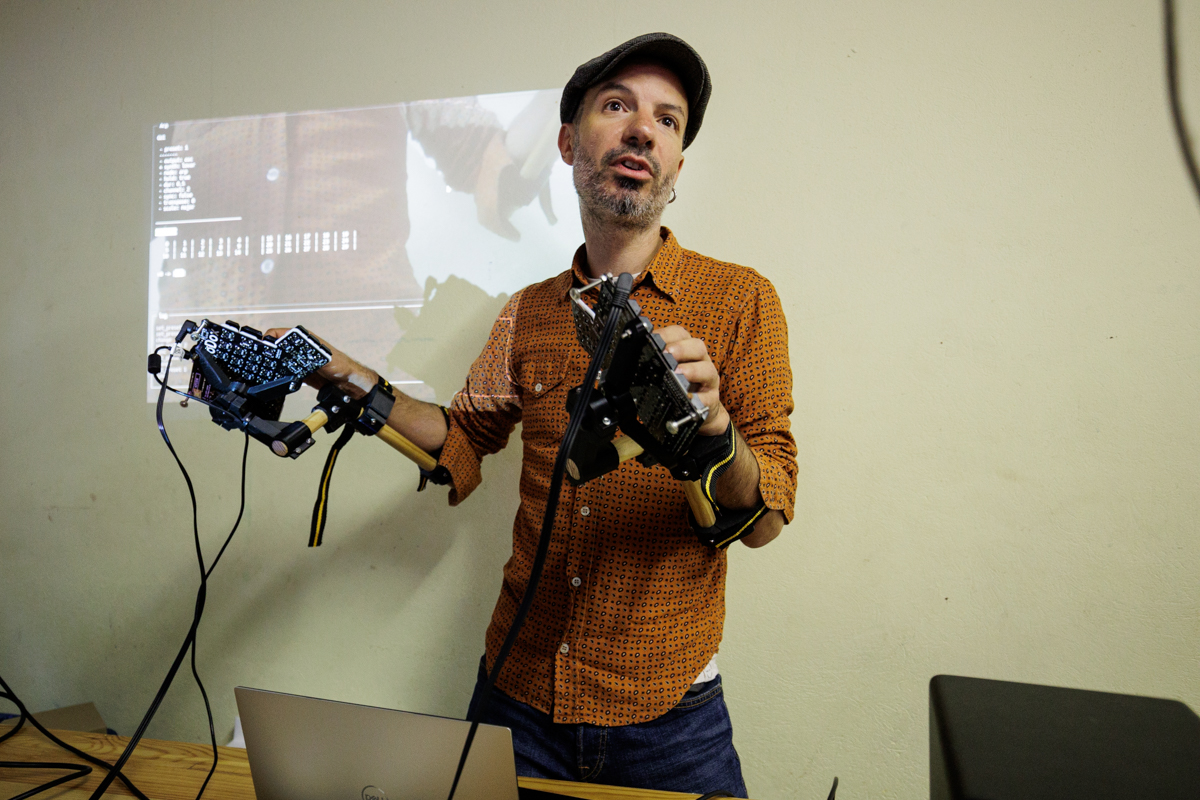
Laurent, whom we have already written about in this year’s PIFlog, decided to start his presentation right after breakfast. He presented his setup, which combines dance and coded music in his performances, to those who hadn’t yet marveled at his (really special!) live coding interface. Free from all PIFproject commitments, he was able to attend workshops, presentations, and jams throughout Friday and Saturday.
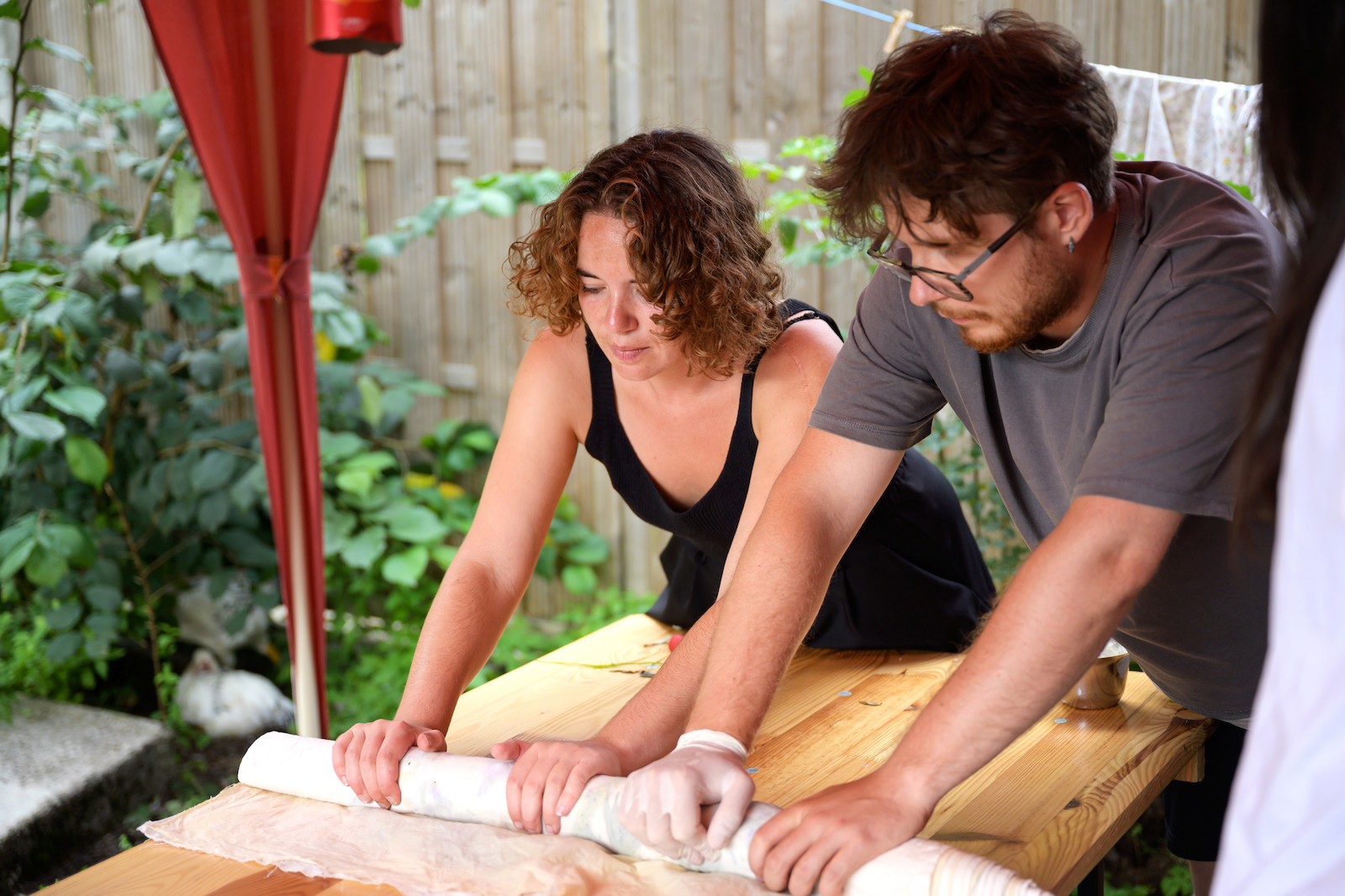
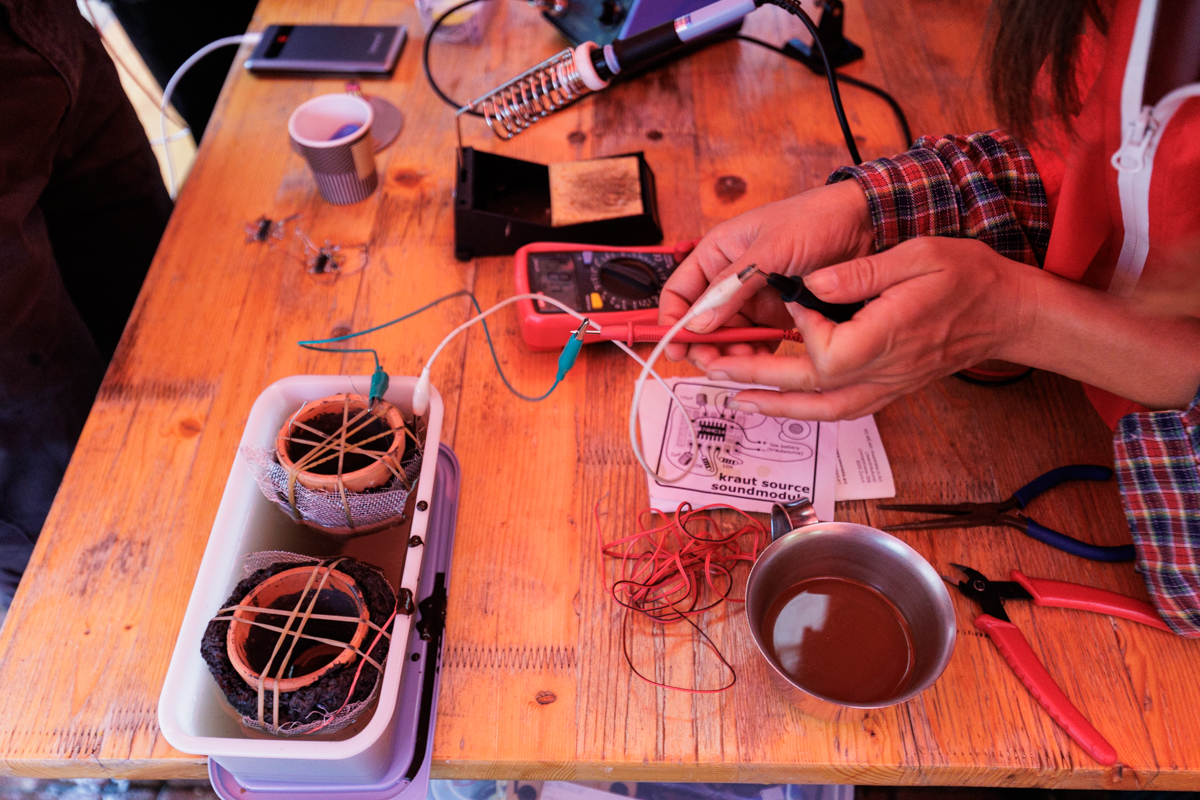
Meanwhile, Maya Minder‘s plans to research and produce a bacterial field guide were interrupted by the rainy weather during the week, so she has arranged a presentation of one of her past projects under the canopy – a workshop on making power cells from microbes, which she is developing and running in collaboration with Miranda Moss. Kraut Source Energy is well documented on the Hackteria wiki, where you can also download the instructions for producing energy from various stinky substances like sauerkraut, urine, or mud.
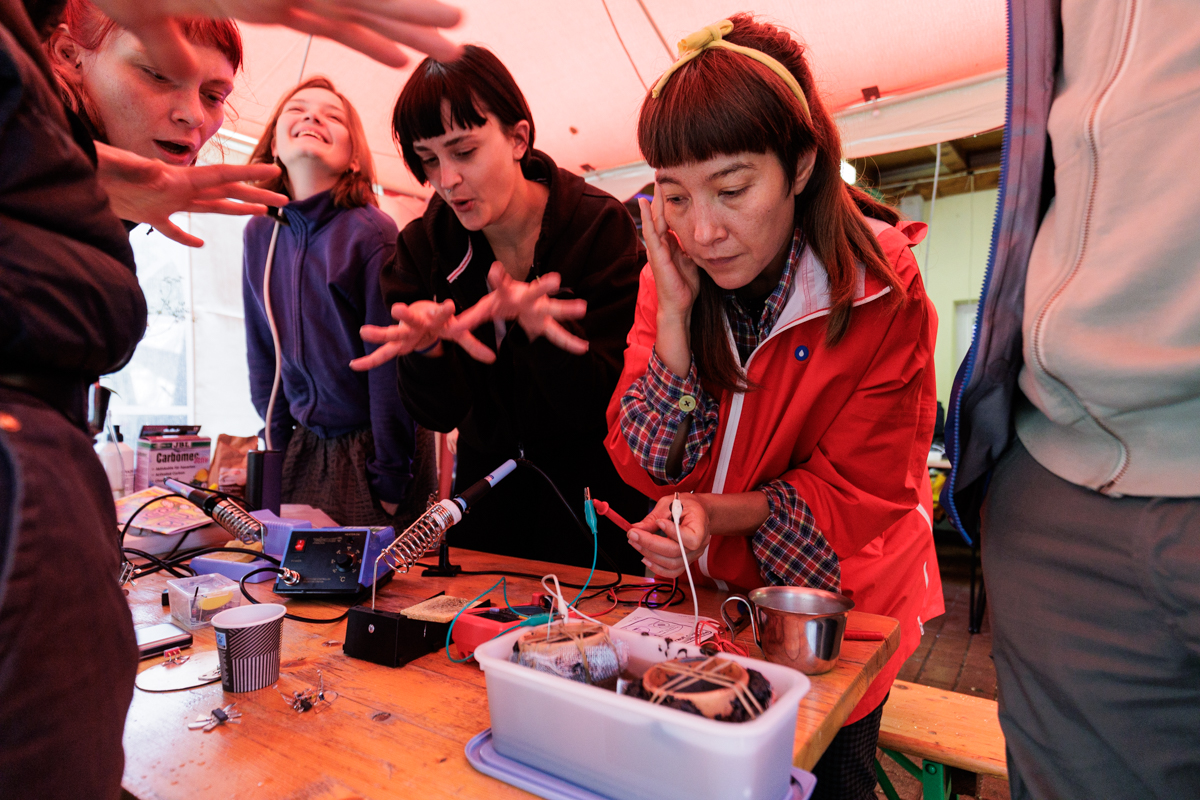
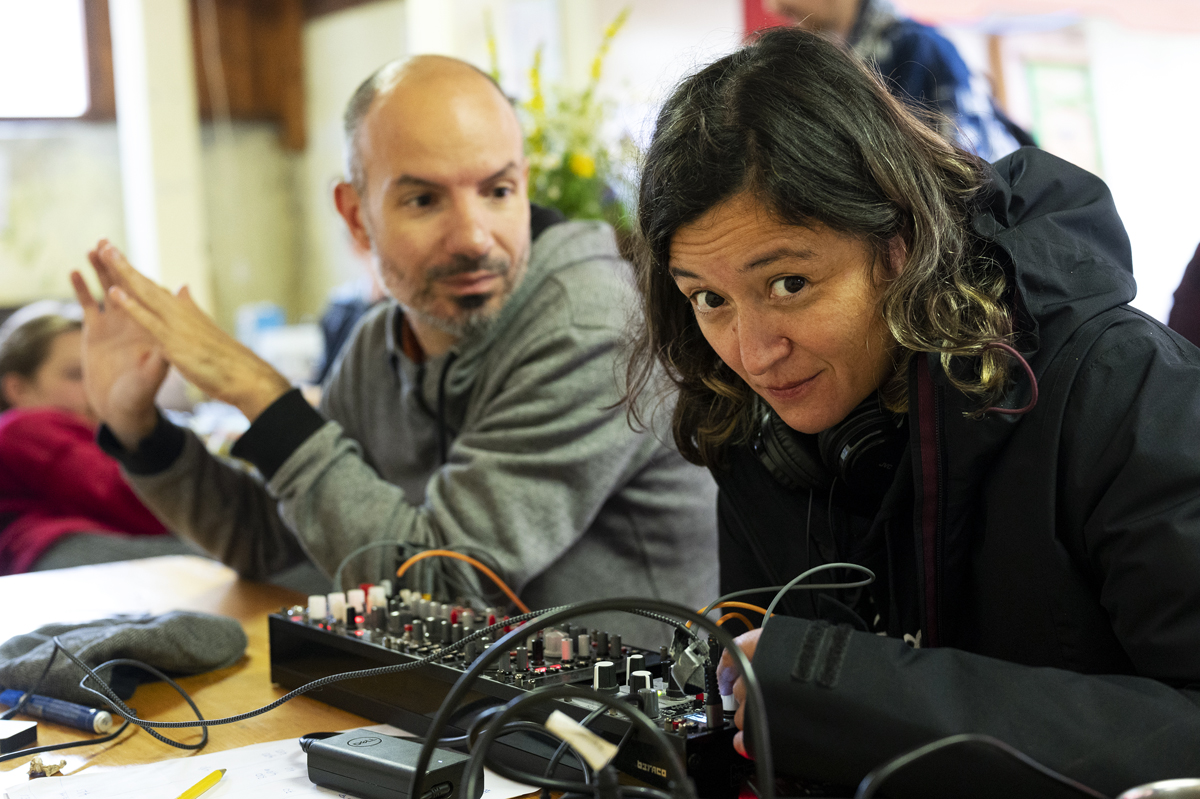
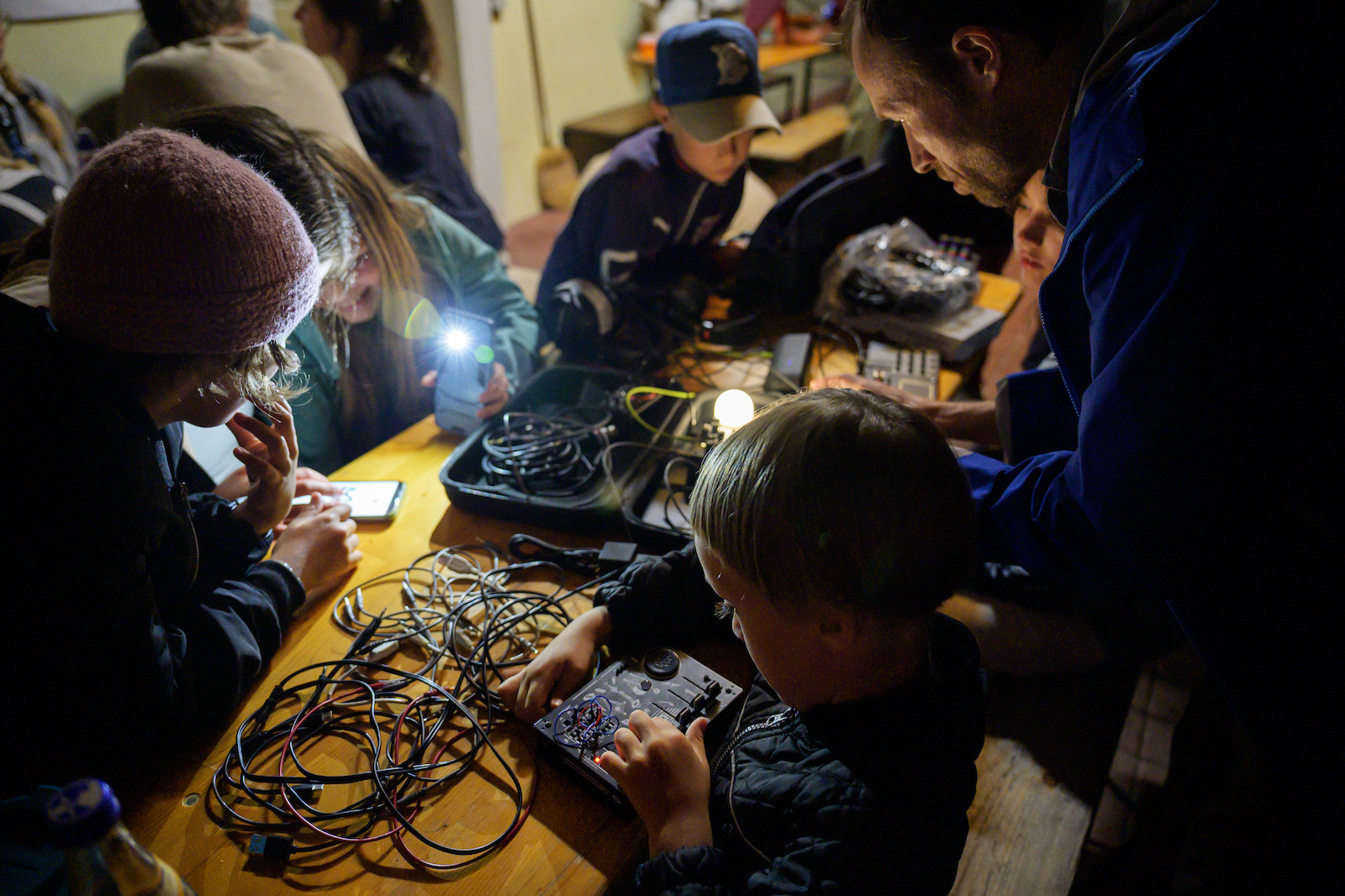
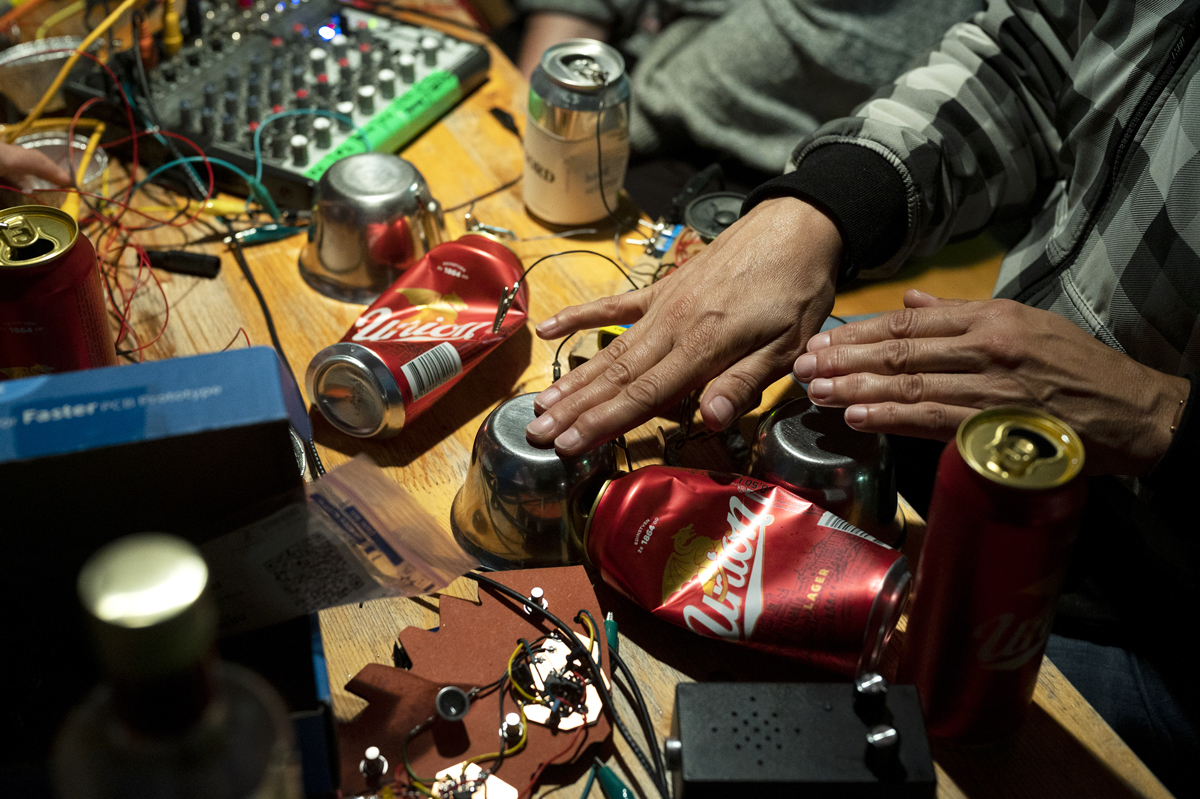
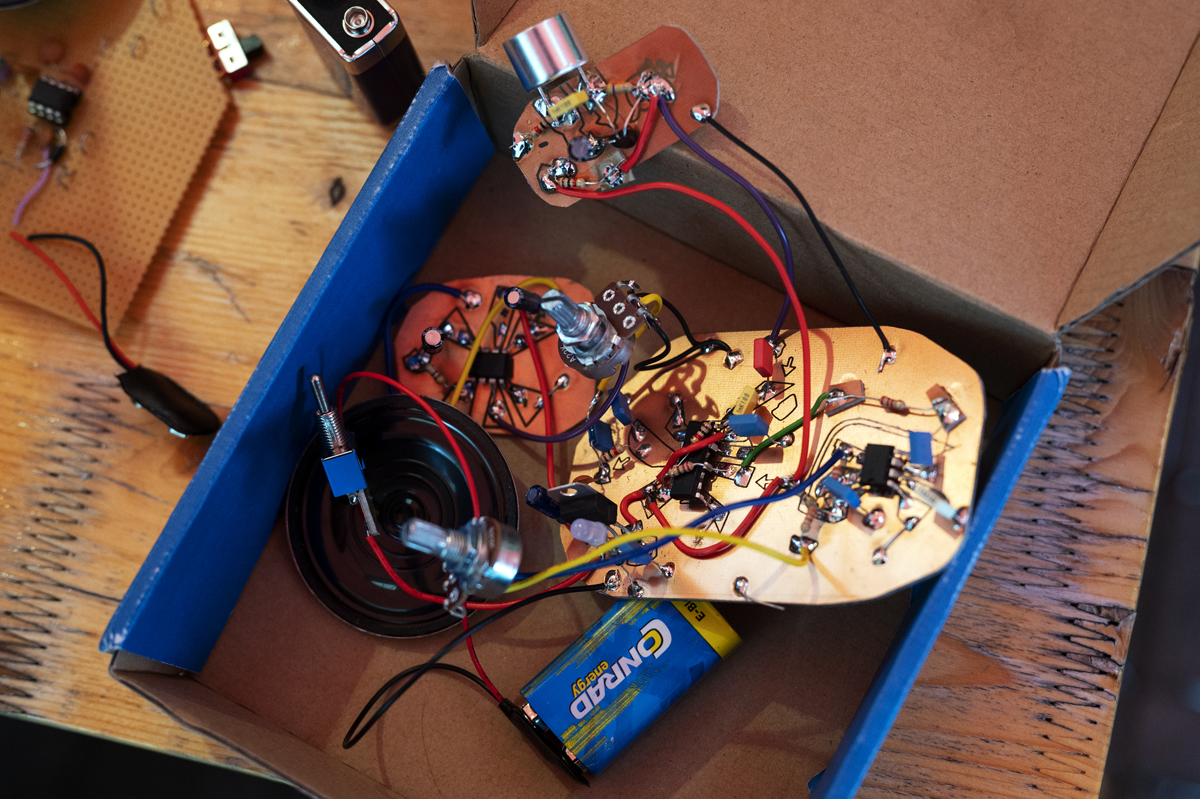
Already before lunch, we noticed certain indications that noise would dominate Friday as far as sound is concerned. Dan Xu invited the PIFlars to build kraakdoos, noise-making experimental instruments developed by Michel Waisvisz in the 1970s at Amsterdam’s STEIM, under the slogan “Let’s make some noizzzeee”.
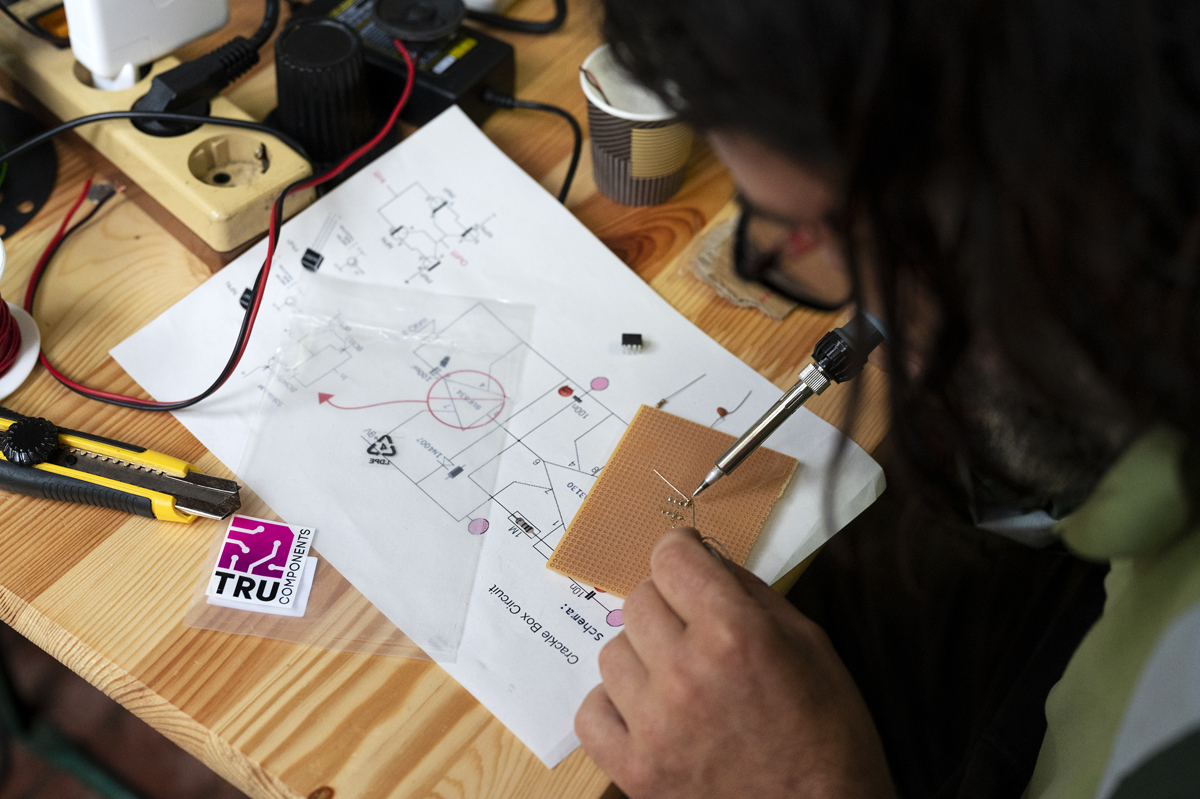
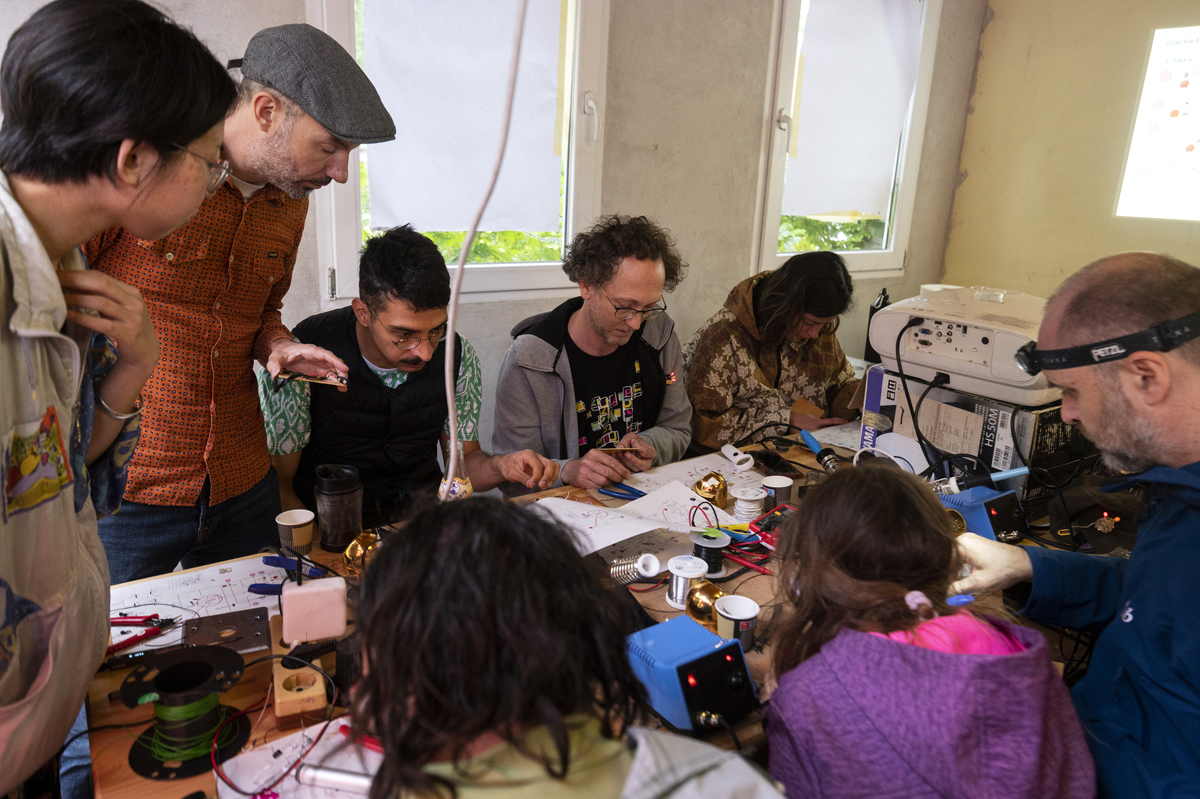
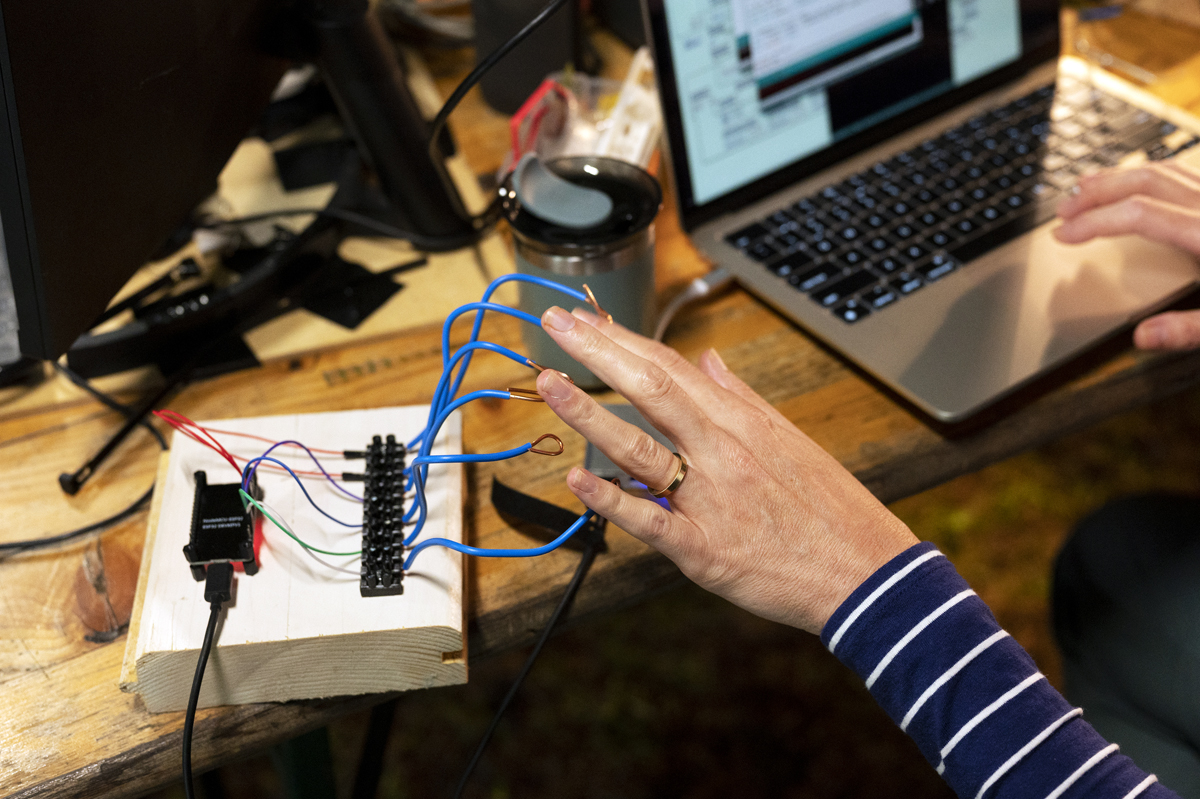
The crackle box, as the name of this simple instrument translates from Dutch, is played simply by touching it, which neatly connects Dana’s workshop with the activity that was (still) going on under the tent in the meantime. Participants in Rob’s workshop continued to build instruments from the Networked Touch series. More on this in the report from Saturday’s events.
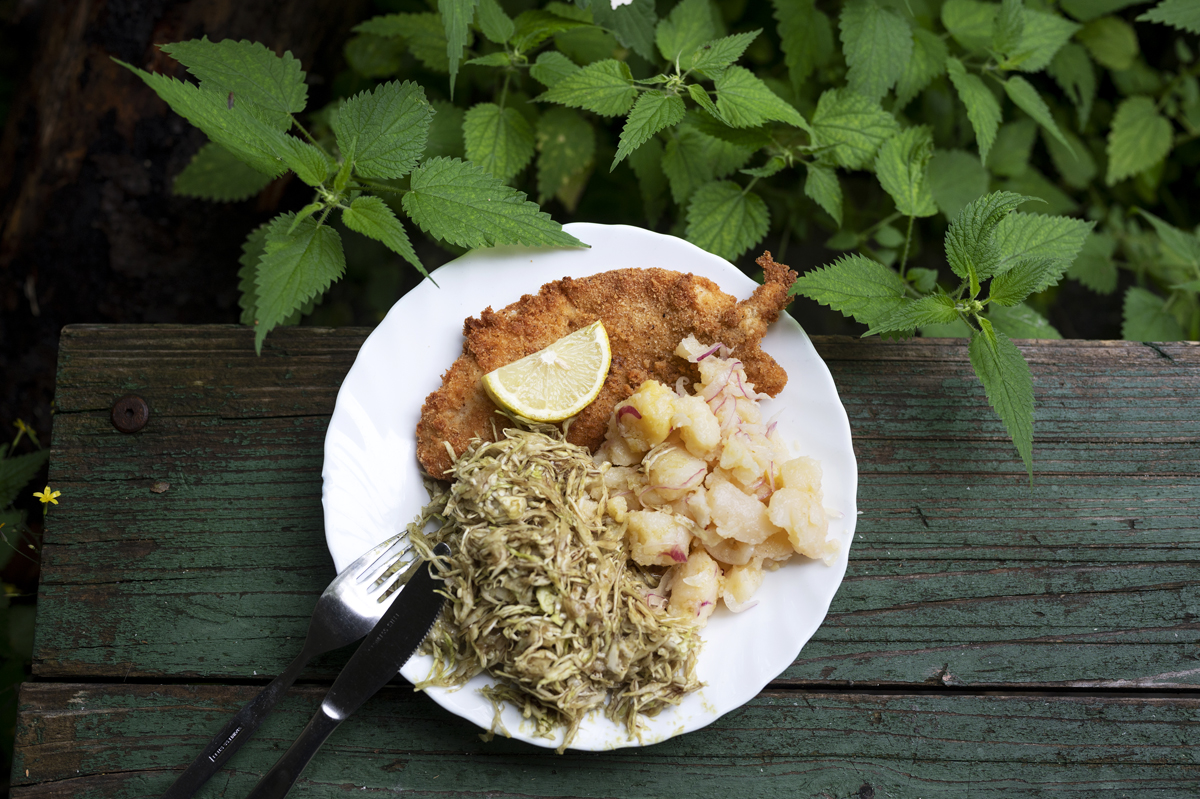
After a spot-on lunch (fish and potato salad), a few of the curious gathered for Nejc‘s presentation on creating animations with artificial intelligence. Nejc presented his practice and shared a number of other interesting facts, such as his fascination with solar punk, while also briefing the audience on his project in progress, a short experimental generative animated film with the working title First We Must Listen to the Trees, in which he explores social situations in relation to the environment and the ecosystem, as well as coexistent and sustainable ways of living.
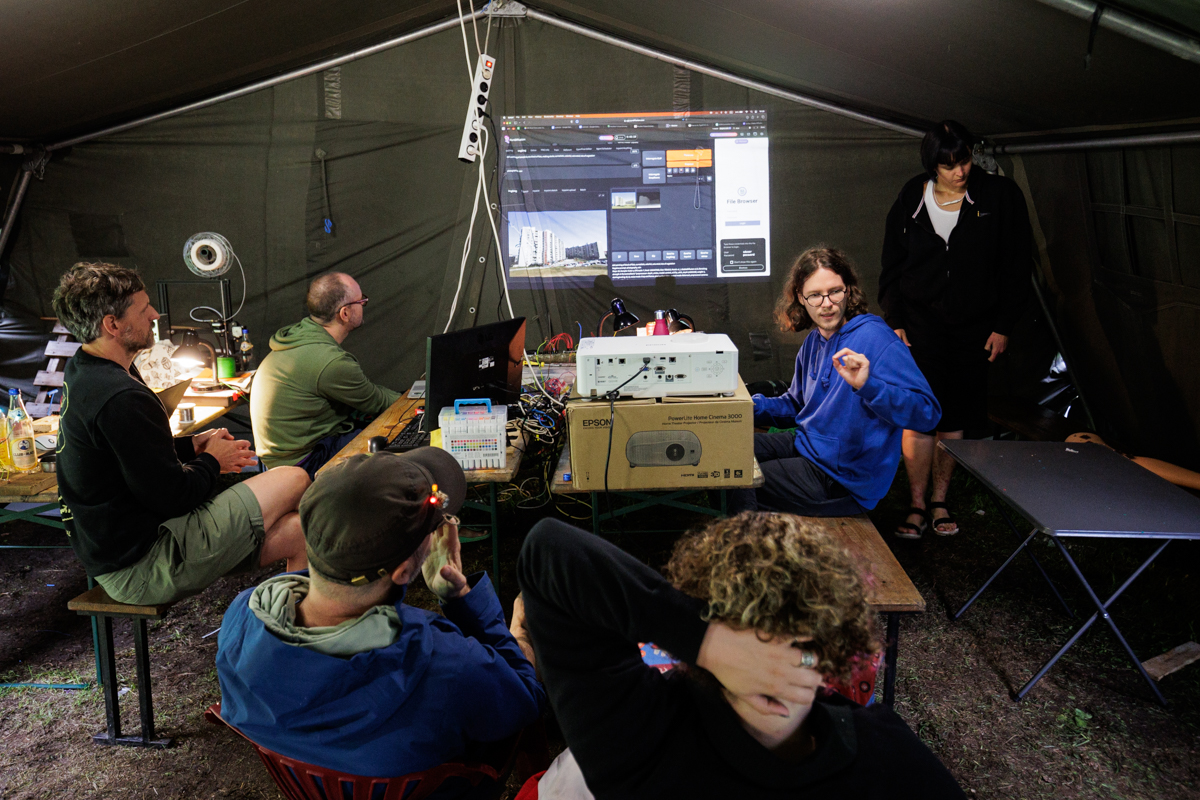
Before it got dark in the PIFcamp, we enjoyed two more artist talks on the terrace: first, the audience was entertained by Jani Pirnat, who is a curator at Ljubljana’s Vžigalica Gallery outside of PIFtopia, and also one of our favourite Slovenian contemporary artists at our week-long gatherings in Soča. Jani presented his two previous PIFprojects, Peasant Resistance and Rock’n’roll. While the former tasted internet fame for a few days, the latter – a cement mixer transformed into a disco ball with a rolling stone inside – only amused PIFlars so far. But judging by the audience’s reaction, it is likely that it will also be presented to an outside public soon.
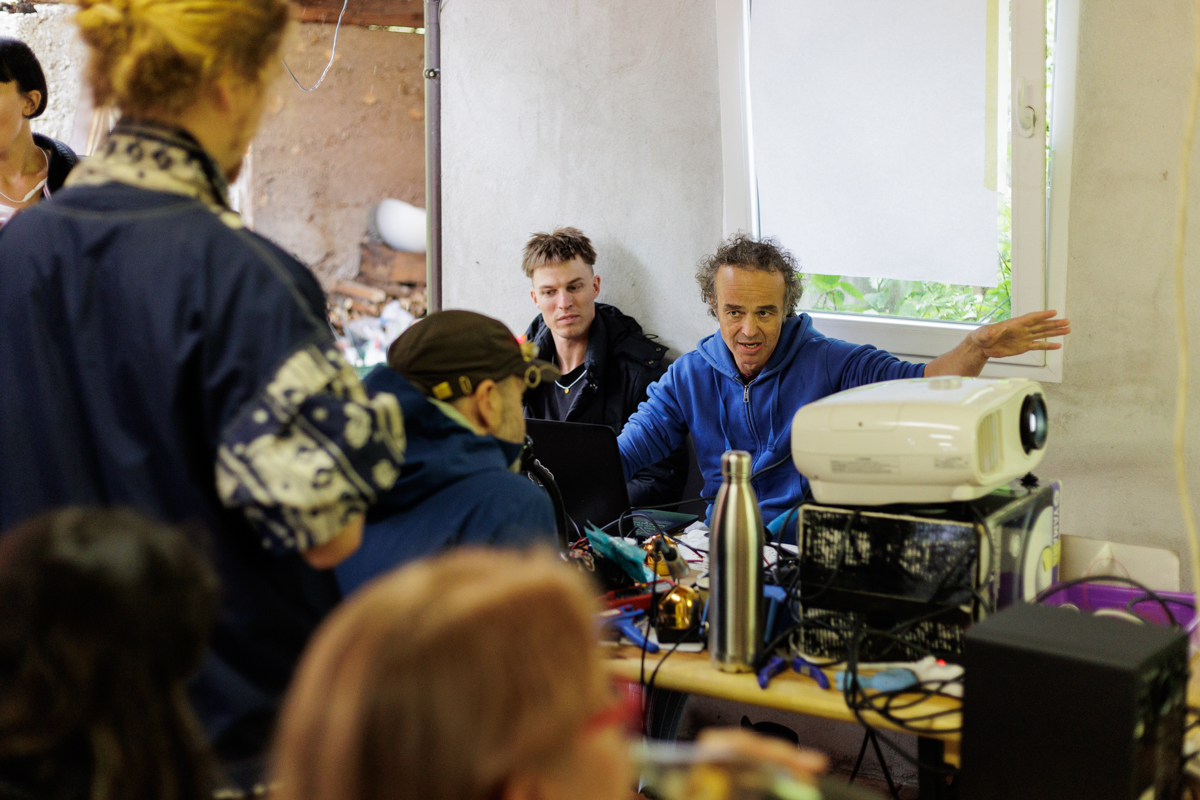
Next, Michael Candy, this year’s PIFresident, presented previous projects and delighted the audience with infectious joy for building robots and stories from previous artistic residencies. We caught a video of Ether Antenna, a work created during a residency at the Robotics Association of Nepal (RAN). This narrative short film, beautifully edited to music by Pauline Anne Strom, is based on Buddhist tales, with robots, of course, performing all parts. Ah, yes, and there’s a PIFlog recommendation, too: if you’re in Ljubljana in September, don’t miss Michael’s installation as part of the autumn extension of the Lighting Guerrilla festival.
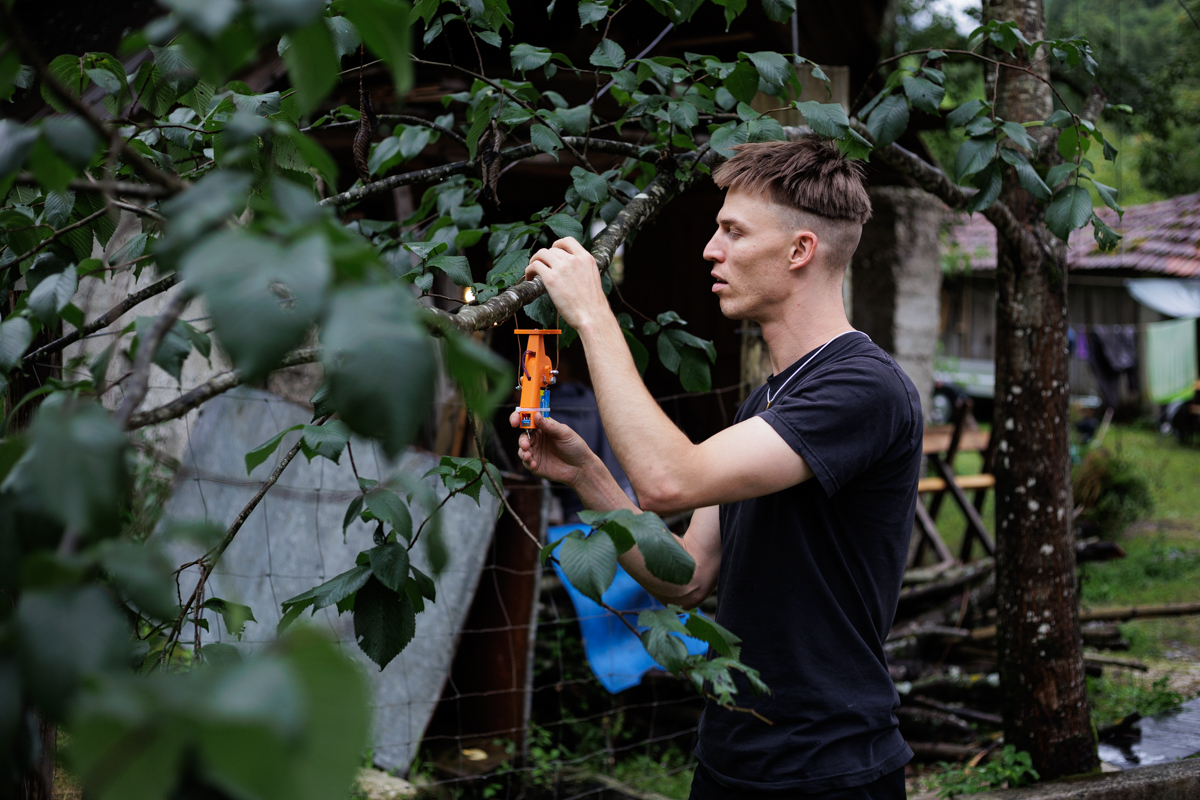
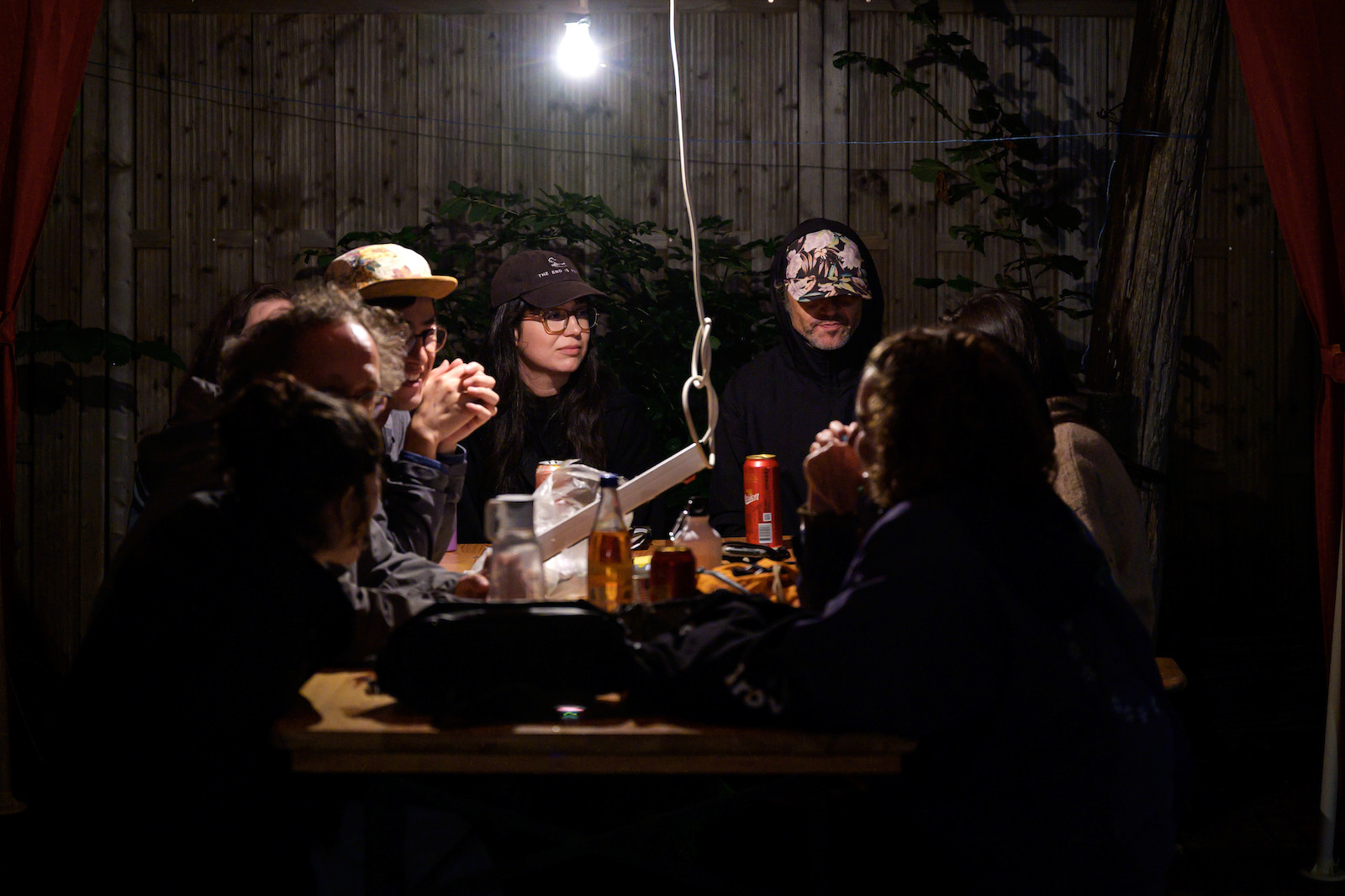
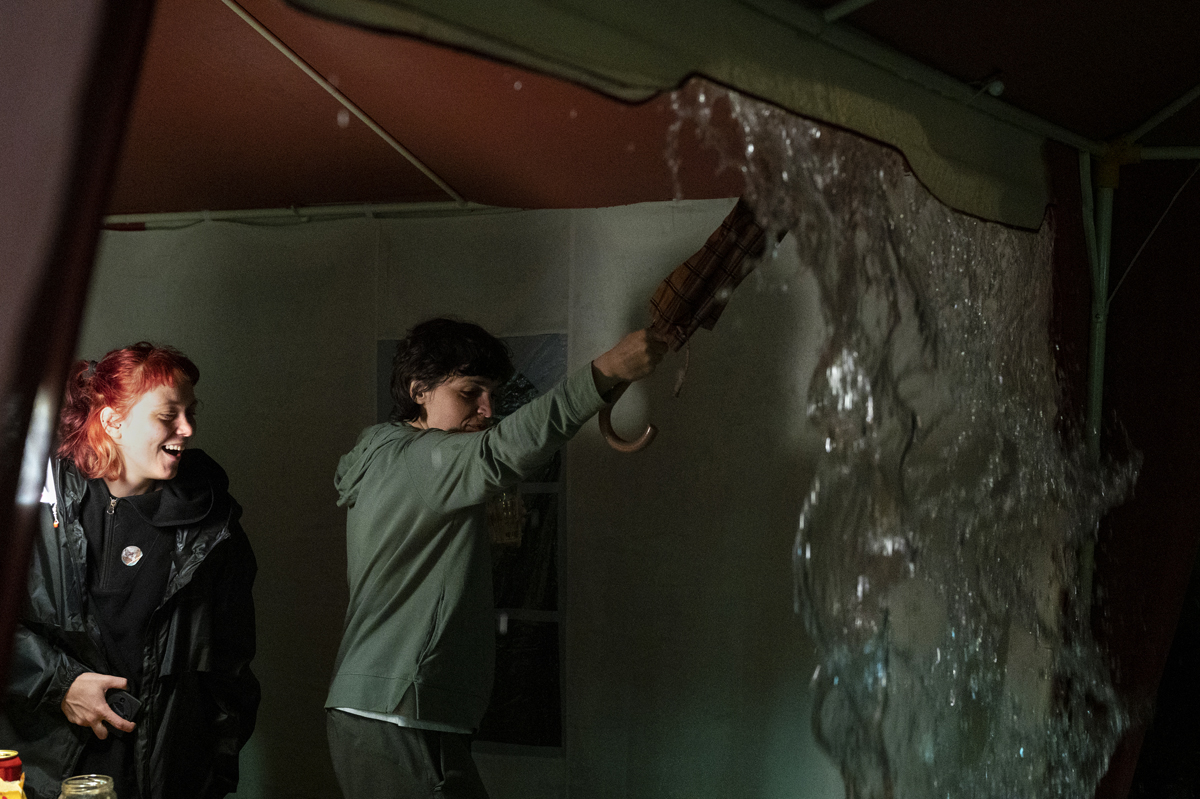
Friday night was spent mostly draining the canopies and tent wings, but of course not without additional soundscapes that complemented and occasionally overpowered the raindrops – from the noise jams to the terrace party, there’s room for everyone at PIFtopia.
… or a teaser for posts on Friday and Saturday to be released on Monday and Tuesday and Wednesday. All photos were masterfully shot by the amazing PIFduo, Katja Goljat and Matjaž Rušt.
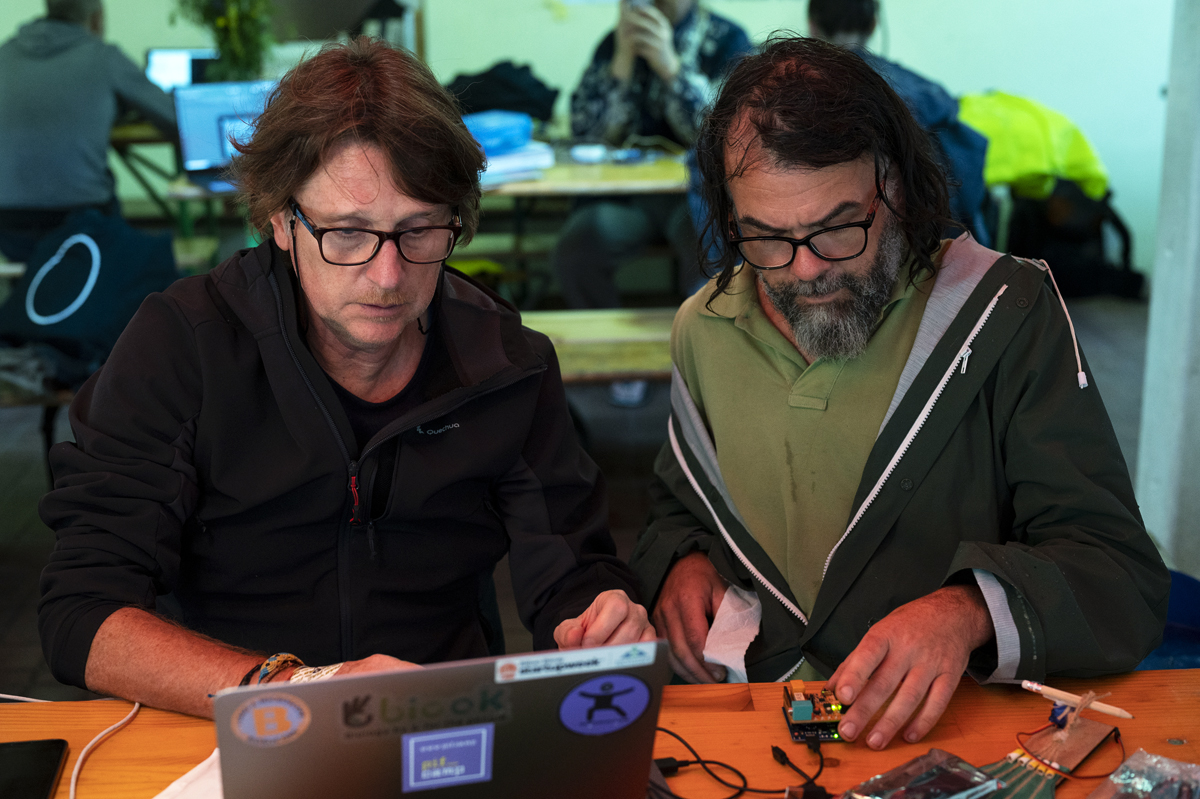
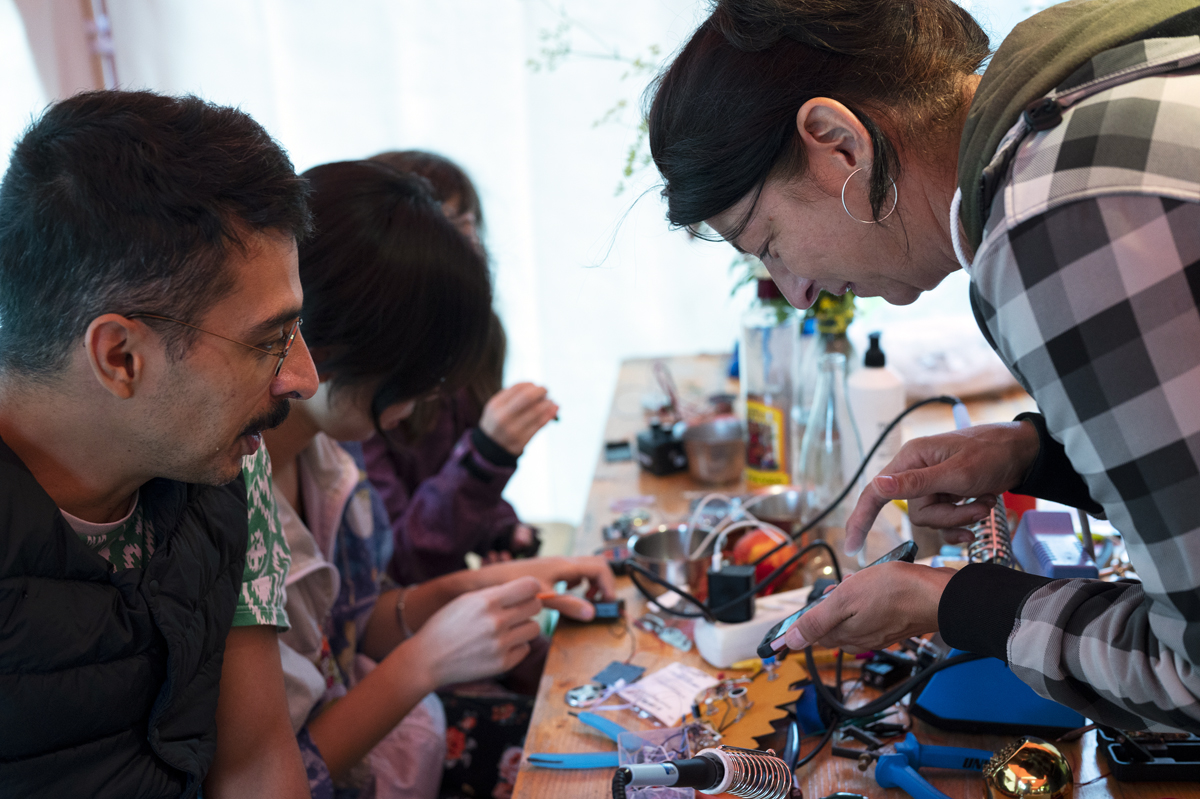
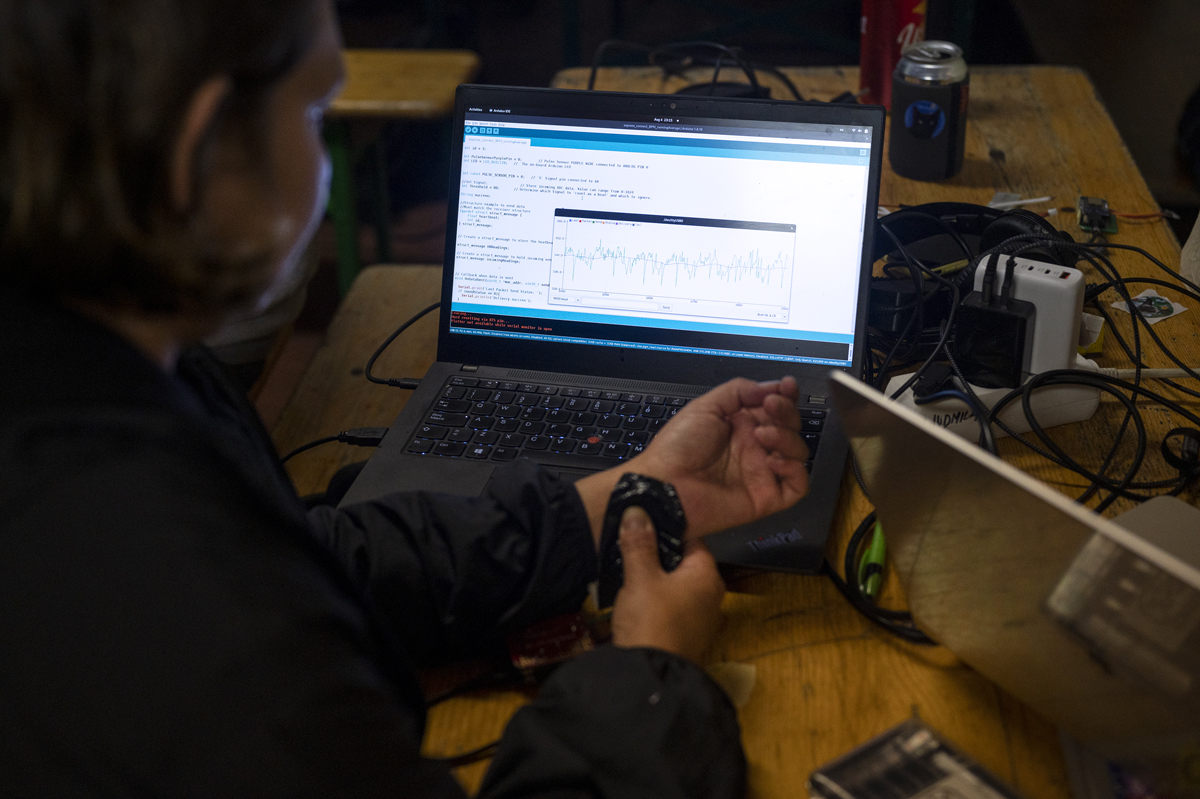
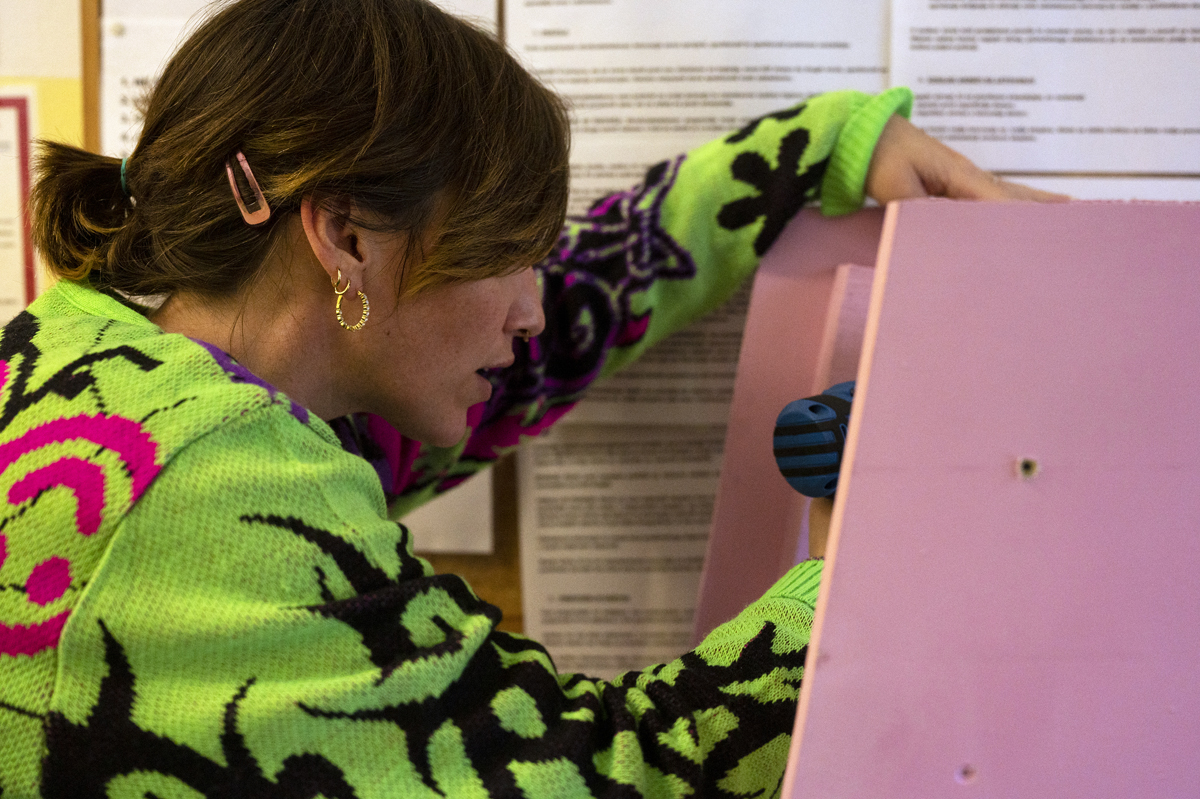
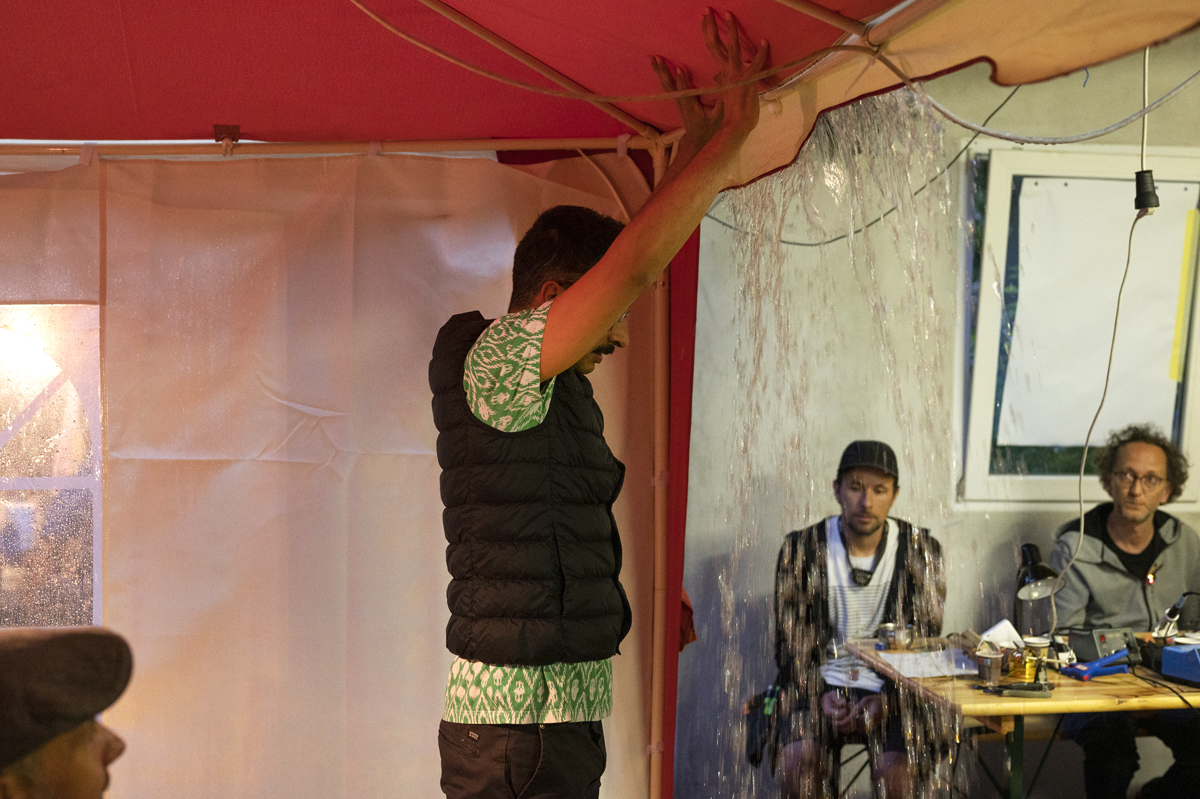
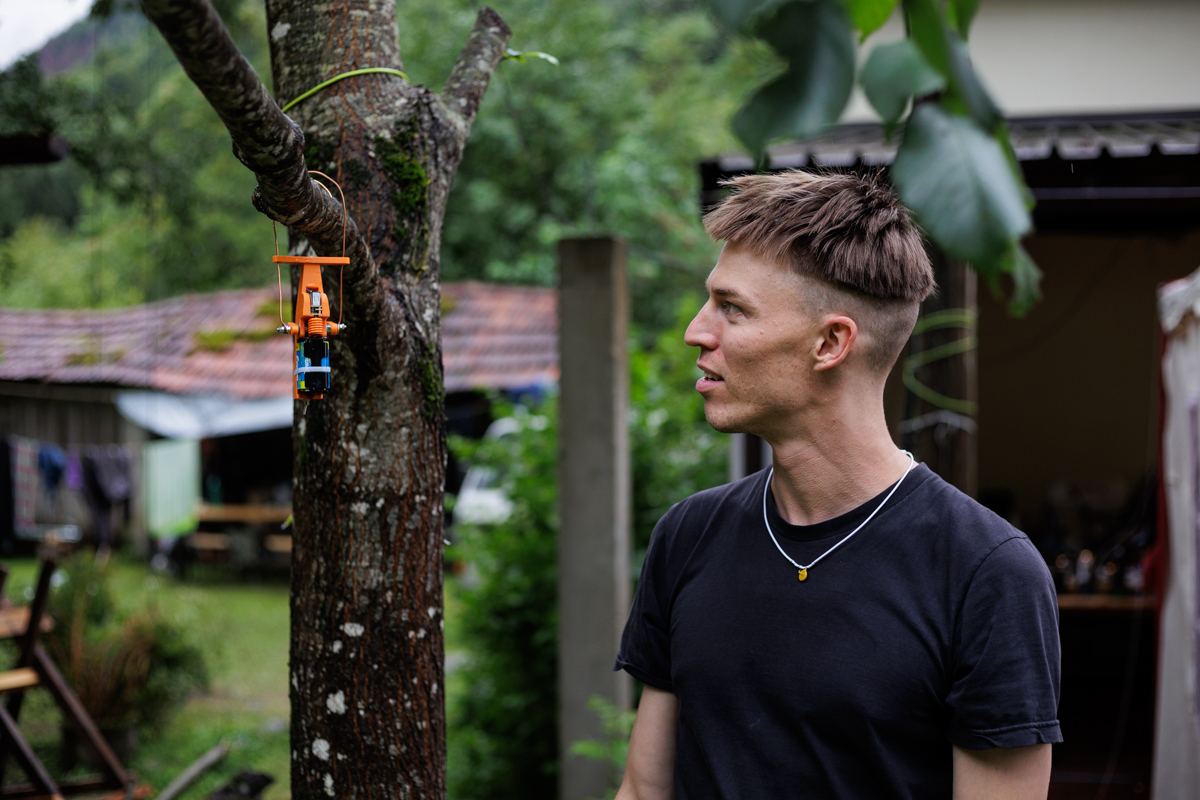
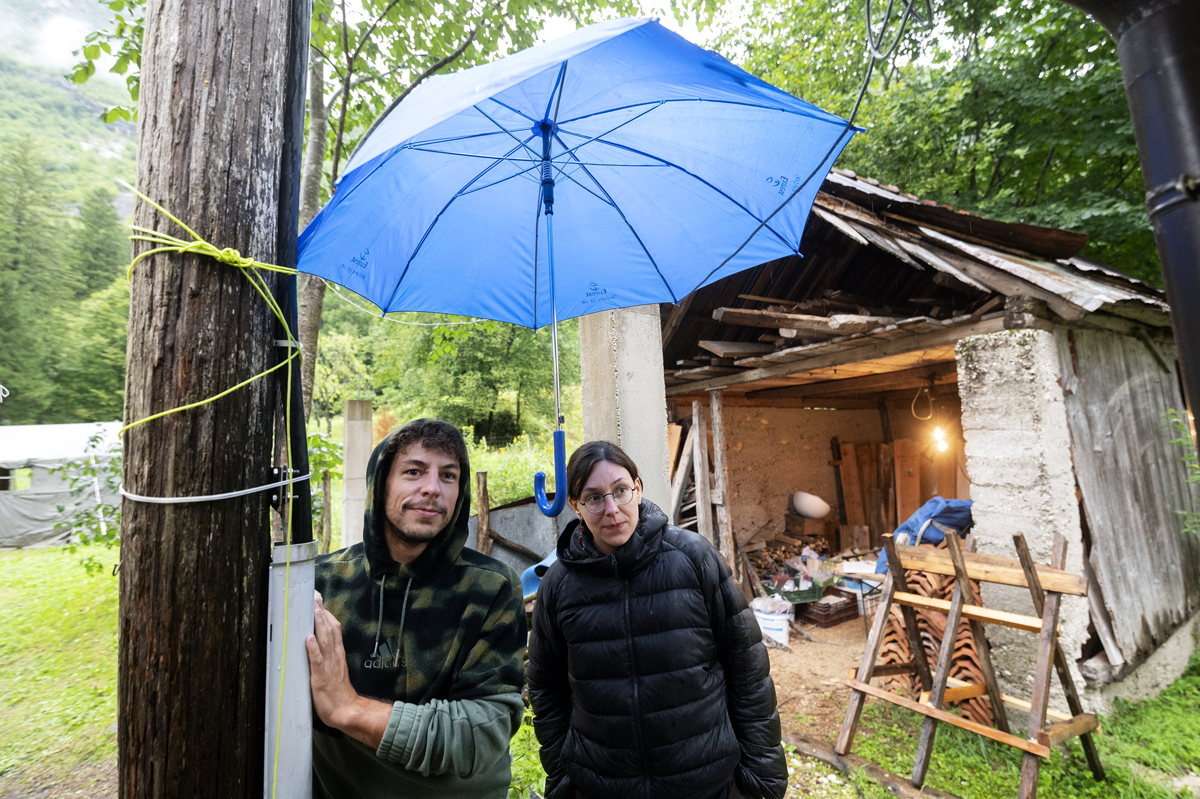
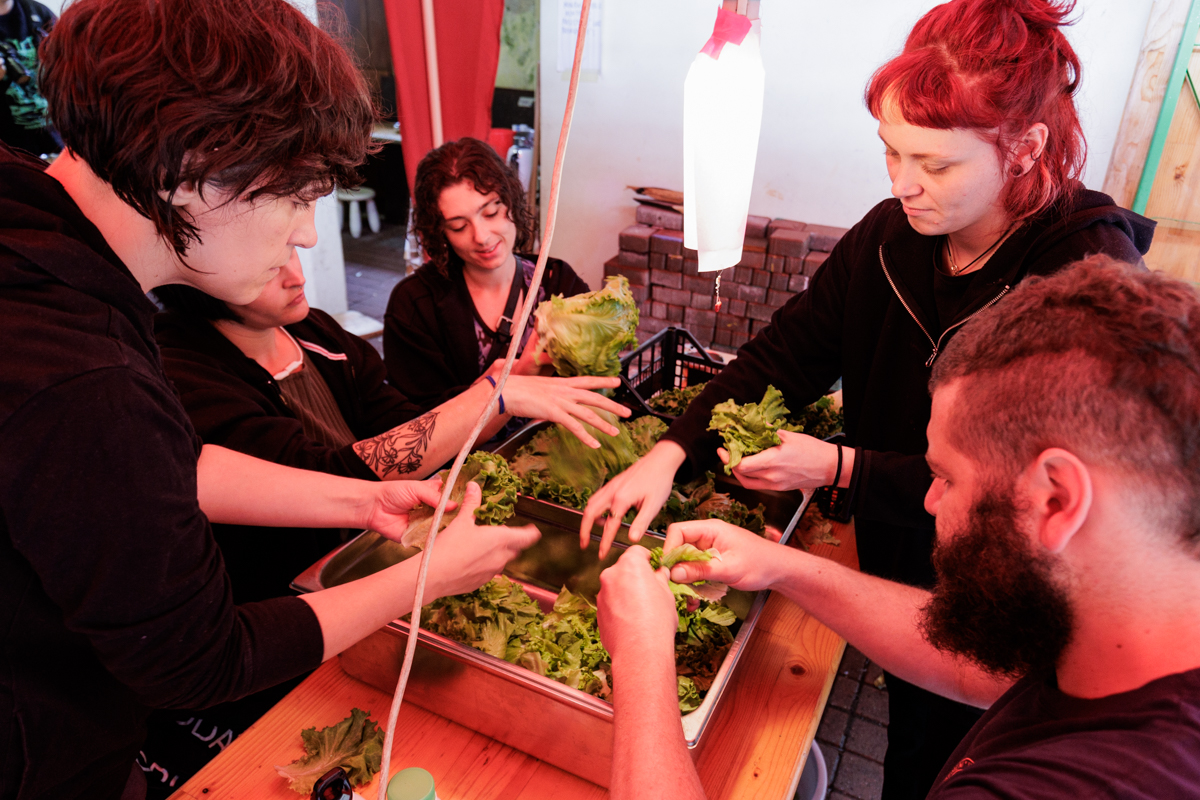
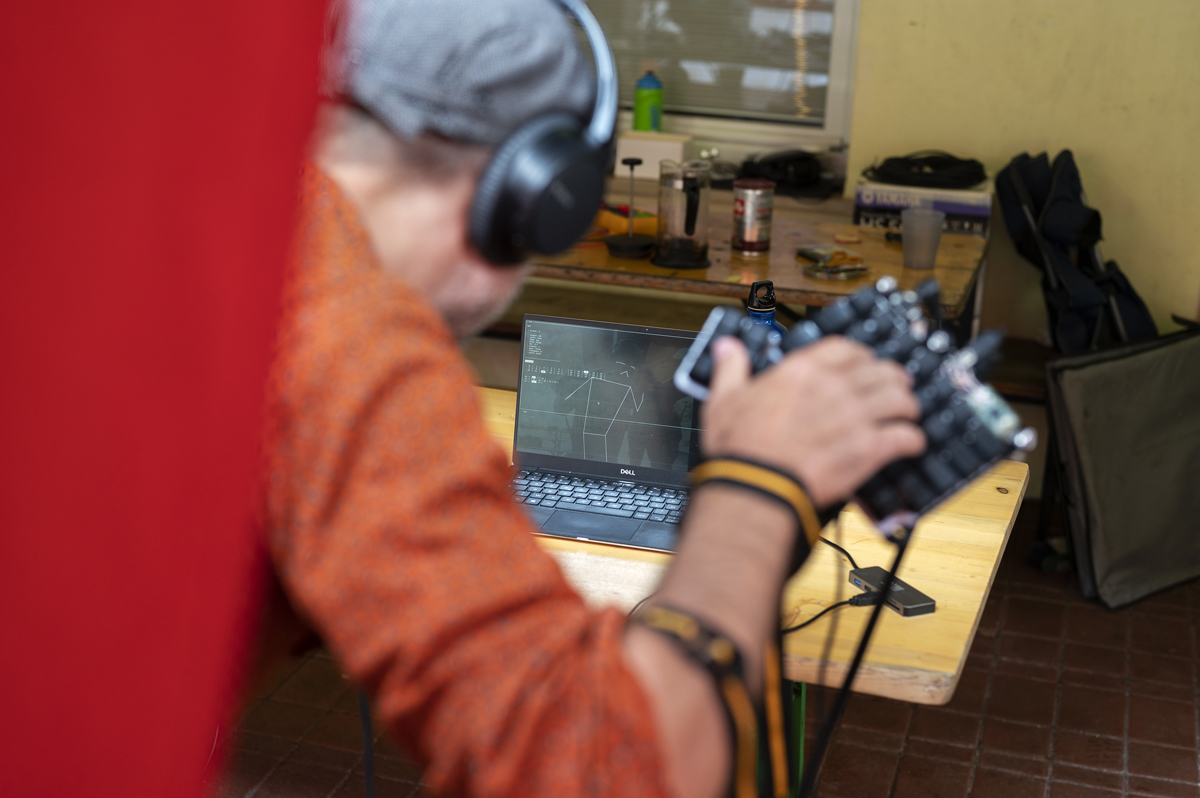
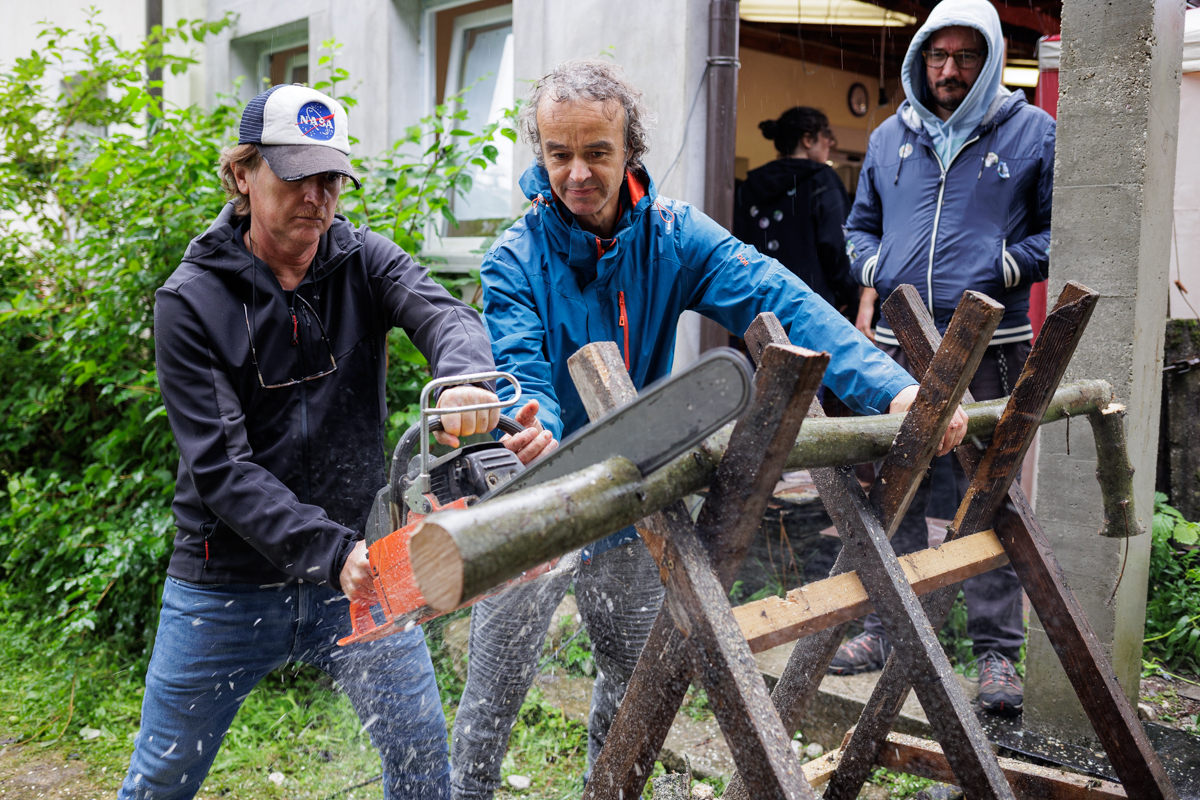
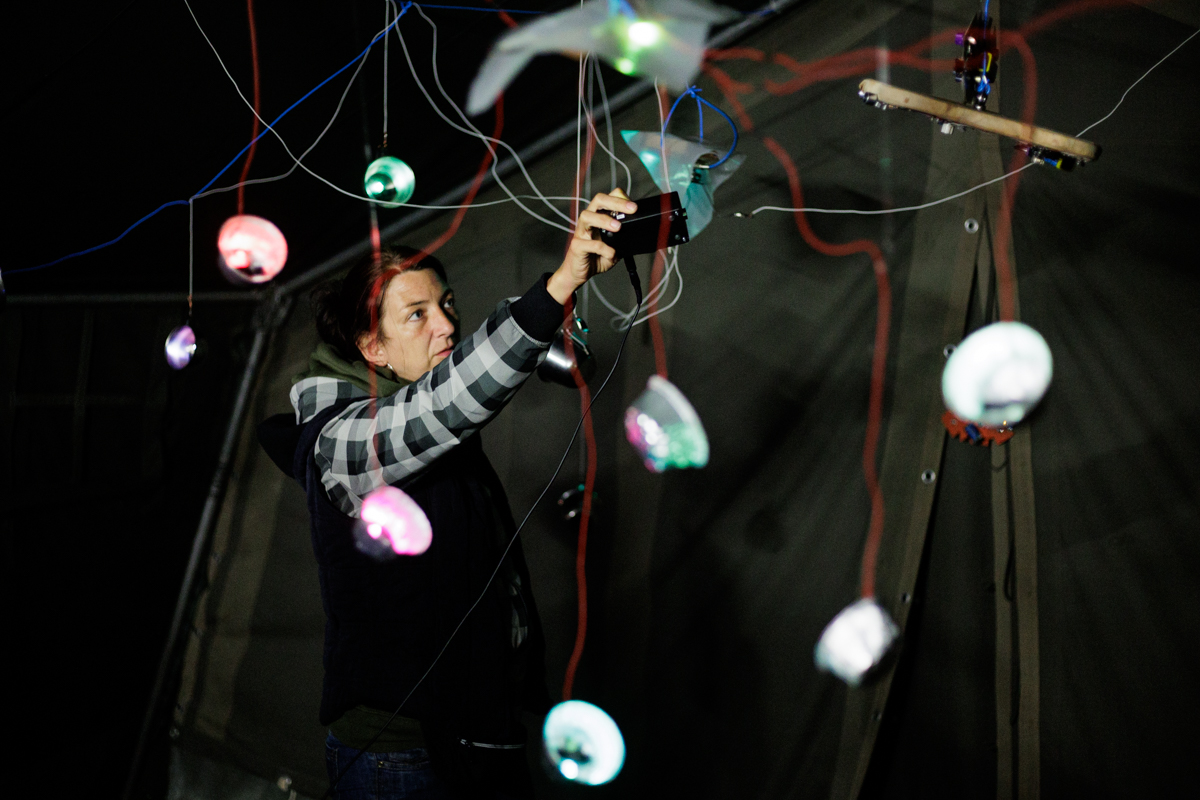
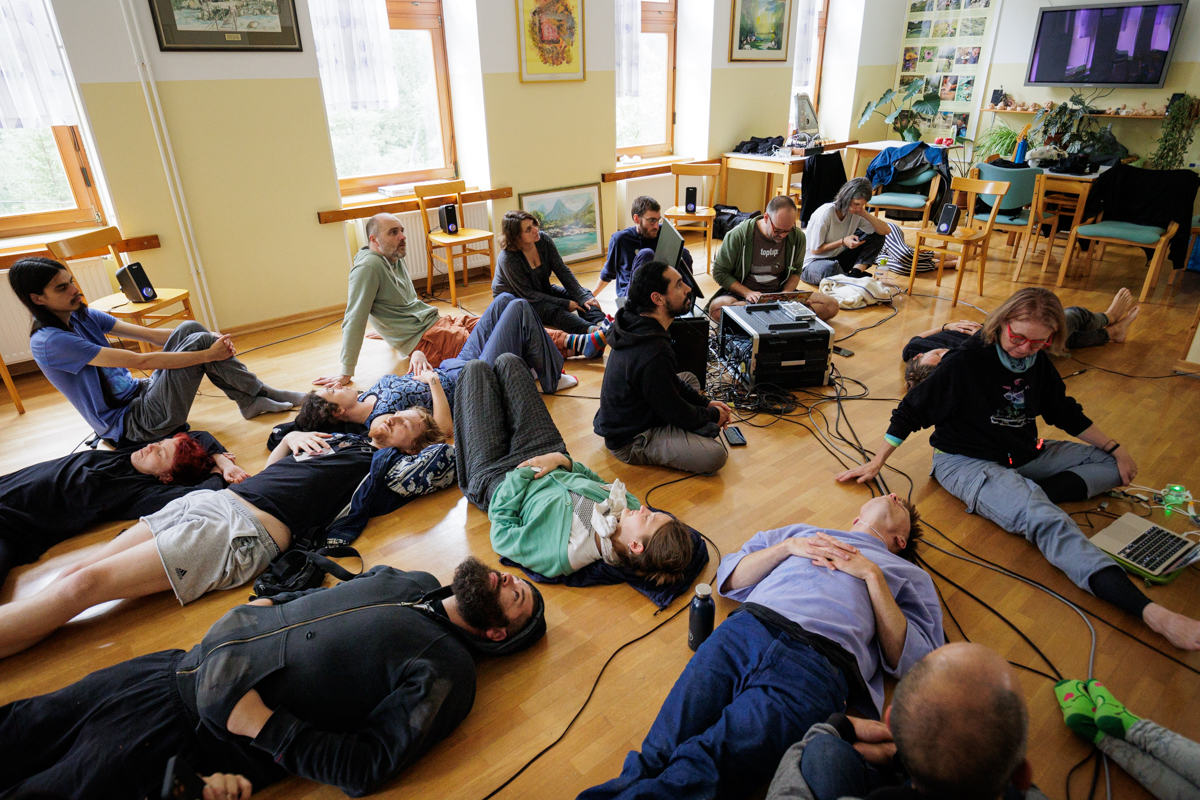
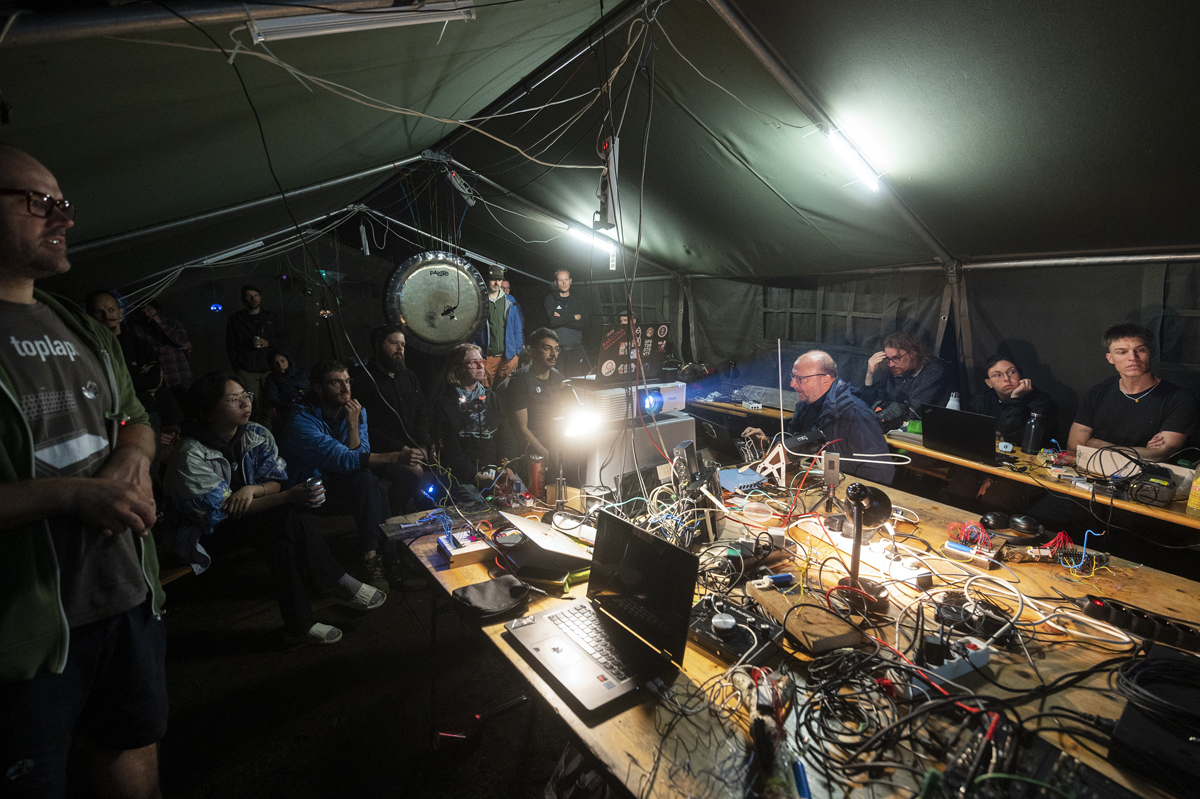
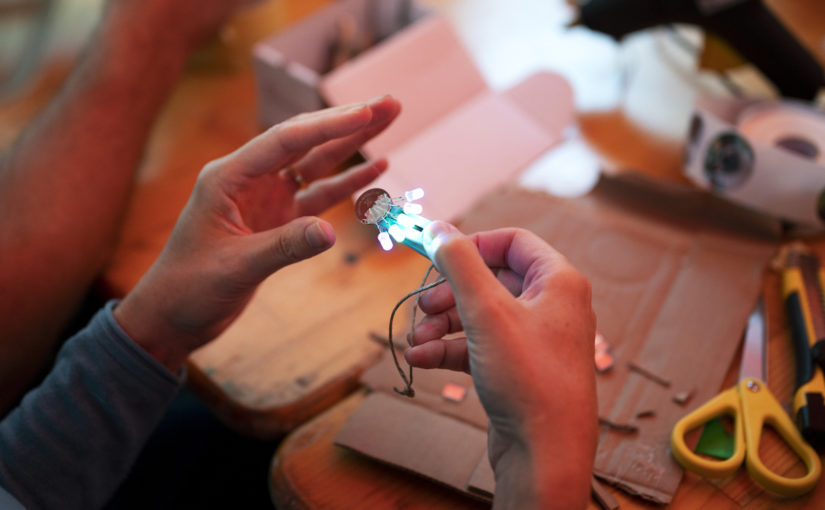
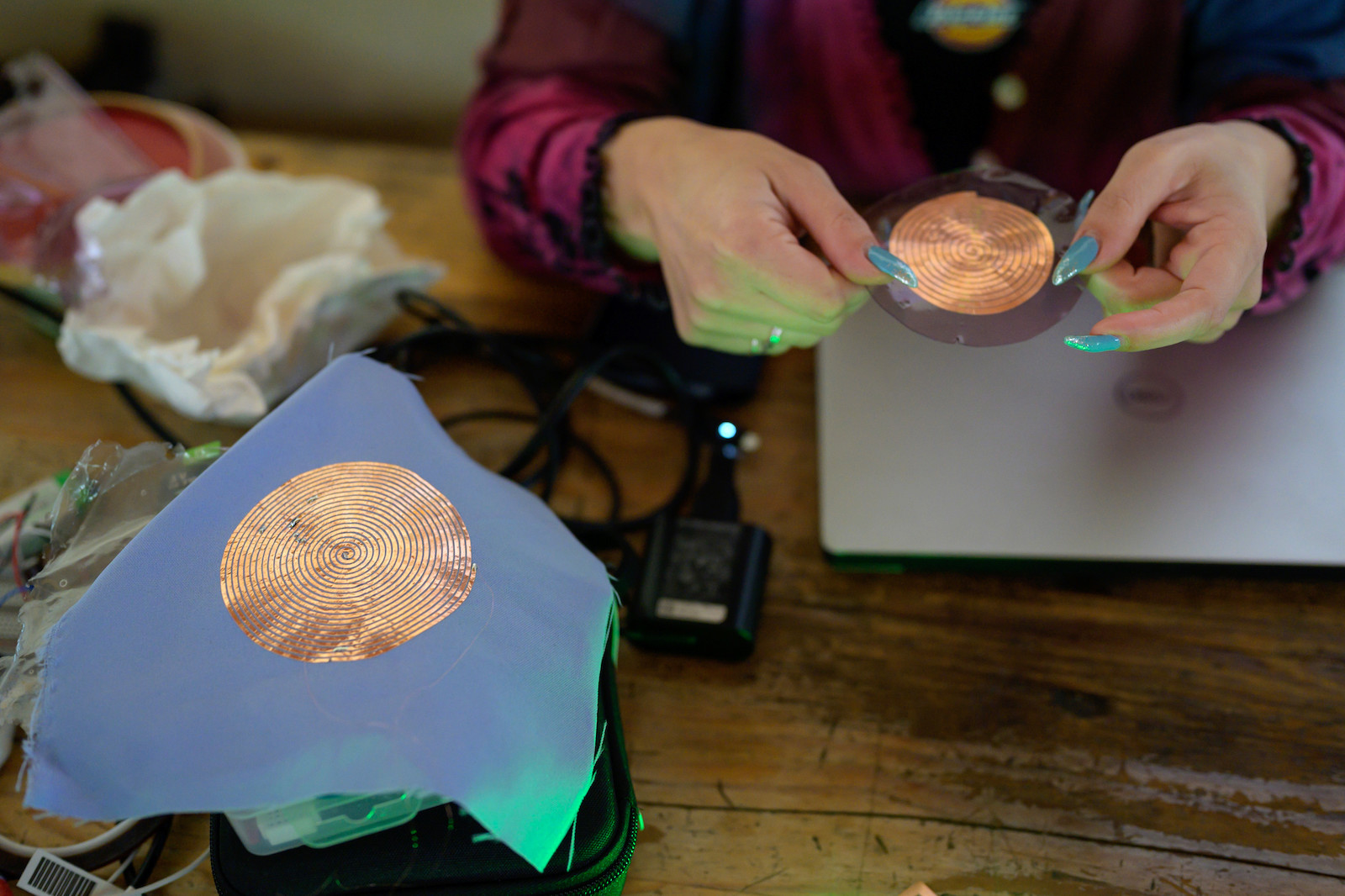
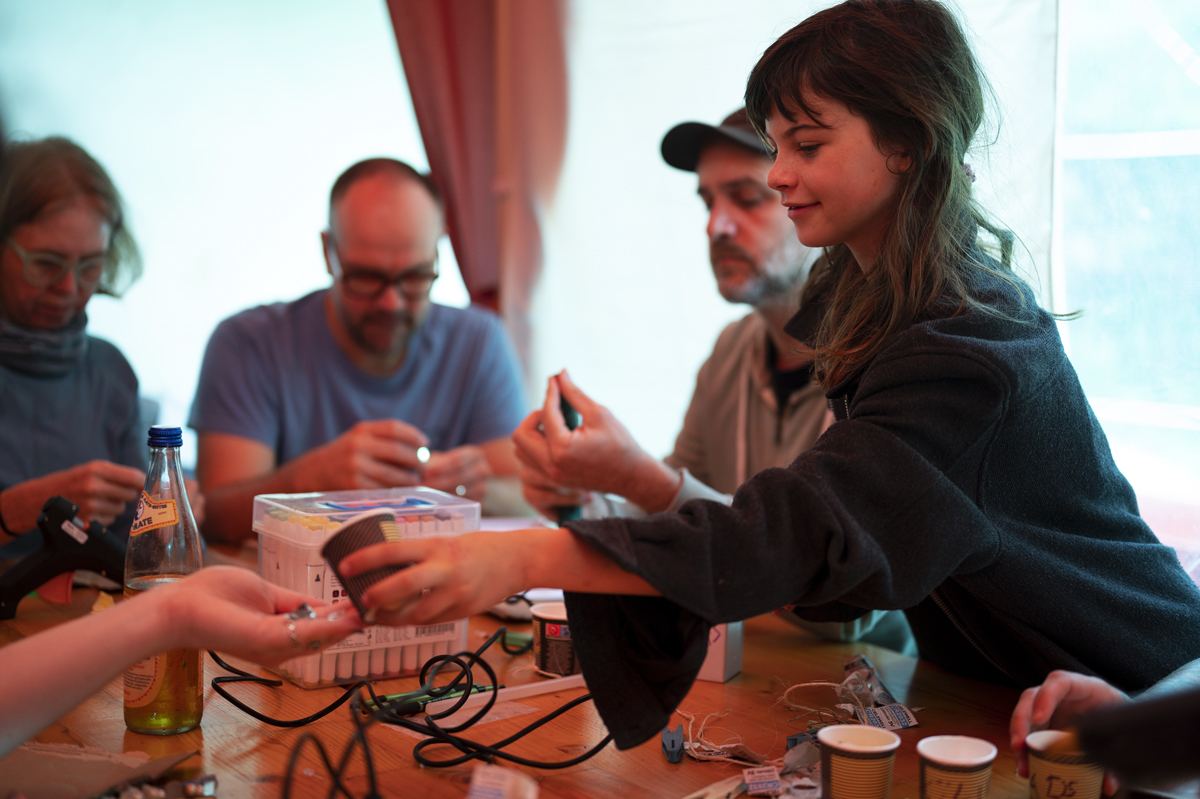
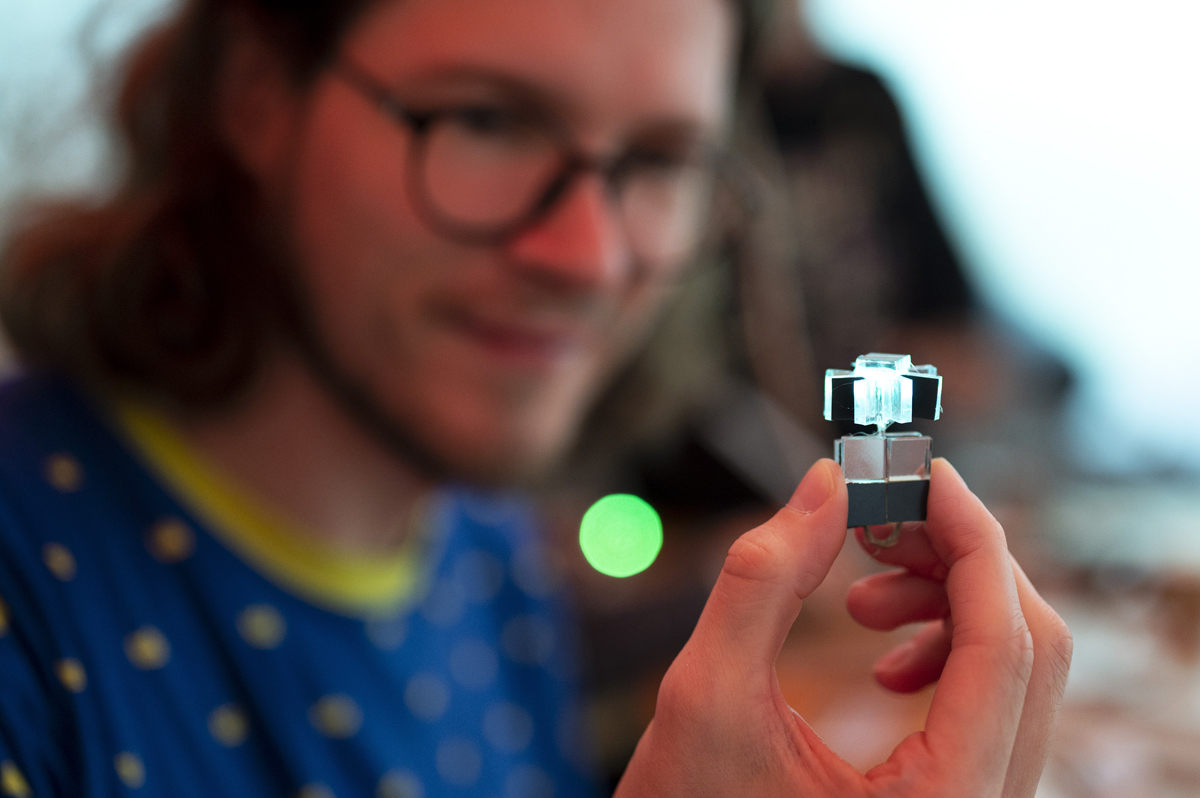
As you might have guessed from the title of this post, Thursday’s timetable was filled with workshops. Even though we really try hard to deliver news from PIFcamp on time, we are experiencing a minor setback, which is as much due to the fact there was a lot going on as it is to the gargantuan amounts of rain yesterday. There’s only so many dry working spaces when the PIFlake starts to form. However, this did not completely spoil the participants’ plans for the workshops. Shortly after breakfast, the first in the series of Touch Network workshops took place – Meta’s brooches and other decorations making workshop with LEDs. Also, one of the most popular PIFworkshops ever.
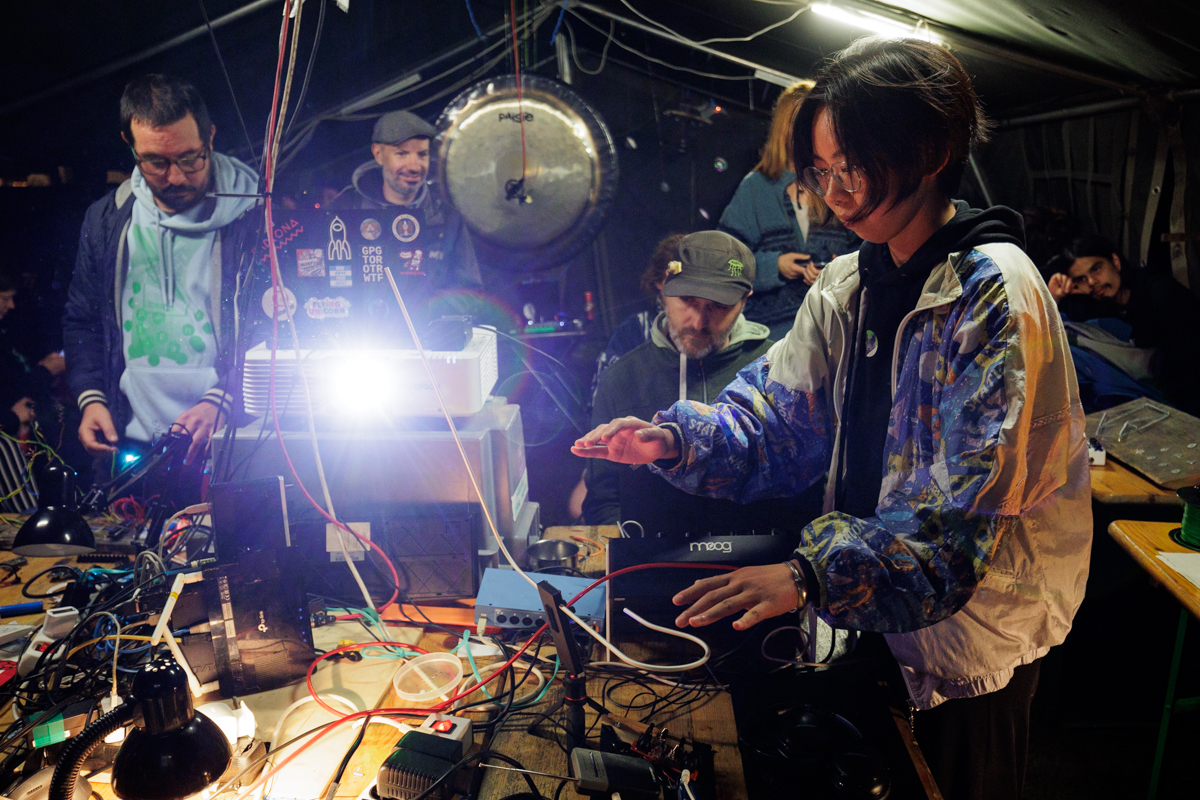
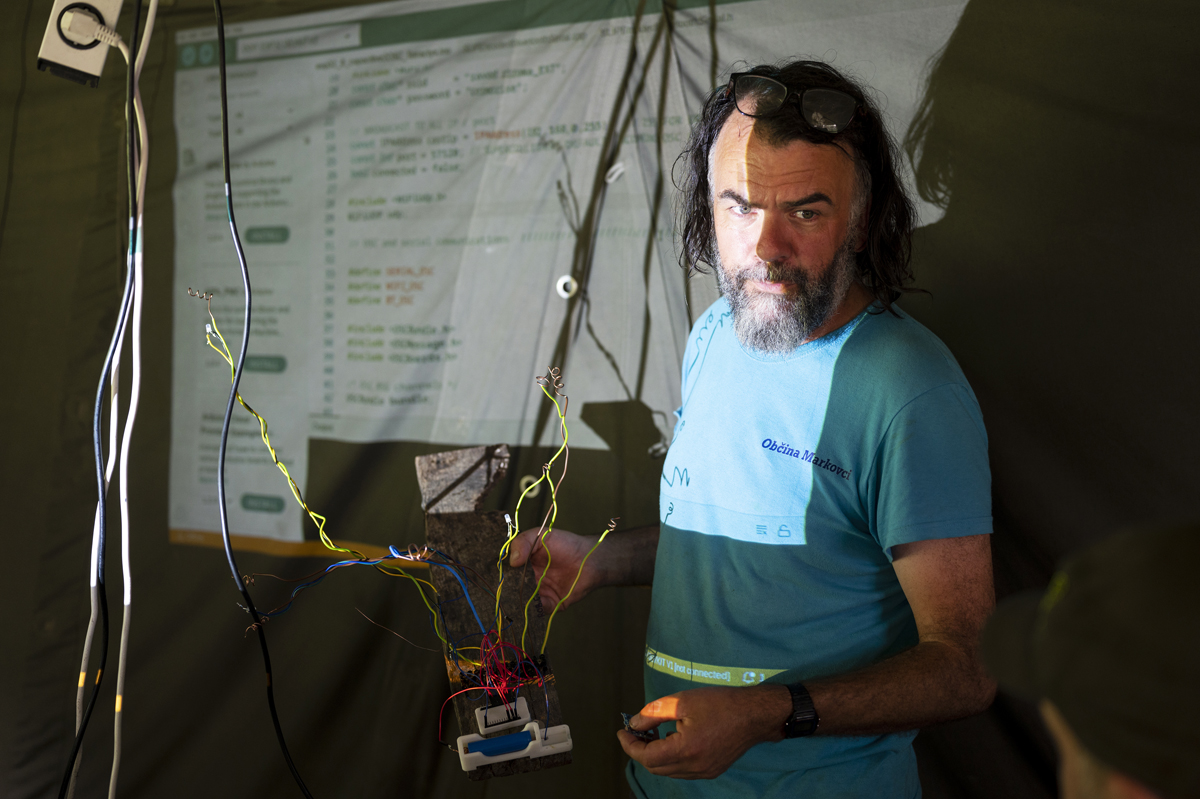
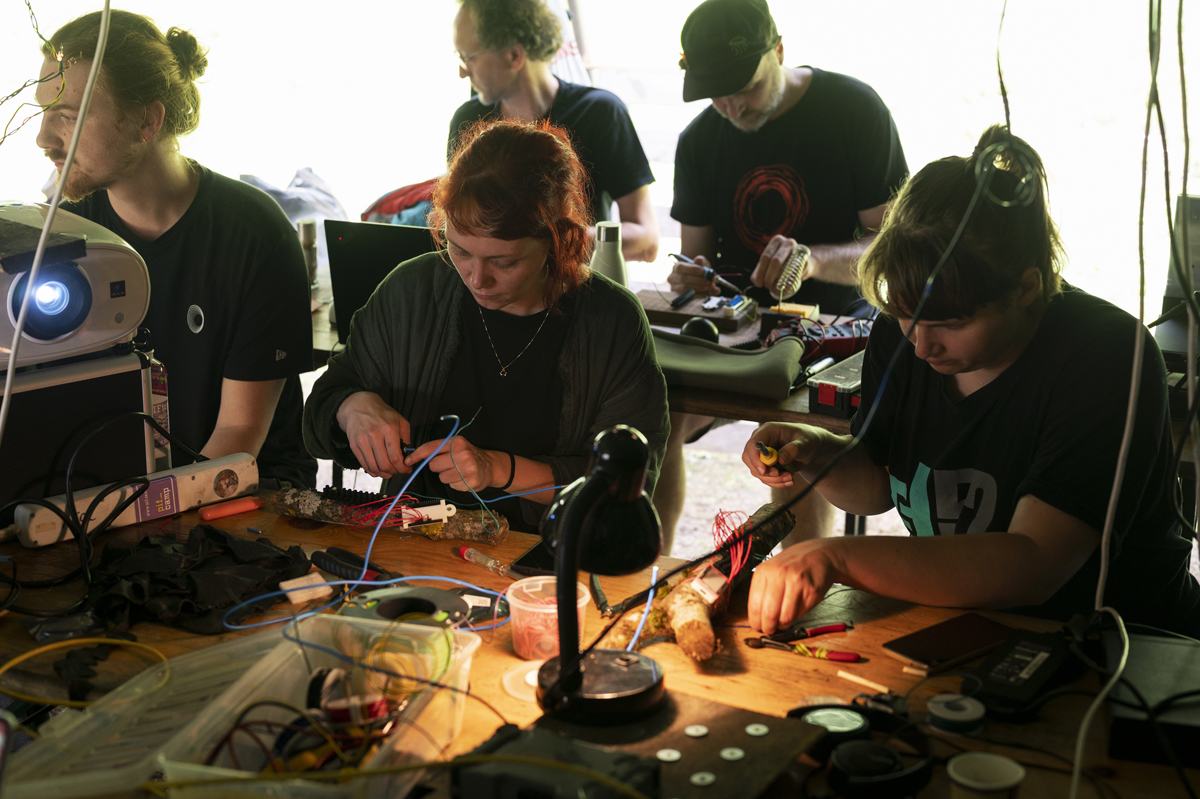
Meanwhile, Rob was in the tent preparing the presentation of the second workshop in the Touch Networks series, a workshop on making experimental musical instruments. After an introductory tech explanation, the participants went on a quest to find suitable bases for their instruments. Once they were satisfied with their findings, they started to upgrade the planks and logs into touch-sensitive musical instruments that send messages to Rob’s SuperCollider via the OSC protocol.
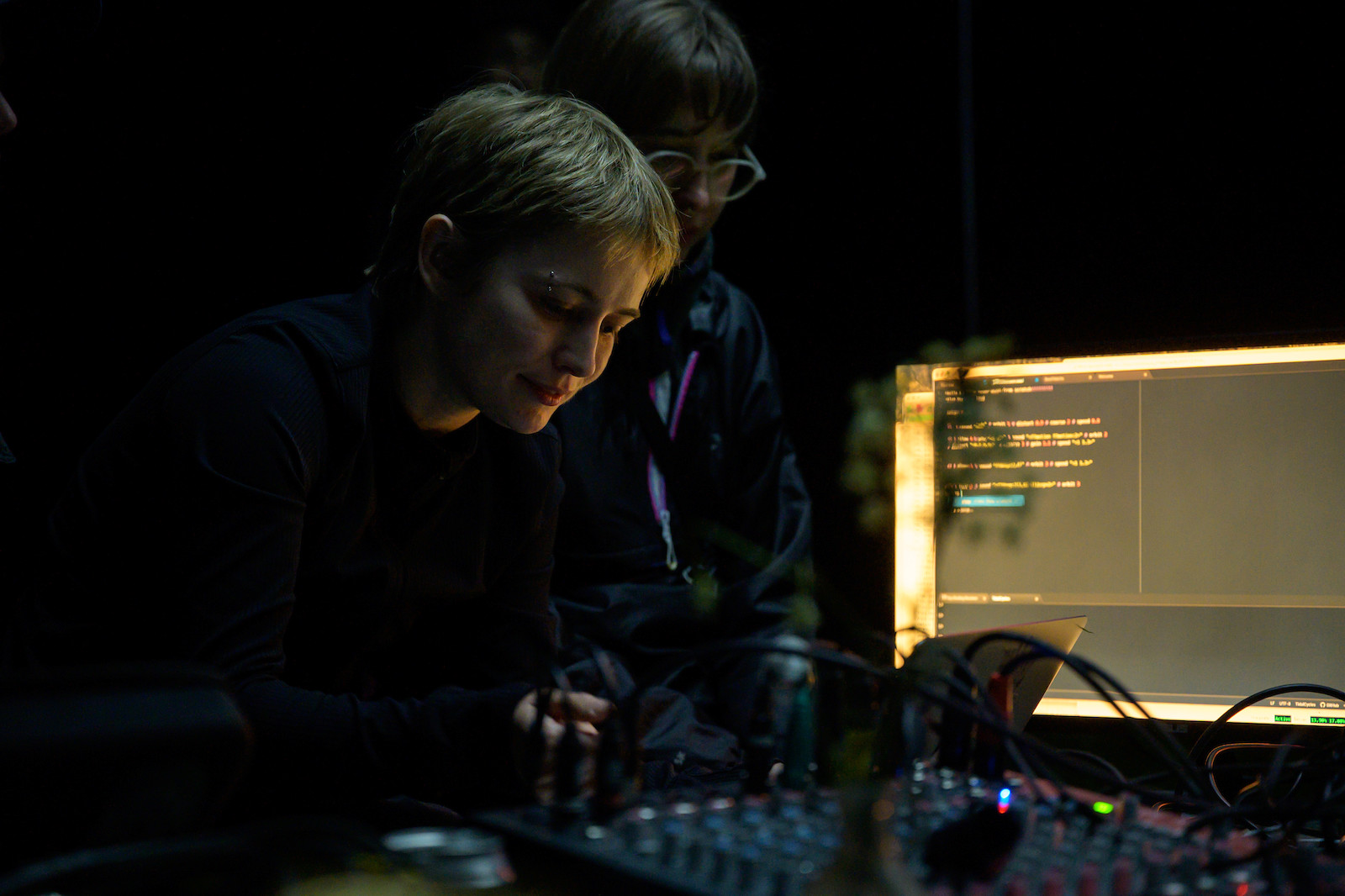
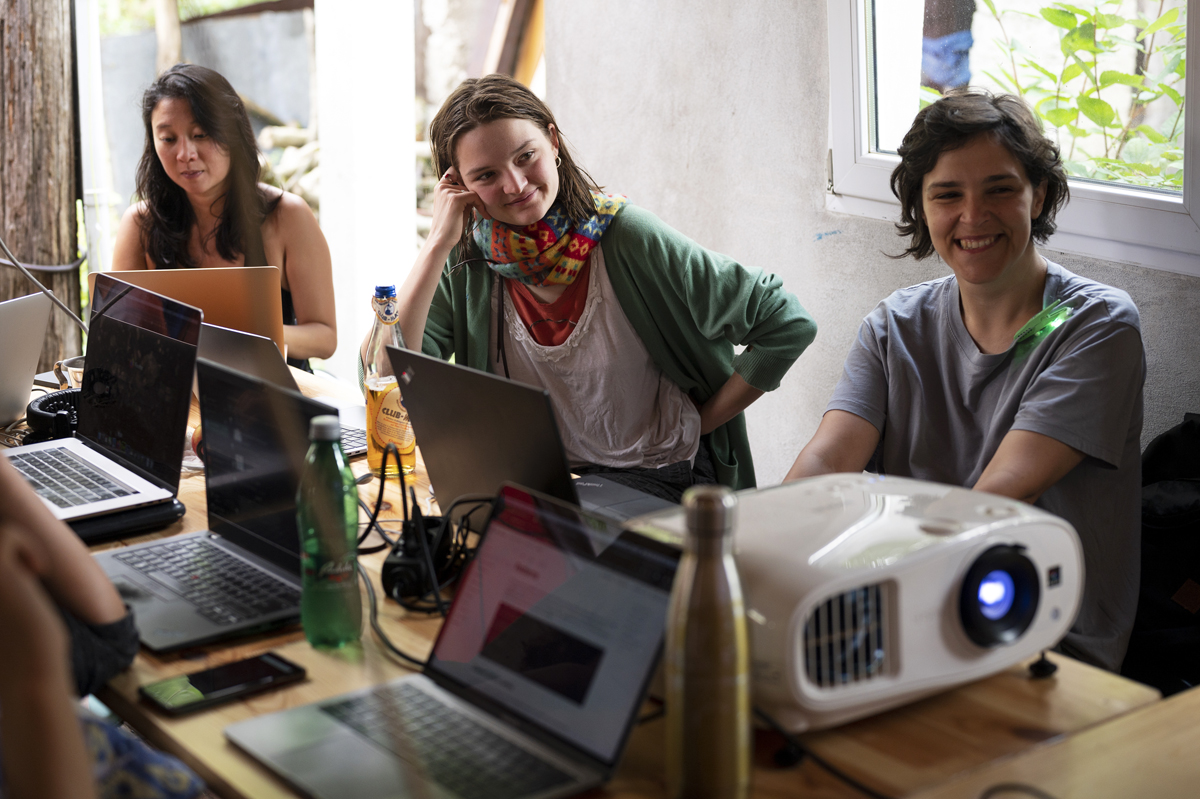
Simultaneously, the Instant Party workshop by Lina Bautista was taking place on the terrace. She introduced the participants to live coded music, explained the core principles of live coding and talked about the Tidal Cycles environment, which is one of the most popular tools among musician-coders. The practical part of the workshop followed. Participants experimented with live coding in MiniTidal and (for an instant) experienced collaborative coding using Estuary, a browser-based environment. As Alicia enthusiastically explained, the best feature of this collaborative coding tool is that it synchronizes the timing of all the participants, making it the ideal solution for remote participatory coding.
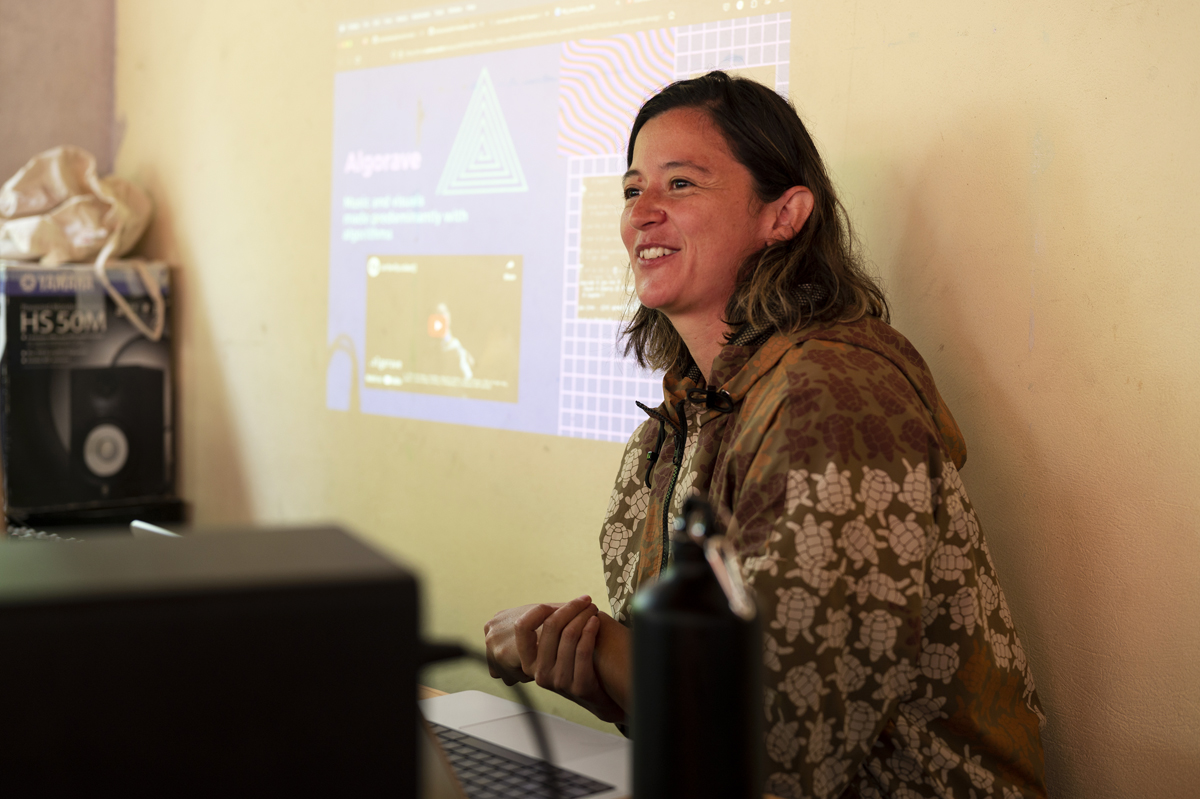
We also talked to one of the attendees, Julia, who had a great time during Lina’s workshop, and particularly remembered her saying that the whole point of live coding music is to have fun. She says that the workshop lived up to its name as it offered instant fun. On the spot, we also caught Lina’s excellent explanation of another core principle of live coding – it’s not just about sharing the screen (to quote one of the points of the manifesto), but about sharing in the broadest sense. By giving listeners or viewers a behind the scenes insight into the process, we allow them to copy the code and play our song or set themselves.
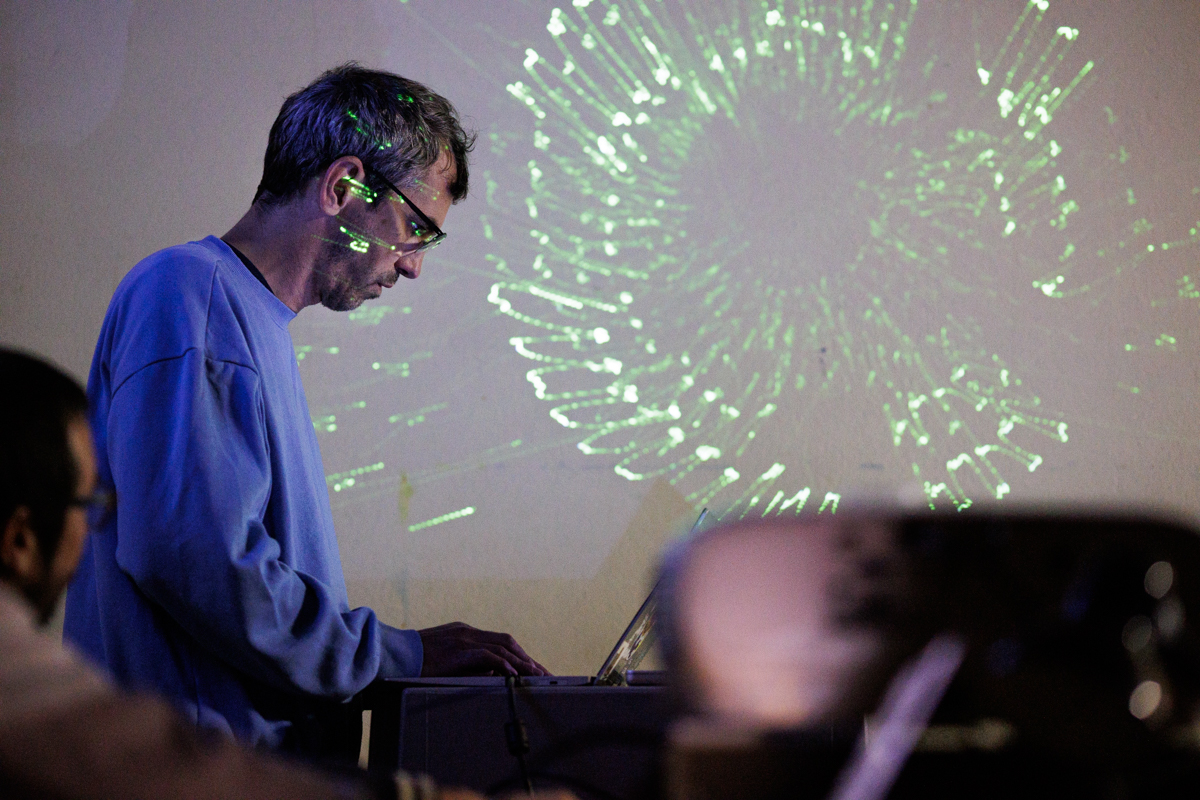
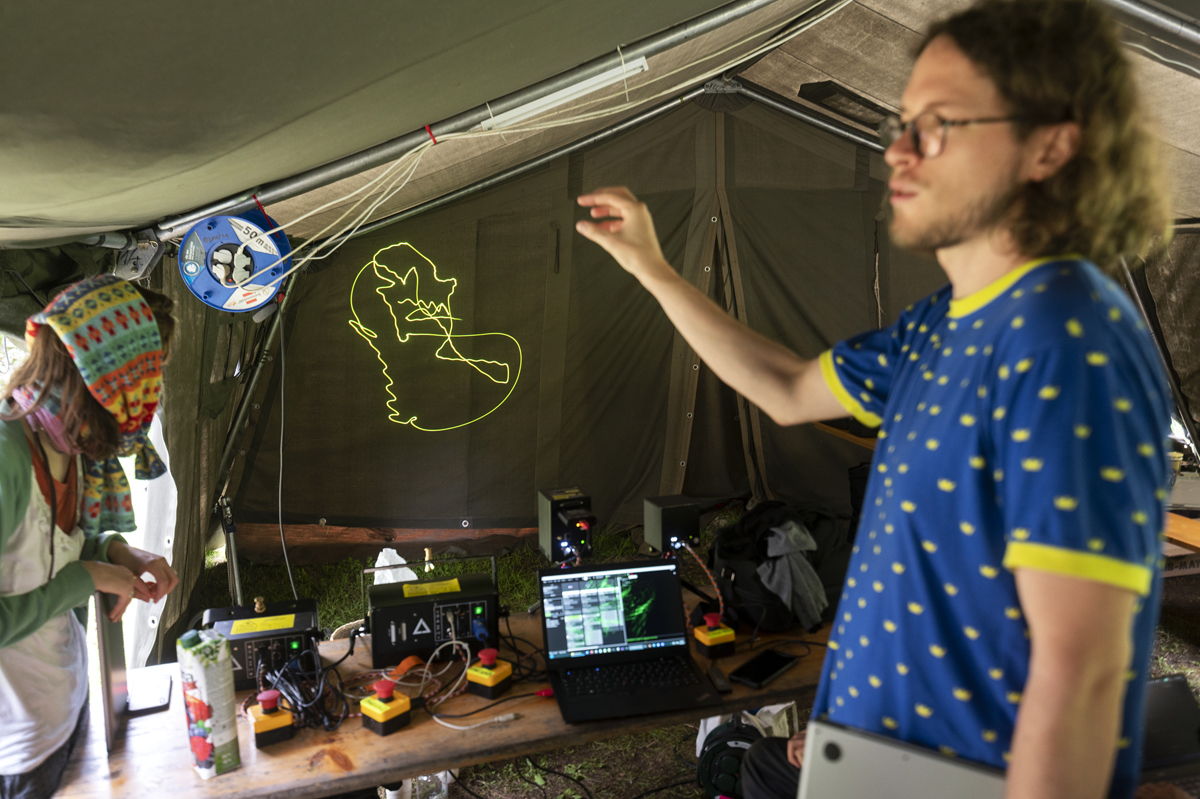
Under the tent, Rob’s workshop was gradually joined by a workshop by the Oscilloscope Music duo, about whom we have already written extensively in the PIFwednesday post. As expected after their amazing AV show on Wednesday, their workshop attracted quite an audience. The participants first learned the basics of safely handling lasers, familiarized themselves with Hansi’s and Chris’s set-up and software, and then tried their hand at laser visualizations.
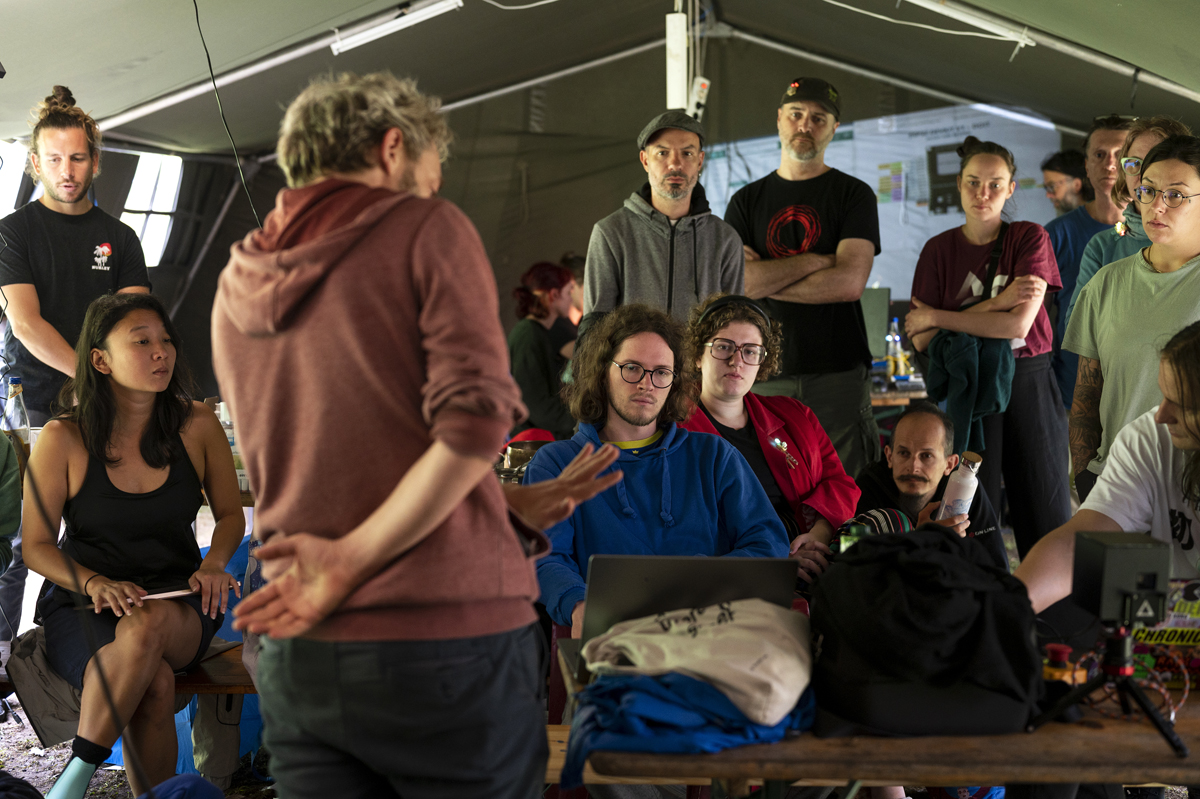
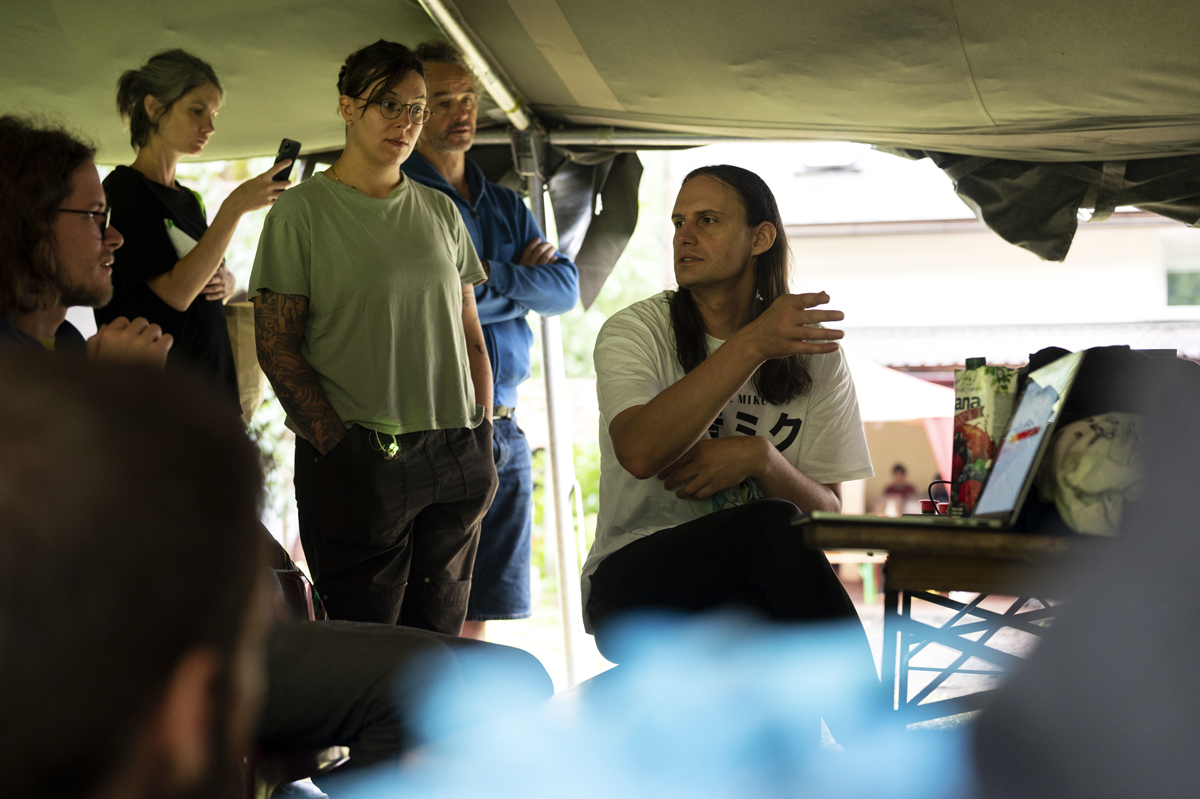
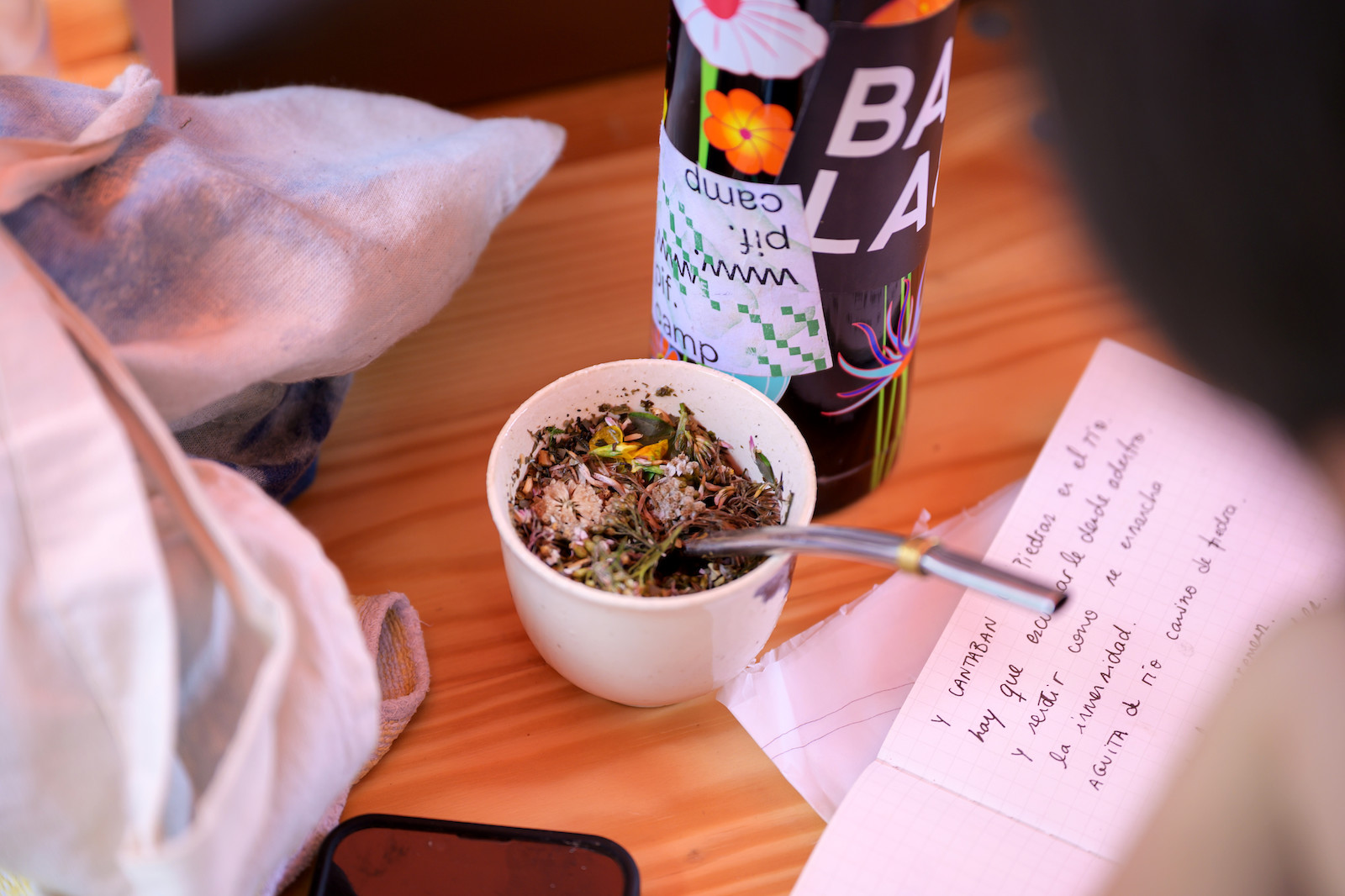
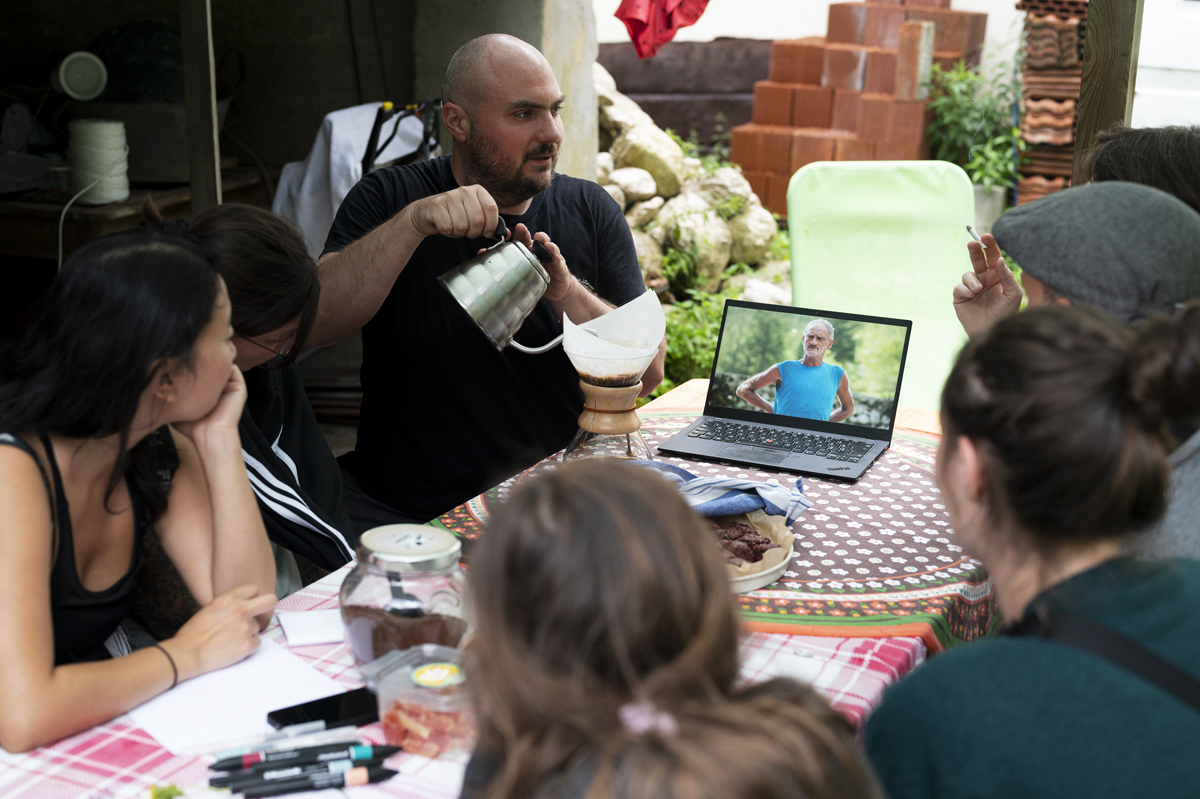
After lunch, a group of anything-food-related enthusiasts gathered at the other side of the PIFcamp for coffee and beetroot cake. Ahac welcomed them in his cosy little corner and invited them to share memories of Dario Cortese, who “really connected PIFcamp with nature”, as our host so aptly put it. They shared stories about this forager and explorer of fermentation, edible wild plants and the surrounding wilderness. If there is one common point among all the stories, it is the fact that everyone who knew him misses Dario. Unfortunately, yours truly had to leave the PIFood corner, and will report on the conversations that took place later in one of our future post.
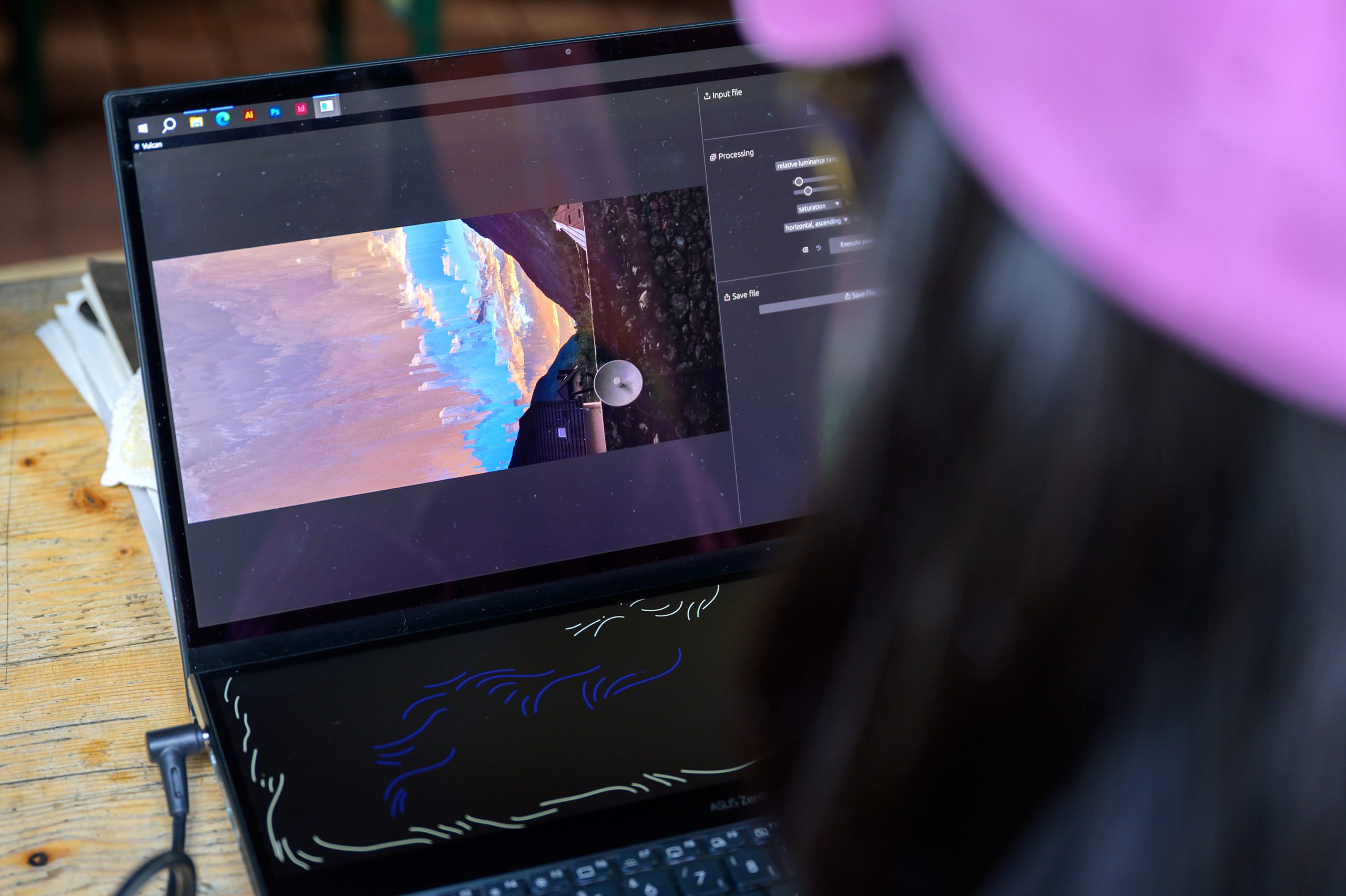
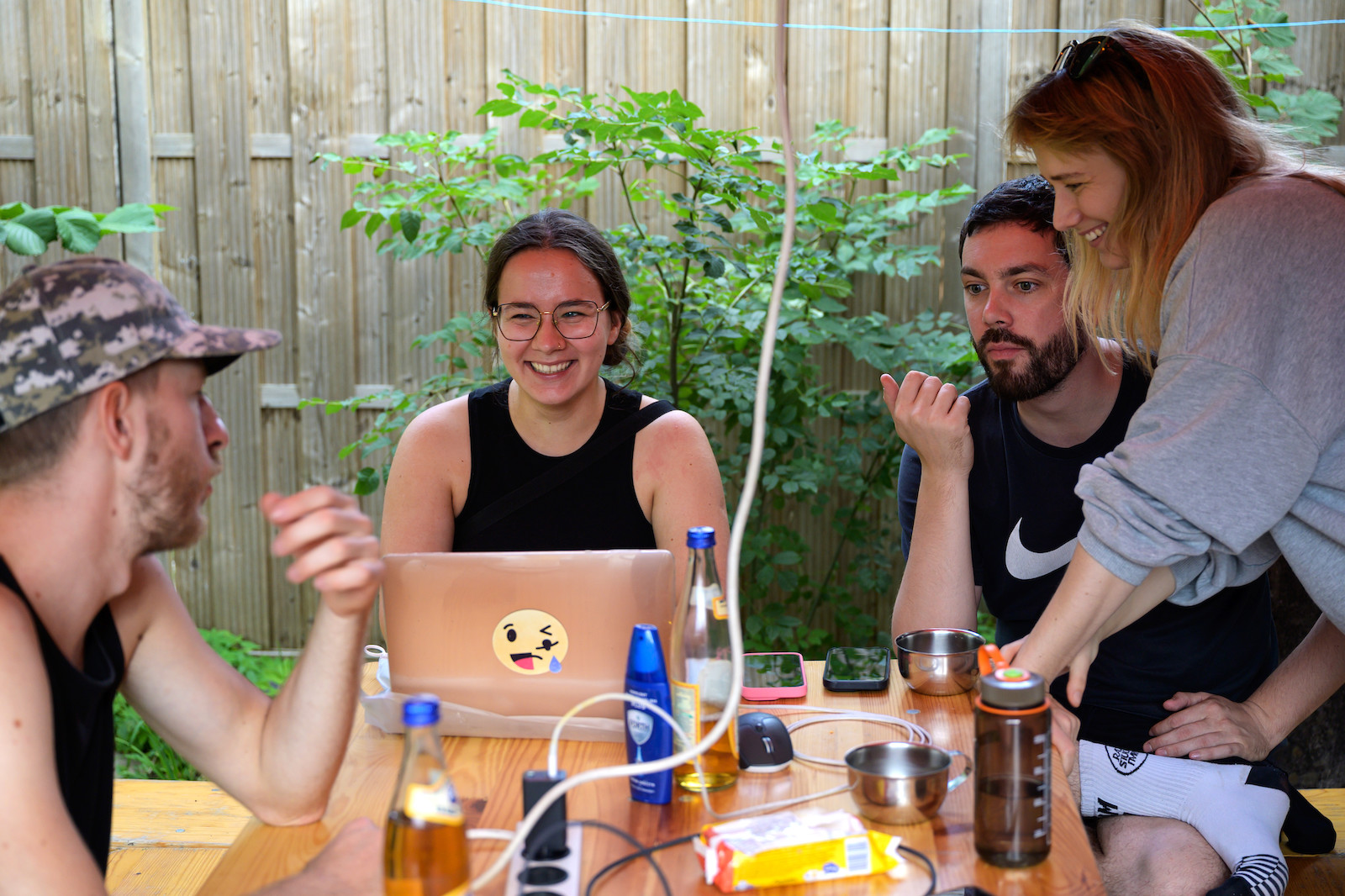
Although it may seem that the PIFlars were unable to progress with their PIFprojects due to the abundance of workshops and rainfall, we can immediately reassure you that this was not the case. If life gives PIFlars the rain, they will come up with a high-tech solution and get on with the job. One of our personal favourites has to be Jelissa’s laptop cover. As often happens at PIFcamp, she didn’t need this solution to move forward with her PIFproject. She teamed up with the artistic duo Swamp_Matter, Eva and Ana Laura, and she was happy to share her coding skills with them. One of the project team members who (like Jelissa) has organically become part of their artistic exploration is Jure, but more on that in the report from Saturday’s presentations. Hint: you’ll be reading about dancing stones.
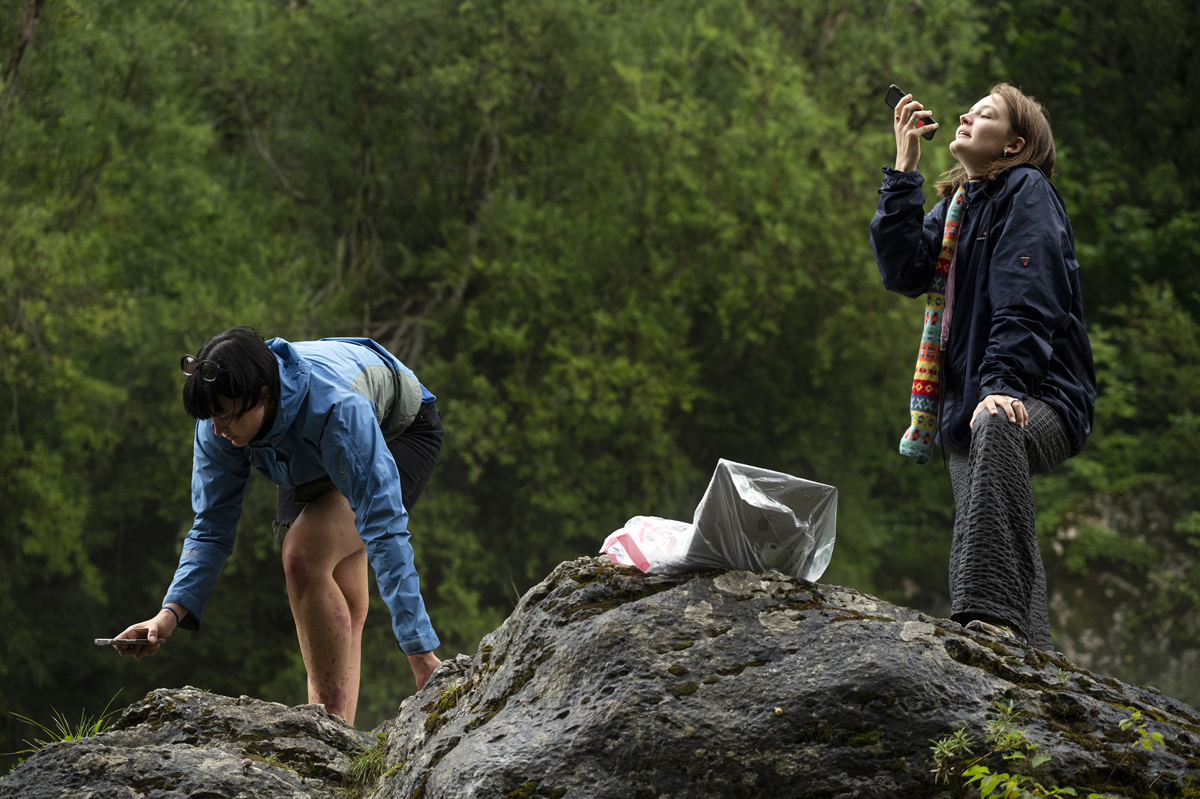
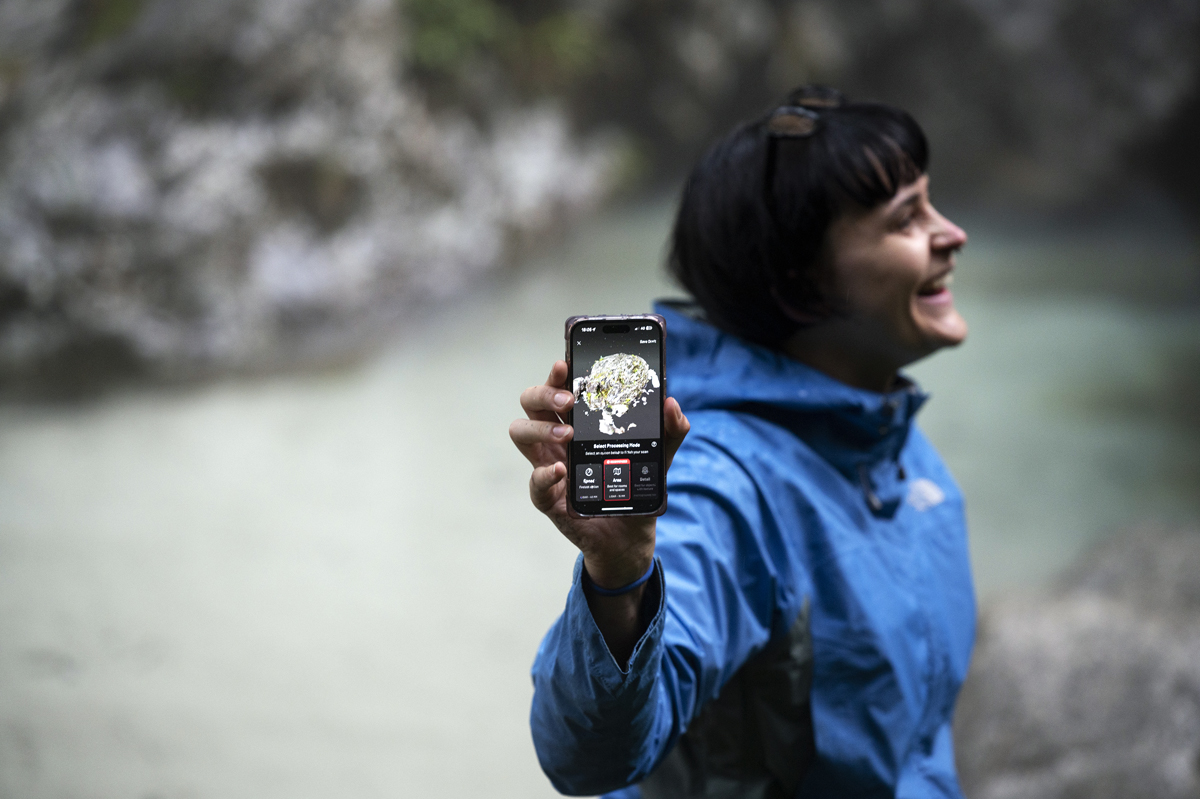
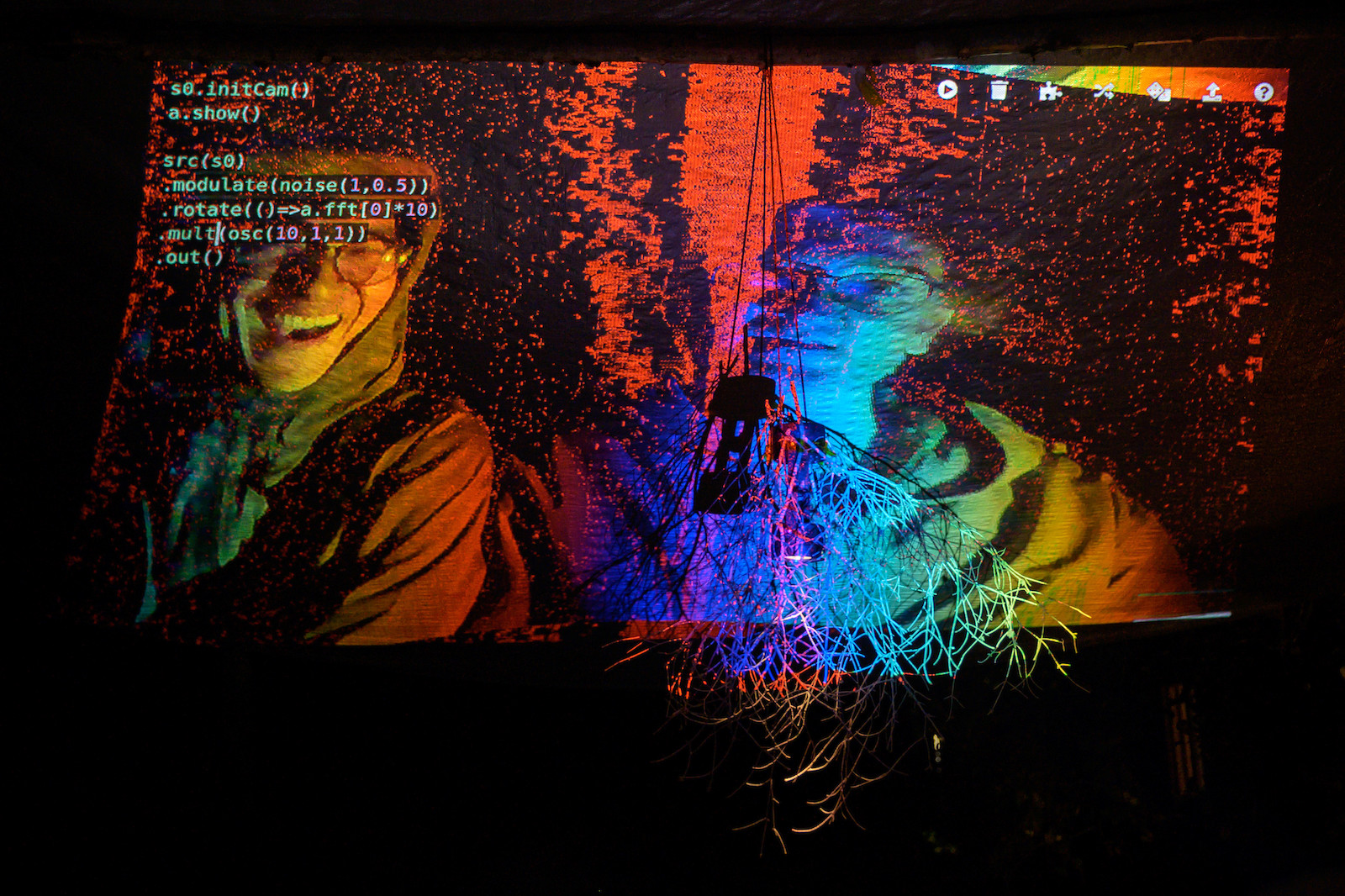
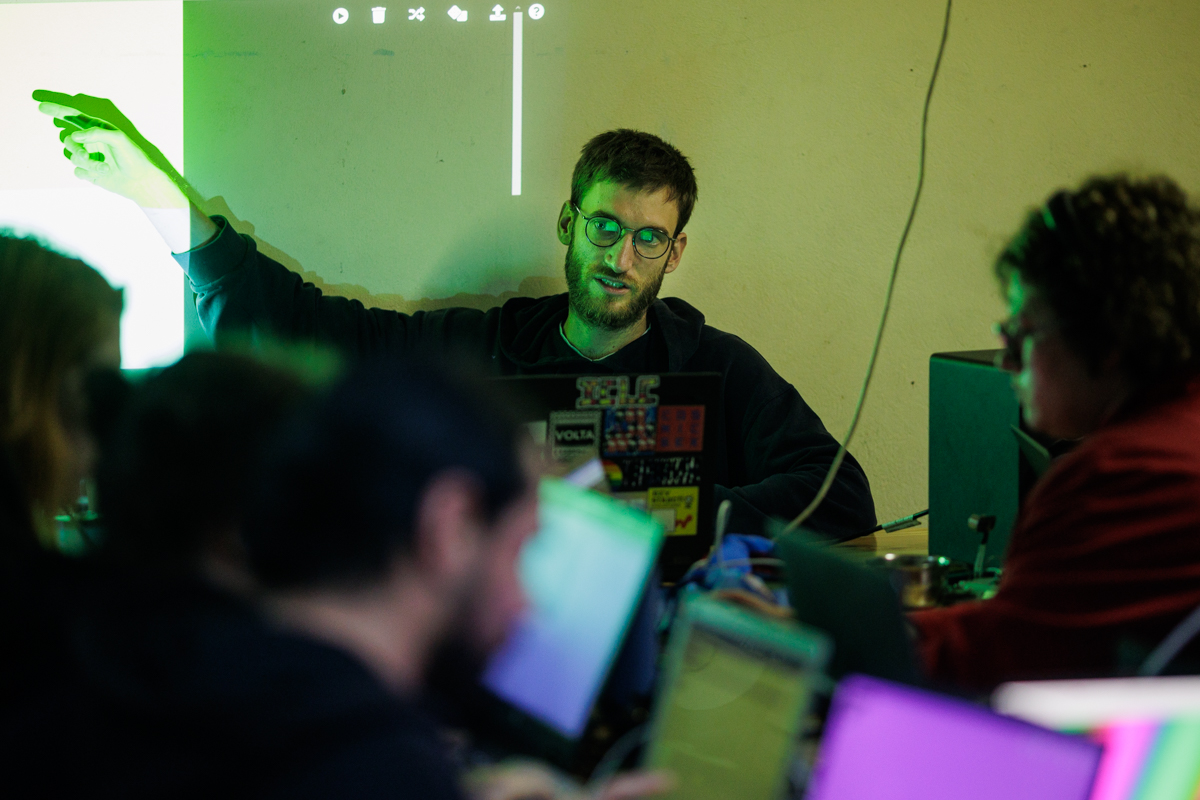
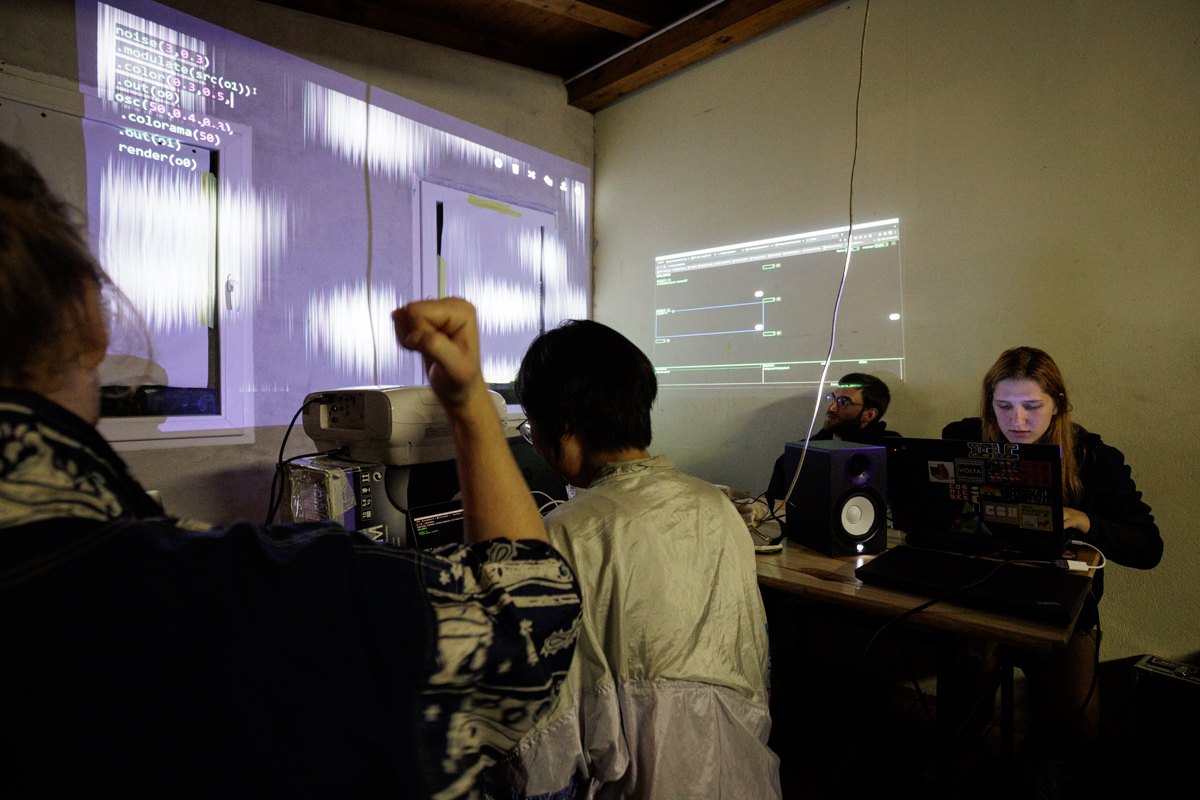
In the evening, the live coder community continued working on their PIFproject of infecting the participants with this artistic practice. Blaž organized a live coding workshop in the Hydra environment, which you may remember from last year’s PIFlog. He was clearly successful in this effort, since all the workshop participants later showed off their newfound knowledge at the From Scratch PIFevent, where they visualized the music of participants from Lina’s workshop and the seasoned live coders.
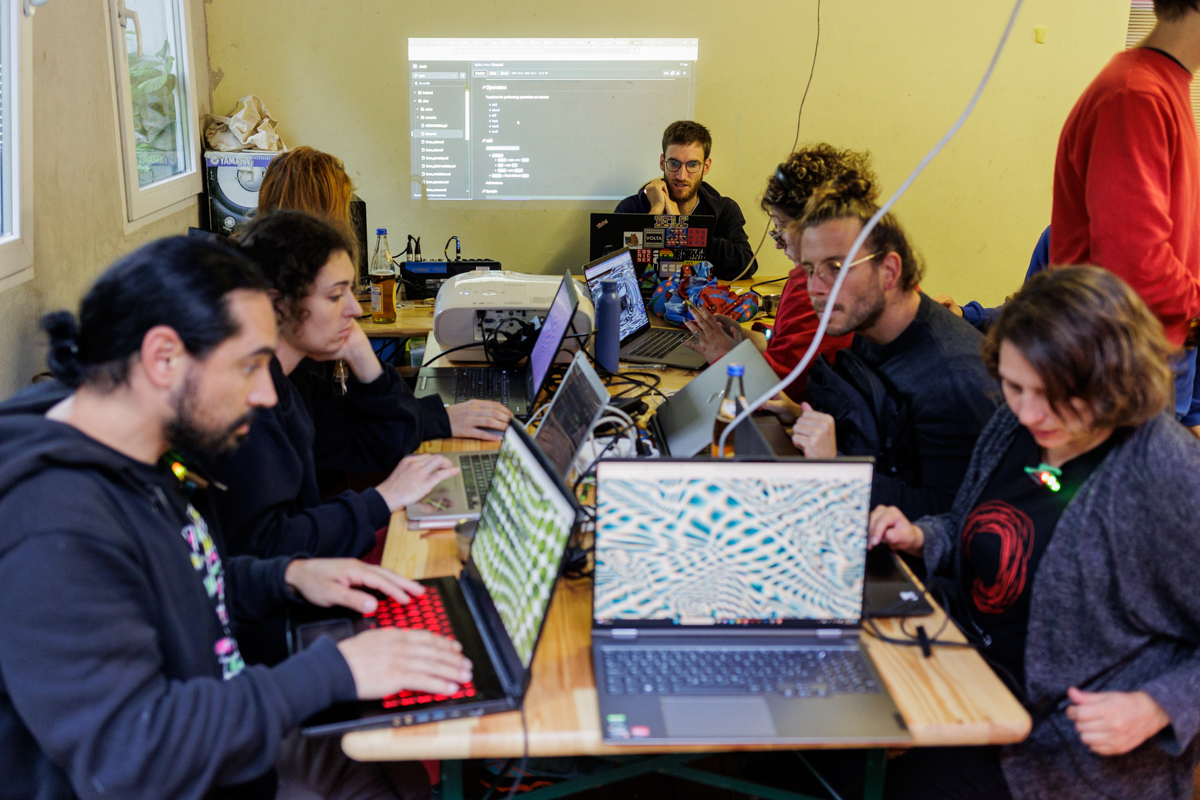
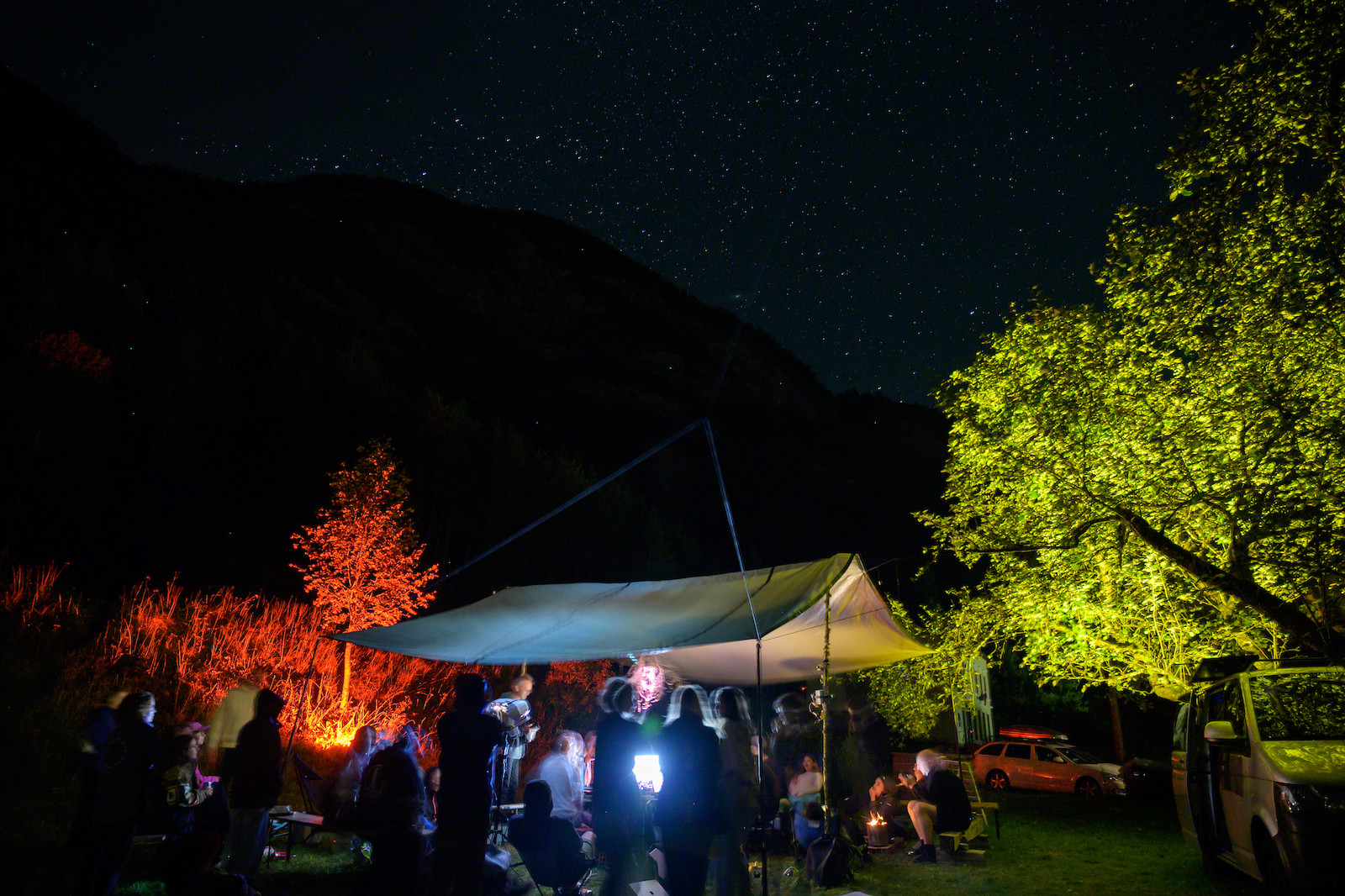
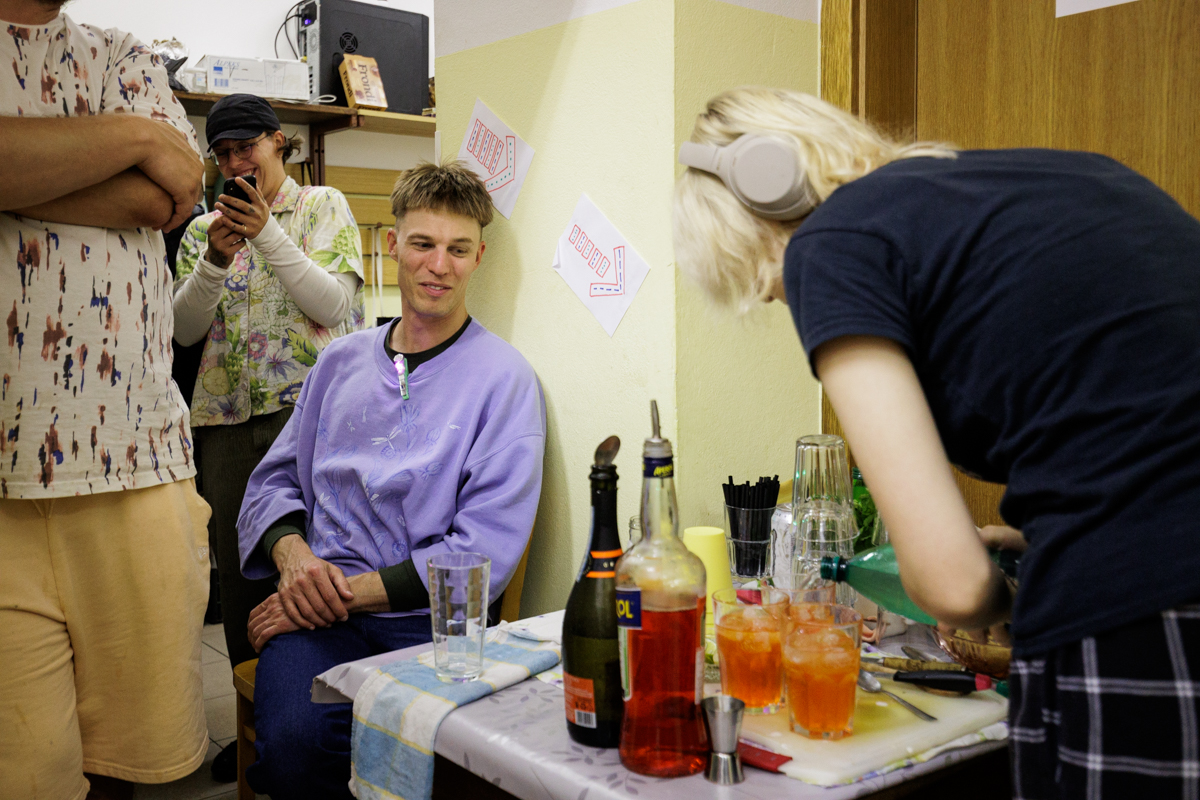
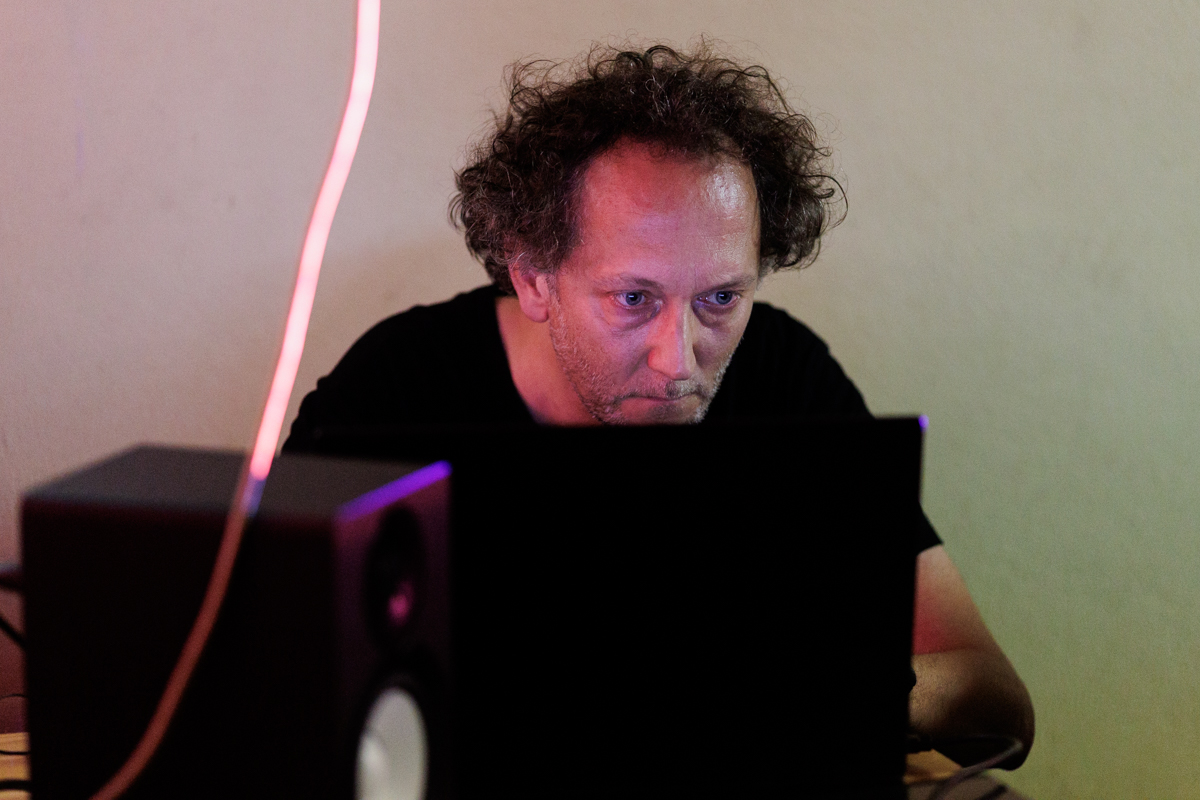
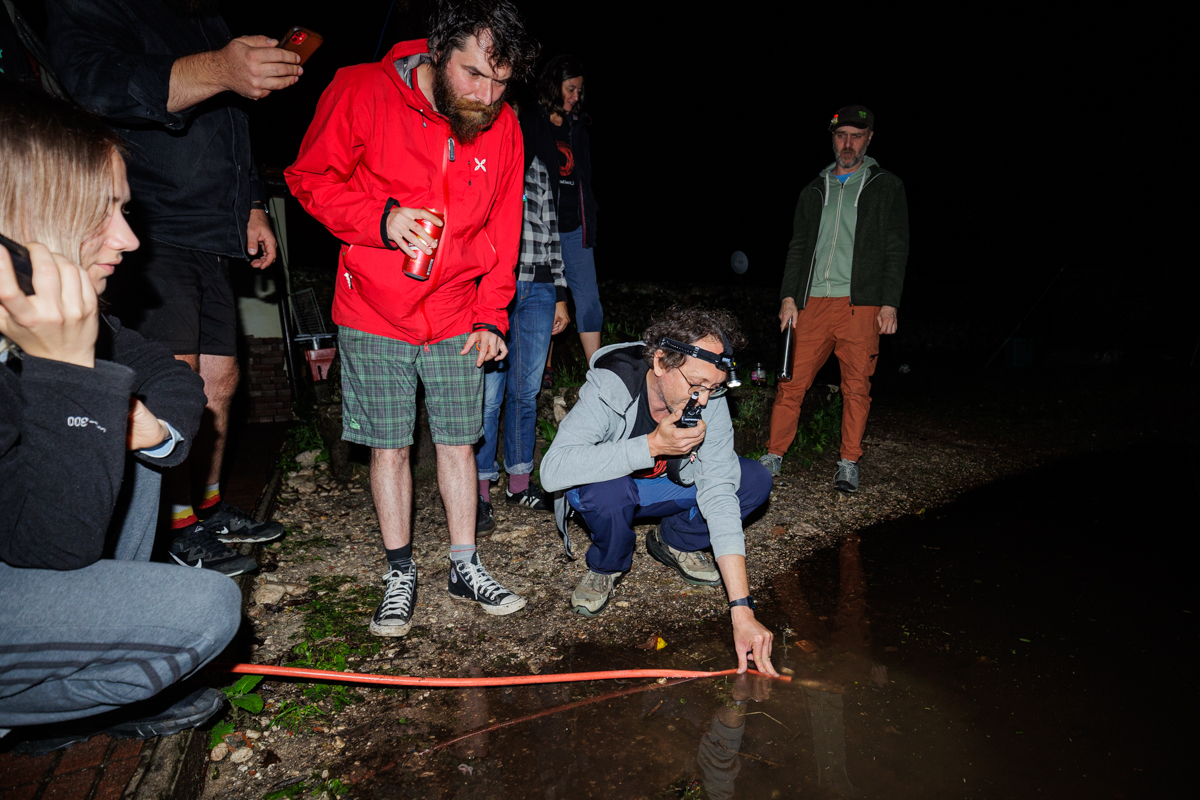
The evening slowly faded into night. Since it’s late, and your reporter has packing and tidying up to do tomorrow, she’ll try to summarize the events in a concise sequence of simple sentences and words, followed by a series of photos: From Scratch with 15 performers, Ewen Chardronnet’s amazing set and a b2b with Blaž, community bonding, a cocktail party, a fierce tarot fight, an epic battle with the level and the perimeter of the PIFlake. Good night!
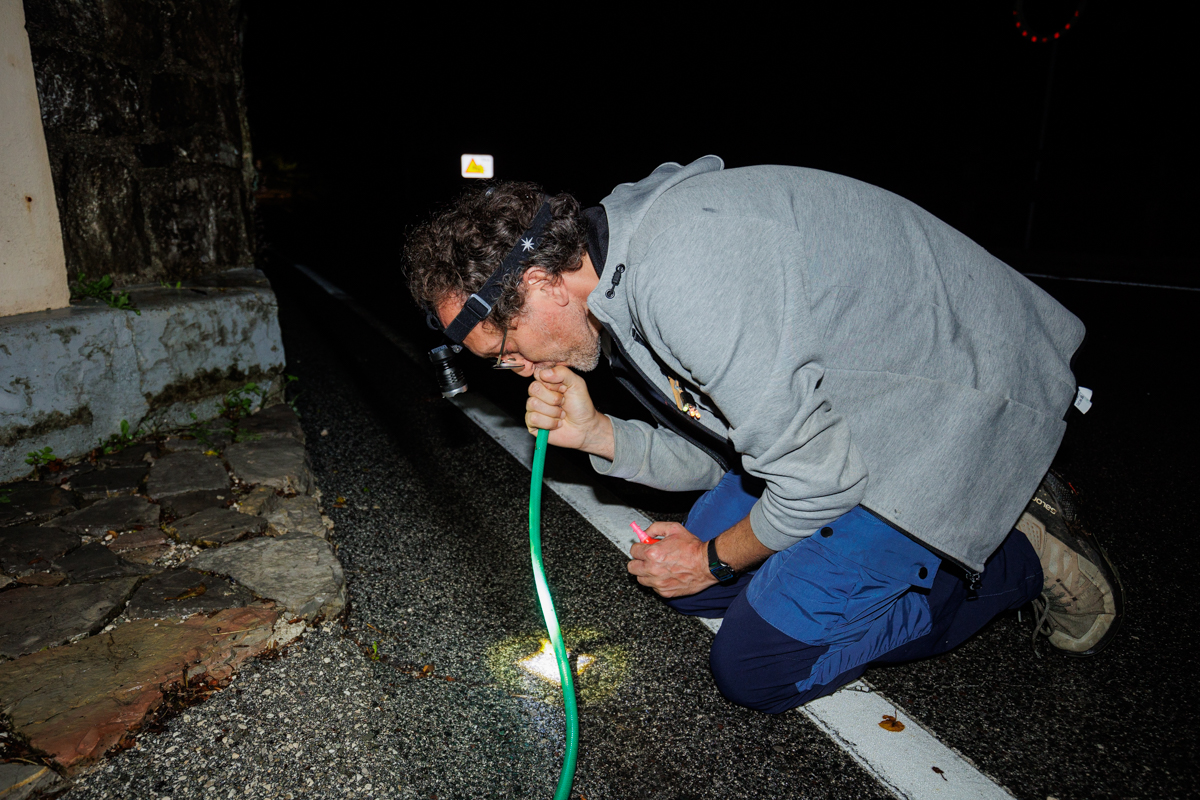
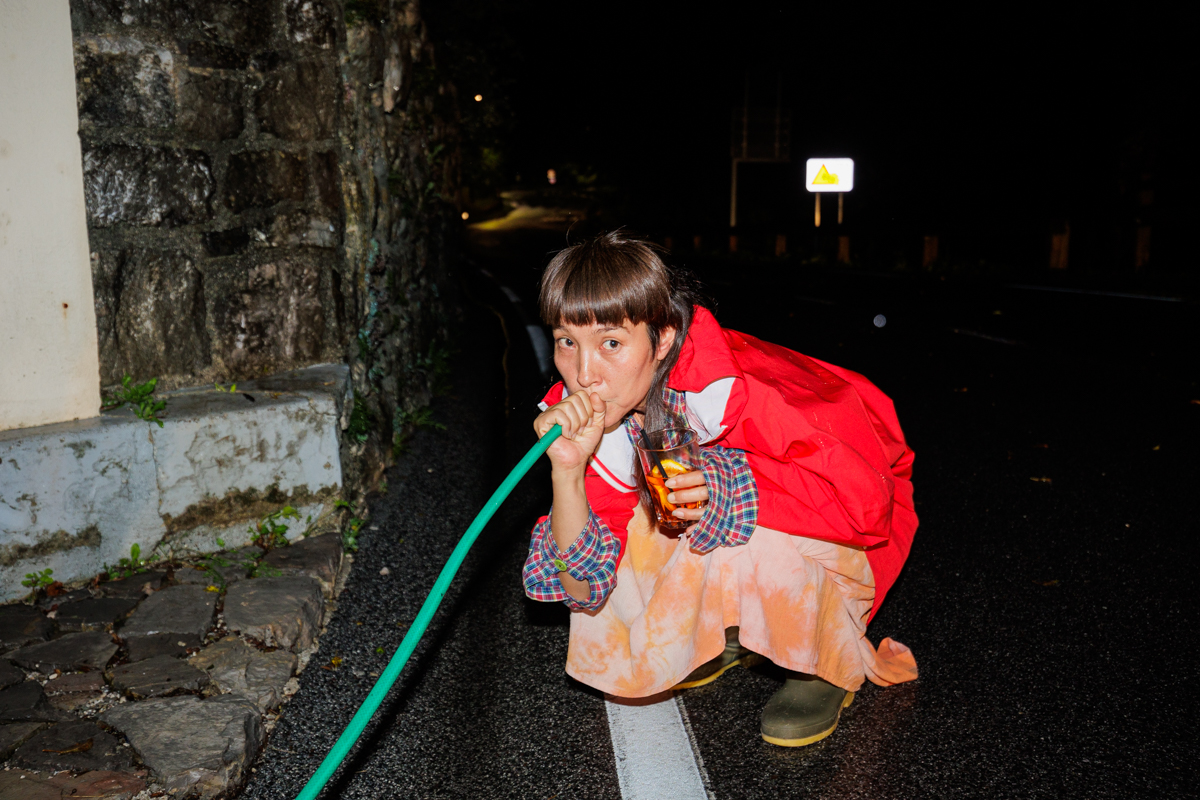
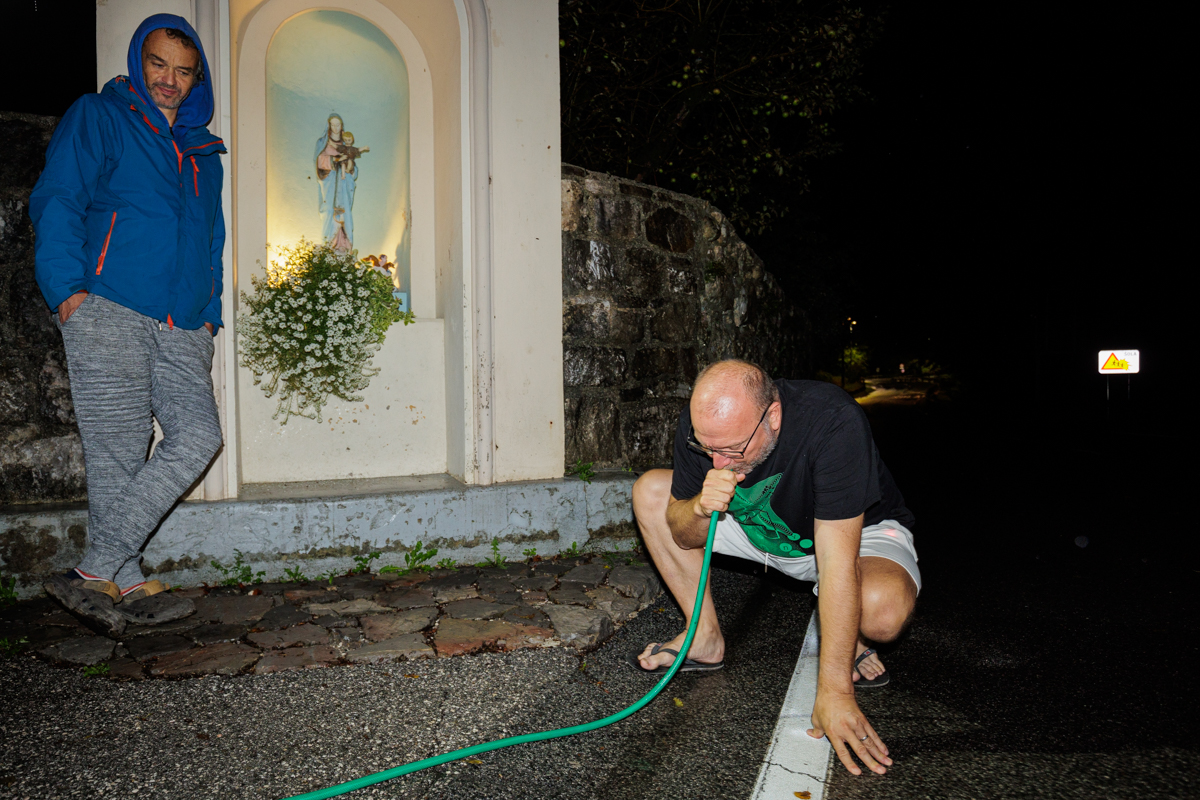
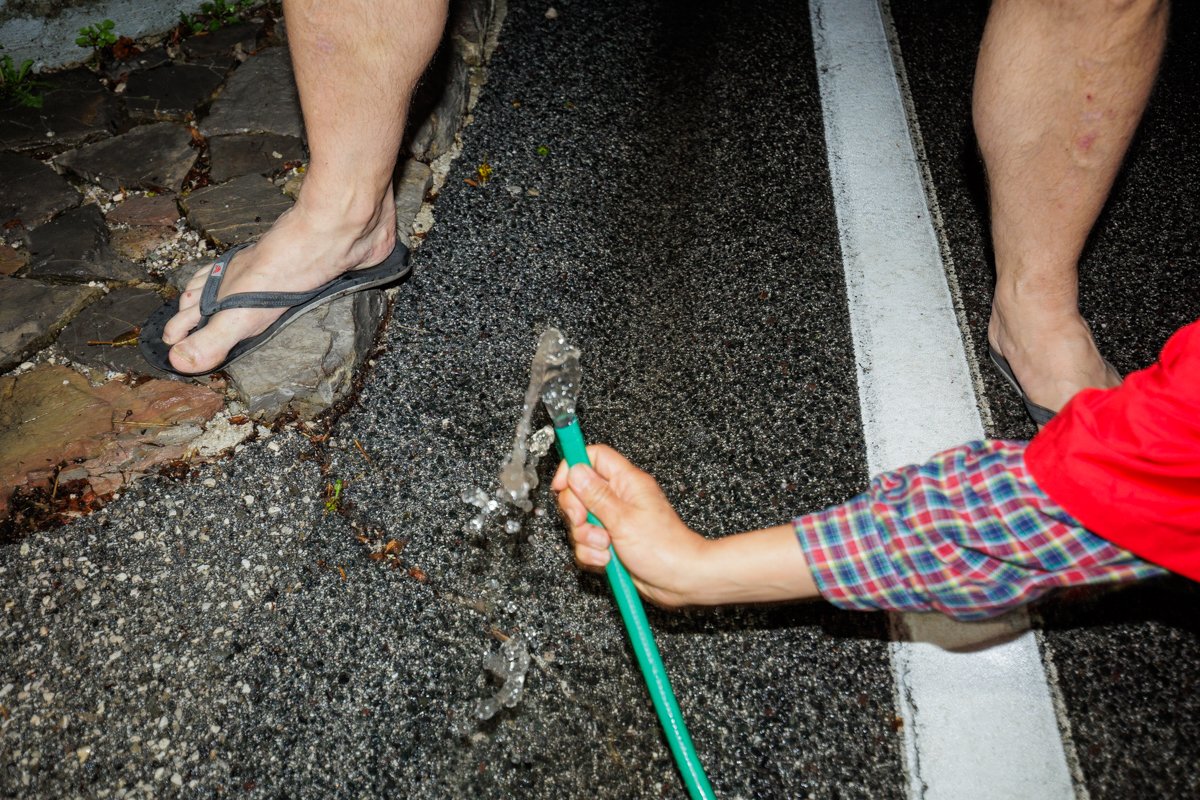
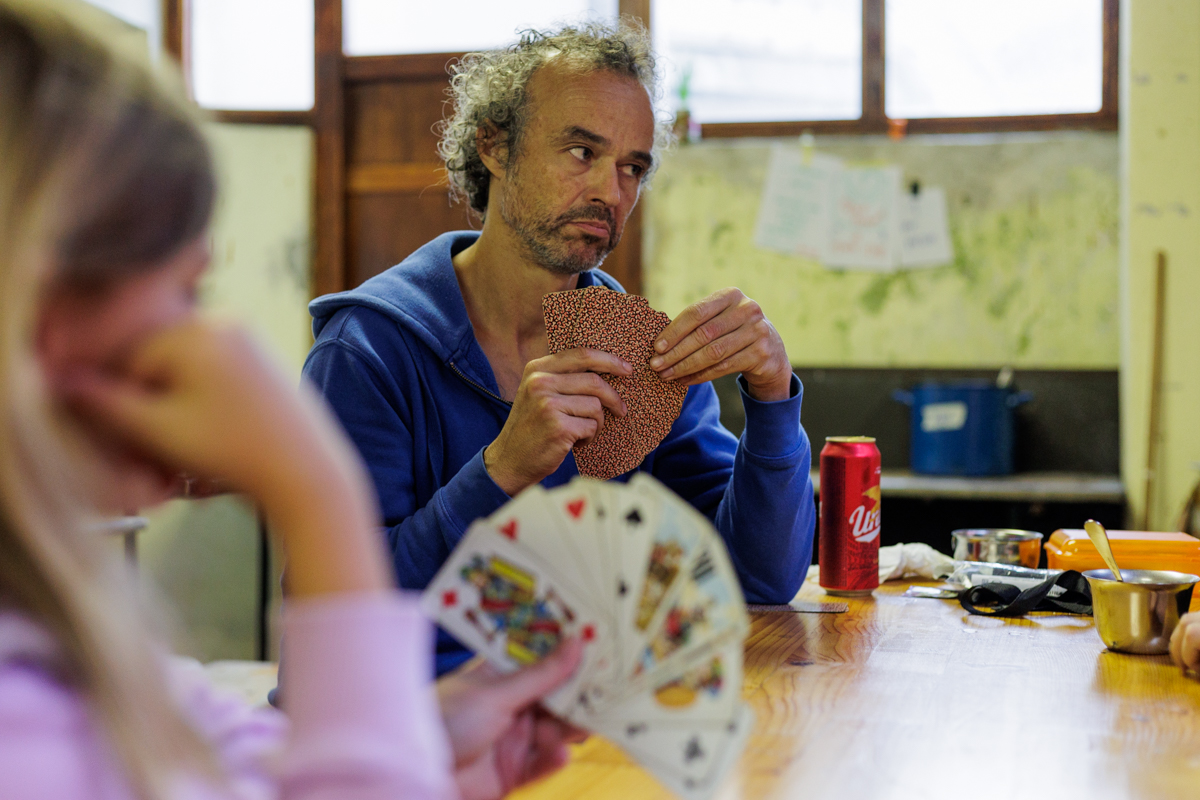
Epic PIFbattles. Photo: Katja Goljat, Matjaž Rušt