Community archiving of Tuesday at PIFcamp //PIFlog, Day 3

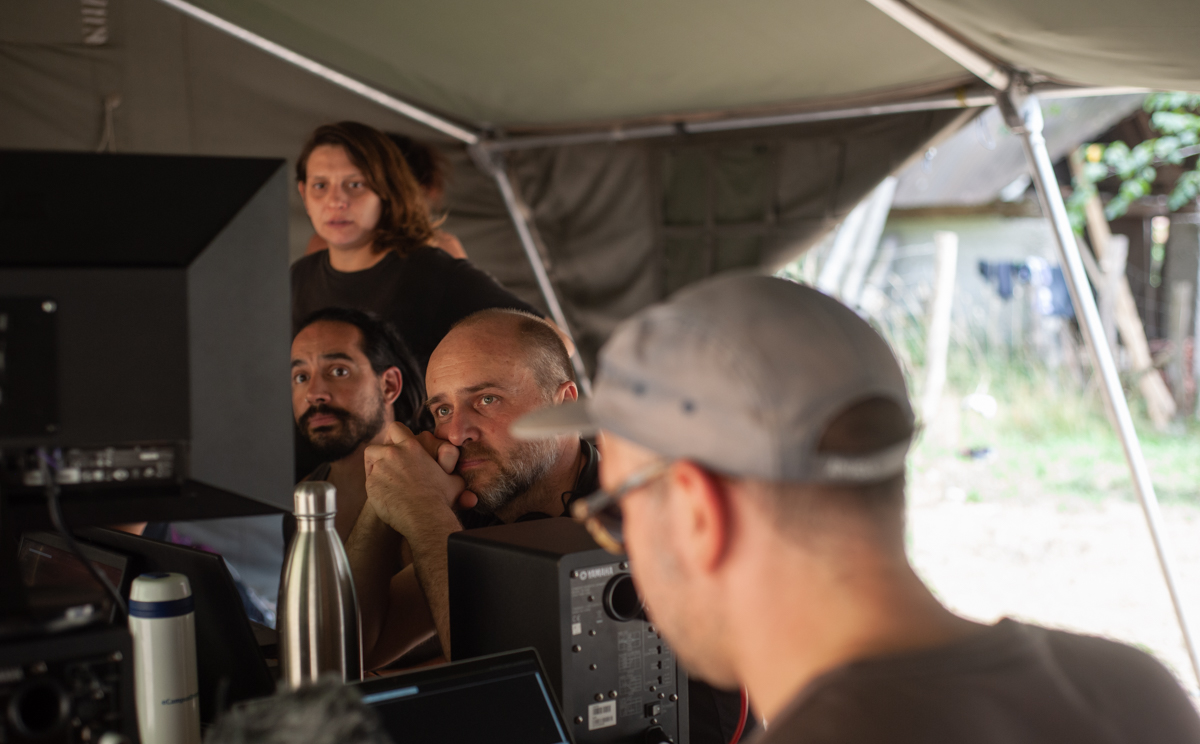
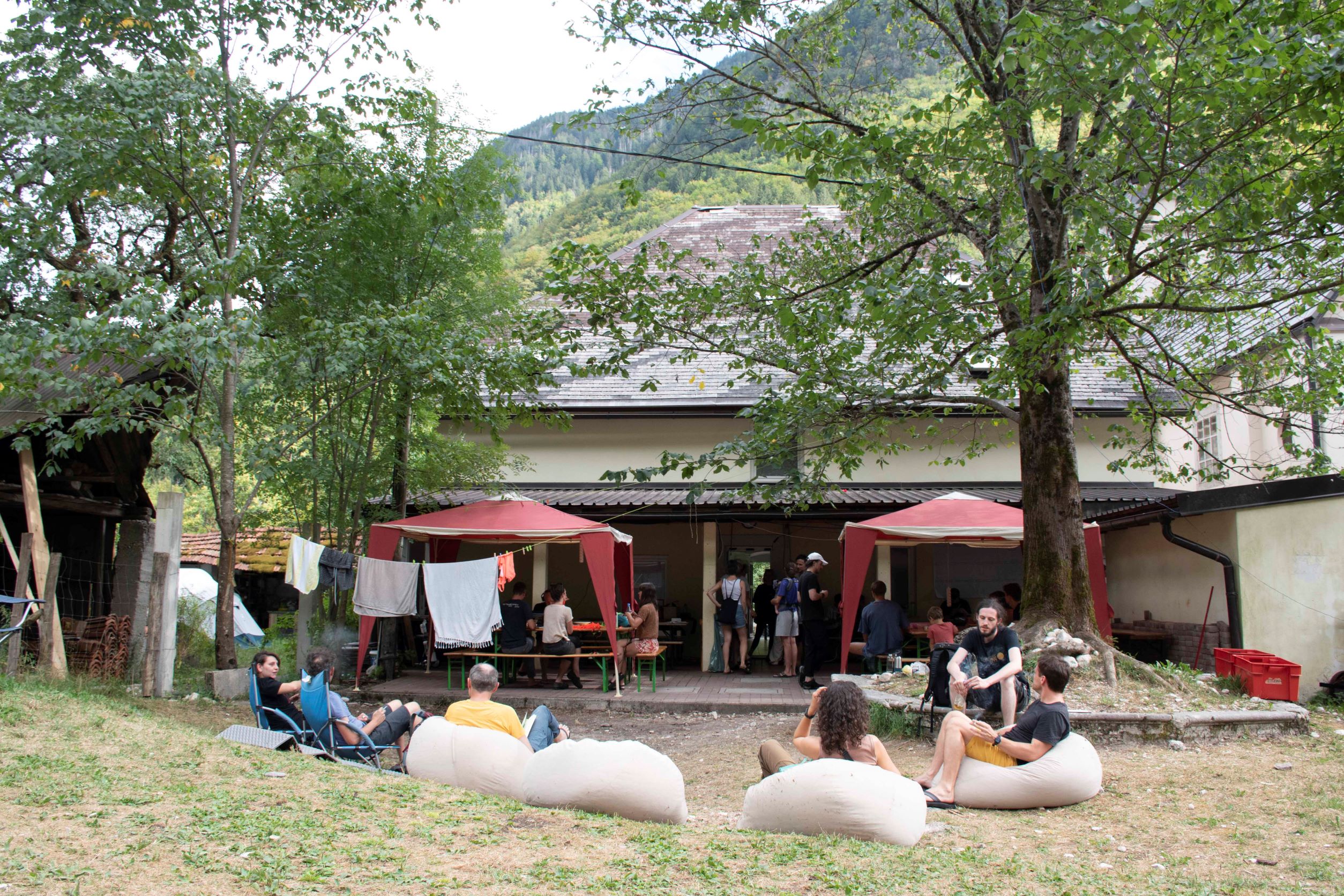
The third day of PIFcamp started early for some, with a hike to Planina Lamovje, led by Neža. Most of the participants continued working on their projects immediately after breakfast – we will publish a report on their progress in the next few days, but this time we just give you a quick overview of Tuesday’s events. This is a community report, as the schedule of activities is becoming more and more concentrated day by day, following the usual formula.

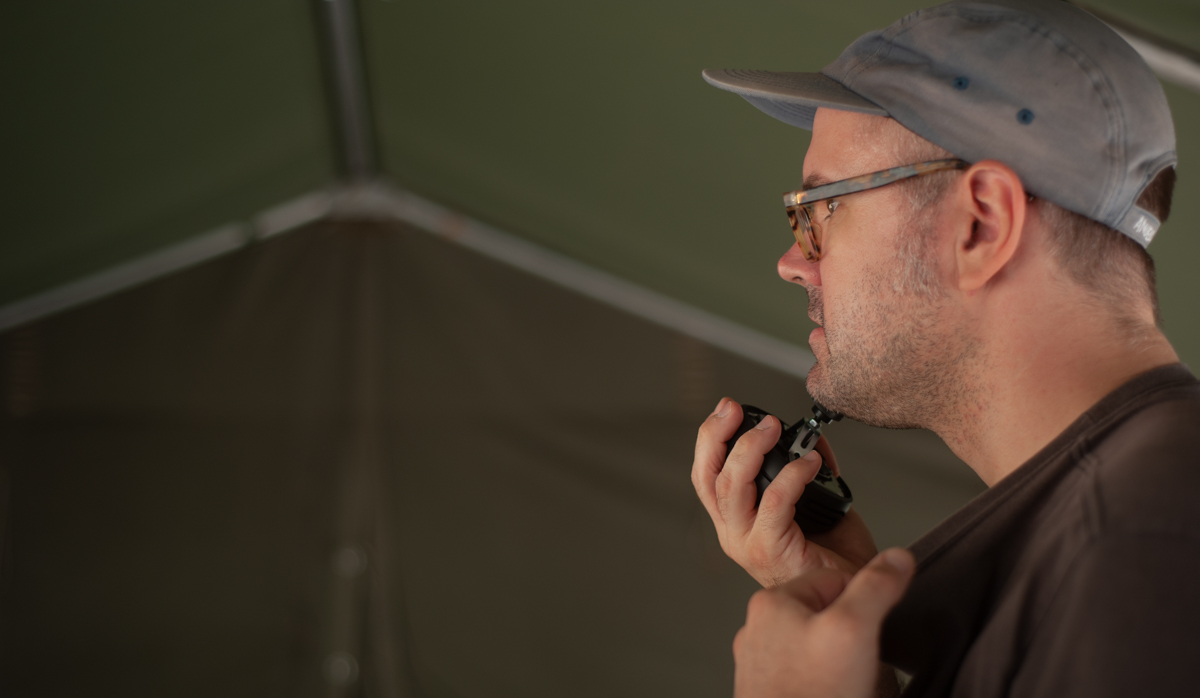
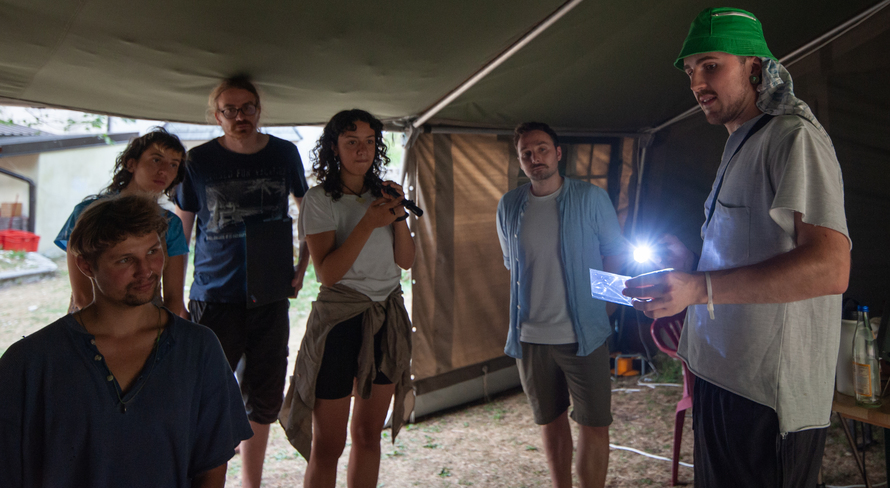
After breakfast, Theun Karelse presented a prototype of a device that aims to give listeners a physical experience of animal calls. The device, consisting of a modified Bluetooth speaker, acts as an inducer of animal sound into the human body. Theun used the sounds of a bee and a grizzly for the demonstration. Participants were able to test the device on their own bodies and noticed that the most immersive experience is created when the device is pressed against the chest – the chest cavity is large enough for the vibrations to resonate well, and the effect of the sound coming from inside the body is the most intense. As reported by Tjaša.

This was followed by a photogrammetry workshop with Žiga Pavlovič (member of the PIFproject reDigital team), visited by our special reporter Dunia. First, participants downloaded the Polycam app, which is optimized for 3D scanning of objects with a phone. Žiga then presented examples of his scans and explained the basics of 3D scanning and modeling in the open source environment Blender. After a short introduction, the participants tried out photogrammetry in practice. They tested two different ways of scanning objects and learned from mistakes. The first way, where the object is moving and the camera is static, did not work – for example, when scanning a participant, a blurry ghost appeared on Dunia’s screen. The second way, in which we reverse the logic (static object, moving camera) proved to be correct and the scan took the image of Miha. To finish the workshop, participants simply downloaded the files in the desired format to their phones and opened them in the 3D environment of their choice.

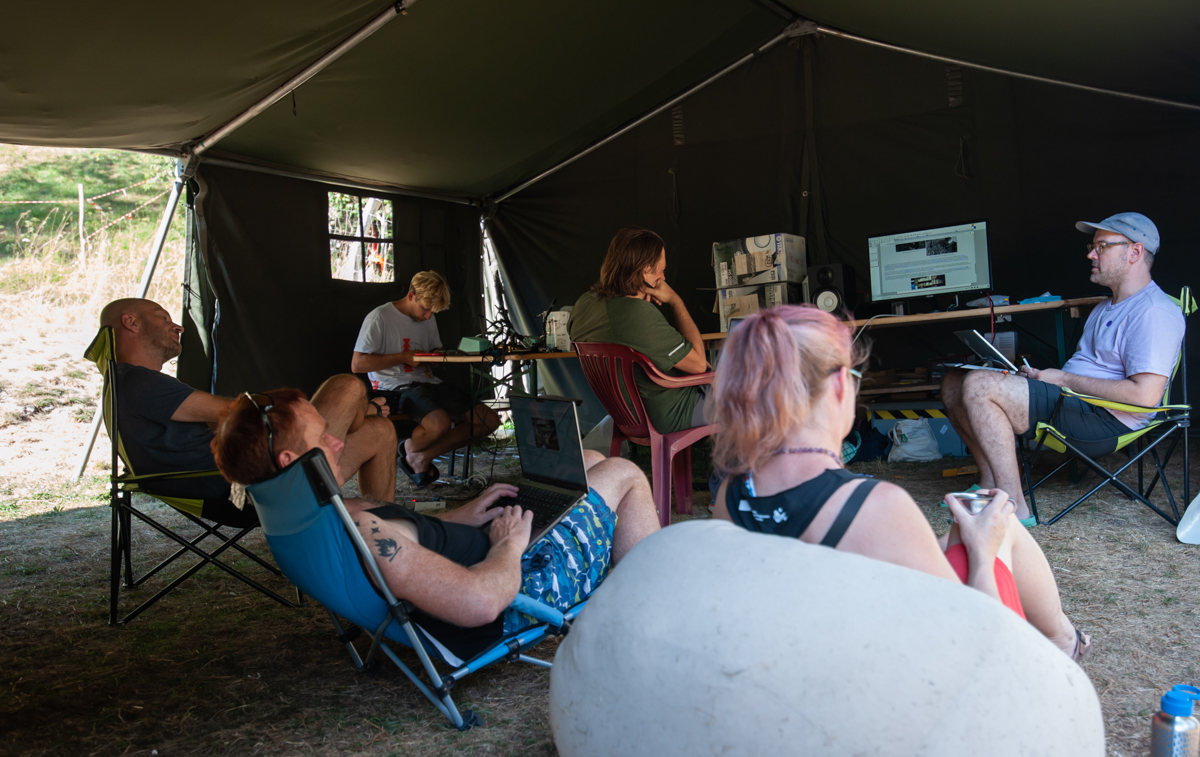
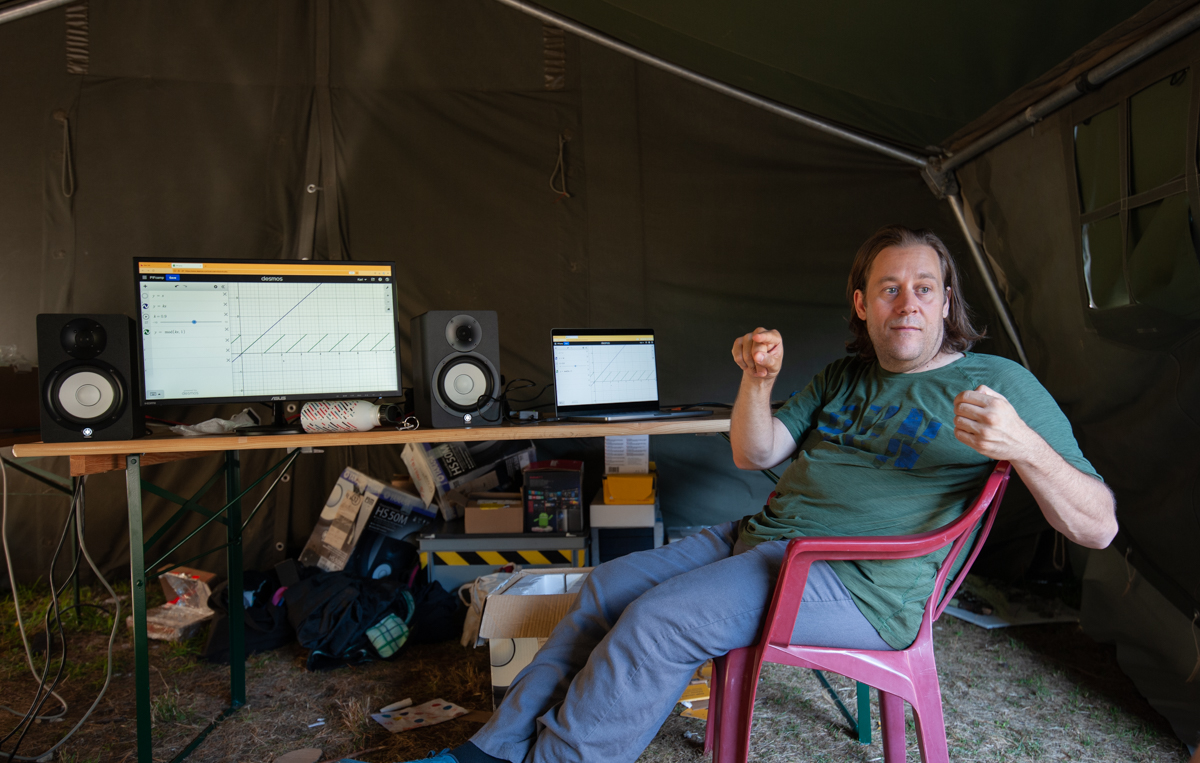
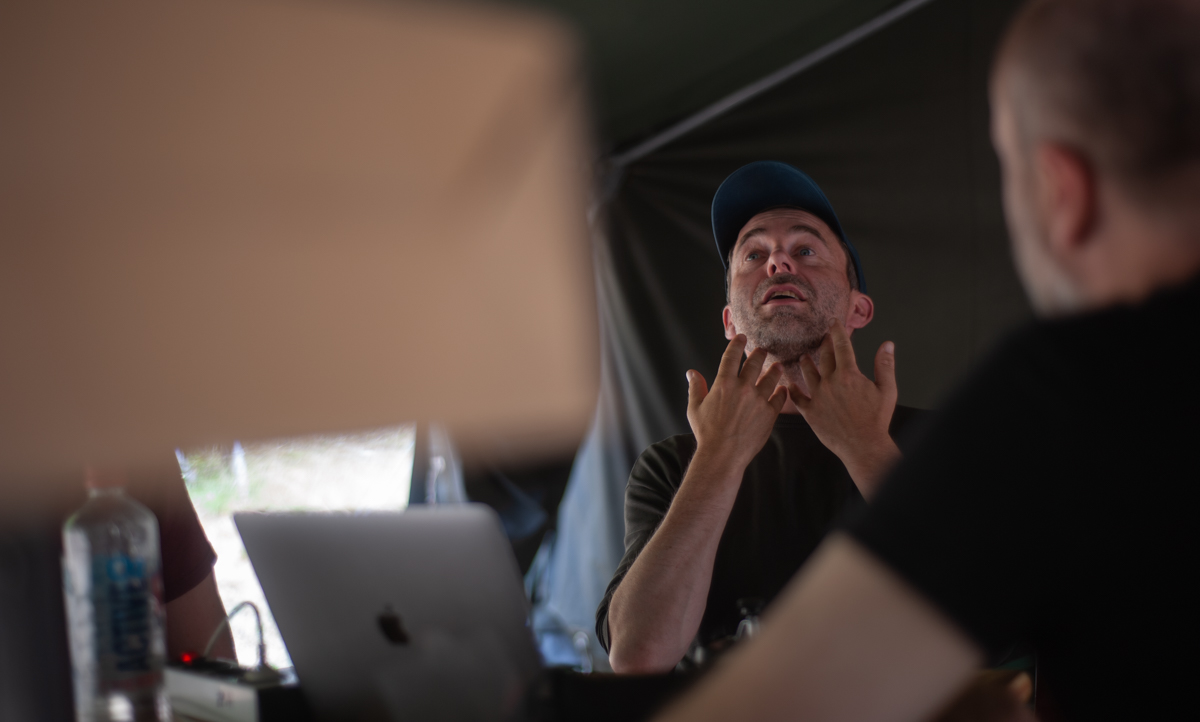
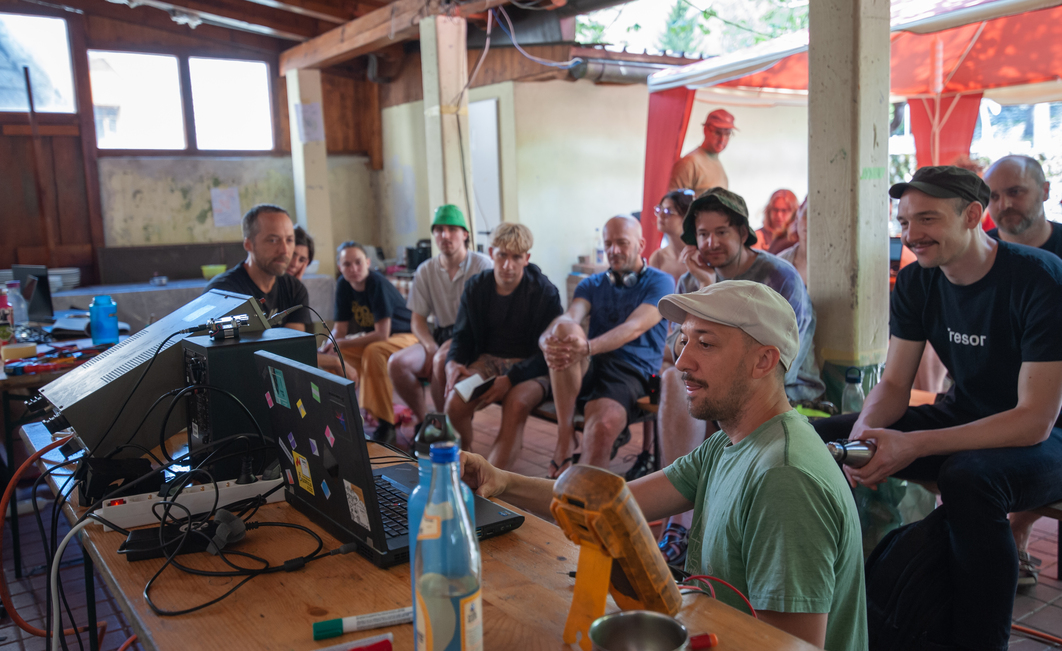
After lunch, the live coders were at it again. They were gathered under the tent by Niklas Reppel, one of the members of the Toplap Barcelona community, who presented Mégra, his programming language for live music encoding. We asked Niklas about the peculiarities of Mégra and what drove him to create his own programming language. “Most live music encoding languages are based on repetitive functions, but I prefer randomness. At the same time, after the frustrating experience of failed installations of other environments, such as SuperCollider, I wanted to make a program for which the user only needs one file. Mégra is quite self-contained, as it is not based on an existing language. I also see the advantage of creating my own language in that I can play around with putting fun words into the syntax.”

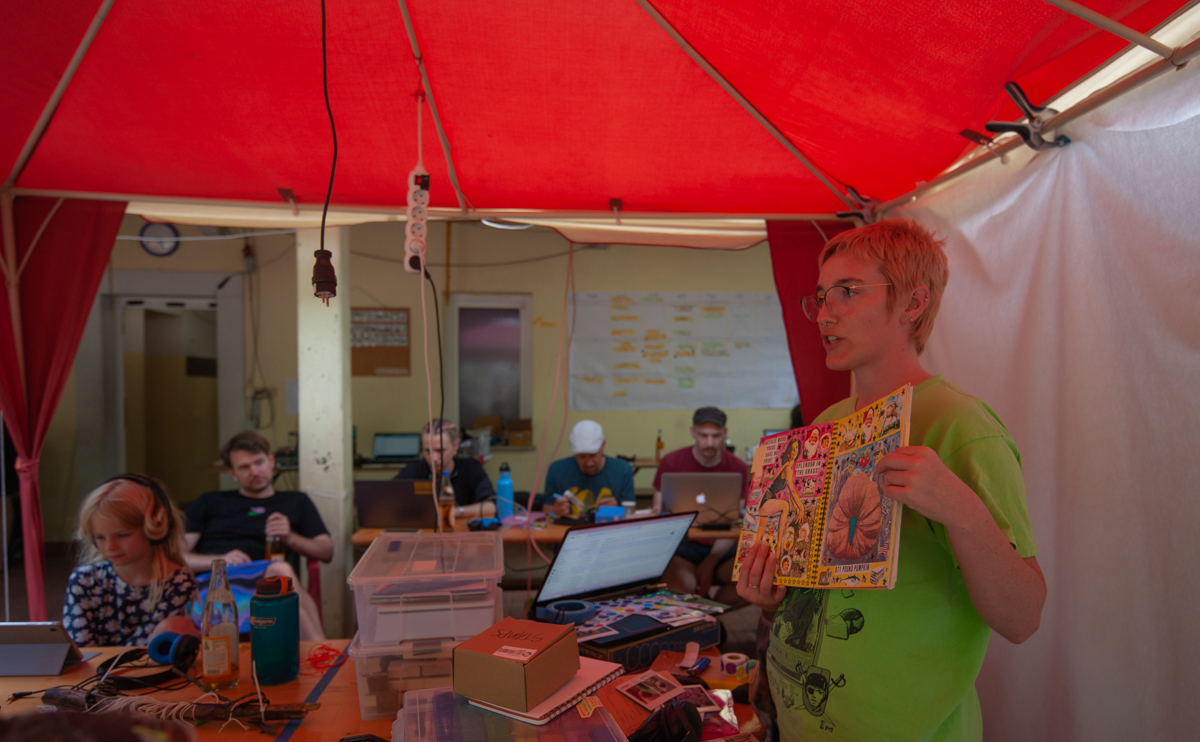
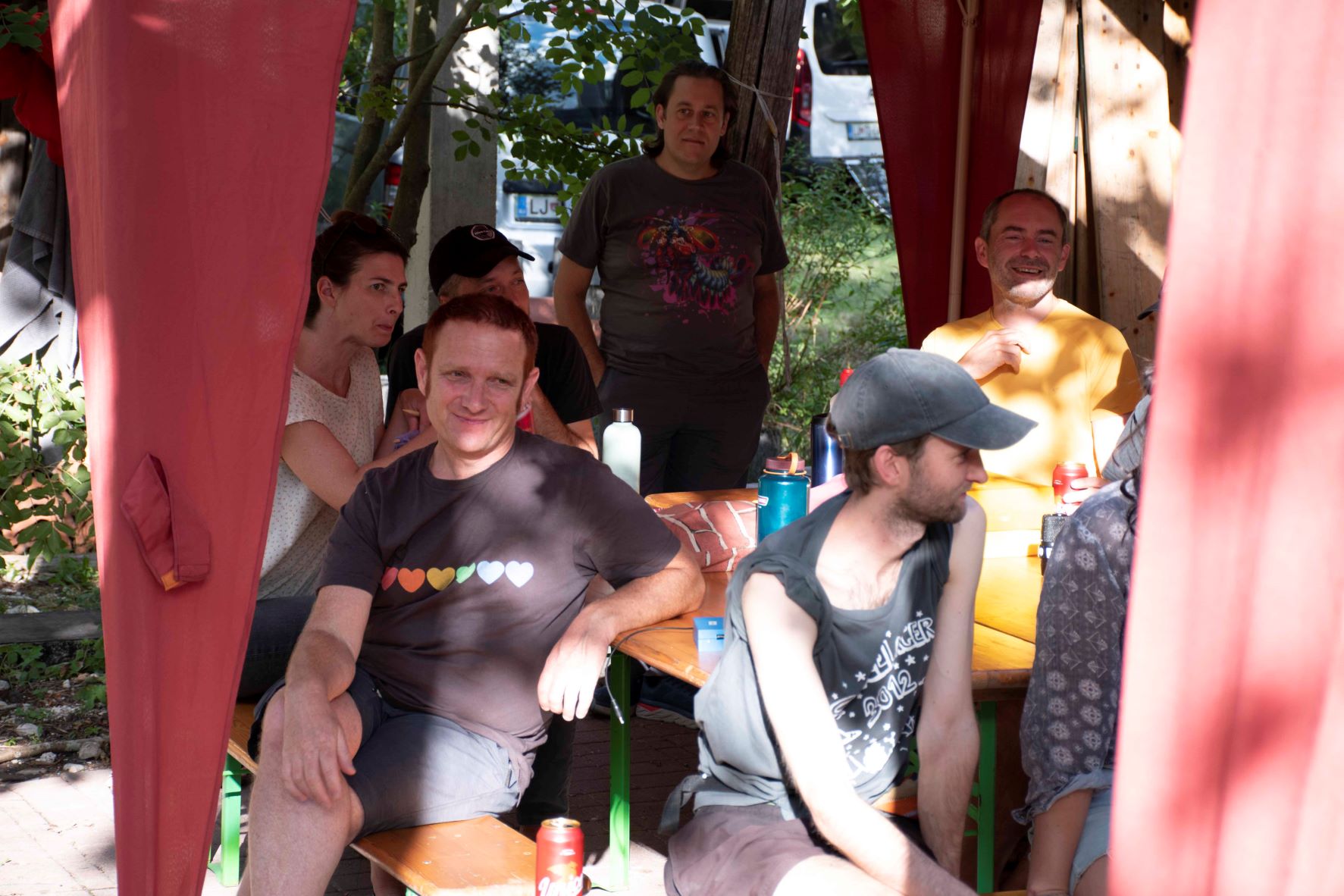
At 4.20 pm, a colorful group of participants gathered under the pagoda for Maggie Kane‘s Fuck Instagram workshop, where, after the obligatory rant, they listened and joined in the reflections on social networks and websites as archives. “Trying to create the ideal website that serves as an archive of current and past projects you do, can be extremely difficult, you always want it to be better.” The decision to go for analog archiving, therefore, came quite naturally – the participants were able to see different approaches to archiving the processes and origins of artworks/projects through the examples of booklets. In the end, participants were invited to reflect and contribute ideas for community archiving of the projects produced at PIFcamp. Impressions summarised by Rea.

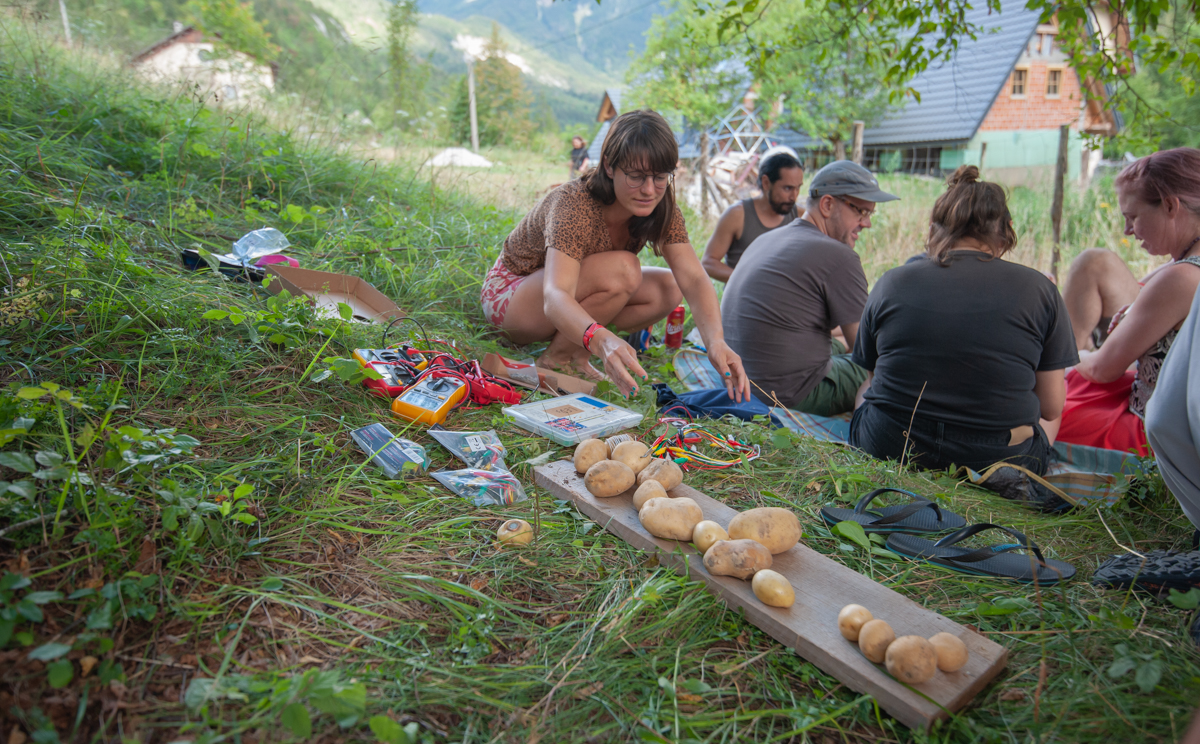
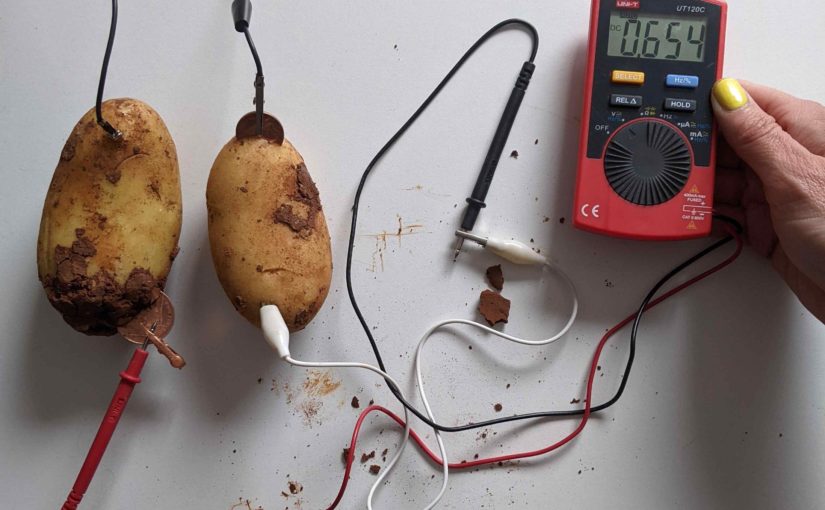
Before dinner, some of the participants moved under the tree canopy for the Becca Rose Potato Workshop. An anonymous field mouse attended the workshop and sent us their report. “We were invited to sit under the canopy of a tree that I had never sat under before because it is hidden behind a large tent. We all sat on the ground there and mixed into five groups to start. We thought about potatoes and computers, about which we then wrote two poems per group, which we then read out in front of the rest of the group. We were very kind to computers in our poems, which may be a rarity in the general public, but yes, we are at PIF and … As a group, we also seem to be big potato lovers, as after reading our poems we exchanged many more stories and anecdotes related to his particular vegetable. The main part of the workshop followed, where we turned the potato into a battery and used it to power the synthesizer and the LED lights.”

All the potatoes made the participants hungry, but fortunately, when they arrived on the terrace, dinner was waiting for them with a very special dessert, a birthday strawberry cake for Maggie – happy birthday!

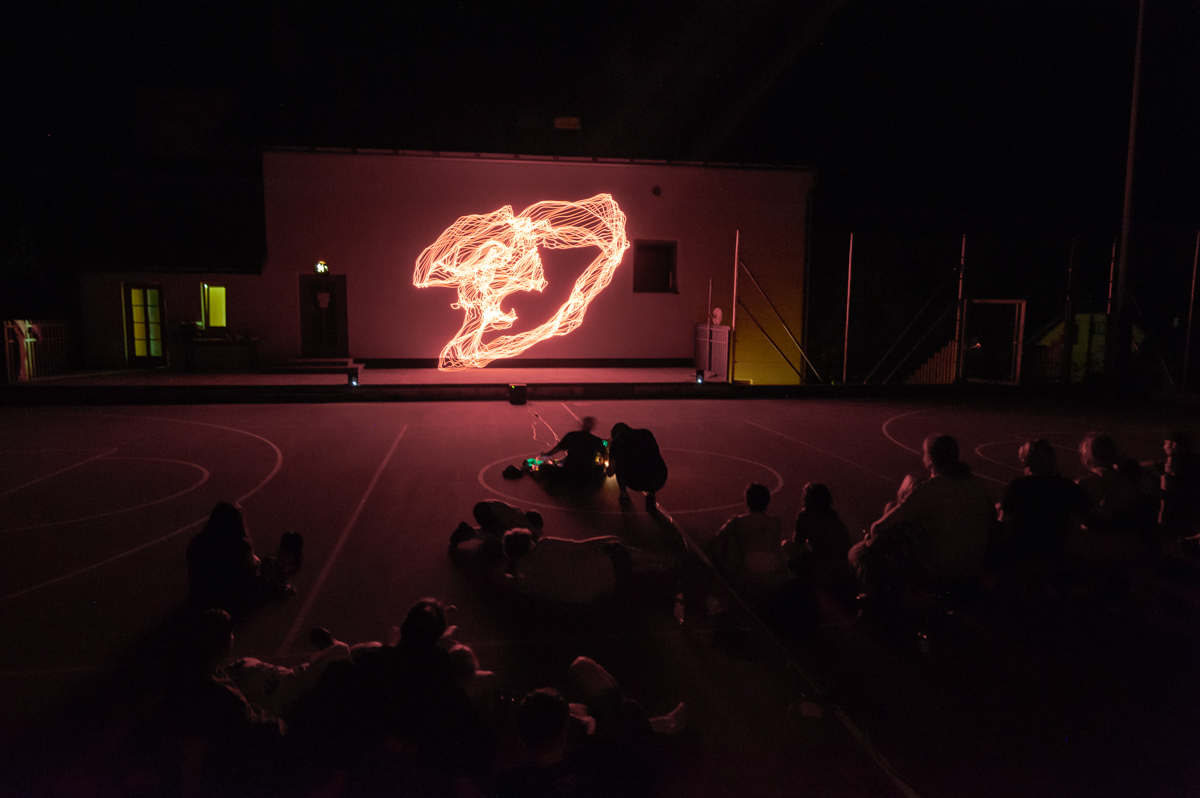
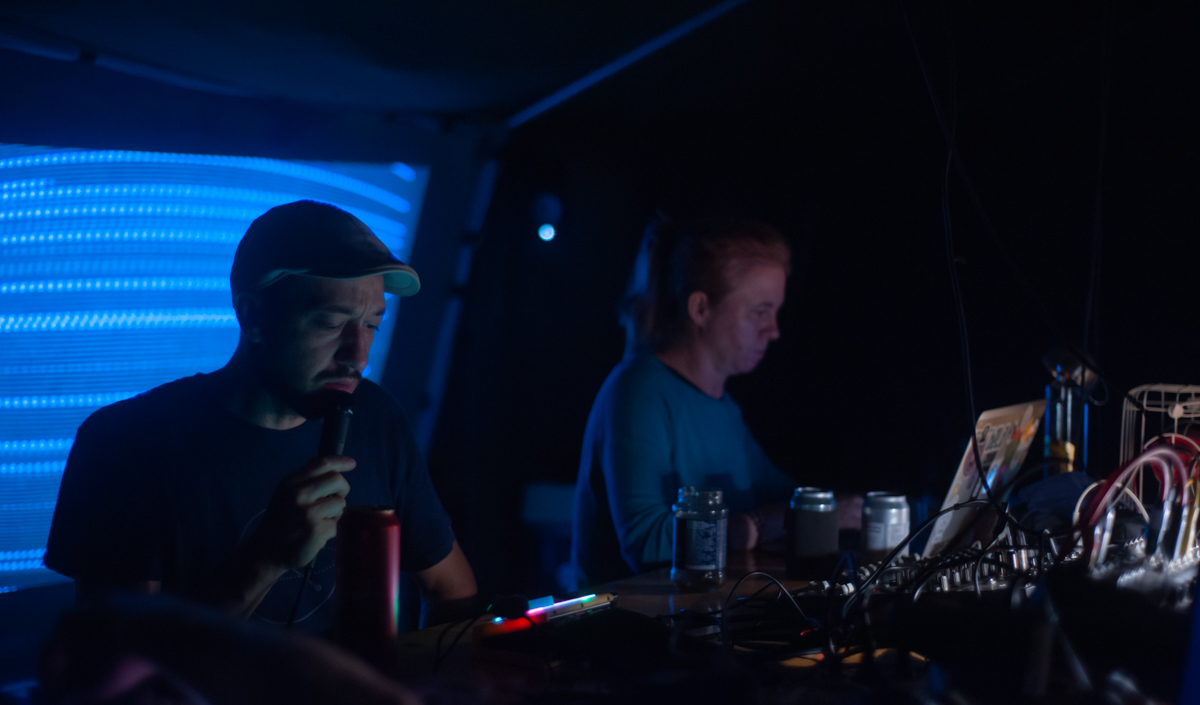
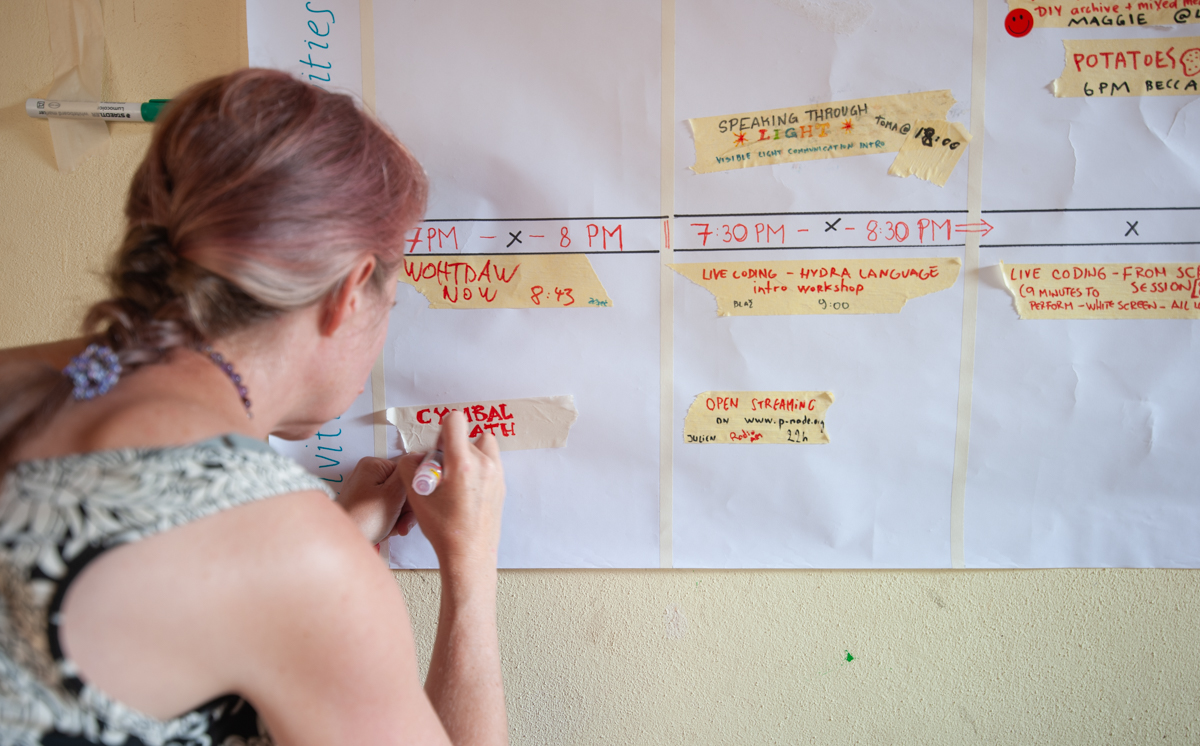
The evening started with a live coding event – From Scratch, where coders, as well as some complete beginners from Monday’s workshops, tried their hand at coding music and visuals. According to the organizers of such events, the PIF From Scratch lineup was the largest ever! Another PIFsuccess! You will be able to read a report from the event in the next few days when we will premiere a documentary about the live coding community on PIFlog. Don’t miss it!

PIFcamp is in full swing! //PIFlog, Day 2

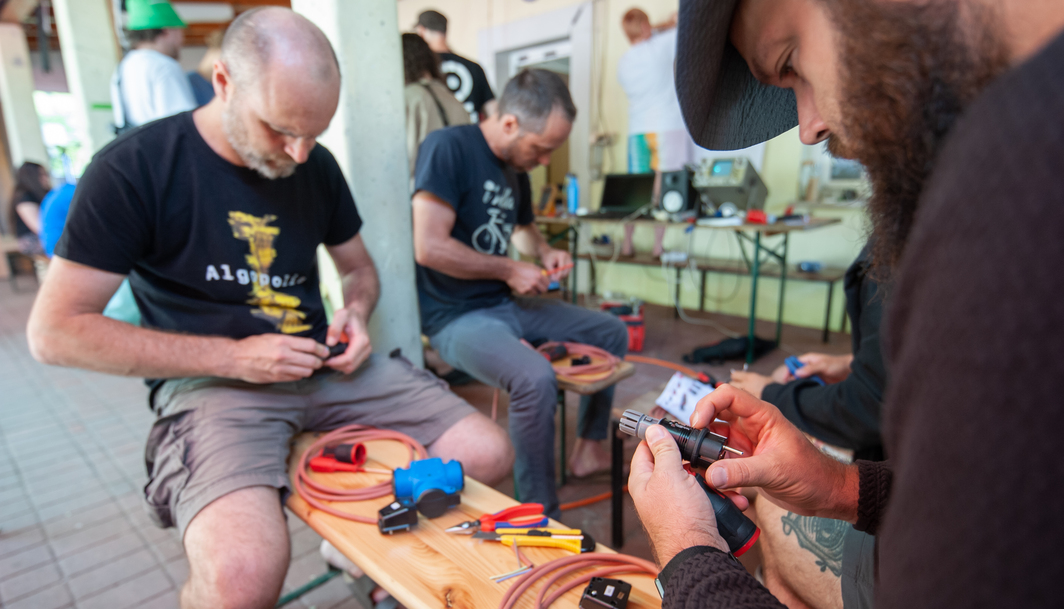
According to PIFcamp regulars, the workshop schedule on the first day filled up the fastest ever.This is perhaps not so surprising, given rapid response is encoded in the nature of live coders, who are probably the most numerous community at this year’s PIFcamp. Monday was therefore more or less spent live coding: PIFparticipants were invited to attend two workshops (a live coding music workshop with Živa, a SuperCollider set of tools, and a live coding visualizations workshop in Hydra) and a presentation of the CLAVM live coding system. But first, it was time for the basics: right after breakfast, Bernhard showed the participants how not to get killed by mains voltage in the 50Hz workshop.

Bernhard Rasinger’s 50 Hz workshop. Photo: Simão Bessa

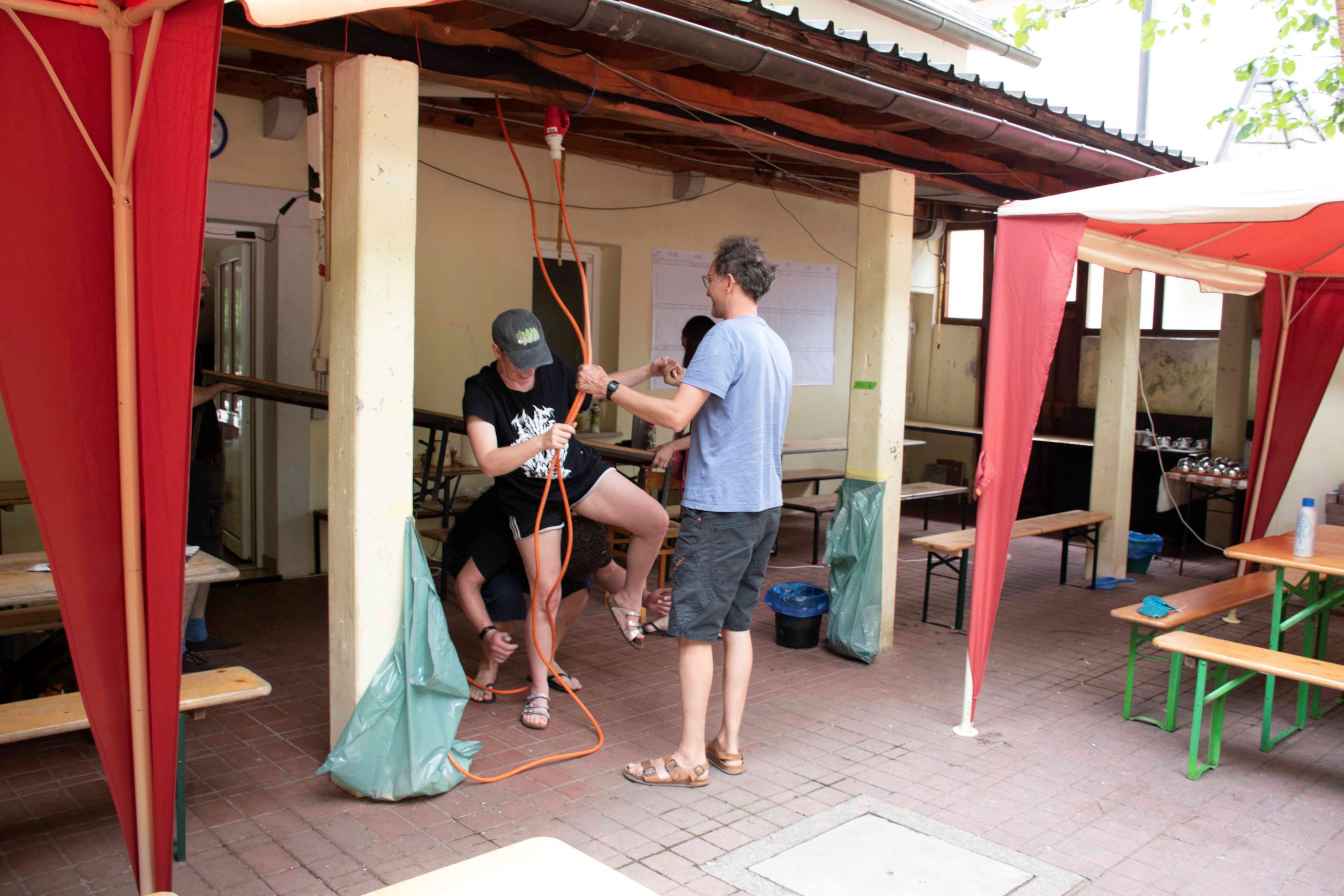
With their new-found confidence, the PIFparticipants then built extensions, since you can never have too many of them on the worksite.

Participants are concentrated on building extensions. Photo: Simão Bessa

Before lunch, Karl Yerkes invited us under the tent for a demo of CLAVM, a live coding system, which is still in development. He impressed the audience (mainly made up of live coders) with his inventive solutions and delivery. Karl is also developing a live coding music workshop these days, so stay tuned!

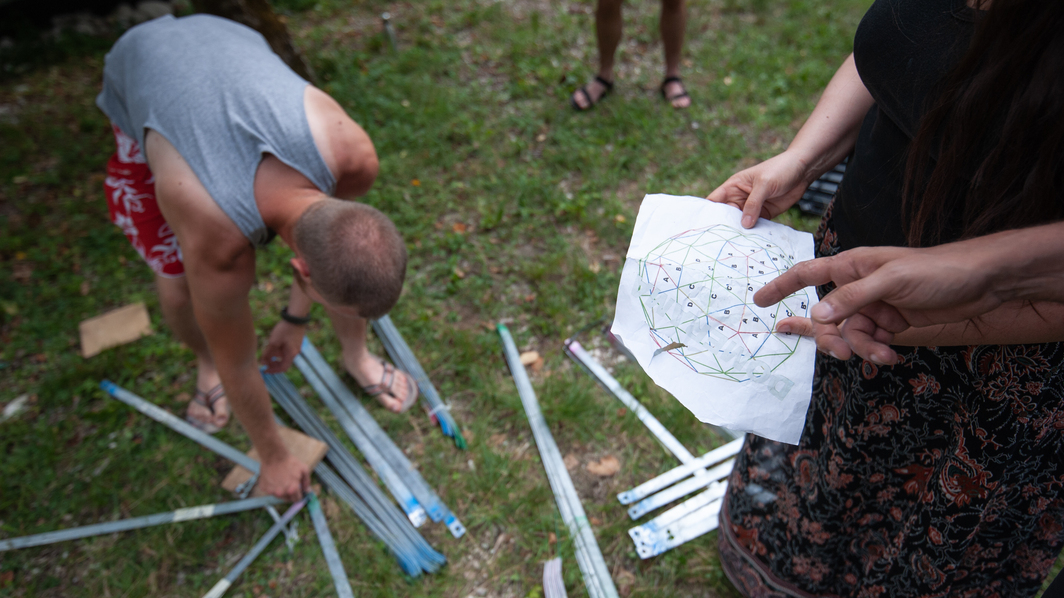
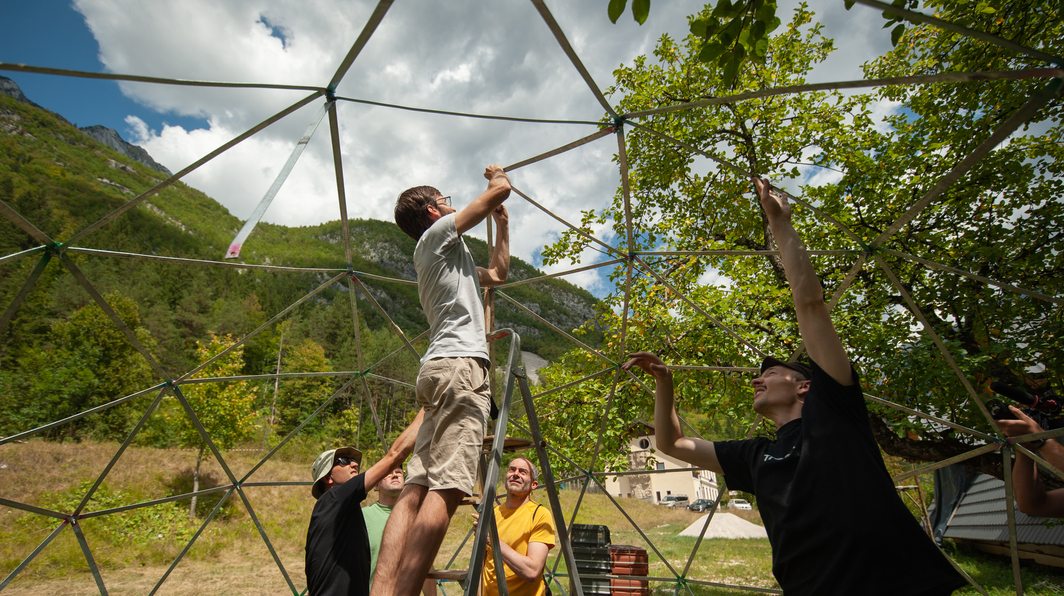
While some of us were getting acquainted with the new live coding environment, some of the participants started setting up the DIY geodesic dome, by now a traditional PIFcamp feature, on the neighbouring lawn.

Building the DIY geodesic dome. Photo: Simão Bessa

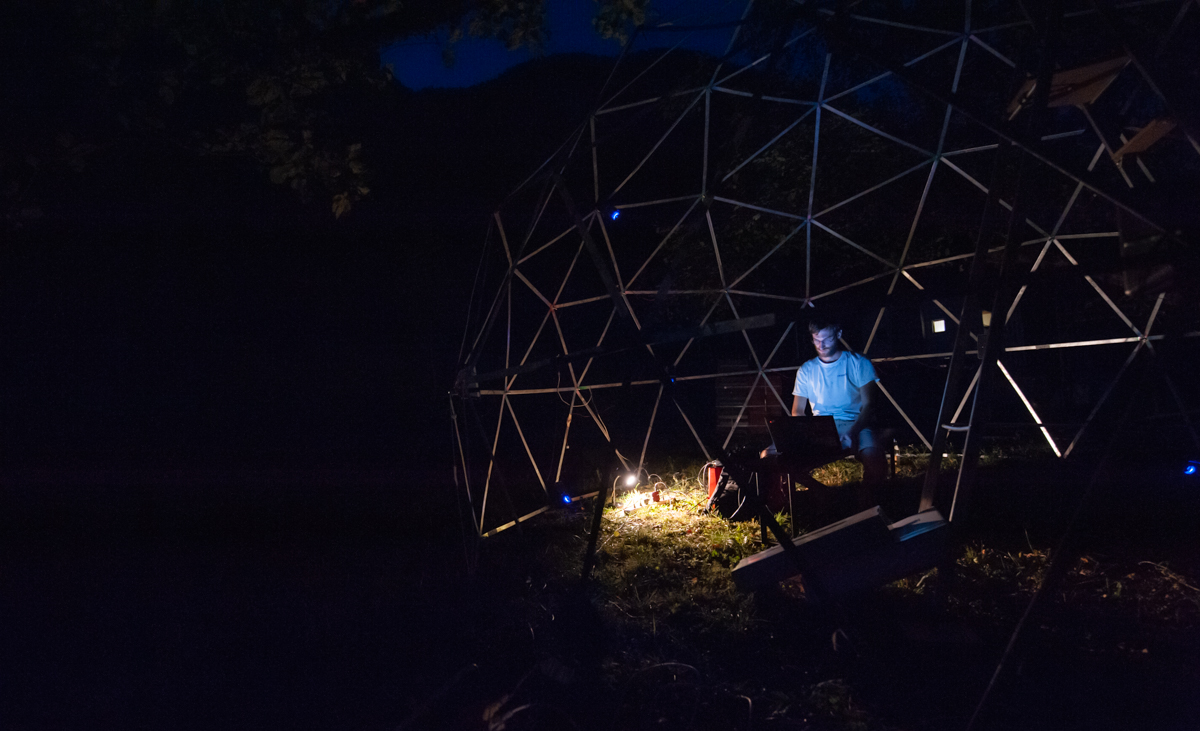
This year too, Blaž Pavlica will spend most of his time in its company, continuing his work on the Ambisonic Dome project. This time, he will be working on the development of a user interface that will allow visitors to arrange sounds from the library in a virtual space, and play the result on a multi-channel spherical system. He’s developing the interface as part of the B-air project, which investigates the role of sound in human development from the embryonic stage onwards. Blaž’s installation is aimed at children, and with them in mind he has put together the sound library – you’ll be able to choose from a variety of sounds of jungle animals. Coming soon to a geodesic dome near you!

Building the DIY geodesic dome. Photo: Simão Bessa

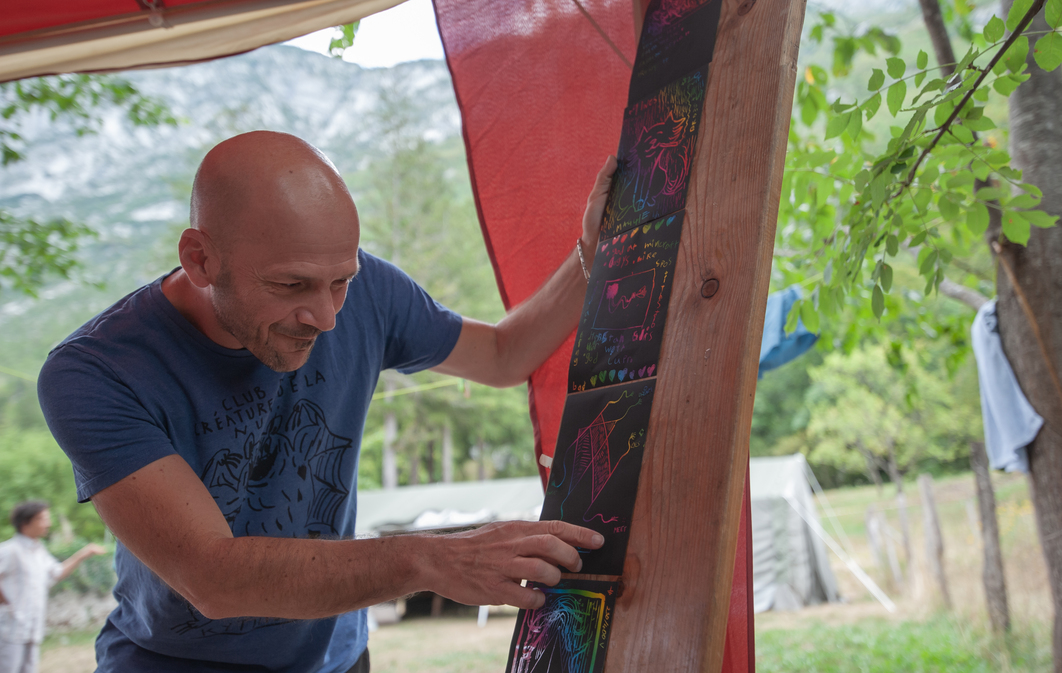
After lunch (thanks Klemen, Miha and the team!) we worked on our storytelling and drawing skills at the No Name Fiction workshop led by Julien Bellanger. We used the scratchboard technique to create cards of our ghost Pokémon, giving them a rainbow image, naming them and writing out a list of their skills. In a day or two, Julien will hold a follow-up workshop where we will elaborate on their stories. To get ready for the catch, check out the set of creatures on the notice boards while you are waiting in the lunch/dinner queue.

Julien Bellanger during participant’s ghost creatures presentations. Photo: Simão Bessa

The tables under the canopy were too crowded for all the participants of the late afternoon live coding music workshop with Roger Pibernat, which spread over half of the terrace. The intensive workshop was about getting to grips with Živa, a tool and syntax sugar for SuperCollider. As the PIFlog editorial team prides itself on first-hand reporting, we bring you the experience of one of the participants: “Roger’s live coding workshop was intimidating at first, as I don’t know how to code at all, but in the process of getting to know Živa, using the SuperCollider tools for simple coding, the fun blew all my fears away. We learned how to import libraries of sounds and synths, playing like musicians in an orchestra. Coding finally made sense! There are so many sounds you can create with Živa and the possibilities for modulating them are endless, so you’re bound to be hooked.”

The activities then moved back to the tent, where Thomas presented his PIFproject, in which he is exploring what light looks like in the medium of sound. After introductions of the new PIFparticipants and dinner, followed by short interruptions of work (or sitting on the lawn) due to the occasional rain, the crowd gathered for the last Monday workshop. Mentored by Blaž Pavlica, whom you met at the beginning of this blog entry, it was a smooth introduction to Hydra, a great browser-based tool for live coding visualisations.

Thomas presents his PIFproject. Photo: Simão Bessa

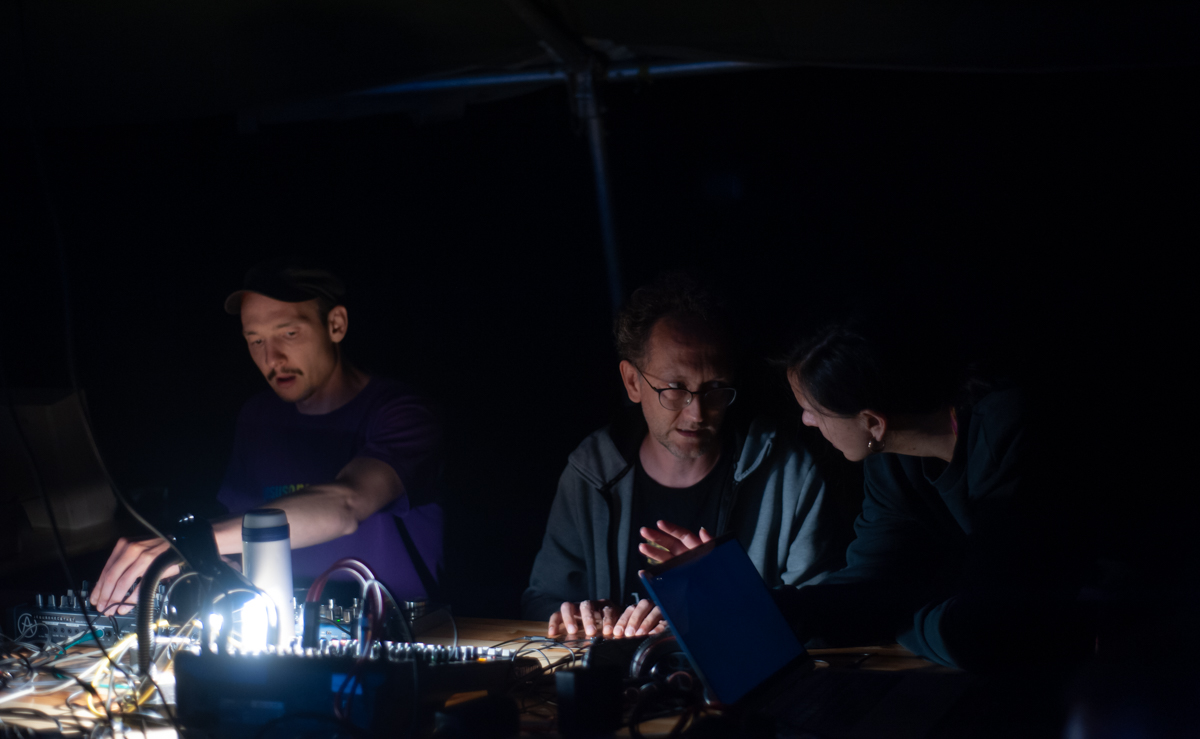
Most of the participants were chased away by the rain in the early hours of the night, but the more persistent ones enjoyed the jam session arranged by jesusonecstasy and loopier, with Blaž’s backing in Hydra. Tuesday starts early, with an optional hike or hard work on projects, and then continues with a full schedule of activities, so we bid you farewell for today.

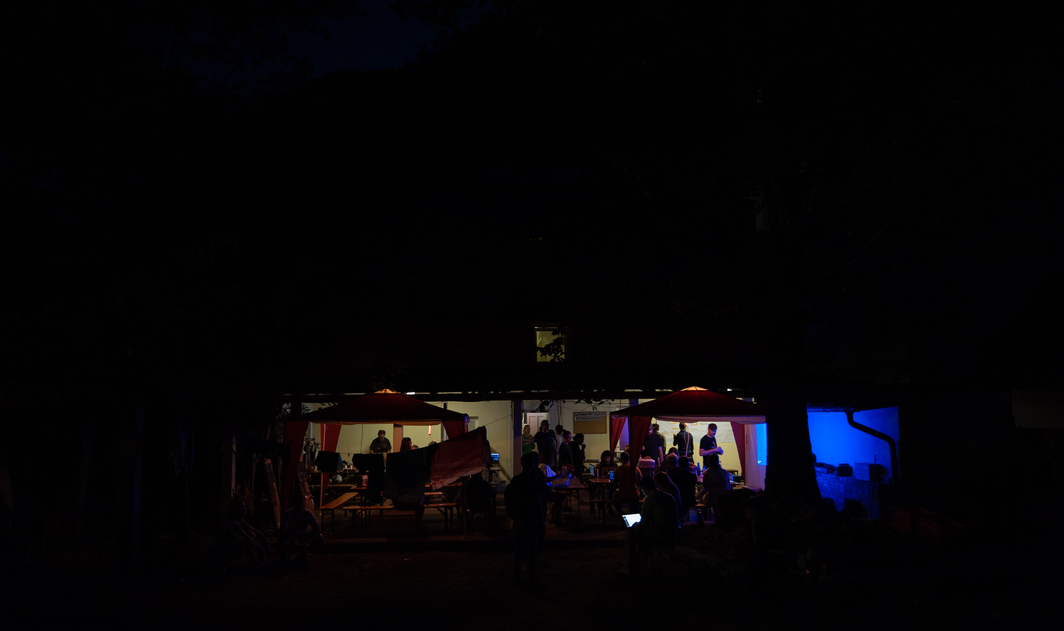
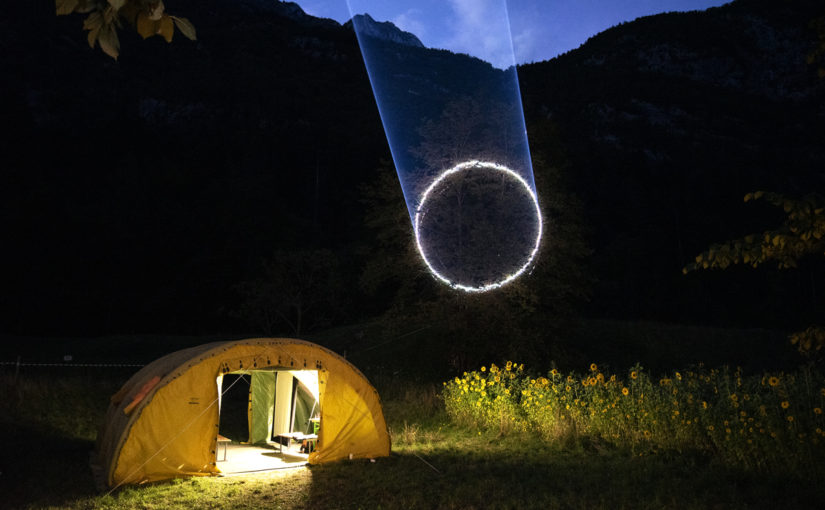
PIFcamp by night. Photo: Simão Bessa

PIFcamp started and the first day went by in the blink of an eye!

The 8th edition of PIFcamp will take us into the world of live-coding, lasers, prototyping, noise, more or less rhythmic sounds, community projects, and the endless possibilities of exploration.

More than sixty participants have made their way to Soca. The day started with a lot of work, setting up tables, setting up the tent, and arranging the internet connection, cables and other details. The kitchen was quite lively, the cooks and little helpers prepared a delicious leek-chickpea soup, for all the hungry and tired. After a new type of welcoming at the entrance – a quick antigen test, and very fortunately, for once, we were all for sure on the negative side of the scale, the traditional introductory part began.

Potato Computer Club

Over the past year, Becca Rose has been exploring computers with potatoes and found that many wonderful stories emerge in the process. Almost everyone has a potato story and spuds have a wondering way of connecting people and making the seemingly complex or hardness of talking about computation disappear.

As pedagogical apparatus, potatoes bring many modes of being and thinking into spaces of computing through their stupidity, questioning of computing mastery, the activation of collective storytelling, and forgetting of traditional ways of doing computing. Join the Potato Computer Club and learn about different technologies, tools, and practices… Becca is planning on making some logic gates, speakers, and maybe some kind of potato heads,.. do you already know what kind of potato computers can we make atc PIF???

eMotion bubble

Raising emotional awareness and improving emotional intelligence.

In many social situations, it is necessary to hide our emotions – take for example, that you dislike your boss. Just because you don’t like him doesn’t mean you can openly express your feelings, because that would leave you jobless. In this kind of situation, suppressing our emotional expression is beneficial to us. Decreasing our outward expression of felt emotions is called ‘emotion suppression’, and many people are very good at it.

Research has shown that although emotional suppression decreases outward signs of emotion, it does not actually lower emotional experience of the person. Hiding one’s feelings doesn’t actually make them go away. Emotional suppression increases the physical symptoms experienced, such as sweating or increased heart rate. Sadly, it also has negative effects on cognitive functioning. Anything which is suppressed for long goes to the unconscious mind, which eventually gets its release through undesirable behaviors unconsciously. Emotions serve as a useful indicator as well as a warning signal, indicating how we are progressing through life at any given time. When we experience an emotion, it means our brain has identified a change in the environment that is relevant to us- our health, objectives, or concerns. It brings those things to our attention which emphasizes us to express.

Emotions are what gives communication life, so inclusion and display of emotions are considered important to maintain an effective social communication.  We express emotions with our bodies, intentionally or unintentionally, with various face expressions, gestures, vocal tones and bodily movements. But manifestations of our emotional states occur not only with the observable bodily
changes such as trembling hands, burning cheeks etc., but also with unobservable reactions such as
racing hearts, tightness in chest, raised blood pressure etc.

In addition to the hard-to-control physiological responses, people use all sort of controllable elements of appearance, such as garments, jewelry, and accessories to express themselves. Self-built physical appearance helps to express moods and emotions (in a socially acceptable way). The clothes or the accessories people wear, make statements and express something about themselves, they reveal their choices and emphasize their identity and personality through display of clothes. People interpret these visual statements as they want, but we can always redefine our appearance with the way we dress and with the expressive abilities of our bodies.

One way to express ourselves in contemporary, fast pace, networked and wireless society, is via wearable technologies. With capabilities of available technology, customization and user–centered approaches transferred to clothing design, we are able to create interactive systems that allow users to define their final appearance, with better possibilities for self-expression and interfaces involvement in electronic networks.

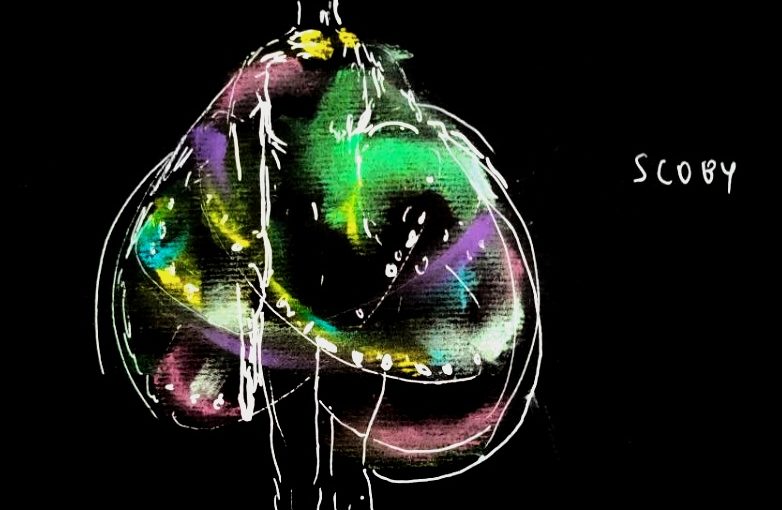
Nastja Ambrožič will design and construct a wearable prototype where LED are incorporated into fabrics and clothes to display emotions and personality of the wearer. Her starting point will be a DIY heart rate sensor, which will be incorporated on the wearer’s body and connected with wires on a sphere-like structure dress, called ‘eMotion bubble’, which will show changes in the person’s emotional states (changes in heartbeat).

Lina Bautista & Manu Retamero: Fantasía

“As audio lovers, we enjoy developing sound-making tools, and we feel very lucky to have amazing community-driven tools at our disposal, that enable us to easily learn about creative design,” explain Lina and Manu. “To give back to the community we are constantly learning from, we focus on making our own designs available during workshops to help others build their own sound machines.”

During PIFcamp the pair from Familiar DIY will be working on a new workshop-oriented device: Fantasía!

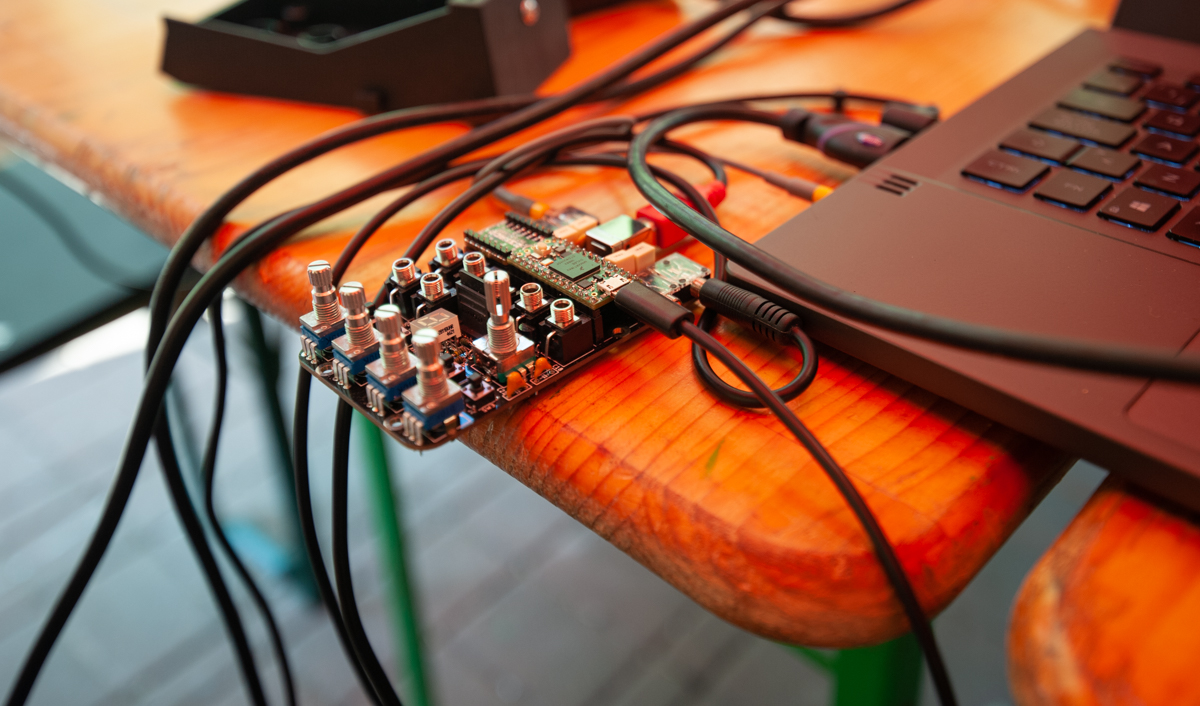
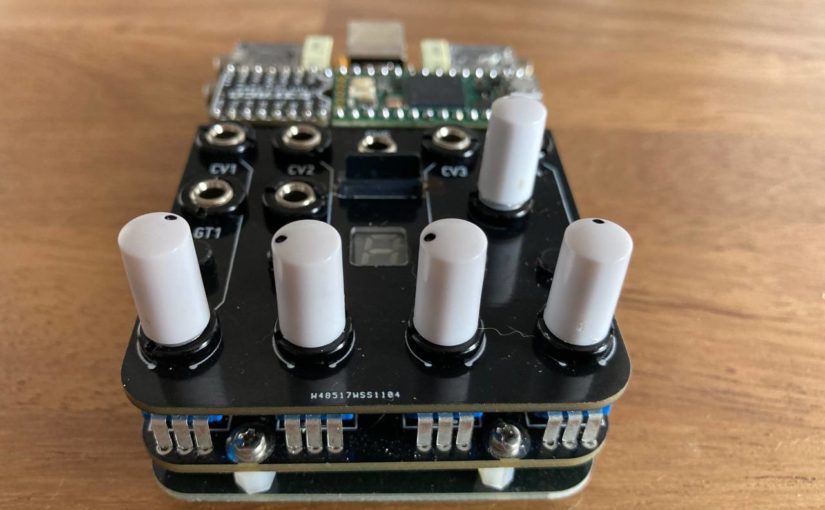
Fantasía is a device based on Teensyduino audio platform, with stereo audio inputs and outputs, potentiometers, buttons, Gate and CV control, SD card, etc. It can work as a synthesizer, multi-effect, or utility tool with endless possibilities… while being a portable DIY-friendly device. “During PIFcamp we’re going to create some sketches/programs for the Fantasía, test hardware boundaries and make some noise, and we encourage others to create their own too!“

For those who want to contribute to the Fantasía library during PIFcamp, Lina and Manu have prepared some DIY kits with which you can build your own devices, and take them home as a thank you for your contribution. Fantastic!

Iván Paz & Julia Múgica: Wavetable workshop

Sound synthesis is awesome!

Data is awesome, too. It presents the way we store our observations of the world we live in. Wavetable is a sound synthesis technique used to create periodic waveforms by using data.

Today, our portable machines are way more powerful than the first machines used for the wavetable synthesis, and they allow us to change the sound synthesis programs as they run. This activity is known as live coding and has been around for 20 years.

The workshop explores data-driven wavetable synthesis within a live coding context, and is a collaboration between Iván Paz and Julia Múgica, members of the lively Barcelona’s live coding community.

Join Iván and Julia at their sonification workshop where the data collected from natural processes will be translated into wavetables to make sound. The results will be used within a live coding context, so whether you’re interested in sound synthesis or live coding, this workshop is right up your alley!

About the mentors

Julia Múgica is a mexican scientist currently incurring in the artistic exploration of nature complex processes. With an interdisciplinary background that encompasses biology and computational physics, she is deeply interested in understanding how collectives make decisions that result in a behavioral synchrony. Recently, her curiosity extended to the artistic sphere, where the process of creation magnifies and prioritizes different aspects of the same phenomena. Her work includes animated particles design in processing language, noise design from random walks algorithms for modular synthesizers, and collaborations with the artist Lina Bautista in rhythm and collective patterns with interactive robots.

Iván Paz has backgrounds in physics, music and computer science. Iván’s work is framed in critical approaches to technology centered around from-scratch construction as an exploratory technique. Since 2010, he has been part of the live coding community and has presented workshops, conferences and concerts around America and Europe. He is currently working with machine learning techniques within live coding performance.

Brainwave Synth for Acoustic Instruments

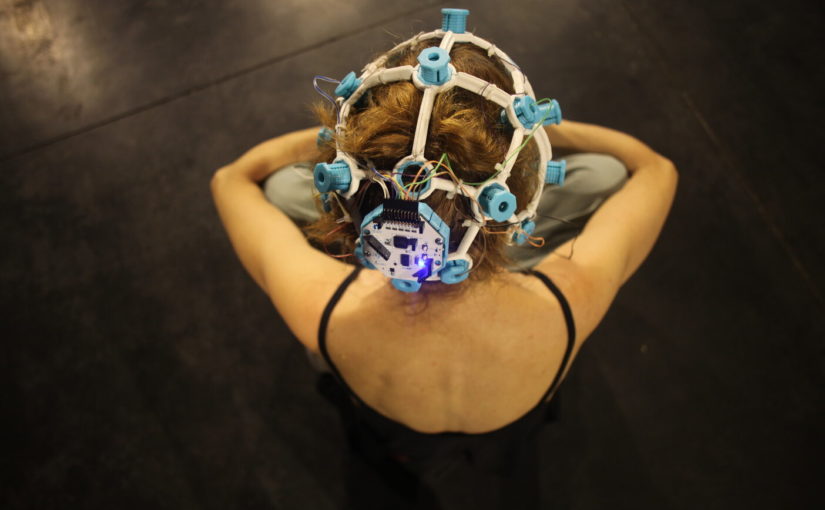
Alicia Champlin is working on a hybrid digital-acoustic instrument using a handmade OpenBCI EEG headset along with her own MaxMSP live/realtime data sonification application for EEG data, as a partial input to a modified bow chime (somewhat styled after the Robert Rutman projects). The outcome is drone music from mechanically amplified bowed cymbals in a live feedback loop with brainwaves and the player. The bow chime amplifies both the brain synth and the player’s physical interactions, sounding out the intersection between the resonant frequencies of the brain and those of the instrument itself.

You can listen to a performance with the prototype here:

Starting with a host of existing MaxMSP patches which Alicia built for a previous sound project, she will be reviving and reworking the synth components to optimize/tune the output for best effect with the bow chime, and at the same time will be exploring whether she can replicate these synths with Pure Data in order to free the product from MaxMSP and create a truly open-source version.

Anyone interested in how the brain can be expressed in sound, those who know and use PD, and other brain synth makers are more than welcome to join Alicia on her quest and on the stage!

Niklas Reppel: Fieldcoding

Fieldcoding = field recording + live coding music

Here are some of Niklas Reppel’s thoughts on the practice:
“In the end, the computer is an extension of ourselves, so bringing it to natural environments isn’t an attempt to ‘technologize’ nature, but just bringing our extended eyes, ears, and mind with us, even if it can sometimes present a logistical challenge. So in the end it’s not an attempt to bring technology to nature, but to bring ourselves, we who are cyborgs (as Andy Clark put it). In that sense, it’s not even an attempt at ‘reconciliation’ of nature and technology, if we don’t accept the split between us, nature, and technology. Technology is (or rather, can or should be) an extension of ourselves, and we are part of nature, anyway.”

During PIFcamp, Niklas will initially explore the soundscape in and around the camp by walking and listening, and select acoustically interesting spots. He’ll then apply a variety of recording techniques to create different samples of the same spots, and improvise upon the found soundscape with live coded live-sampling to bring out interesting nuances and different aspects of the sound.

His goal is to make his live coded performances more dynamic and include the physical aspects of the sound in his improvisations. The sound processing will be done in his own open-source software, Mégra, and he’ll be happy to share his knowledge and the stage with anyone who’d like to join.